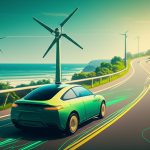
Imagine a world where your car hums quietly, powered by the very air rushing past it. While the idea of wind energy powered cars might seem like something out of a science fiction film, the concept is slowly gaining traction, merging the principles of renewable energy with automotive engineering. But are these vehicles truly feasible, or just a pipe dream?
At a Glance:
- Wind energy powered cars are vehicles that use wind turbines to generate electricity for propulsion.
- The technology is still in its early stages, but prototypes exist.
- Key advantages include reduced emissions and decreased reliance on fossil fuels.
- Challenges include energy efficiency, wind variability, and aerodynamic design.
- Future development hinges on technological advancements and infrastructure improvements.
The Allure of Wind Power on Wheels
The promise of harnessing the power of the wind to fuel our vehicles is compelling. Imagine driving without contributing to air pollution or relying on dwindling fossil fuel reserves. This is the core appeal of wind energy powered cars. But beyond the initial draw, what are the specific benefits and how does this technology actually work?
How Wind-Powered Cars Work: A Simplified Explanation
The underlying principle is relatively straightforward:
- Kinetic Energy: The wind moves through the turbines, creating kinetic energy.
- Mechanical Conversion: This kinetic energy is converted into mechanical energy by the rotating blades of the turbine.
- Electrical Generation: Finally, the mechanical energy is converted into electrical energy for use by the power system in the car. This electricity can then be used to power an electric motor, propel the car, or charge a battery for later use.
Wind turbines are central to wind-powered car technology and a unique feature is their aerodynamic blades which can rotate efficiently, even in low wind conditions. Explore wind-powered vehicles This is vital for consistent electricity generation.
Electric motors play a pivotal role in the functionality of wind-powered cars; their efficiency helps maximize the power available from wind energy. Furthermore, electric motors provide instant torque, which results in quick acceleration. Battery systems store energy generated from the wind turbines. They are critical in managing power supply effectively, allowing continuous operation to continue even when the wind isn’t blowing.
Early Pioneers: The Ventomobile and Beyond
The idea of wind-powered cars isn’t entirely new. In 2008, students at the University of Stuttgart designed and built the Ventomobile – often considered the first true wind-powered car. This three-wheeled vehicle featured a two-meter wind turbine on top and, though not fast, demonstrated the core concept.
While the Ventomobile ran solely on wind energy, some other early attempts incorporated wind power as a supplement to electric power. A particularly effective method was placing the turbine outside the vehicle, and it was found to be more effective when the turbine was placed on the outside as opposed to the inside of the vehicle. An example would be a car that uses a turbine placed outside of the vehicle to produce wind energy to help supply the car with energy, especially if the battery starts to run low.
More recently, Tang Zhengping, a 90-year-old inventor in China, created a smog-reducing car that uses a fan to generate power and batteries. While not exclusively wind-powered (solar panels on the wings also contribute), it showcases ongoing innovation in this area.
Key Design Considerations: Aerodynamics, Materials, and Turbine Placement
Creating a functional wind-powered car involves solving several complex engineering challenges. Aerodynamics is critical; the car must be streamlined to minimize air resistance.
Here are some fundamental areas car designers focus on:
- Shape: Just as bird wings and fish bodies naturally reduce drag, car designs aim for similar efficiency.
- Surface Texture: Smooth surfaces minimize turbulence, decreasing resistance and optimizing wind energy capture.
- Position of Wind Turbines: Strategically placing turbines maximizes wind capture while maintaining an aerodynamic profile. The right positioning can improve efficiency under various driving conditions.
Lighter materials reduce the energy required to move, directly affecting the efficiency of wind capture. Materials such as carbon fiber, aluminum, or advanced composites serve to achieve reduced weight without compromising strength.
Manufacturers must find a balance between light materials and the strength necessary to ensure safety and durability. Choosing materials that are recyclable also supports environmental sustainability; materials that can be reused lessen waste production.
The Pros and Cons: Weighing the Benefits and Challenges
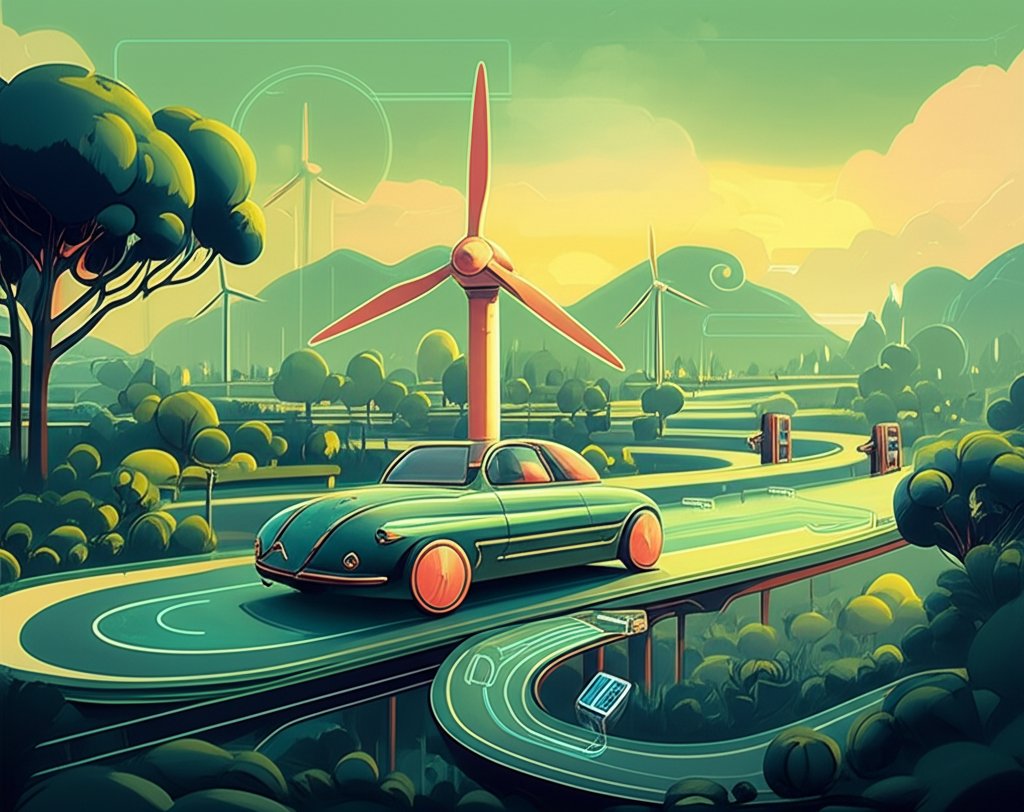
Like any emerging technology, wind energy powered cars come with both significant advantages and considerable hurdles.
The Upsides:
- Reduced Greenhouse Gas Emissions: Wind-powered cars produce none of the harmful pollutants emitted by traditional vehicles.
- Decreased Dependence on Fossil Fuels: Exploring renewable options reduces our reliance on oil, a finite resource under increasing pressure.
- Noise Reduction: Wind-powered vehicles are quieter than combustion engine cars, promoting peaceful urban environments.
- Lower Operational Costs: Cars will require less energy input in the form of fuel. Owners may gain access to wind energy sources at little to no additional cost.
- Job Creation: As interest grows in wind-powered transportation, there will be an increase in skilled jobs required for manufacturing, installation, and maintenance.
The Downsides: - Wind Variability: Wind energy, while abundant, varies significantly with location and weather conditions. A consistent energy supply is needed for practical use.
- Energy Efficiency: The efficiency of the wind turbines integrated into these vehicles must be optimized. If more energy is expended than captured, the concept of a viable wind-powered car becomes flawed.
- Aerodynamic Challenges: Integrating wind turbines into vehicle designs can disrupt aerodynamics, leading to increased drag.
- Infrastructure Limitations: Widespread adoption would require significant investment in wind energy infrastructure and potentially impact charging options for electric vehicles.
Current Projects and Future Outlook: Where is the Technology Heading?
Despite the challenges, there’s ongoing research and development in wind-powered vehicle technology around the world. Countries across the globe are investing in wind-powered vehicle projects.
Here are a few examples:
- Wind Energy Transport in Denmark: Projects involve combining electric vehicles with kite technology to harness stronger winds at higher altitudes.
- The Air Car Prototype in the United States: Proposes an effective integration of mini wind turbines within cars to create energy on-the-move.
- The Swiss Wind Car Research Team: Plans an advanced wind-powered production vehicle emphasizing renewable materials and energy efficiency.
- Nissan: Actively researching wind turbine technology and working alongside other tech startups to build prototypes incorporating wind energy features
Volkswagen has teamed up with startups focusing on efficient energy storage, as they aim to integrate building-generated wind energy into everyday vehicles.
Looking ahead, several key areas are crucial for the future of wind energy powered cars: - Lighter Materials: Advanced materials like carbon fiber may soon replace heavier traditional materials.
- Integration with Other Energy Sources: Future designs may allow combining wind energy with solar energy to boost performance.
- Enhanced Storage Systems: Better battery technology can increase wind energy storage, ensuring vehicles can move even when wind conditions are less than ideal.
- Compact Design: Upcoming models are likely more compact; smaller footprints lead to easier parking and navigation in crowded areas.
- On-the-Go Charging: Integrating charging stations in public spaces like parks or parking lots ensures that wind energy can be captured from motion.
Wind-Powered Cars vs. Wind-Powered Electric Vehicles: Understanding the Difference
It’s important to distinguish between true wind-powered cars (those that directly harness wind energy for propulsion) and electric vehicles powered by wind energy.
The Lotus Nemesis is an electric sports car whose electric powertrain is designed to run on wind-turbine generated electricity by its builder, Ecotricity, a UK renewable energy company. The Toyota Mirai can run on wind-power and the hydrogen to power the fuel cell can be generated with wind power. It’s probably one of the cleanest and greenest cars in the world right now. This is a slightly different approach, where the car runs on electricity generated by wind farms, rather than directly capturing wind energy on the vehicle itself.
While both approaches contribute to sustainable transportation, they have different implications for infrastructure and energy distribution.
Hands-On Learning: Engaging with Wind Energy Concepts
Hands-on experiments are an effective way to grasp the concepts of wind energy. These practical activities can illustrate how wind turbines operate and how they convert wind into usable power for applications including cars.
Here are a few examples of simple experiments:
- Mini Wind Turbines: Kids can build small turbine models using common materials like paper and straws. This project demonstrates the basics of how blades capture wind.
- Wind-Powered Cars: Creating small toy cars powered by a fan illustrates the concept of utilizing wind as a source of energy.
- Measuring Wind Speed: Using DIY anemometers, children can learn to measure wind speeds and relate them to power production.
These activities can spark interest and provide a more structured learning environment, or websites like Wikipedia or Britannica offer extensive information about renewable energy and wind power. Interactive Online Courses and documentaries can provide additional sources for children to further their research.
Addressing Common Questions About Wind-Powered Cars
Q: Are wind-powered cars practical for everyday use?
A: Not yet. Current prototypes face limitations in energy efficiency and wind variability.
Q: How much do wind-powered cars cost?
A: Due to the limited production and developmental stage, there is no established market price.
Q: Are wind-powered cars safe?
A: Safety is a primary concern, and manufacturers prioritize adherence to established automotive safety standards. It is critical to properly test and evaluate this technology.
Q: Where can I learn more about wind energy and sustainable transportation?
A: Professional associations, academic journals, and government agencies offer valuable information about wind energy and sustainable transportation.
The Road Ahead: Innovation and Technological Advancements
The development of wind-powered vehicles represents a significant shift toward sustainable transportation. Exploring innovative designs and experimenting with new technologies are crucial for fostering a more eco-friendly automotive sector.
Adaptive technologies, like efficient wind turbines and regenerative braking systems, will yield improvements in vehicle performance. Integrating renewable energy into vehicles will shift the transportation sector towards greener alternatives, and innovation serves as the key driver in the evolution of transportation.
While wind energy powered cars are not yet a mainstream reality, the concept represents a promising direction for sustainable transportation. Continued research, technological advancements, and a commitment to renewable energy solutions are essential to unlocking the full potential of wind power on wheels. As society shifts towards sustainable practices, wind energy technology plays an essential role in that transition. Toyota and Lotus are among those trying to translate wind power into a more viable option for the everyday driver. By supporting these initiatives and staying informed, we can contribute to a future where our vehicles are powered by clean, renewable energy sources.