For centuries, humanity has harnessed the immense power of moving water. From ancient water wheels grinding grain to the colossal dams that light up entire nations, hydropower is a foundational pillar of our energy history. But this age-old technology is far from static. Today, a wave of innovation is transforming hydropower into a smarter, more flexible, and more sustainable force than ever before, positioning it as a critical player in the future of renewable energy.
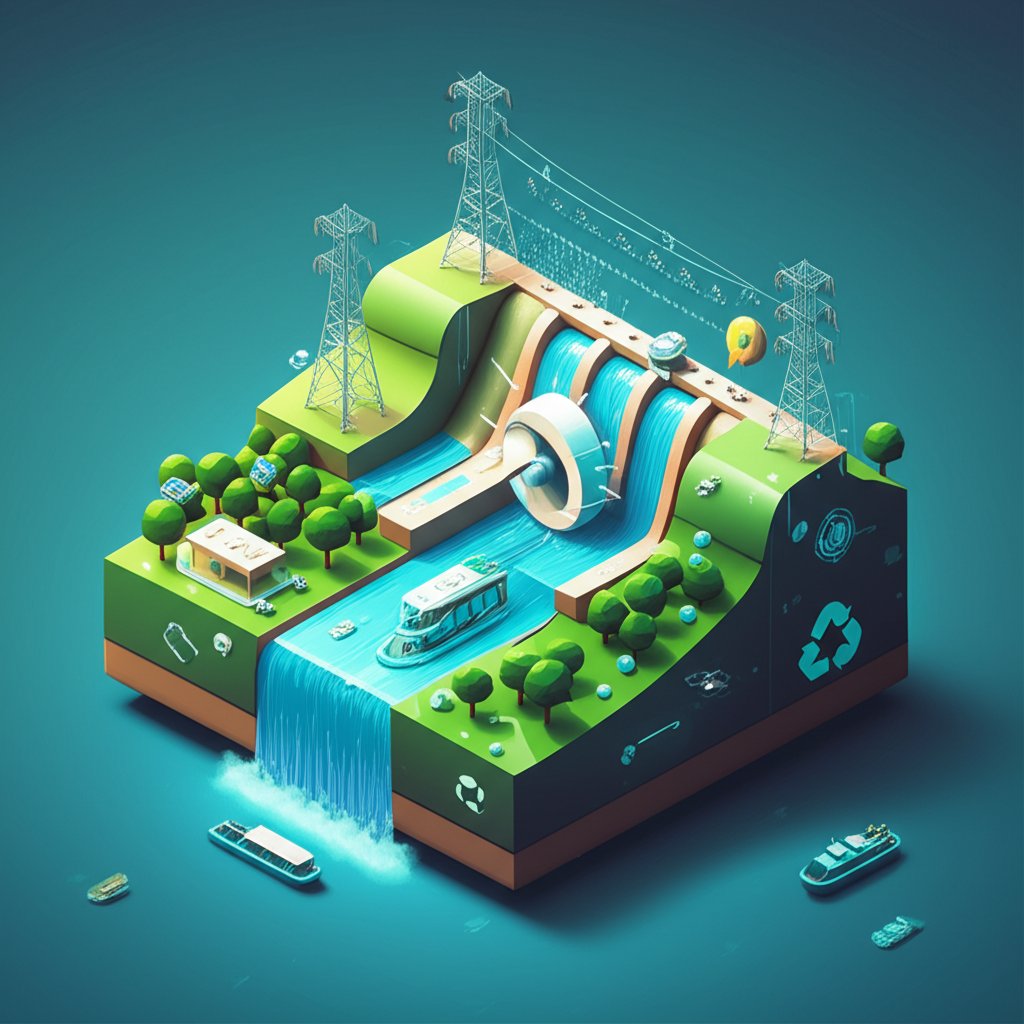
At its core, hydropower technology converts the kinetic energy of flowing or falling water into electricity. This simple principle has made it one of the most reliable and cost-effective energy sources available, with a global weighted-average cost of just USD 0.057/kWh. It currently generates about 15% of the world’s electricity and is the primary power source for over 35 countries, showcasing its immense scale and dependability.
From Ancient Water Wheels to Modern Megastructures
The journey of hydropower is a story of human ingenuity. It began with simple water wheels in ancient Greece and China and evolved through the large-scale mills of the Roman Empire. The modern era ignited in the 19th century with breakthroughs like the Francis and Pelton turbines, which achieved efficiencies over 90% and set the stage for large-scale electricity generation.
The 20th century was defined by monumental projects like the Hoover Dam and the Grand Coulee Dam. These engineering marvels didn’t just generate power; they reshaped landscapes and economies, delivering electricity to millions. Understanding the distribution of this energy reveals the profound regional impact of a single facility, and you can learn precisely Who gets Grand Coulee power to see how these historic projects continue to serve communities today.
The Digital Wave: Reshaping Hydropower with Data
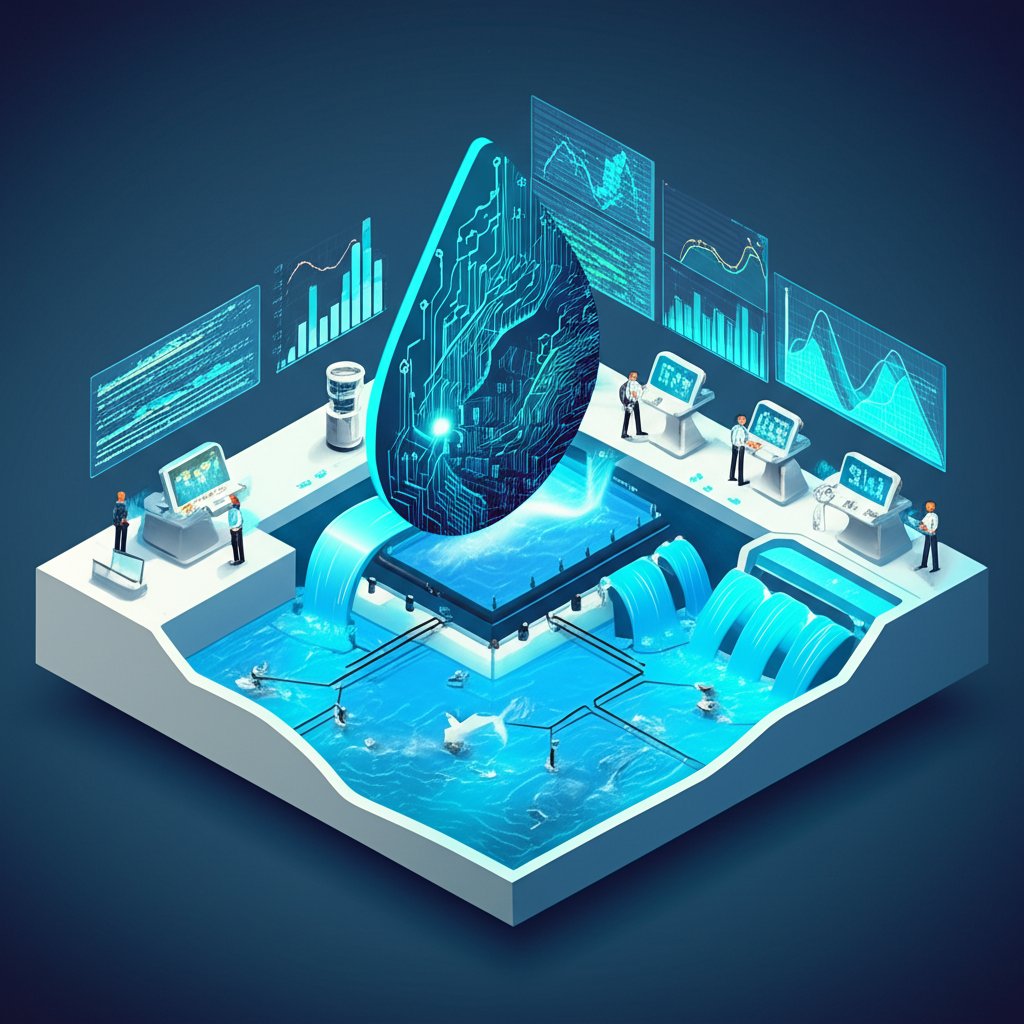
The most significant recent advancements in hydropower technology aren’t just in physical machinery but in the digital intelligence that controls it. By integrating sensors, AI, and performance analytics, operators can now optimize plant output in real-time, responding instantly to changing water conditions and grid demands.
This digital transformation is unlocking staggering potential. Global estimates suggest that digitalization could add 42 TWh of energy production annually and generate operational savings of USD 5 billion. Techniques like creating “digital twins”—virtual replicas of a power plant—allow for predictive maintenance and simulations, preventing failures before they happen and extending the life of critical infrastructure.
Unlocking Flexibility and Storage for a Greener Grid
As the world adds more intermittent renewables like solar and wind, the grid needs a stabilizing force. Hydropower, especially with pumped-storage hydroelectricity (PHS), provides the perfect solution. PHS facilities act like giant water batteries, pumping water to an upper reservoir when energy is cheap and plentiful, then releasing it to generate power during peak demand.
Innovations in this area are making hydropower even more responsive.
Variable-Speed Turbines: Unlike traditional fixed-speed turbines, these can adjust their rotational speed, offering greater efficiency and grid-balancing flexibility.
Advanced Generators: New designs, like generators with current-controlled rotors, provide finer control over power output, helping to smooth out fluctuations from other renewable sources.
Flexibility Technologies: Components like stabilizing fins and air injection systems allow turbines to operate efficiently across a wider range of hydraulic conditions.
Innovating for Every Scale and Environment
Modern hydropower technology is no longer just about massive dams. The latest trends focus on tailored solutions that fit diverse needs, from rural communities to ecologically sensitive rivers. This ensures that the benefits of water power can be realized with minimal environmental impact.
Small-Scale and Modular Hydropower Solutions
For remote areas or localized power needs, small-scale hydropower is a game-changer. Modular systems are easier to deploy and can harness the power of smaller rivers and streams without the need for large dams. Technologies like modern water wheels, Archimedes screws, and Pumps as Turbines (PATs) are making clean energy more accessible than ever. For communities or individuals looking to harness local water resources, it’s now easier than ever to Explore Hydro Turbines for Sale and build a custom micro-hydro system.
Prioritizing Ecology with Fish-Friendly Designs
One of historical hydropower’s biggest challenges has been its impact on aquatic ecosystems. Today, a new generation of hydropower technology is being designed with nature in mind. Fish-friendly turbines, such as Vortex, Alden, and minimum gap runner designs, are engineered to allow fish to pass through safely, preserving river biodiversity and maintaining ecological balance.
The Human Element Behind the Machine
Behind every megawatt of clean energy are dedicated teams of engineers, technicians, and environmental scientists. These experts work around the clock, managing complex systems that require immense precision and focus to keep the lights on for millions. The operational success of a hydropower plant depends as much on its human capital as its mechanical components.
Just as these massive systems rely on a constant flow of water, the human teams behind them need to stay sharp and energized. While it’s a different kind of power, you can Discover the Hydropower Drink guide that helps fuel human performance in demanding environments.
The Next Horizon in Water Power
Hydropower is not resting on its laurels. The next frontier of innovation is already taking shape, promising to unlock even more of water’s clean energy potential. Emerging technologies like marine and hydrokinetic (MHK) systems aim to harness the predictable power of ocean currents and tides, while dynamic pumped hydro concepts using high-density fluids could allow storage plants to be built in a wider variety of locations.
By blending its inherent reliability with cutting-edge digital and mechanical innovations, hydropower technology is proving it is more than just a legacy power source. It is an evolving, essential partner in building a stable, 100% renewable energy future.
I am a writer who loves renewable energy, with a focus on sustainable living, renewable energy, and eco-friendly innovation. With a passion for environmental awareness and a desire to explore the latest trends in green technology, corporate sustainability, and climate action. Through in-depth storytelling