It’s a force that can carve canyons, sustain ecosystems, and, for millennia, power human progress. We’re talking about moving water. Some of the most important facts about hydropower are rooted in this simple, powerful truth: gravity plus water equals a staggering amount of clean energy. It’s the oldest form of renewable power, yet it remains a cornerstone of our modern energy grid.
But hydropower is more than just giant dams. It’s a story of incredible engineering, complex environmental trade-offs, and surprising versatility. From ancient grain mills to massive water batteries that stabilize our power supply, the story of hydro is the story of human ingenuity. This guide cuts through the noise to deliver the essential facts you need to understand its past, present, and future.
Before we dive deep, here are the essential things to know about hydroelectric power.
It’s the Original Renewable: Hydropower has been used for centuries, long before electricity, to do mechanical work like grinding grain.
The Undisputed Renewable Leader: Globally, hydropower generates more electricity than all other renewable sources combined, accounting for over 50% of total renewable production.
Hyper-Efficient Energy Conversion: Modern hydropower turbines can convert up to 90% of the available energy from moving water into electricity. For comparison, most fossil fuel plants operate at around 50% efficiency.
More Than Just Power: Hydropower projects often provide critical benefits beyond electricity, including flood control, irrigation, and reliable water supplies.
A Complex Environmental Picture: While a low-carbon energy source, large-scale hydropower projects can have significant environmental and social impacts, from altering river ecosystems to displacing communities.
How Hydropower Turns a River’s Flow into Your Home’s Light
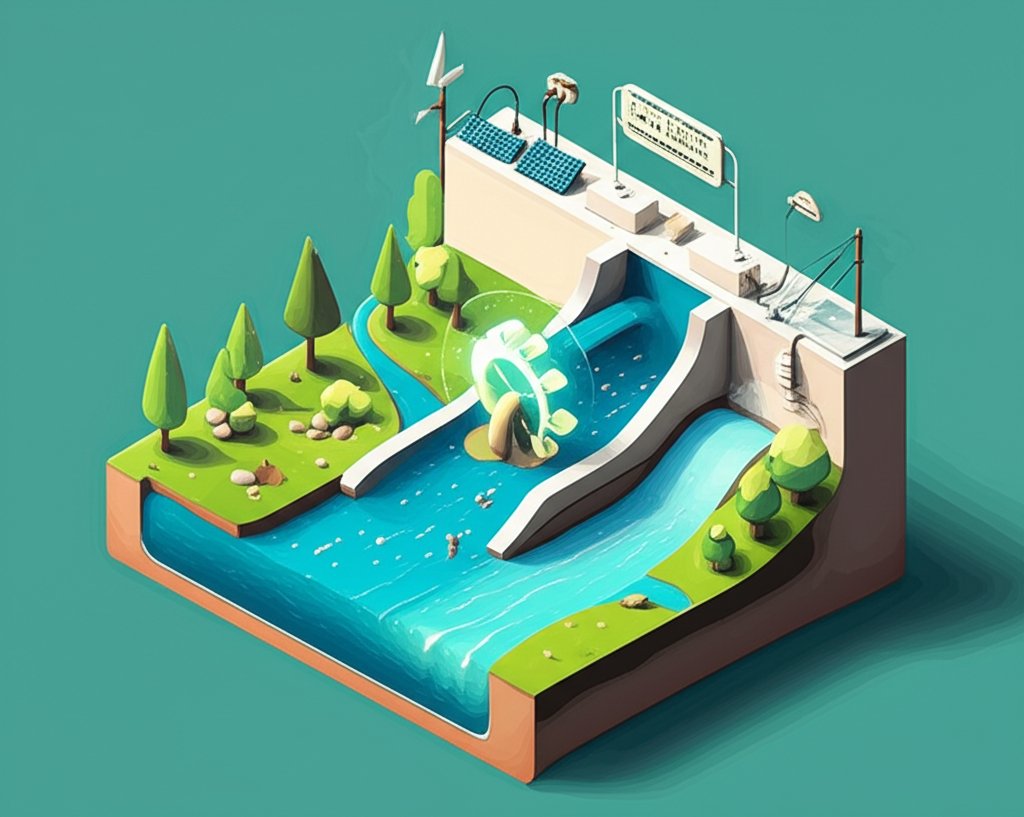
At its core, hydropower is beautifully simple. It’s about converting the potential energy of water stored at a height into kinetic energy as it falls, which then gets transformed into electricity.
Think of it this way:
Water is Stored: A dam creates a large reservoir of water behind it. This water, held at a higher elevation, is like a coiled spring, full of potential energy.
It’s Channeled Downward: The water is directed through a large pipe called a penstock, causing it to flow downward at high speed. The higher the dam (known as the ‘head’) and the greater the volume of water (‘flow’), the more energy is available.
Turbines Spin: The force of the rushing water strikes the blades of a turbine, causing it to spin rapidly—much like a giant, high-tech pinwheel. This converts the water’s kinetic energy into mechanical energy.
A Generator Makes Electricity: The spinning turbine is connected to a generator. The generator uses an electromagnetic field to convert the mechanical energy into electrical energy.
Power is Transmitted: The electricity is then sent through transmission lines to power homes and businesses.
This process is a masterclass in Hydroelectric power efficiency. While a typical thermal power plant loses a significant amount of energy as heat, a modern hydropower facility wastes very little, making it one of the most efficient ways to generate electricity on the planet.
Not Just One Kind of Dam: Exploring Hydropower Technologies
The classic image of a massive concrete wall holding back a vast lake is just one part of the story. Hydropower technology is surprisingly diverse, with different methods tailored to various environments and needs.
Storage Hydropower (The Classic Dam)
This is the type most people picture. A large dam creates a reservoir that stores water, which can be released on demand to generate electricity. These facilities provide a stable, reliable source of power and often offer additional benefits like recreation and flood control. The Hoover Dam is a world-famous example of this technology.
Run-of-River Hydropower
Instead of a large reservoir, a run-of-river project diverts a portion of a river’s flow through a channel or penstock to a turbine. It relies on the natural flow of the river, meaning its power output can fluctuate with the seasons. Because it doesn’t require a massive dam, its environmental footprint is often smaller. These systems showcase how Hydro power in everyday life can be integrated with less disruption to a river’s course.
Pumped Storage Hydropower: The Giant Water Battery
This is one of the most Fascinating Hydro Energy Facts in the energy world. A pumped storage facility has two reservoirs, one at a higher elevation than the other.
Charging: When electricity demand is low (and prices are cheap), the facility uses power from the grid to pump water from the lower reservoir to the upper one.
Discharging: When demand is high (and prices are expensive), the water is released from the upper reservoir back down to the lower one, passing through turbines to generate electricity just like a conventional hydro plant.
It’s not a net energy producer—it uses more energy to pump the water up than it generates on the way down. But its value is immense. It acts as a giant, rechargeable battery for the grid, providing a way to store excess energy from intermittent sources like wind and solar and release it when it’s needed most. In the United States, pumped storage accounts for over 95% of all utility-scale energy storage capacity.
Offshore and Emerging Tech
The frontier of hydropower is moving to the oceans. Offshore technologies like tidal power (using the predictable rise and fall of tides) and wave power (harnessing the energy of ocean surface waves) are still in early stages but hold incredible potential for coastal regions. These are some of the most Cool Hydroelectricity Facts emerging in the renewable sector.
A Power Source with Deep Historical Roots
Using water for power is far from a new idea. The practice dates back thousands of years, long before electricity was even discovered.
The ancient Romans and Chinese of the Han Dynasty used waterwheels to grind grain and power mechanical devices. By the 1770s, facilities like the Cromford Mill in England were using water to power the machinery that kickstarted the Industrial Revolution. This long history is filled with Learn fun hydroelectric facts about human innovation.
The leap to electricity happened in the late 19th century. In 1878, a single lamp was lit using hydropower in England. Just a few years later, in 1882, the first commercial hydroelectric power plant began operating on the Fox River in Appleton, Wisconsin, heralding a new era of clean, reliable energy. It’s one of many Amazing hydro energy facts that began in America’s heartland.
Hydropower’s Global Footprint: The Numbers Tell a Story
To grasp the scale of hydropower, you have to look at the numbers. They paint a picture of a global energy powerhouse that has quietly anchored the world’s renewable energy supply for decades. These statistics are more than just data; they are some of the most Interesting hydropower facts available today.
The Global View
The Renewable King: As of 2024, global installed hydropower capacity reached 1,443 gigawatts (GW). It remains the largest single source of renewable electricity, producing over half of the world’s total.
Top Producers: The five largest hydropower producers by installed capacity are China, Brazil, the United States, Canada, and Russia.
The World’s Biggest Power Plant: The Three Gorges Dam in China is the largest power station of any kind in the world, with a staggering capacity of 22,500 megawatts (MW).
A Nation Powered by Water: Norway runs almost entirely on hydropower, which accounts for nearly 99% of its electricity production.
Cost-Effective Energy: In 2022, the global average cost of electricity from hydropower was just $0.061 per kilowatt-hour, making it highly competitive with other sources.
The United States Picture
A Significant Contributor: Hydropower accounts for about 28% of all renewable electricity generated in the U.S., enough to power around 28 million homes. Exploring these numbers reveals many Cool hydropower facts about the American grid.
Untapped Potential: Here’s a mind-boggling fact: of the approximately 90,000 dams in the U.S., fewer than 2,300 are used to generate power. This suggests a huge opportunity to add generation capacity to existing infrastructure without building new dams.
State-Level Leadership: Washington state is the nation’s leader in hydropower, generating over 70% of its electricity from this clean source.
A Major Employer: The U.S. hydropower industry employs over 66,000 people, while the sector supports around 2.5 million jobs worldwide. This is one of the more tangible Key facts about hydropower.
The Two Sides of the Dam: Weighing the Pros and Cons
No energy source is perfect, and a trustworthy look at hydropower requires an honest assessment of its benefits and its drawbacks. There are plenty of Amazing Hydroelectric Power Facts on both sides of the ledger.
The Bright Side: The Benefits of Hydropower
The advantages of hydroelectric power are significant, which is why it has been a favored energy source for over a century.
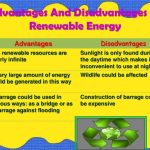
Clean and Low-Carbon: Hydropower plants produce no air pollution during operation and have a very low carbon footprint over their lifetime, helping avoid billions of tons of CO2 emissions.
Renewable and Reliable: As long as rivers flow, hydropower is a renewable resource. Unlike wind and solar, large storage hydro plants can generate power 24/7, providing a stable baseload power source for the grid.
Low Operating Costs and Long Lifespan: Once a hydro plant is built, its fuel—water—is free. Operational costs are very low, and facilities are built to last, with many operating for 60 to 100 years or more.
Grid Flexibility: Hydropower plants can ramp up from zero to full production in a matter of minutes, making them incredibly valuable for responding to sudden changes in electricity demand. This flexibility is a key advantage over more sluggish power sources.
Beyond Electricity: The reservoirs created by dams can provide reliable water for irrigation and drinking, create recreational opportunities like boating and fishing, and offer crucial flood control for downstream communities. To learn more, Discover 10 hydropower facts that highlight its versatility.
The Challenging Realities: Drawbacks and Environmental Costs
The impressive benefits of hydropower come with a set of serious challenges, particularly for large-scale projects. These Hydroelectric Power Fun Facts are a critical part of the conversation.
High Upfront Cost: Building a large dam is an enormous and expensive undertaking, requiring a massive initial investment of capital and years of construction.
Ecological Disruption: Dams fundamentally alter a river’s ecosystem. They can block fish migration patterns, change water temperatures, and lower dissolved oxygen levels, impacting aquatic life. The wide range of effects offers some Fascinating hydro facts for ecologists.
Habitat Loss: The creation of a reservoir floods a vast area of land, destroying terrestrial habitats for wildlife and displacing them.
Social Impact: In many cases, building a dam has required the relocation of entire communities, sometimes forcibly, leading to significant social and cultural disruption.
Methane Emissions: Decomposing organic matter in reservoirs can release methane, a potent greenhouse gas. While typically lower than fossil fuel emissions, it’s a factor that complicates the “perfectly clean” narrative. It is one of the more surprising Hydroelectric Fun Facts.
Modern Solutions to Old Problems
To address these impacts, the industry has developed mitigation strategies. Fish ladders and fish elevators are now common features designed to help species like salmon migrate past dams. Modern turbine designs and operational changes can also improve water quality. These are just some of the Hydroelectric Fun Facts that show how the industry is evolving.
Common Hydropower Questions, Answered
Let’s tackle some of the most frequently asked questions about this powerful energy source. There are many Discover hydroelectric fun facts to explore here.
Is hydropower a truly “clean” energy source?
It’s more accurate to call it “low-carbon.” During operation, it produces no air pollutants. However, the construction process has a carbon footprint, and reservoirs can release methane. Still, on a life-cycle basis, its greenhouse gas emissions are far lower than fossil fuels and are comparable to or even better than other renewables. You can Discover 3 hydro energy facts that put this into perspective.
Why don’t we just build more hydropower dams in the U.S.?
Several factors are at play. First, most of the best and easiest sites for large dams have already been developed. Second, the high upfront costs and lengthy, complex permitting processes make new projects challenging. Finally, and most importantly, there is a much greater understanding today of the environmental and social costs, leading to strong opposition to new large-scale dam construction. There are plenty of Fun hydropower facts surrounding this political and environmental debate.
What is the difference between micro and large-scale hydro?
It’s all about scale. Large-scale hydro refers to the massive projects we’ve discussed. Micro-hydro systems, on the other hand, can generate anywhere from 10 to 100 kilowatts of power—enough for a remote community, farm, or small factory. They have a much smaller environmental footprint and are a vital tool for bringing electricity to off-grid areas. These smaller systems offer many Fun Hydroelectric Energy Facts about decentralized power.
The Enduring Current: Hydropower’s Role in a Sustainable Future
Hydropower is a technology of contrasts. It is ancient and modern, powerful and disruptive, clean and complicated. It is not a silver bullet for our energy needs, but it is an undeniably critical tool in the transition to a low-carbon world.
Its future may look different from its past. The era of building mega-dams in many parts of the world is likely over. Instead, the focus is shifting toward upgrading existing facilities, adding power-generating capabilities to non-powered dams, and investing in the flexible power of pumped storage to support the growth of wind and solar.
The enduring power of moving water has served humanity for centuries. By understanding these important facts about hydropower, we can better appreciate its role—and its responsibilities—in powering a cleaner, more sustainable future for everyone.
I am a writer who loves renewable energy, with a focus on sustainable living, renewable energy, and eco-friendly innovation. With a passion for environmental awareness and a desire to explore the latest trends in green technology, corporate sustainability, and climate action. Through in-depth storytelling