Many of the most important facts about hydropower get lost in conversations dominated by newer renewable technologies. It’s often seen as a legacy power source, a relic of a bygone era. Yet, this perception misses the truth: hydropower is a modern, dynamic workhorse for the global energy grid, providing a unique combination of reliability, flexibility, and clean power that is more critical than ever in our transition to a sustainable future.
At a Glance: Key Takeaways
- Unmatched Reliability: Hydropower plants are built to last (60-100+ years) and can operate 24/7, providing consistent baseload power that intermittent sources can’t.
- The Original Grid-Scale Battery: Pumped storage hydropower acts as a massive, rechargeable “water battery,” storing excess energy from wind and solar to use when it’s needed most.
- A Clean Energy Powerhouse: Globally, hydropower prevents over 4 billion tons of greenhouse gas emissions annually compared to coal, making it a cornerstone of climate action.
- More Than Just Megawatts: Many hydropower projects are multi-purpose, providing critical infrastructure for flood control, irrigation, and clean water supply.
- Evolving Sustainability: The industry is actively addressing environmental impacts with modern solutions like fish-friendly turbines and international sustainability standards.
Hydropower: A Power Source You Can Count On, Day and Night
In a world increasingly reliant on variable energy sources like solar and wind, the steadfastness of hydropower is its greatest strength. Its dependability isn’t just a feature; it’s the foundation that enables a more resilient and renewable-heavy grid.
Unpacking Its High Capacity and Efficiency
A power source’s value is often measured by its ability to consistently produce electricity. Hydropower excels here. Modern hydro turbines achieve a stunning conversion efficiency of over 90%, meaning they convert nearly all the energy from the moving water into electricity. For comparison, even the most efficient fossil fuel plants top out around 50-60%.
This efficiency translates into a high capacity factor—the measure of how much electricity a plant actually produces compared to its maximum potential. Because water flow can be managed and is often seasonally predictable, hydropower facilities provide a steady, reliable stream of power that is available on demand. This makes it a perfect source of baseload power, the minimum level of electricity needed to serve the grid around the clock.
Built to Last: An Infrastructure Investment for Generations
When a hydropower plant is built, it’s an investment for the next century, not just the next decade. These facilities have incredibly long lifespans, often operating for 60 to 100 years or more with proper maintenance and upgrades. The Hoover Dam, for instance, was completed in 1936 and remains a critical power producer today.
This longevity provides immense economic stability. While the initial construction costs are high, the long-term operational costs are remarkably low because the fuel—flowing water—is free. As of 2022, the average global cost of electricity from hydropower was just $0.061 per kWh, making it one of the most affordable energy sources over its lifetime.
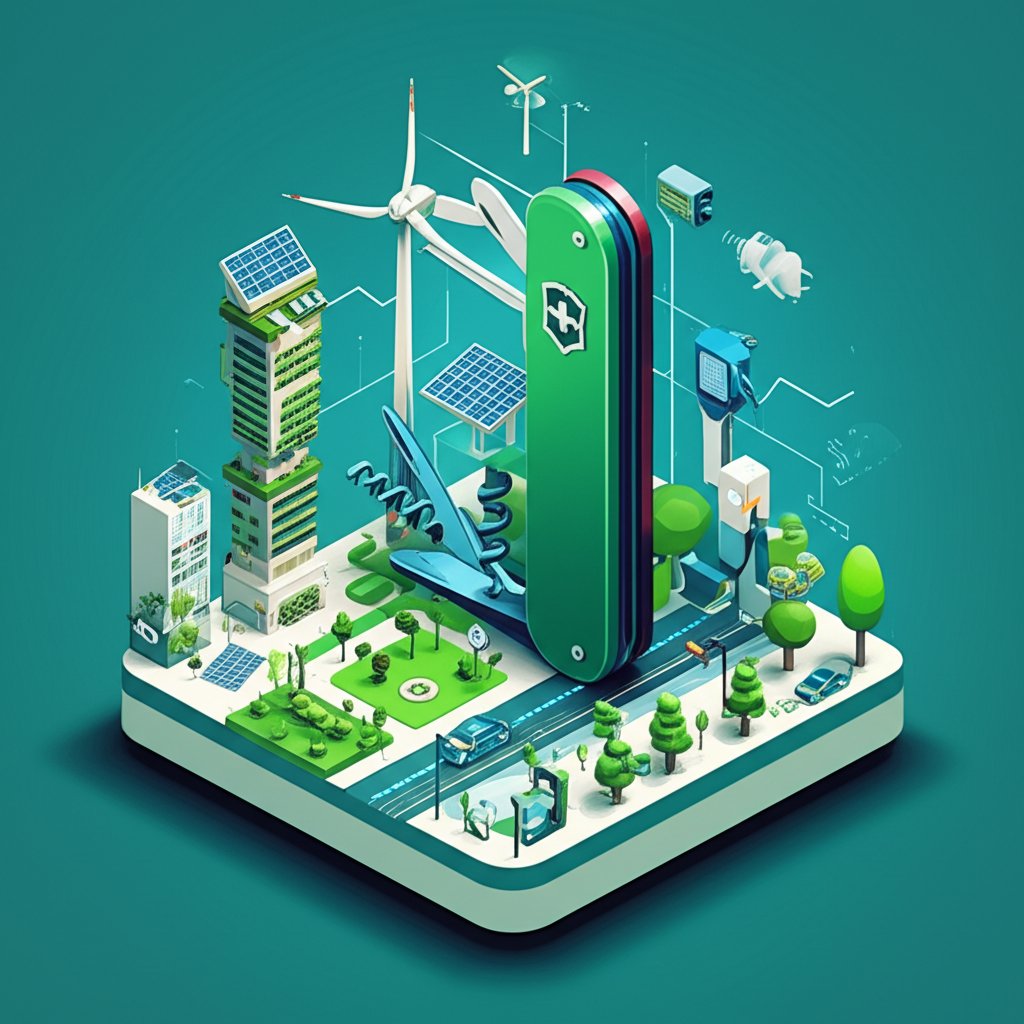
The Swiss Army Knife of Energy Infrastructure
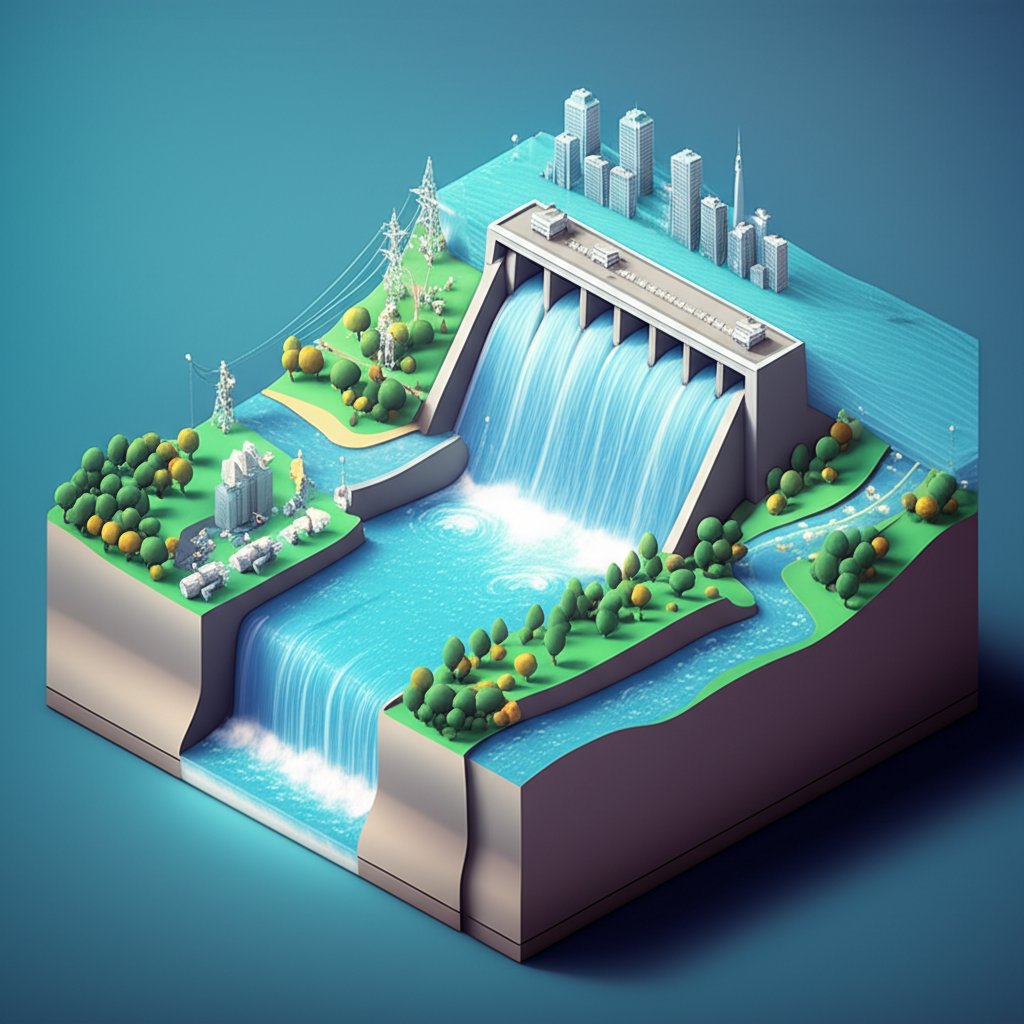
To think of hydropower as only an electricity generator is to miss half the story. The infrastructure built for hydropower often serves a multitude of community and economic needs, making each project a high-value, multi-purpose asset. These multi-use benefits are a core part of its value proposition. To explore the full spectrum of its capabilities, Discover hydropower’s true potential.
Pumped Storage: The World’s Original Giant Battery
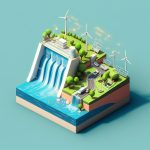
One of the most powerful facts about hydropower is its unique ability to store massive amounts of energy. Pumped storage hydropower (PSH) facilities are the world’s original and largest grid-scale batteries. They work using a simple, brilliant concept:
- Charging: When electricity is abundant and cheap (like on a windy night or a sunny afternoon), the facility uses that power to pump water from a lower reservoir to an upper one.
- Storing: The water is held in the upper reservoir, effectively storing the energy as gravitational potential energy.
- Discharging: When demand for electricity peaks and prices are high, the water is released from the upper reservoir, flowing down through turbines to generate power, just like a conventional hydro plant.
This process makes PSH the perfect partner for intermittent renewables. It can absorb excess solar and wind power that would otherwise be wasted and redeploy it in seconds to stabilize the grid when the sun isn’t shining or the wind isn’t blowing.
Beyond the Turbine: Co-benefits for Communities
The vast majority of the world’s dams were not built for power generation but for other vital purposes. Hydropower projects often integrate these benefits, creating a cascade of positive impacts:
- Flood Control: Reservoirs can capture and safely release excess water from major storms, protecting downstream communities.
- Irrigation: Stored water provides a reliable source for agriculture, turning arid land into productive farmland.
- Clean Water Supply: Many reservoirs serve as the primary source of drinking water for cities and towns.
- Recreation & Transport: Lakes formed by dams create opportunities for boating, fishing, and tourism, while locks and channels can improve river navigation.
A Clean Energy Leader with a Complex Environmental Footprint
Hydropower is a cornerstone of global decarbonization, but like any large-scale infrastructure, it has environmental impacts that must be managed responsibly. The modern hydropower industry is focused on maximizing the clean energy benefits while actively mitigating the ecological footprint.
The Greenhouse Gas Advantage
The climate benefits of hydropower are immense. As a source of electricity with zero direct emissions, it plays a massive role in cleaning up the global power sector.
- Global Impact: Hydropower currently accounts for over half of all renewable electricity generation worldwide.
- Emissions Avoided: Its use helps avoid more than 4 billion tons of greenhouse gas emissions every year—the equivalent of taking nearly a billion cars off the road.
This contribution is essential for meeting the goals of the Paris Agreement and achieving a net-zero future. To reach that 2050 target, global hydropower capacity will likely need to double.
Addressing the Ecological Impact Head-On
The construction of a large dam and reservoir inevitably alters the local environment. Key concerns include:
- Fish Migration: Dams can block the natural migratory paths of fish like salmon.
- Habitat Alteration: The creation of a reservoir floods land, changing terrestrial and aquatic ecosystems.
- Water Quality: The flow, temperature, and dissolved oxygen levels of the water can be affected downstream.
These are significant challenges, but the industry has developed innovative solutions to address them.
Modern Mitigation: From Fish Ladders to Sustainable Standards
Responsible hydropower development is now the norm, not the exception. Operators use a variety of advanced techniques to protect and even enhance local ecosystems.
- Fish-Friendly Solutions: “Fish ladders” and “fish elevators” provide safe passage for migrating species around dams. Newer, fish-friendly turbine designs allow smaller fish to pass through with high survival rates.
- Environmental Flow Management: Operators carefully manage water releases to mimic natural river flows, preserving downstream habitats and water quality.
- Global Standards: The Hydropower Sustainability Standard provides a global framework for assessing and certifying projects on their environmental, social, and governance (ESG) performance, ensuring they are developed to the highest modern standards.
Understanding Hydropower Types: A Quick Guide
Not all hydropower plants are the same. The four main types are designed for different environments and grid needs.
| Type | Key Feature | Best For… |
|---|---|---|
| Storage (Reservoir) | A large dam creates a reservoir to store water. | Providing consistent, dispatchable power; managing seasonal water variations; enabling co-benefits like flood control and irrigation. |
| Run-of-River | Uses the natural flow and elevation drop of a river with minimal water storage. | Rivers with steady, year-round flow; situations where a smaller environmental footprint is a priority. |
| Pumped Storage | An upper and lower reservoir act as a rechargeable “water battery.” | Stabilizing the grid; storing excess energy from wind and solar; providing rapid-response power during peak demand. |
| Offshore Hydropower | An emerging category that harnesses the power of tides and waves. | Coastal regions with strong, predictable tidal patterns or consistent wave action. |
Quick Answers to Common Hydropower Questions
Isn’t hydropower expensive?
It has a high upfront construction cost, but its extremely long lifespan (60-100+ years) and zero fuel cost make it one of the cheapest energy sources over the long term. This provides stable, predictable energy prices for generations.
Does hydropower harm fish populations?
It can, but this is a well-understood challenge with proven solutions. Modern facilities are required to include mitigation systems like fish ladders, elevators, and specially designed turbines that help fish migrate safely.
Are all the good spots for hydropower already developed?
No. While many large rivers in developed nations are utilized, immense potential remains globally. This includes upgrading existing plants, adding power generation to dams built for other purposes (like irrigation), and developing new pumped storage and smaller-scale projects.
How does hydropower’s efficiency compare to solar or wind?
It’s important to distinguish between conversion efficiency and capacity factor. A modern hydro turbine’s conversion efficiency of over 90% is unmatched—it wastes very little of the water’s energy. While its capacity factor depends on water availability, its dispatchability (the ability to generate power when called upon) is a key advantage over intermittent solar and wind.
The Enduring Role of Water in a Clean Energy Future
The core facts about hydropower point to an undeniable conclusion: it is an essential, modern, and enduring part of the clean energy puzzle. Its ability to provide reliable, 24/7 power makes it the stabilizing bedrock for a grid that incorporates more variable renewables. Its versatility as a massive energy storage system and a source of community co-benefits adds layers of value that few other technologies can match.
As we move toward a net-zero future, we won’t be leaving hydropower behind. Instead, we’ll be relying on it more than ever—upgrading existing facilities, building innovative pumped storage solutions, and deploying it responsibly as a cornerstone of a clean, reliable, and resilient global power system.