It’s easy to picture hydroelectric energy as just massive concrete dams and roaring spillways. While that’s part of the story, it barely scratches the surface. Dig a little deeper, and you’ll find a technology that’s both ancient and cutting-edge, surprisingly flexible, and sitting on a vast, untapped potential. These 3 interesting facts about hydroelectric energy reveal a more complex and compelling picture than you might expect.
Ancient Roots, Modern Muscle: Discover how a 2,000-year-old concept powers one of the most efficient energy converters on the planet today, far surpassing fossil fuels.
The World’s Biggest Batteries Aren’t Batteries: Learn how some hydropower plants operate like giant, water-based rechargeable batteries, storing energy for when we need it most.
A Sleeping Giant in Our Backyard: Uncover the staggering number of existing dams in the U.S. that produce zero electricity—and what that means for our energy future.
Fact 1: Hydropower Is An Ancient Idea with Unmatched Modern Efficiency
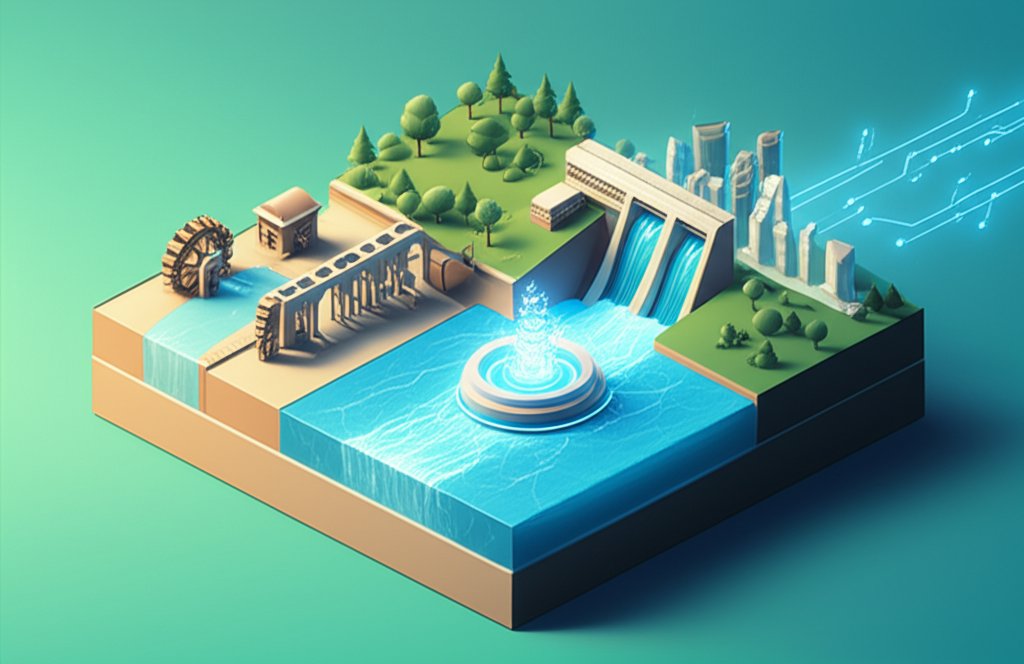
When you think of high-tech energy, you probably imagine solar panels or advanced nuclear reactors. Yet, one of the oldest energy-harnessing methods remains one of the most efficient. The core idea—using flowing water to do work—dates back thousands of years to ancient Greece, Rome, and Han Dynasty China, where waterwheels ground grain and powered irrigation systems.
But what’s truly remarkable is how this ancient principle evolved. The modern hydroelectric turbine is a marvel of engineering. While a typical coal or natural gas power plant struggles to convert 50% of the fuel’s energy into electricity (with the rest lost as heat), modern hydro turbines can convert up to 90% of the water’s available energy into usable power.
How Does It Achieve Such High Efficiency?
The process is elegantly direct. Unlike thermal plants that require multiple energy conversions (chemical to thermal to mechanical to electrical), hydropower is a more streamlined mechanical-to-electrical process.
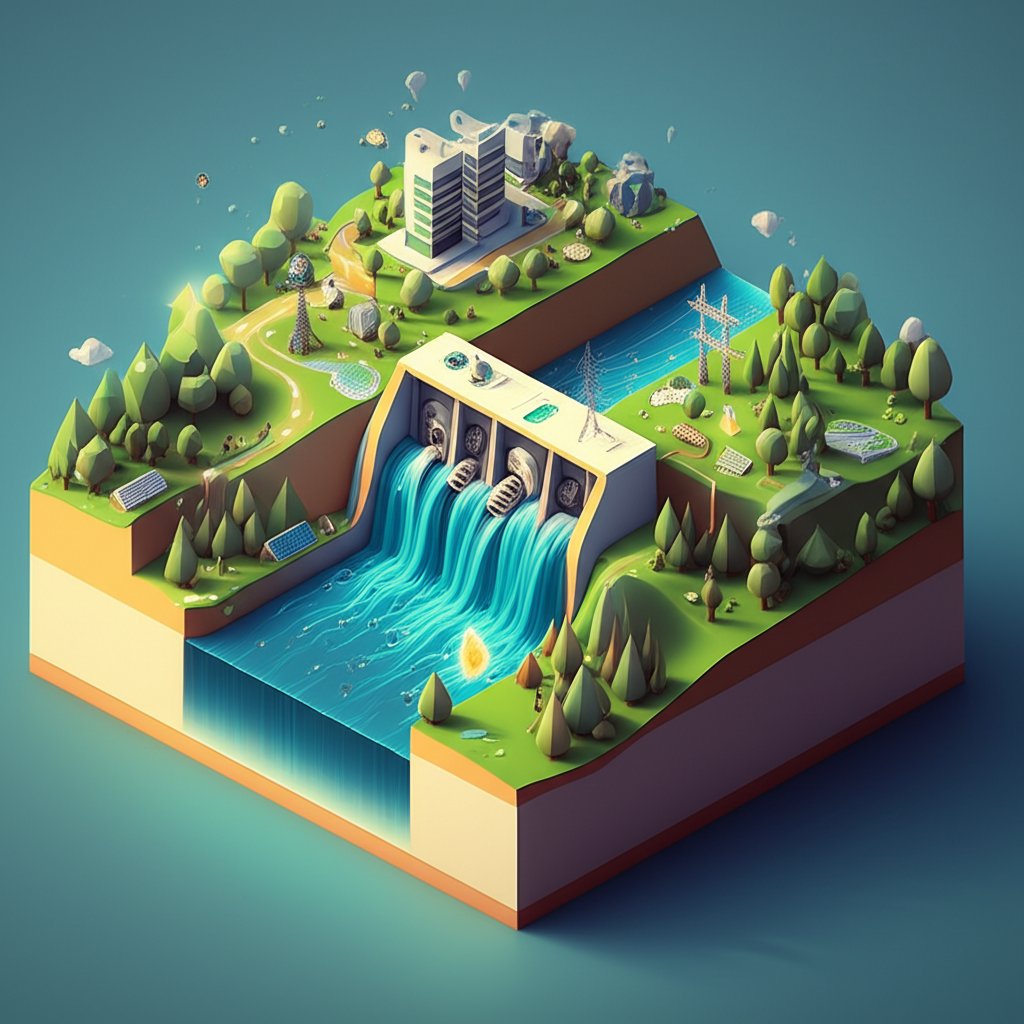
Gravity Does the Heavy Lifting: Water stored in a reservoir behind a dam holds potential energy. The height difference between the reservoir surface and the turbines below, known as the ‘head,’ determines how much potential energy is available.
Focused Kinetic Energy: The water is channeled through a large pipe called a penstock, converting its potential energy into powerful kinetic energy as it rushes downward.
Direct Turbine Spin: This high-pressure water strikes the blades of a turbine, causing it to spin rapidly. This is a direct transfer of the water’s kinetic energy to the turbine’s mechanical energy.
Generation: The spinning turbine is connected to a generator, which uses electromagnetic induction to convert the mechanical rotation into electricity.
Because there are fewer energy conversion steps, very little energy is wasted. This incredible efficiency is a key reason why hydropower remains a cornerstone of renewable energy systems worldwide. To understand how this fits into the broader energy landscape, you can Discover hydropower’s potential and its role in a stable power grid.
Fact 2: Some Hydropower Plants Act as Giant, Rechargeable Water Batteries
One of the biggest challenges for modern power grids is energy storage. Wind and solar are fantastic, but they only generate power when the wind blows or the sun shines. How do you save that excess energy for a calm, cloudy day? The surprising answer often involves water.
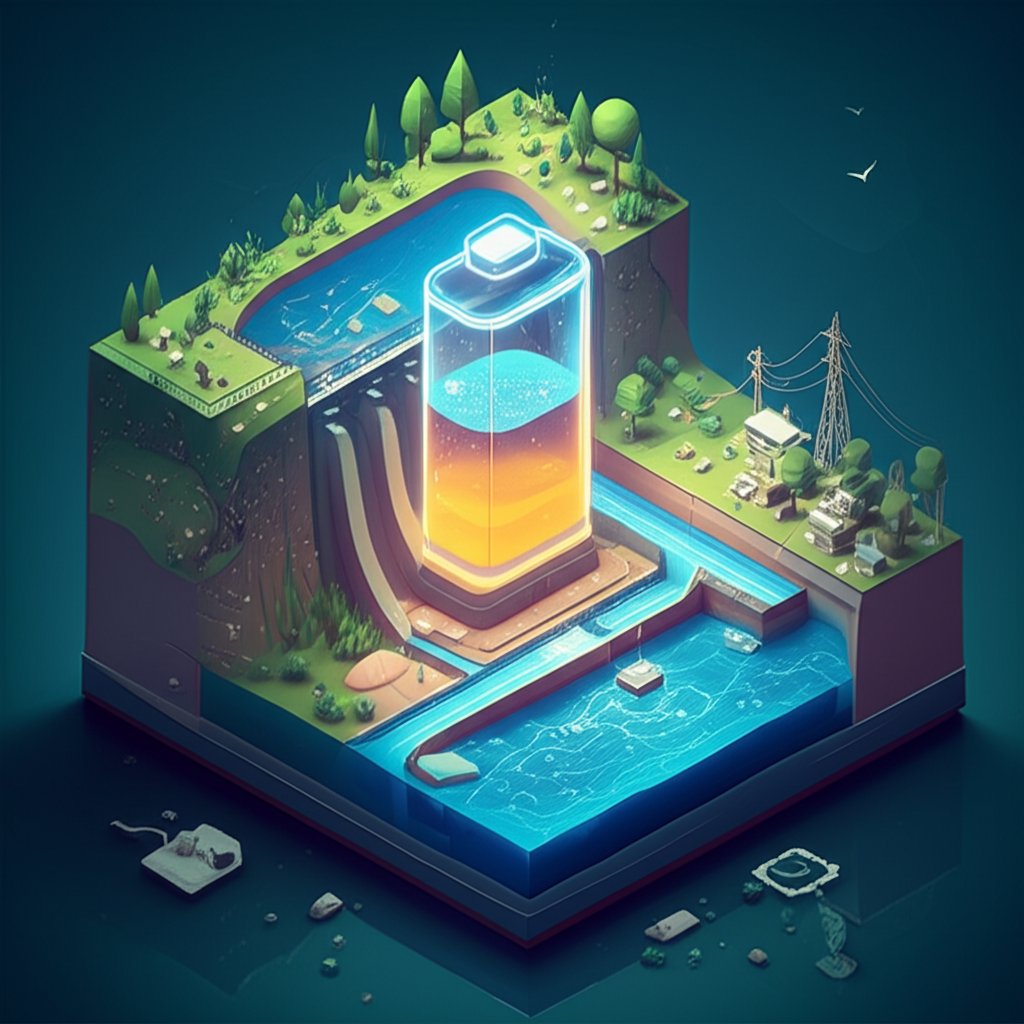
A special type of facility called Pumped Storage Hydropower (PSH) acts like a massive, grid-scale battery. It doesn’t rely on a constant river flow to generate power; instead, it uses two reservoirs at different elevations.
A Day in the Life of a Water Battery
Imagine it’s a sunny and windy Sunday afternoon. Solar panels and wind turbines are flooding the grid with cheap electricity, more than everyone needs. A PSH plant takes advantage of this surplus.
Charging Cycle (Low Demand): The plant uses the cheap, excess electricity from the grid to pump water from its lower reservoir to its upper reservoir. It’s essentially “charging” by converting electrical energy back into the potential energy of stored water.
Discharging Cycle (High Demand): Now, picture a hot weekday evening. Everyone comes home, turns on their air conditioners, and electricity demand spikes. The PSH plant reverses its operation. It opens the gates of the upper reservoir, letting water rush down through its turbines to generate much-needed electricity, stabilizing the grid and preventing blackouts.
This ability to both consume and generate power makes PSH incredibly valuable. It provides a third of the world’s capacity for flexible electricity supply, offering a reliable way to balance the intermittent nature of other renewables. It’s a centuries-old technology providing a 21st-century solution.
| Feature | Conventional Hydropower | Pumped Storage Hydropower (PSH) |
| :— | :— | :— |
| Primary Function | Generate electricity from natural water flow | Store and generate electricity on demand |
| Water Source | Relies on a river’s continuous flow | Uses a closed loop between two reservoirs |
| Net Energy | Net energy producer | Net energy consumer (uses more power to pump than it generates) |
| Grid Role | Provides baseload and flexible power | Provides grid stability, storage, and peak power |
Fact 3: The U.S. Has Huge Untapped Hydro Potential Without Building New Dams
When discussions turn to expanding hydropower, images of constructing colossal new dams often come to mind, along with their significant environmental and social costs. However, one of the most compelling facts about hydroelectric energy in the United States is the immense potential hiding in plain sight.
According to the U.S. Department of Energy, the nation has over 90,000 dams of varying sizes. These were built for purposes like flood control, irrigation, and recreation. The astonishing part? Less than 3% of these existing dams are equipped to generate electricity.
This presents a massive opportunity for “powering non-powered dams” (NPDs). Retrofitting even a fraction of these structures with modern, fish-friendly turbines could add gigawatts of clean, reliable electricity to the grid with a much smaller environmental footprint than building new dams from scratch.
A Tale of Two Scales
To put the global scale in perspective, consider the world’s largest hydroelectric plant:
Three Gorges Dam (China): This behemoth on the Yangtze River has a staggering capacity of 22,500 megawatts (MW), enough to power tens of millions of homes.
Itaipu Dam (Brazil/Paraguay): Another giant with a capacity of 14,000 MW.
While the U.S. is unlikely to build projects on this scale again, the aggregate potential of its NPDs is significant. Adding power to existing infrastructure avoids the most disruptive aspects of dam construction, such as flooding new land and displacing communities, making it a more sustainable path for domestic hydro expansion.
Your Practical Playbook: Thinking Differently About Water Power
Understanding these facts shifts the conversation from “whether” to “how” we can best use hydropower. Here’s a quick guide to applying this knowledge.
Evaluating Hydropower’s Role
Focus on Modernization: When considering hydro projects, prioritize upgrading existing facilities and powering non-powered dams. This approach often delivers the best balance of cost, speed, and environmental impact.
Look for Hybrid Solutions: The future isn’t just one renewable source. Look for projects that pair hydropower, especially pumped storage, with intermittent sources like wind and solar. This creates a resilient, 24/7 clean energy system.
Consider “Low Head” and Run-of-River: Not all hydro requires a massive dam. Low-head facilities and run-of-river projects, which divert a portion of a river’s flow through a turbine without a large reservoir, can be viable, lower-impact options for smaller communities.
Key Questions to Ask About a Hydro Project
Is it a new build or a retrofit? Retrofitting existing infrastructure is generally preferable.
What are the environmental mitigation plans? Look for modern solutions like fish ladders, fish-friendly turbines, and strategies to manage water temperature and oxygen levels.
Does it serve multiple purposes? Dams that also provide flood control, water supply, and recreation offer compounded community benefits.
Quick Answers to Common Questions
Q: Is hydropower truly a “green” energy source?
A: It’s a low-carbon source, but not without environmental impact. While it avoids billions of tonnes of greenhouse gas emissions compared to coal, large reservoirs can be a source of methane from decaying organic matter. Furthermore, dams alter river ecosystems. Modern practices aim to mitigate these issues, but they remain a critical consideration. Q: How long do hydroelectric plants last?
A: One of hydropower’s biggest advantages is its longevity. Plants can operate for 60 to 100 years or even longer with proper maintenance and upgrades. This long lifespan helps offset the high initial construction costs, making it a very low-cost energy source over its lifetime. The global weighted average cost in 2022 was just over six cents per kWh. Q: Can small-scale hydropower make a real difference?
A: Absolutely. While mega-dams get the headlines, micro-hydro (less than 100 kilowatts) and small-hydro (up to 10 megawatts) systems can provide clean, reliable power for individual homes, farms, or entire communities, especially in remote areas. The principle of powering non-powered dams applies at smaller scales, too.
From Ancient Waterwheels to Modern Grid Stabilizers
The story of hydroelectric energy is one of constant innovation. It’s a technology that connects our ancient past to our renewable future, offering unmatched efficiency, incredible flexibility through pumped storage, and a vast, quiet potential waiting to be unlocked in our existing infrastructure. By moving beyond the simple image of a concrete wall and understanding these more nuanced facts, we can better appreciate hydropower’s enduring and essential role in a clean energy world.
I am a writer who loves renewable energy, with a focus on sustainable living, renewable energy, and eco-friendly innovation. With a passion for environmental awareness and a desire to explore the latest trends in green technology, corporate sustainability, and climate action. Through in-depth storytelling