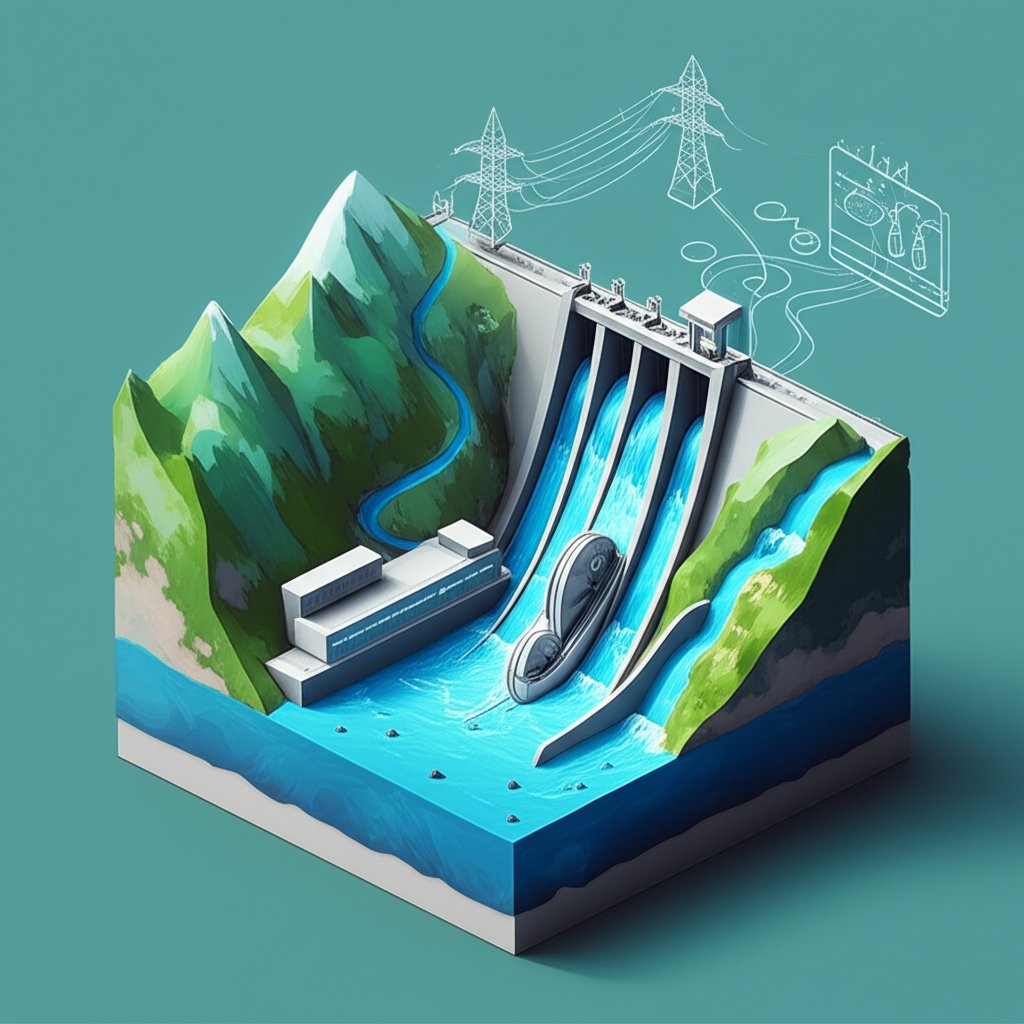
The most common hydroelectricity pictures show a massive concrete wall holding back a serene lake, but these images barely scratch the surface. They often miss the dynamic story of immense power, intricate engineering, and the delicate balance between human ingenuity and the natural world. A truly great photograph of a hydroelectric facility does more than document infrastructure; it reveals the forces at play.
From the thunderous chaos of an open spillway to the quiet hum of a turbine hall, these images capture the conversion of kinetic energy into clean electricity. They show us not just a structure, but a process—a testament to one of the oldest and most reliable forms of renewable power.
At a Glance: What These Photos Truly Show
- The Scale of Power: Understand how different photographic compositions convey the immense size and energy potential of hydroelectric projects.
- Engineering and Artistry: Learn to spot the details that showcase the incredible design and construction behind dams, powerhouses, and spillways.
- Nature and Infrastructure in Dialogue: See how images can highlight both the environmental integration and the ecological impact of harnessing a river’s flow.
- Capturing Water’s Energy: Discover the techniques photographers use to illustrate the raw force of water, from smooth long exposures to crisp, fast-shutter shots of turbulent flows.
- Reading the Narrative: Move beyond seeing a “picture of a dam” to interpreting the story it tells about location, function, and season.
Decoding the Visual Language of Hydro Power
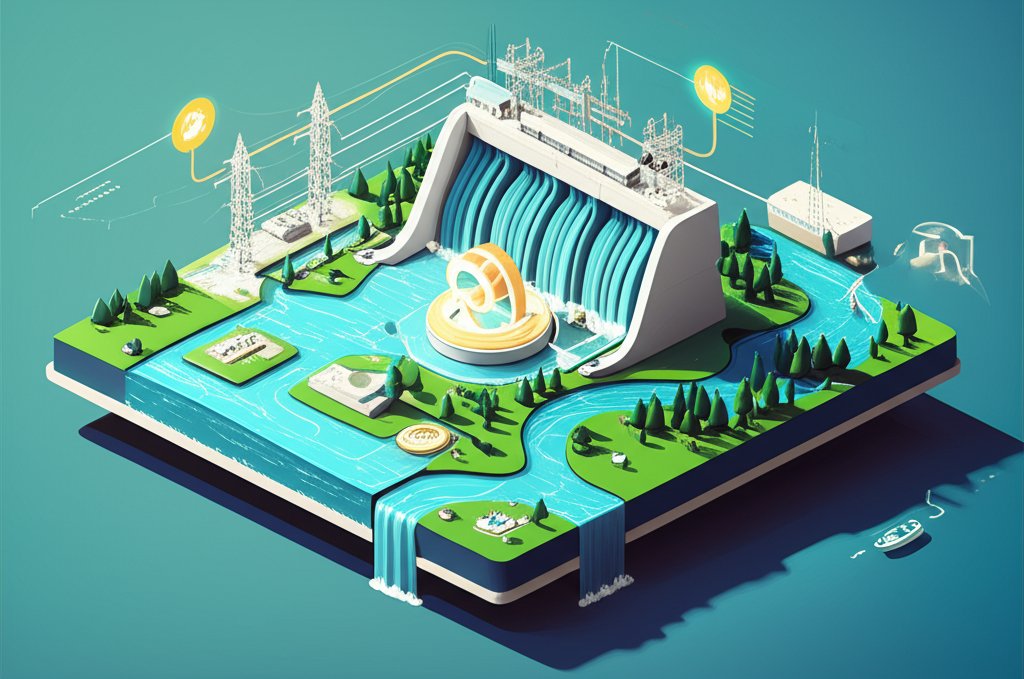
A hydroelectricity picture is a visual report, and learning to read it unlocks a deeper appreciation for this power source. The photographer’s choices—angle, lighting, focus, and composition—all shape the narrative. By breaking down the common genres of these images, we can understand the specific story each one tells.
The Grand Scale: Aerials and Panoramas
Aerial shots are perhaps the most iconic. Taken from drones, helicopters, or high vantage points, they provide a god-like perspective that emphasizes the project’s relationship with its environment.
An aerial view of the Hoover Dam, for example, shows a stark arch of concrete wedged into a vast, arid canyon. The photo screams human dominance over a harsh landscape. Contrast this with an aerial of the Vacha Dam in Bulgaria, surrounded by lush, rolling green hills. This image tells a story of integration, where the structure feels like a natural part of the forested terrain.
These wide shots are essential for understanding context. They show the size of the reservoir (the stored energy, or “battery”), the path of the river, and the surrounding topography that made the location viable in the first place. For a curated gallery that showcases this stunning diversity, you can See Hydroelectricity Photos and compare these different visual narratives.
What to Look For in an Aerial Shot:
- Reservoir Size: A large, full reservoir suggests significant power potential and water storage capacity.
- Surrounding Landscape: Does the dam dominate a desert, or is it nestled within a verdant forest? This sets the ecological tone.
- Infrastructure Layout: You can often trace the path of the water from the reservoir, through the intake towers, and out past the powerhouse.
The Engineering Marvel: Structural Close-Ups
While aerials give context, close-up shots celebrate the engineering. These images focus on the dam’s face, the intricate mechanics of a spillway gate, or the monumental architecture of the powerhouse. They shift the narrative from “nature” to “human achievement.”
A photo focusing on the textured, weathered concrete of a gravity dam built a century ago tells a story of endurance. A crisp, modern shot of gleaming steel penstocks—the massive pipes that carry water to the turbines—highlights efficiency and advanced design. These are the pictures that appeal to engineers, architects, and anyone fascinated by industrial might.
Case Snippet: A black and white photo of a dam’s overflow in India, as noted in Pexels’ collection, strips away the color to focus on form and texture. The stark contrast between the dark, rushing water and the pale concrete emphasizes the raw, elemental forces at play, turning a functional structure into a piece of abstract art.
The Force of Nature: Water in Motion
Hydroelectricity is ultimately about the movement of water, and the best photographers find ways to make this invisible force visible.
- Spillway Shots: Pictures of an open spillway are the most dramatic. They show colossal plumes of water erupting from the dam, often creating dense mist and rainbows. A fast shutter speed freezes each droplet, conveying violent, chaotic power.
- Long Exposures: A slow shutter speed transforms that same chaotic scene into a silky, ethereal flow. This technique doesn’t show raw power but instead illustrates the constant, relentless pressure and movement of the water. It’s a more artistic and serene interpretation of the same event.
- Turbulent Outflow: Photos taken at the tailrace, where water exits the powerhouse, show the churning, aerated water that has just passed through the turbines. This is a visual confirmation that work has been done—energy has been extracted.
| Photographic Style | What It Conveys | Best For Showing… |
| :— | :— | :— |
| Fast Shutter | Raw, chaotic power; immense force. | Active spillways, powerful waterfalls. |
| Slow Shutter | Constant, smooth flow; artistic grace. | Cascades, river flow, spillway elegance. |
| Aerial View | Scale, context, environmental relationship. | Reservoir size, dam’s place in the landscape. |
| Detail Shot | Engineering, texture, human ingenuity. | Concrete patterns, steel gates, turbine details. |
The Human Element: Finding Scale and Purpose
Without a sense of scale, it’s easy to misjudge the size of these structures. Including people, vehicles, or boats in a hydroelectricity picture provides an immediate and relatable reference point. A tiny tourist boat near the base of Niagara Falls instantly communicates the falls’ overwhelming size and power.
Similarly, photos of engineers inspecting a turbine or a maintenance crew walking along the dam’s crest add a crucial human dimension. They remind us that these are not just static monuments; they are active, operational facilities managed by skilled professionals. These images shift the story from one of pure nature or engineering to one of human stewardship and operation.
A Practical Playbook for Appreciating Hydro Images
Whether you’re a photographer looking to capture these structures or simply a curious observer, you can use a simple framework to analyze and appreciate hydroelectricity pictures more deeply.
What to Look For: A Quick Analysis Checklist
When you see a photo of a hydroelectric plant, ask yourself these questions:
- What is the primary subject? Is it the dam itself, the water, the powerhouse, or the surrounding environment? The answer reveals the photographer’s intended focus.
- What is the sense of scale? Is the structure made to look massive and imposing, or is it shown as a small part of a larger ecosystem? Look for people, trees, or buildings to ground your perception.
- How is water portrayed? Is it calm and placid (potential energy) or is it dynamic and powerful (kinetic energy)? The state of the water is central to the story.
- What is the mood? Is it dramatic and awe-inspiring, with stormy skies and high-contrast lighting? Or is it peaceful and serene, shot during a calm sunrise? The mood colors your entire interpretation.
- What signs of life are visible? Look for fish ladders, surrounding forests, or recreational activities like fishing and boating. These details speak to the project’s relationship with its local environment and community.
Tips for Better Hydroelectricity Photography
For those looking to take their own shots, success comes from planning and perspective.
- Safety First: Dams are secure industrial sites. Always shoot from designated public viewing areas. Never trespass or fly drones in restricted airspace.
- Go During the “Golden Hour”: The hour after sunrise and before sunset provides soft, warm light that brings out the texture of the concrete and the colors of the surrounding landscape. Harsh midday sun often creates unflattering shadows and glare.
- Include a Foreground Element: Frame your shot with something in the foreground—like rocks, foliage, or a fence—to create a sense of depth and draw the viewer into the scene.
- Experiment with Shutter Speed: Bring a tripod. Use a fast shutter speed (1/500s or faster) to freeze the spray from a spillway. Then, switch to a slow shutter speed (1-10 seconds) with a neutral density filter to render that same water as a soft, milky blur.
Quick Answers to Common Questions
Are all hydroelectricity pictures just of giant dams?
Not at all. While large-scale dams are the most famous, the category also includes “run-of-the-river” projects, which use the natural flow of a river with minimal water storage. Pictures of these facilities often look more like industrial buildings set on a riverbank, such as the Mork Power Plant in Norway. The category also extends to pumped-storage hydro facilities, which have upper and lower reservoirs and act like giant batteries.
What’s the difference between a landscape photo with a dam and a true “hydroelectricity picture”?
The key difference is intent and focus. A landscape photo might happen to include a dam as part of a scenic view. A true hydroelectricity picture, however, uses the dam or its related infrastructure as the central subject to tell a story about energy, engineering, or the human-nature interface. It aims to communicate the function and significance of the facility.
How do photographers get those incredible aerial shots?
Historically, these were taken from helicopters or small airplanes, which is an expensive process. Today, the rise of high-quality consumer and professional drones has made aerial photography much more accessible. Drone pilots can capture stunning perspectives, from high-altitude panoramas to dynamic, low-level “fly-by” shots, revealing angles that were previously impossible to see. However, they must operate legally, respecting airspace restrictions around critical infrastructure like dams.
Beyond the Concrete Wall
The next time you scroll past a hydroelectricity picture, pause for a moment. Look beyond the simple image of a dam and see if you can identify the story it’s telling. Is it a narrative of raw power, focused on the churning water? Is it a tribute to human engineering, highlighting the clean lines and massive scale of the structure? Or is it a portrait of coexistence, showing how a vital piece of our energy grid integrates into the natural world?
These images are more than just pretty scenery. They are windows into the technology, scale, and artistry behind harnessing the immense and renewable power of water. By learning to read their visual language, you gain a richer understanding of a cornerstone of clean energy.