The desire for energy independence and a smaller carbon footprint often leads homeowners to wonder, “how can I make electricity at home?” The good news is, harnessing renewable energy sources on your property is more accessible and efficient than ever. Moving beyond relying solely on the grid offers not just environmental benefits, but also greater control over your energy supply and the potential to significantly cut your monthly bills.
At a Glance: Your Path to Home-Generated Renewable Power
Diverse Options: Choose from solar, wind, biomass/biogas, or micro-hydro, depending on your property’s specific resources.
Expert Assessment is Key: Professional evaluations are crucial for accurate sizing and efficiency of any system.
Upfront Costs Vary: Expect initial investments ranging from a few thousand to tens of thousands, but long-term maintenance is often low.
Understand Your Site: Sunlight exposure, average wind speed, organic waste production, or consistent water flow dictate the most viable option.
Backup is Essential: Even with robust renewable systems, a generator provides crucial peace of mind for intermittent power.
Lifestyle Adjustments: Off-grid or hybrid living benefits from energy-saving habits and monitoring your system’s output.
Laying the Groundwork for Home-Generated Renewable Power
Before diving into specific technologies, it’s vital to understand that generating your own electricity isn’t a one-size-fits-all endeavor. Your property’s unique characteristics—from its geographic location and climate to its physical layout and available resources—will heavily influence which renewable energy system is most effective for you. This means that a thorough assessment of your site is always the first, and most critical, step. For a broader understanding of how these individual solutions fit into a larger strategy for cutting your energy costs and achieving energy independence, explore our comprehensive guide on how to Generate free home electricity.
Each renewable option comes with its own set of requirements, benefits, and challenges. Let’s break down the primary ways you can make electricity at home using nature’s free resources.
Unpacking Your Renewable Energy Options
Harnessing the Sun: Solar Panels
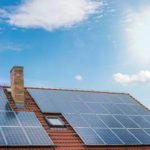
Solar photovoltaic (PV) systems are arguably the most recognizable and popular method for homeowners looking to make electricity at home. They convert sunlight directly into usable electricity. When Solar Shines Brightest:
Your property needs at least four hours of peak sunlight daily to make solar a truly efficient option. Tools like online peak sunlight maps can help you gauge your area’s potential. Crucially, ensure the areas where panels would be placed, typically your roof or a ground mount, are unshaded throughout the day. Getting Started with Solar:
Schedule a consultation with a reputable solar power company. They’ll assess your roof’s slope, direction (south-facing is often ideal in the northern hemisphere), and overall sun exposure to recommend the most efficient setup. Understanding Panel Types:
Monocrystalline: These are the sleekest, most efficient (around 20%), and take up the least space, but they come with the highest price tag.
Polycrystalline: A more budget-friendly option, offering about 16% efficiency. However, they can be less effective in very high temperatures due to lower heat tolerance.
Thin Film: The most flexible and cheapest panels, but also the least efficient (7-13%) and require the most space to generate the same amount of power. Financials and Installation Insights:
Upfront costs for a full solar installation can range from $15,000 to $20,000, depending on your home’s size and wattage needs. Many companies offer financing options to pay over time. Even if your budget is tight, starting with a few single panels can be a viable entry point. Always check with your electric provider for potential rebates, incentives, or net metering programs, which allow you to sell excess electricity back to the grid.
Installation involves mounting panels and connecting them to inverters. Panels produce DC (direct current) power, which inverters convert into AC (alternating current) power—the standard for home appliances. Professional installation ensures safety and optimal performance.
Riding the Wind: Small Wind Systems
For properties with consistent breezes, a small wind turbine can be an excellent way to make electricity at home. These systems convert the kinetic energy of wind into mechanical power, which then drives a generator. Is Your Property Windy Enough?
Wind systems are ideal if your area consistently experiences average wind speeds of 14 mph (23 km/h) or more. Wind speeds generally increase with height, so a taller tower can capture more energy. Hiring a professional to conduct a detailed wind assessment of your property is crucial for accuracy. Navigating Regulations:
Before dreaming of a turbine, check local zoning restrictions. Many municipalities have height limits, often around 35 ft (11 m). Additionally, a common guideline suggests the turbine needs to be at least 30 ft (9.1 m) higher than any structure within a 500 ft (150 m) radius to minimize interference and capture clean wind. Sizing Your Wind System:
To determine the minimum rotor diameter (D) needed in feet, you can use the formula:
Annual Energy Output (AEO in kWh/year) = (0.01328)D²V³, where V is the annual average wind speed in mph.
Example: If your home needs 11,000 kWh/year and your average wind speed is 20 mph, the calculation would look like: 11,000 = (0.01328)D²(20)³. Solving for D, you’d find you need a rotor diameter of approximately 10 ft (3.0 m). Costs to Consider:
Expect to spend around $5,120 per kilowatt of generating capacity. This upfront investment covers the turbine, tower, inverter, and installation.
Turning Waste into Watts: Biomass & Biogas Systems
If your property generates significant organic waste, biomass or biogas systems offer an innovative and sustainable path to make electricity at home. These systems transform waste into energy, often producing heat, cooling, or cooking fuel as well. Ideal Conditions:
These systems are particularly suitable for homes or farms that produce a steady supply of organic waste, such as wood chips, timber offcuts, paper, old crops, sewage, or animal manure. Biogas systems, specifically, thrive on manure, making them highly effective for agricultural settings. The Energy Conversion Process:
Biomass systems generally involve burning organic materials directly for heat or to generate steam for electricity. Biogas systems, on the other hand, use anaerobic digestion to break down organic matter in the absence of oxygen, producing a methane-rich biogas. This gas can then be burned to generate electricity, heat, or even power vehicles. Burning methane in a controlled biogas system is environmentally preferable to letting it release directly into the atmosphere, where it acts as a potent greenhouse gas. Installation and Costs:
Biogas systems often involve partially underground digesters that collect waste and capture the off-gases. Due to the variability in land size, waste streams, and specific needs, a professional assessment is highly recommended. These systems are typically costliest upfront, ranging from $3,000 to $4,000 per kilowatt, with biogas systems sometimes slightly higher but within the same range. However, they boast relatively low ongoing maintenance costs.
Flowing Power: Micro-Hydro Systems
For properties blessed with a natural, consistent stream, a micro-hydro system can provide highly reliable and continuous power. It’s one of the most consistent renewable sources, turning the force of flowing water into electricity. Prerequisites for Hydropower:
The absolute requirement is an existing stream on your property with a consistent, year-round water flow. Intermittent streams won’t suffice. Professional Assessment is Crucial:
You’ll need to hire a professional, perhaps through your local Department of Energy, to meticulously inspect your stream. They will measure two key factors:
“Head”: The vertical distance the water falls. A greater head means more pressure and potential energy.
“Flow”: The quantity of water moving through the stream, typically measured in gallons per minute or cubic feet per second. A consistent, ample flow is essential. Permitting and Water Rights:
Before any installation, prepare for permitting. You’ll need to obtain necessary permits from your county and thoroughly investigate water rights in your area. This includes understanding potential environmental impacts on native aquatic species and ensuring your system doesn’t disrupt natural ecosystems. Sizing Your System and Costs:
To determine the right system size, consult your electric company for your average monthly usage. You’ll want a micro-hydro system that outputs slightly more watts than your typical consumption to ensure adequate supply. While expensive upfront, costing around $1,500-$2,000 per kilowatt, these systems are incredibly durable and can last for decades with minimal maintenance. Reducing your overall energy consumption can lower the required kilowatt output, thus cutting installation costs.
Beyond the Primary Source: Generators as Backup
While renewable energy systems provide incredible independence, they can be intermittent. The sun doesn’t always shine, the wind doesn’t always blow, and streams can fluctuate. This is where a reliable backup generator becomes indispensable, especially for those who want to reliably make electricity at home regardless of conditions. Purpose, Not Primary:
It’s crucial to remember that generators are designed as backup systems, not primary power sources. They kick in when your main solar, wind, or hydro system can’t meet demand or during outages. Types and Characteristics:
Portable Generators: Generally cheaper and can be moved. They’re good for temporary needs.
Permanent Standby Generators: More expensive, these are hardwired into your home’s electrical system and often start automatically when an outage is detected.
Fuel Types: Diesel and biodiesel options are common. While diesel generators are slightly more expensive than gasoline ones, they are typically more fuel-efficient.
Trade-offs: Generators are relatively simple to maintain, but they can be noisy and fuel costs can add up if used frequently. Costs and Efficiency:
Expect to spend anywhere from $3,000 to $10,000 for a generator, depending on its size and features. Regarding efficiency, a gasoline generator typically produces about 3.5 kWh per gallon of fuel, operating at roughly 10% efficiency. This translates to a cost per kWh that can be significantly higher than utility power and carries a substantial carbon footprint. Propane and diesel generators generally offer better fuel efficiency and a smaller carbon footprint due to their fuel composition and often higher operational efficiency.
Making the Leap to Energy Independence: Off-Grid Insights
Living entirely off the grid, or even just reducing your grid reliance, demands a different mindset and a deeper understanding of your home’s energy ecosystem. When you make electricity at home, you become your own utility company.
Getting Started: Know Your System
If you’re buying a property with an existing system, demand a complete walkthrough from the previous owner or builder. Understand every component: solar panels, wind turbines, battery banks, inverters, and the generator. Learn how to monitor power levels, operate the generator (start, stop, refuel), and ask about its maintenance history and costs. Stock up on essential spares like fuses, light bulbs, and backup fuel (propane, gasoline, diesel). Beyond the tech, prepare for power outages with non-electric cooking methods, flashlights, and blankets – just in case.
Coping with Intermittent Power
Renewable energy isn’t always constant. Solar panels produce less on cloudy days, wind turbines slow on calm days, and stream flows can vary seasonally.
Battery Management: Regularly monitor battery levels to prevent complete drainage, which can severely damage them and shorten their lifespan. Know how long your batteries can power critical loads. If outages are frequent or your needs grow, upgrading to a larger battery bank (lithium-ion offers better longevity and less maintenance than lead-acid, though at a higher cost) might be necessary.
Appliance Use: Plan the use of high-power appliances like dishwashers, washing machines, or electric heaters for times when your renewable energy generation is abundant (e.g., peak sun hours for solar, windy periods for wind).
Backup Fuel: Always maintain a sufficient supply of backup fuel for your generator.
System Expansion: If you find yourself frequently relying on your generator, consider expanding your primary renewable sources with more solar panels (perhaps with trackers for optimal sun capture) or a larger, more efficient wind turbine matched to your average wind speeds.
Expanding Your System as Needs Grow
As your energy consumption habits evolve or your system ages, you might consider upgrades:
More Solar: Add extra panels, perhaps fixed or with sun-tracking capabilities.
Better Wind: Invest in a larger, higher-quality wind turbine optimized for your local wind speeds.
Battery Upgrade: Switch to a larger, more advanced battery bank. Lithium-ion batteries offer superior performance and lifespan, despite higher upfront costs and less maintenance. Lead-acid is cheaper but demands more regular attention.
Generator Power: Acquire a larger or more fuel-efficient generator, potentially a dual-fuel model that can run on propane or natural gas.
Micro-Hydro Integration: If a suitable water source becomes available, integrate a small-scale hydropower system for consistent baseline power.
Community Projects: Explore local community solar or wind projects if they offer a way to supplement your own generation without large-scale on-site installation.
The True Cost of Going Renewable
While the energy itself is free, the equipment needed to make electricity at home through renewable sources requires a significant upfront investment. Generally, this makes it more expensive than relying solely on utility electricity, at least initially.
For example, a system from 2008 with a 1 kW solar array (with tracker), a 1 kW wind generator, a 4 kW inverter/charger, and a battery bank (designed for a one-day reserve) cost approximately $26,950 for materials alone. This system generated about 487 kWh per month—less than the average US home usage of 920 kWh/month in 2006. Over a 20-year lifespan, this prorated to about $0.23/kWh, more than twice the average utility cost at that time. While technology has advanced and costs have changed, this illustrates that the “free” energy comes after a substantial capital outlay.
Weighing Your Options: Pros and Cons
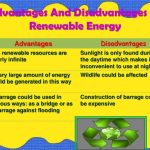
Deciding to make electricity at home using renewable energy is a significant decision. Here’s a balanced look at the advantages and key considerations: Advantages:
Energy Independence: You’re less vulnerable to grid outages and rising utility prices.
Reduced Electricity Bills: While initial costs are high, you significantly cut or eliminate monthly energy expenses over time.
Sustainability: You reduce your carbon footprint and contribute to a cleaner environment.
Resilience: Your home is better prepared for power disruptions.
Control: You have direct control over your electricity supply and consumption. Key Considerations:
Technical Knowledge: Operating and maintaining your system requires a degree of technical understanding.
Lifestyle Adjustments: You may need to adapt your energy consumption habits to match renewable output (e.g., doing laundry on sunny days).
DIY Maintenance: Some basic maintenance will likely fall to you.
High Upfront Costs: The initial investment for equipment can be substantial.
Intermittent Power: You must be prepared for fluctuations in power generation, especially without adequate battery storage or a backup generator.
Your Questions Answered: Renewable Home Energy FAQs
Q: Can I run all my standard appliances off a home renewable energy system?
A: Yes, absolutely. If your system is adequately sized to meet your peak power demands and includes sufficient battery storage and an inverter, it can power all standard home appliances. For high-power appliances like electric ovens or clothes dryers, it’s often best to run them when your renewable generation is at its peak. Q: Does generating my own electricity truly save me money?
A: Over the long term, yes. While the initial equipment costs are high, once installed, the “fuel” (sun, wind, water) is free. This eliminates your monthly electricity bills or drastically reduces them, leading to significant savings over the system’s lifespan. Factors like local incentives and net metering can further enhance the financial benefits. Q: How do I get internet access if I’m off-grid or heavily reliant on home generation?
A: Internet access is still readily available. Options include satellite internet providers, rural wireless providers specializing in remote areas, or leveraging cellular data plans with hot spots or dedicated devices. Q: How much maintenance do these systems require?
A: Most modern renewable energy systems are designed to be largely automated. However, they do require some regular maintenance. For solar, this means occasional panel cleaning. Batteries, especially lead-acid types, need regular checks and maintenance. Wind turbines may need periodic inspections. It’s essential to learn the basics of your system, and professionals are always available for more complex issues or scheduled servicing.
Charting Your Course to Home-Generated Power
Deciding how you can make electricity at home using renewable energy is a highly personal journey driven by your property’s unique resources, your budget, and your energy goals. Start by honestly assessing your site’s potential for solar, wind, biomass, or micro-hydro. Then, engage professionals for detailed evaluations and precise system sizing. Remember that while the upfront investment is significant, the long-term benefits of energy independence, reduced bills, and environmental stewardship are substantial. With careful planning, a suitable system, and a mindful approach to energy consumption, your dream of generating your own power is well within reach.
I am a writer who loves renewable energy, with a focus on sustainable living, renewable energy, and eco-friendly innovation. With a passion for environmental awareness and a desire to explore the latest trends in green technology, corporate sustainability, and climate action. Through in-depth storytelling