Imagine a life where your electricity meter slows to a crawl, or even spins backward, because you’re generating every watt you consume yourself. This isn’t just a green fantasy; it’s a tangible reality for a growing number of homeowners who have figured out how to produce free electricity directly from their property. While “free” initially refers to the absence of utility bills once the system is in place, the journey to energy independence is an investment in self-sufficiency, sustainability, and ultimately, significant long-term savings.
This article dives deep into the practicalities of generating your own power, moving you from curiosity to concrete action. We’ll explore the most viable technologies, assess what conditions you need, and guide you through the decision-making process to help you choose the best fit for your home and lifestyle.
Diverse Options: Explore solar, wind, biomass/biogas, micro-hydro, and backup generators to find your best fit.
Site-Specific Conditions: Understand that each method has unique property requirements, from sunlight and wind speed to water flow and available waste.
Upfront Investment, Long-Term Savings: Recognize that while initial costs exist, these systems significantly reduce or eliminate monthly electricity bills.
Professional Assessment is Crucial: Accurate data on your property’s potential is essential for efficient and effective system design.
Permits & Incentives: Factor in local regulations and leverage financial incentives like rebates and tax credits.
Beyond the Grid Dream: Understanding What “Free” Really Means
When we talk about how to produce free electricity, it’s important to set realistic expectations. “Free” isn’t about zero cost from day one. It refers to the cost of running the system and the energy it generates once the initial setup investment has been made. Think of it like buying a car versus paying for gas: once the car is yours, the fuel you put in is a recurring expense, but the car itself is an asset. With home electricity generation, your “fuel” (sun, wind, water, waste) often becomes free after system installation.
The goal is to eliminate or drastically reduce your monthly utility bill, freeing up that money for other things, and gaining true energy independence. This shift from consumer to producer empowers you not just economically, but also environmentally, by reducing your reliance on fossil fuels.
Your Property’s Potential: Deciding on the Right System
Choosing the right electricity generation method hinges entirely on your property’s unique characteristics and your local environment. What works wonders for a rural farm might be impractical for a suburban home. Let’s break down the primary options.
Solar Panels: Tapping into the Sun’s Bounty
Solar power is often the first thing people consider when thinking about how to produce free electricity. It’s clean, quiet, and increasingly efficient.
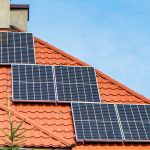
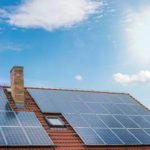
The Ideal Scenario: Your property should ideally receive at least four hours of peak sunlight daily, with large, unshaded areas—typically on a south-facing roof or an open ground space. Shading from trees or neighboring buildings significantly reduces efficiency.
Actionable Insights for Sunny Prospects: Start by checking online peak sunlight maps for your region to gauge average solar irradiance. Next, contact several reputable solar power companies. They will conduct a detailed site assessment, evaluating your roof’s slope, direction, and structural integrity, or identifying suitable ground-mount locations. Crucially, inquire about financing options, federal tax credits, and any state or local rebates or incentives from your electric provider (like Net Metering, which allows you to sell excess power back to the grid).
Types of Solar Panels:
Monocrystalline: These are the most efficient (~20%), saving space but also being the most expensive. They have a sleek, uniform appearance.
Polycrystalline: Slightly less efficient (~16%) but more affordable. They are recognized by their speckled, blue appearance and have a lower tolerance for high heat.
Thin-Film: The cheapest and most flexible, these are also the least efficient (7-13%) and require the most space. They can be good for unique applications or curved surfaces.
Installation Basics: Installation involves securing a mounting system to your roof or a ground-based rack. Panels are then attached, and inverters convert the direct current (DC) electricity generated by the panels into alternating current (AC) suitable for your home’s electrical system. While some DIY is possible for off-grid systems, professional installation is standard for grid-tied residential setups, ensuring safety, efficiency, and compliance.
Cost & Returns: Expect an upfront cost in the range of $15,000 to $20,000, with an average around $20,000 for a typical residential system before incentives. The good news is that any extra electricity generated, beyond your home’s needs, can often be sold back to the electric company through net metering programs, further offsetting your initial investment. Mini-Case: The Urban Rooftop Warrior
Sarah, living in a sunny suburban home, invested $18,000 in a monocrystalline solar array. With net metering, her average electricity bill went from $150 to a credit of $20 most months. She expects to break even in about 8 years, after which her power truly becomes “free” from the utility.
Small Wind Systems: Harnessing the Invisible Current
Wind power is a powerful option for generating electricity, especially in open, windy locations.
The Necessary Conditions: First, check local zoning ordinances rigorously for height restrictions; many communities limit structures to around 35 feet (11 meters). For optimal performance, a turbine typically needs to be at least 30 feet (9.1 meters) higher than any structure within a 500-foot (150-meter) radius to catch clean, unobstructed wind. Most critically, your property needs an average wind speed of 14 mph (23 km/h) or more.
Actionable Insights for Breezy Homes: Consult your local building inspector or homeowner’s association early in the process. Use online wind speed maps or look at data from nearby airports (which measure wind at about 30 feet/9.1 meters above ground) to get a preliminary idea. However, hire a professional wind energy assessor to accurately measure your property’s specific wind speed at potential turbine heights and evaluate overall efficiency.
Calculating Your Needs: A useful formula to estimate annual energy output (AEO) in kWh/year is AEO = (0.01328)D²V³, where D is the turbine blade diameter in feet, and V is the annual average wind speed in mph. For instance, if you need 11,000 kWh/year and have an average wind speed of 20 mph, you’d require a turbine with roughly a 10-foot (3.0-meter) blade diameter. This calculation helps you size the right system.
Cost Considerations: Small wind systems typically cost around $5,120 per kilowatt of generating capacity needed. This upfront cost covers the turbine, tower, inverter, and installation. Mini-Case: The Rural Homestead Advantage
The Millers, on their windy Kansas farm, faced high electricity bills. After a professional assessment confirmed a consistent 16 mph average wind speed, they installed a 5kW wind turbine for $25,600. It now supplies over 90% of their electricity, even with their existing solar setup.
Biomass or Biogas: Turning Waste into Watts
For properties that generate significant organic waste, biomass or biogas systems offer a unique and sustainable way to produce free electricity or thermal energy.
The Right Conditions: The primary condition here is a consistent supply of suitable organic waste material on your property. This method is especially viable for farms, properties with extensive landscaping, or those committed to extensive composting.
Suitable Materials:
Biomass: This includes wood chips, timber offcuts, paper products, old crops, sewage, and general animal manure. These are typically burned directly or processed into fuel.
Biogas: Primarily derived from anaerobic digestion of animal waste (making it ideal for farms) or other organic matter. This process produces methane.
The Process: In a biomass system, materials are directly burned in a controlled manner to produce heat, which can then be converted into electricity. For biogas, anaerobic digestion produces a methane-rich gas. This gas can be directly used for heating, cooling, and cooking. Critically, burning the methane in a biogas system is environmentally preferable to simply releasing it into the atmosphere, as methane is a potent greenhouse gas. The combustion process converts it into less harmful carbon dioxide.
Installation Considerations: A biogas system typically involves installing a partially underground digester that collects waste materials. The off-gas (biogas) produced is then captured and burned to generate power or heat. Given the complexities of gas production and handling, professional consultation is highly recommended to correctly size the system, ensure safety, and estimate installation costs.
Cost & Maintenance: Expect to spend $3,000 to $4,000 per kilowatt of capacity. These systems have relatively high upfront costs but are known for their low long-term maintenance needs. Biogas systems might be slightly more expensive due to the digester components, but generally fall within the same range. Mini-Case: The Sustainable Farm Solution
A dairy farm owner, struggling with manure disposal, installed a biogas digester for $35,000. It now converts thousands of pounds of animal waste into methane, which fuels a generator providing most of the farm’s electricity and hot water, turning a waste problem into an energy solution.
Micro-Hydro System: The Power of Flowing Water
If your property boasts a natural stream with consistent flow and a significant drop in elevation, a micro-hydro system could be your ticket to highly efficient and continuous power generation.
The Essential Conditions: The absolute prerequisite is an existing stream or river with reliable water flow on your property. Without it, this option is simply not viable.
Actionable Insights for Water Rights: Your first step is to hire a professional hydrologist or engineer. They will accurately measure the “head” (the vertical distance the water falls) and the “flow” (the quantity of water moving past a point per unit of time). Both measurements are critical for sizing the system. Equally important, you’ll need to research and obtain any necessary permits from your county or state, and understand your water rights, as these can be complex. You must also consider the environmental impact on native aquatic species and habitat.
System Selection Strategy: Choose a system designed to generate slightly more watts than your average monthly consumption. Check your past utility bills or contact your electric company for your average monthly kilowatt-hour (kWh) usage to guide this decision.
Cost & Longevity: Micro-hydro systems typically cost $1,500 to $2,000 per kilowatt. While the upfront costs are a significant investment, these systems are renowned for their incredible longevity and very low maintenance needs, often operating efficiently for decades. Reducing your overall energy consumption can also lower the required system size and, consequently, the upfront cost. Mini-Case: The Riverside Retreat’s Secret
John’s remote cabin, situated next to a year-round mountain stream with a 20-foot drop, seemed like a perfect fit. After securing permits and investing $10,000 in a micro-hydro turbine, he now enjoys consistent, silent electricity, completely off-grid, with virtually no ongoing energy costs.
Backup Generators: Powering Through Interruptions (Not Primary Free Power)
While not a method to produce free electricity as a primary source, generators are crucial for ensuring continuity during outages and are often considered part of a robust home energy strategy.
Primary Purpose: It’s vital to understand that generators are primarily for backup electricity, not for continuous, main power generation. Running a generator as your sole power source is expensive due to fuel costs and often impractical.
Types Available: The most common types for residential use are diesel or biodiesel generators. These come in both portable (smaller, movable) and permanent (larger, installed outside, automatically kicking in during outages) configurations.
Key Characteristics: Generators are generally simple to maintain, requiring regular oil changes and fuel top-ups. However, they can be noisy when operating, and fuel costs add up quickly if used frequently. Diesel generators are typically more fuel-efficient than gasoline-powered options, making them a better choice for longer backup durations.
Cost Range: The cost for a generator can range from $3,000 for a basic portable unit up to $10,000 or more for a large, permanently installed system capable of powering an entire home. The final price varies significantly based on size, fuel type, and installation requirements.
Navigating the Path to Energy Independence: Practical Steps & Considerations
Making the leap to generate your own power involves more than just picking a technology; it requires careful planning and execution.
Initial Feasibility Check: Matching Your Property to the Tech
Before you even think about quotes, do a quick self-assessment.
Sun: Do you have large, unshaded, south-facing areas?
Wind: Is your property open, away from tall obstructions, with noticeable strong breezes?
Water: Do you have a year-round stream with a good vertical drop?
Waste: Do you generate a significant amount of organic waste (especially if you’re a farmer)?
This preliminary check will quickly narrow down your most viable options for how to produce free electricity.
Permitting & Regulations: Don’t Skip This Step
Local building codes, zoning ordinances, and environmental regulations can significantly impact your project. What might be allowed in a rural area could be strictly prohibited in a suburban neighborhood. Always consult your local planning department and homeowners’ association (if applicable) early. Failing to secure the right permits can lead to costly delays, fines, or even forced removal of your system. This also applies to water rights for micro-hydro systems, which can be complex legal issues. For a broader look at Generate free home power, including regulatory considerations, understanding these foundational steps is key.
Professional Assessment is Key: Accuracy Over Assumption
While online maps and general information are a great starting point, nothing beats a professional site assessment. A solar company can determine your roof’s load-bearing capacity and sun exposure; a wind expert can precisely measure wind speeds at proposed turbine heights; a hydrologist can measure head and flow; and a biogas specialist can assess waste streams and digester sizing. These experts provide the precise data needed to design an efficient system that truly meets your needs, avoiding costly mistakes later on.
Financial Planning: Beyond the Upfront Cost
Generating your own electricity is an investment. While the upfront costs can be substantial, focus on the long-term return.
Incentives: Actively seek out federal tax credits (like the Investment Tax Credit for solar), state rebates, and local programs. These can significantly reduce your net cost.
Net Metering: If available, this allows you to sell excess power back to the grid, earning credits or direct payments that accelerate your payback period.
Payback Period: Calculate how long it will take for your electricity bill savings to equal your initial investment. For solar, this might be 5-10 years; for hydro, it could be longer but with decades of nearly free power.
Real-World Scenarios: Choosing Your Path
To help solidify your decision, here’s a quick guide based on common property types:
Suburban Home with Unshaded Roof: Solar panels are likely your strongest candidate. They are aesthetically acceptable in most neighborhoods and require no additional land beyond your roof.
Rural Property with Open Land and Consistent Breeze: A small wind system becomes highly attractive. Combined with solar, it can provide excellent year-round power, especially if wind is strong when sun is weak.
Farm or Homestead with Livestock: Biomass or biogas systems offer a dual benefit, turning waste into energy while managing manure or organic refuse.
Property Bordering a Flowing Stream: Micro-hydro is an incredibly efficient and consistent power source, offering reliable baseload power regardless of sun or wind.
Any Home Seeking Security: A diesel or biodiesel generator, while not a “free” power source, is an invaluable addition for backup power during grid outages, complementing any renewable system.
Quick Answers to Common Questions
Q: Is “free” really free with these systems, or are there hidden costs?
A: “Free” refers to the energy itself, post-installation. There are always initial investment costs, and ongoing, though typically low, maintenance expenses (e.g., occasional cleaning for solar panels, checks for wind turbines). The goal is to eliminate your utility bill and achieve a return on investment over time. Q: How long does it typically take to break even on my investment?
A: This varies widely by system, local electricity rates, and available incentives. Solar systems often have payback periods of 5-10 years. Wind and micro-hydro can be longer, but their operational lifespan is also typically much longer, leading to decades of “free” energy. Q: Can I combine different systems (e.g., solar and wind)?
A: Absolutely! This is often called a “hybrid system” and is highly effective. Combining solar (strongest in summer) with wind (often stronger in winter) can provide more consistent year-round power and greater energy independence, especially in off-grid scenarios. Q: What’s the biggest barrier to generating my own electricity?
A: The most significant barriers are typically the upfront capital investment, followed by suitable site conditions, and navigating local permitting and regulations. However, various financing options and incentives are designed to help overcome the cost hurdle.
Your Next Steps to Producing Your Own Power
Embarking on the journey to generate your own electricity is a significant and rewarding endeavor. It starts with understanding your property’s potential and your energy needs.
Assess Your Site: Take a critical look at your property’s sun exposure, wind patterns, water sources, and waste generation. This initial visual assessment will help you narrow down the most viable technologies.
Research Local Regulations and Incentives: Before getting too deep, understand what’s permitted in your area and what financial support (rebates, tax credits, net metering) is available. This can dramatically impact your project’s feasibility and cost.
Get Professional Assessments and Quotes: This is the most crucial step. Contact specialists for your preferred technology (solar installers, wind energy experts, hydrologists, biogas consultants). They will provide accurate data, design suitable systems, and give you precise cost estimates.
Crunch the Numbers: Evaluate the upfront costs against potential savings, payback period, and your desire for energy independence. Don’t just look at the initial price; consider the long-term value.
By taking these deliberate steps, you’ll move closer to owning your energy production and enjoying the enduring benefits of truly free electricity from your own home.
I am a writer who loves renewable energy, with a focus on sustainable living, renewable energy, and eco-friendly innovation. With a passion for environmental awareness and a desire to explore the latest trends in green technology, corporate sustainability, and climate action. Through in-depth storytelling