For the bigger picture and full context, make sure you read our main guide on How To Generate Electricity At Home For Free and Cut Your Bills.
Navigating the world of off-grid living means taking charge of your energy future. The dream of self-sufficiency often begins with a fundamental question: how exactly do you power a home without relying on the utility grid? This guide dives deep into the 8 ways of generating electricity at home (and crucial non-electric energy sources) to help you build a robust, independent energy system that stands the test of time, even for remote homesteads.
Whether you’re looking to significantly slash your bills or fully disconnect, understanding these power generation methods is your first, most critical step.
At a Glance: Mastering Your Off-Grid Power Solutions
Diverse Options: Explore eight primary methods, from harnessing the sun and wind to leveraging earth’s heat and clever home design.
Beyond Electricity: Understand how vital non-electric energy sources like fire and water systems integrate into a holistic off-grid lifestyle.
System Synergy: Discover the power of hybrid systems for enhanced reliability and efficiency, combining different sources to mitigate intermittency.
Installation & Maintenance: Get a realistic overview of setup costs, ongoing maintenance, and the technical savvy required for each system.
Energy Mindset: Learn to adapt your consumption habits for optimal performance and longevity of your off-grid infrastructure.
Practical Steps: Gain actionable insights on getting started, troubleshooting, and expanding your system as your needs evolve.
Why Go Off-Grid? The Promise of Energy Independence
The appeal of off-grid living goes beyond just cutting monthly utility bills. It’s about environmental consciousness, resilience in the face of outages, and the profound independence that comes with generating your own energy. Imagine a home where your power isn’t dictated by distant infrastructure or fluctuating market prices. This self-reliance requires a foundational understanding of available power sources and how they fit into a cohesive home energy strategy. For a broader overview of starting your journey, you can also explore how to Generate free home power.
The Core 8: Generating and Sustaining Power at Home
Let’s break down the key strategies for powering your independent homestead, examining both direct electricity generation and essential energy support systems.
1. Solar Panels: Harnessing the Sun’s Abundance
Solar photovoltaic (PV) panels are arguably the most popular and accessible method for off-grid electricity generation. They convert sunlight directly into DC electricity, which can then be used immediately, stored in batteries, or converted to AC for household appliances.
How it Works: Panels (typically 12-18 for a 2000 sq ft home, providing around 4000 watts) capture solar energy. This DC power flows to an inverter, which converts it to usable AC power. Excess energy charges a battery bank for use when the sun isn’t shining.
Benefits: Relatively easy to install (especially rooftop arrays), clean, quiet, and low maintenance once set up. Their modular nature allows for scalable systems.
Considerations: High initial cost remains a significant barrier. Performance is directly tied to sunshine—meaning no power at night and reduced output on cloudy days. Portable systems exist but are typically for backup, not primary household power.
Practical Tip: Position panels for maximum sun exposure year-round, typically south-facing in the Northern Hemisphere. Regularly clean dust, snow, or debris to maintain efficiency.
2. Windmills: Powering Through Breezy Days and Nights
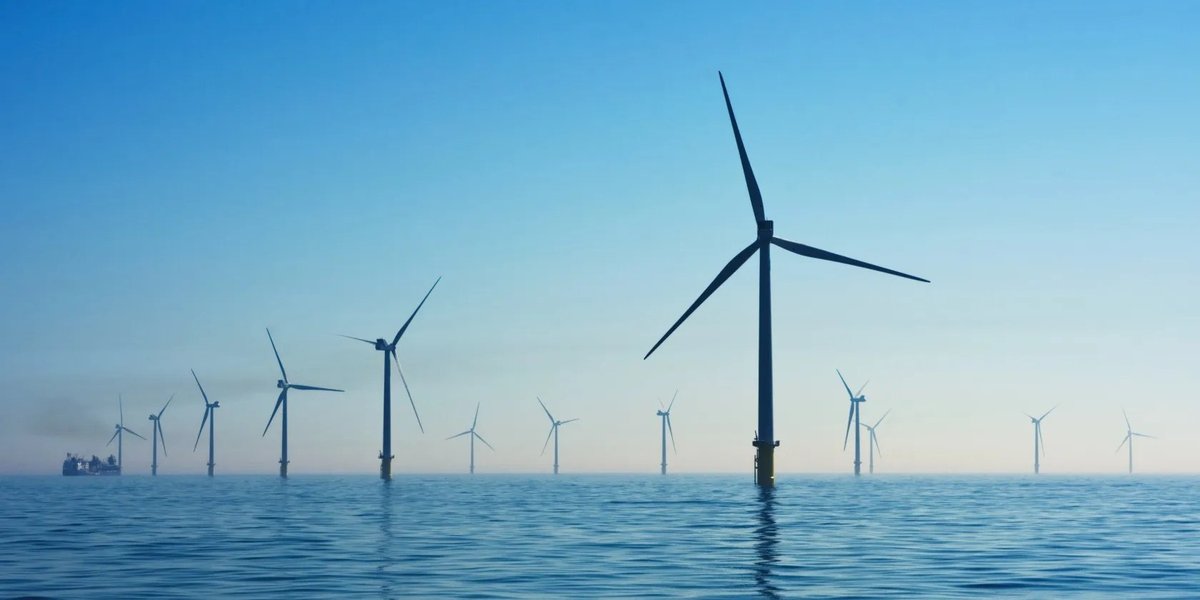
Wind turbines convert the kinetic energy of wind into electrical energy, offering a fantastic complement or alternative to solar power, especially in areas with consistent wind. Unlike solar, wind can generate power 24 hours a day, given adequate conditions.
How it Works: Wind turns the turbine’s blades, which spin a generator to produce electricity. This power can be fed into an inverter, directly used, or stored in batteries.
Benefits: Can generate power consistently, day or night, if wind is present. It’s a clean, renewable energy source.
Considerations: Requires a large land area with consistently strong wind, not just occasional breezes. Turbines typically need to be mounted on tall towers (100 feet or more) to access reliable wind speeds, which makes installation complex and space-intensive. A typical home might need a 10,000-watt turbine with a 23-foot rotor on a 100+ foot tower. Moving parts mean more maintenance than solar panels.
Practical Tip: Before investing, conduct a site assessment over several months to determine your average wind speed and identify any obstructions that could create turbulence.
3. Hydroelectric Power: Tapping into Flowing Water
For homes lucky enough to have access to a consistent, flowing water source like a stream or river, micro hydroelectric systems can provide a remarkably steady and reliable source of power.
How it Works: Water is diverted from a stream, flows down a pipe (penstock), and spins a turbine connected to a generator. The generated electricity is then regulated and supplied to the home or stored in batteries.
Benefits: Often more consistent than solar or wind, providing continuous power day and night, regardless of weather fluctuations (barring severe drought or freezing). It’s a highly efficient renewable source.
Considerations: High installation cost due to the civil engineering work (diversion, penstock, turbine setup) and specific site requirements. Requires regulatory permits in many areas, as it can impact local ecosystems.
Practical Tip: Ensure your water source has sufficient flow and ‘head’ (vertical drop) to generate meaningful power. Consult with local environmental agencies early in the planning process.
Geothermal energy taps into the constant heat radiating from the earth’s core, offering a highly efficient, renewable, and quiet power source. While more common in countries with high geological activity, geothermal heating and cooling systems are becoming more prevalent in the U.S. for homes. Large-scale electricity generation is less common for individual homes.
How it Works (Home Scale): For residential use, geothermal systems typically use ground-source heat pumps. These circulate fluid through underground pipes, transferring heat from the earth into the home during winter or from the home back into the earth during summer. This significantly reduces the electricity needed for HVAC.
Benefits: Extremely efficient for heating and cooling, dramatically cutting energy consumption. It’s renewable, quiet, and has a minimal environmental footprint.
Considerations: High upfront professional installation cost due to the extensive drilling or trenching required for the ground loop system. While excellent for climate control, it does not directly generate electricity for other household needs like lighting or appliances in the same way solar or wind does.
Practical Tip: While not a direct electricity generator, consider a geothermal heat pump system as a primary strategy for reducing your electricity demand for heating and cooling, thus making your off-grid electrical system smaller and more manageable.
5. Passive Living: Designing for Energy Reduction
Passive living isn’t about generating electricity, but about minimizing the need for it. This approach focuses on intelligent home design and material choices to naturally regulate indoor temperatures and maximize natural light, dramatically reducing energy consumption for heating, cooling, and lighting.
How it Works: Strategic placement of windows (e.g., protecting south-facing windows in summer, harnessing winter sun for heat), optimized insulation in walls, floors, and roofs, thoughtful landscaping (trees for shade), and even roof color (dark for heat absorption, light for reflection) all contribute.
Benefits: Reduces the size and cost of your active power generation system. It creates a more comfortable and resilient living space, less dependent on external energy inputs.
Considerations: Best implemented during initial home design or major renovations. Retrofitting can be more challenging and costly. Requires a deep understanding of local climate and solar paths.
Practical Tip: Prioritize super-insulation and airtight construction. Use high-performance windows with appropriate shading. Orient your home to take advantage of natural light and passive solar gain in winter while minimizing unwanted heat gain in summer.
6. Fire: An Ancient, Indispensable Energy Source
Like passive living, fire doesn’t generate electricity, but it’s an absolutely essential, direct source of heat and cooking energy for off-grid living, reducing the load on your electrical system.
How it Works: Wood-burning stoves provide efficient indoor heating, can be used for cooking, and even for drying clothes. Outdoor fire pits are versatile for cooking, boiling water, and warmth.
Benefits: Provides robust, reliable heat and cooking capabilities independent of electricity. Wood fuel can often be sourced locally, offering a sustainable option.
Considerations: Requires a steady supply of firewood, proper ventilation, and chimney maintenance. Emits particulate matter and smoke, requiring responsible management.
Practical Tip: Install a high-efficiency wood-burning stove with a catalytic converter for cleaner burns. Ensure you have a covered, dry place to store seasoned firewood. Learn safe fire starting and management techniques.
7. Well Water / Grey Water Systems: Mastering Your Water Cycle
While not electricity generation, an off-grid home must also address its water needs. Secure water sources and efficient water management systems are as critical as electricity for true self-sufficiency.
How it Works:
Well Water: A private well provides safe drinking water, often requiring an electric pump (which your off-grid electrical system must power) to bring water to the surface and into the home.
Grey Water Systems: Collects runoff from sinks, showers, and laundry (not toilets) for reuse in irrigation, toilet flushing, or other non-potable uses, dramatically reducing overall water consumption.
Benefits: Provides independence from municipal water supplies. Grey water systems conserve precious resources and reduce wastewater discharge.
Considerations: Well installation is a significant upfront cost and requires regular testing for potability. Grey water systems need careful design to prevent health hazards and comply with local regulations. The electrical load for a well pump must be factored into your power budget.
Practical Tip: Prioritize a robust well system for potable water. Design a simple grey water system for outdoor irrigation to conserve well water, using gravity where possible to minimize pump reliance.
8. Hybrid Systems: The Smart Path to Reliability
A hybrid system combines two or more power generation methods, most commonly solar and wind. This approach offers superior resilience and reliability compared to relying on a single source, which is often the best solution for off-grid homes.
How it Works: Solar panels generate power during sunny days, while wind turbines pick up the slack on cloudy days or at night when wind speeds are adequate. Both feed into a common battery bank via charge controllers and an inverter.
Benefits: Addresses the intermittency of individual sources (e.g., no sun at night, no wind on still days). This leads to a more consistent power supply and often allows for a smaller overall battery bank or fewer components compared to overbuilding a single-source system.
Considerations: Higher initial complexity and potentially higher upfront cost than a single source, as it involves integrating different technologies. However, the long-term reliability often outweighs this.
Practical Tip: Start with a dominant source (e.g., solar) and add a secondary source (e.g., a small wind turbine) to complement it. Ensure your charge controllers and inverter are compatible with both input types and can handle the combined output.
Building Your Off-Grid Power Playbook
Transitioning to self-sufficient power demands careful planning, a bit of technical understanding, and a willingness to adapt.
Getting Started with Your System
When taking over an existing off-grid home or designing a new one, a thorough understanding of your system is paramount.
System Walkthrough: If possible, get a comprehensive walkthrough from the previous owner or installer. Understand how the solar panels, wind turbines, batteries, and inverters are connected and function together.
Monitor Power Levels: Learn to read and understand your system’s monitoring displays, paying close attention to battery state of charge, incoming power, and current load.
Backup Generator Protocol: Familiarize yourself with your backup generator’s operation—starting, stopping, and refueling. Always have spare fuel (propane, gasoline) on hand.
Maintenance History: Inquire about maintenance schedules and costs for all components. Keep spare fuses, light bulbs, and other small consumables.
Emergency Preparedness: Beyond the generator, prepare for unexpected outages with flashlights, battery-powered lamps, extra blankets, and non-electric cooking methods.
Coping with Intermittent Power (The Off-Grid Reality)
No off-grid system provides perfectly consistent power without careful management.
Battery Management: Regularly monitor battery levels to prevent deep discharges, which can significantly shorten battery lifespan. Know how long your batteries can power critical loads.
Load Shifting: Run high-power appliances (e.g., washing machine, vacuum) during peak generation times—sunny afternoons for solar, windy periods for wind.
Efficient Lighting: Rely on battery-powered LED lights and lanterns during periods of low generation or outages.
Fuel Reserves: Maintain a substantial supply of fuel for your backup generator, recognizing its role as your critical safety net.
Expand if Needed: If you find yourself frequently relying on the generator or experiencing power shortfalls, consider adding more solar panels, wind capacity, or expanding your battery bank.
Energy-Saving Mindset: Cultivate an awareness of your energy usage. Turn off lights, moderate thermostat settings, and unplug “phantom load” devices when not in use. This isn’t just about saving money; it’s about system longevity.
Expanding Your System for Future Needs
As your needs grow or your budget allows, scaling up your off-grid infrastructure is often possible.
Increase Generation: Add more solar panels (fixed or tracked arrays offer different efficiencies) or install a larger, higher-quality wind turbine.
Boost Storage: Upgrade to a larger battery bank. While lead-acid batteries are cheaper, they demand more maintenance (watering, equalization) than newer lithium-ion alternatives.
Upgrade Backup: Consider a larger or dual-fuel generator (propane/natural gas) for increased reliability and fuel flexibility.
Diversify Sources: If a consistent flowing water source is available, a small-scale hydropower system can offer a significant capacity boost and improved overall resilience, especially when combined with existing solar or wind.
Community Options: In some regions, community solar or wind projects might offer opportunities to augment your personal system without direct installation on your property.
Costs, Considerations, and the True “Free” Power
While off-grid living provides free energy in the sense of no monthly utility bill, it comes with substantial upfront costs and ongoing commitments.
Initial Investment: A comprehensive off-grid system—including a 1 kW solar array, a dual-axis tracker, a 1 kW wind generator, a 4 kW inverter/charger, and a 1-day battery reserve—cost roughly $26,950 in 2008. Adjusting for inflation, modern systems can be significantly more expensive.
Long-Term Cost: When prorated over a 20-year lifespan, the cost per kW-hour of self-generated off-grid power can be higher than average utility rates (e.g., $0.23/kW-hour compared to an average utility cost of $0.10-$0.15/kW-hour). This highlights that “free” refers to recurring bills, not the absence of cost.
Backup Generators: Gasoline generators produce about 3.5 kW-hours per gallon, running at roughly 10% efficiency. This translates to about $1.00 per kW-hour (2008 pricing), and their carbon footprint can be three times larger than a coal-fired power plant. Propane and diesel alternatives offer slightly better efficiency and reduced emissions.
Demands of Off-Grid Living: Achieving energy independence requires:
Technical Knowledge: Understanding your systems.
Lifestyle Adjustments: Mindful energy consumption.
DIY Maintenance Ability: Being able to troubleshoot and perform routine tasks.
Adaptability: Being comfortable with intermittent power and managing resources.
Your Path to Self-Sufficient Living
Embracing the 8 ways of generating electricity at home (and managing associated energy needs) for off-grid living is a journey of empowerment and responsibility. It demands a different relationship with energy—one of careful stewardship and proactive management. Start by assessing your location’s resources: abundant sun, consistent wind, or flowing water. Then, critically evaluate your energy needs and commit to a lifestyle that respects the limitations and capabilities of your chosen power sources.
The rewards—freedom from utilities, a reduced environmental footprint, and the satisfaction of true independence—are well worth the effort. By intelligently combining diverse power generation methods, implementing passive design principles, and mastering your water and heating solutions, you can build a resilient, comfortable, and truly self-sufficient home.
I am a writer who loves renewable energy, with a focus on sustainable living, renewable energy, and eco-friendly innovation. With a passion for environmental awareness and a desire to explore the latest trends in green technology, corporate sustainability, and climate action. Through in-depth storytelling