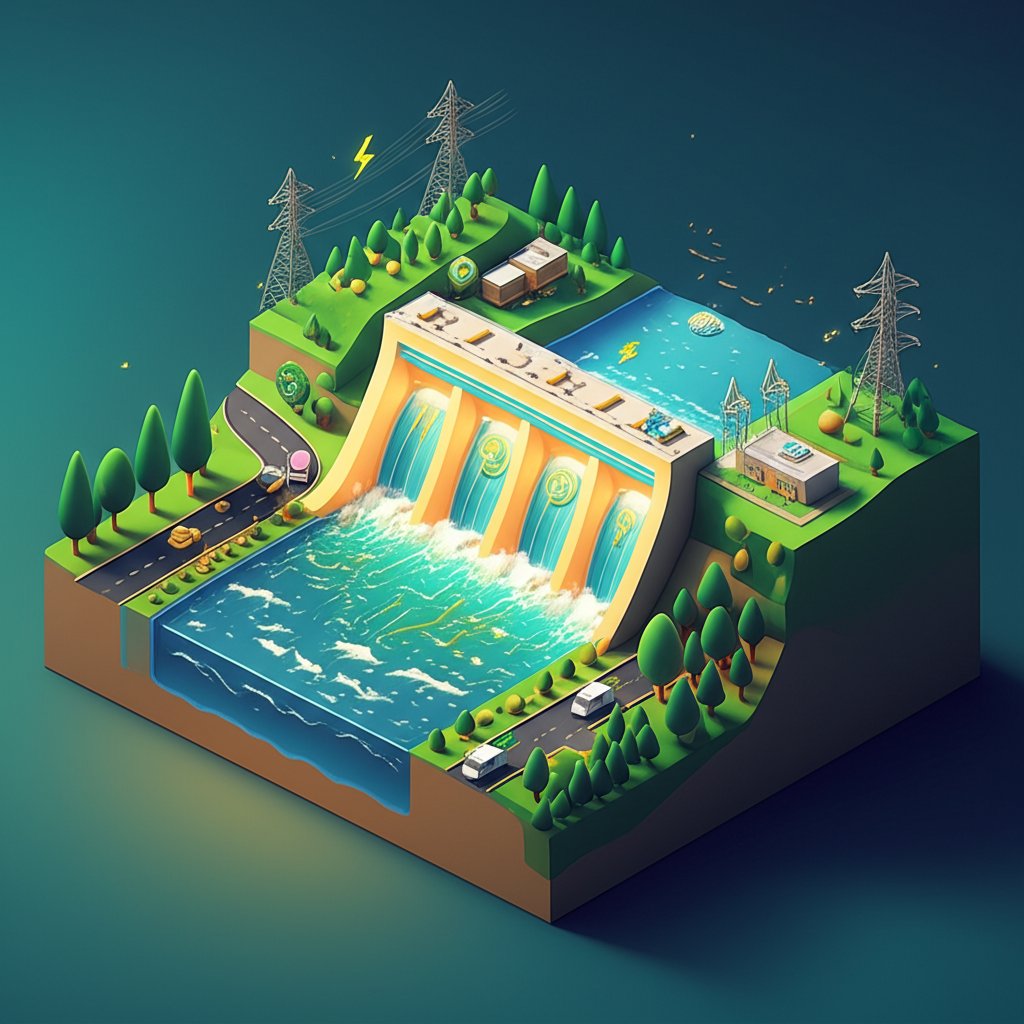
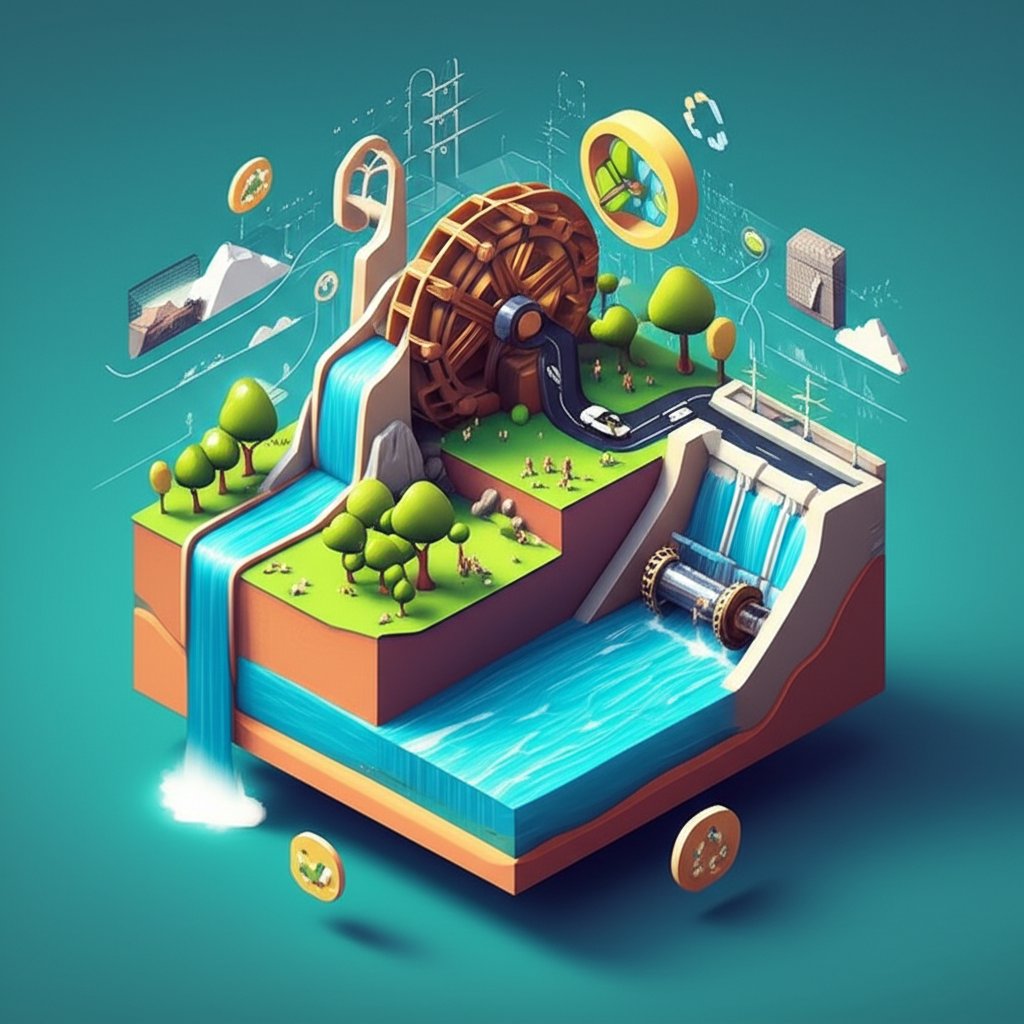
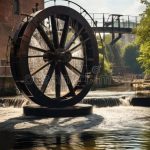
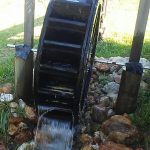
It’s easy to look at a massive dam and see a feat of engineering, but it’s harder to grasp the simple, powerful idea at its core. If you’ve ever felt the push of a river current or seen a water wheel turn, you’ve witnessed the principle that powers millions of homes. But beyond that basic concept lies a world of surprising and fun facts about hydropower, revealing it as one of humanity’s oldest, yet most advanced, forms of clean energy.
From its ancient roots to its role as a giant battery for the modern grid, the story of how we make electricity from water is more fascinating than you might think.
Unmatched Efficiency: Learn why hydropower is the most efficient energy source on the planet, by a long shot.
Ancient Origins: Discover hydropower’s surprising history, from Roman-era mills to a small town in Wisconsin that changed everything.
The Giant Water Battery: Understand how some hydro plants can store massive amounts of energy and release it on demand.
Mind-Boggling Scale: Explore some of the world’s most massive hydro projects and their staggering output.
Hidden Potential: Find out why the vast majority of dams in the U.S. don’t actually make any electricity (yet).
Hydropower’s Unmatched Efficiency: Turning Water into Watts
When we talk about energy, efficiency is everything. It’s the measure of how much raw energy from a source (like coal, wind, or water) successfully converts into usable electricity. This is where hydropower truly shines, leaving other sources in its wake.
Modern hydropower turbines are engineering marvels, capable of converting up to 90% of the available energy from moving water into electricity. To put that in perspective, most fossil fuel power plants operate at around 50% efficiency. This means for every unit of potential energy, hydropower captures almost double the electricity.
What does that look like in real terms? It takes approximately 18 gallons of falling water to generate one kilowatt-hour (kWh) of electricity. That’s enough to run a modern, energy-efficient refrigerator for about five to six hours. It’s a beautifully simple and direct conversion of kinetic energy into clean, reliable power.
A Journey Through Time: Hydropower’s Ancient Roots
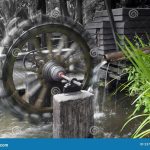
While we think of hydropower as a modern technology, the idea of harnessing water’s power is ancient. Civilizations in ancient Rome and Han Dynasty China used sophisticated water wheels for practical tasks like grinding grain into flour and irrigating fields. They understood the fundamental principle: moving water contains energy that can be put to work.
The Spark of an Idea in Appleton, Wisconsin
The leap from mechanical work to generating electricity happened in the 19th century. On September 30, 1882, the world’s first hydroelectric power plant began operating on the Fox River in Appleton, Wisconsin. It produced just enough electricity to light the paper mill owner’s home and two nearby buildings, but it was a revolutionary moment.
This small-scale success was built on critical innovations that are still used today:
The Francis Turbine (1849): Invented by James Francis, this design became the workhorse of modern hydro, efficient for the medium-height dams we see most often.
The Kaplan Turbine (1913): Developed by Viktor Kaplan, this propeller-like turbine is perfect for low-head, high-flow situations, like a wide, slow-moving river.
This early innovation laid the groundwork for its modern role as a cornerstone of renewable energy grids. To understand the full scope of its current impact, you can Uncover hydropower’s enduring power.
Pumped Storage: The Giant Water Battery You’ve Never Heard Of
One of the most mind-bending fun facts about hydropower is that some plants can work in reverse, acting like enormous, rechargeable batteries. This technology is called pumped storage hydropower, and it’s a game-changer for grid stability.
Here’s how it works:
Charging: During times when electricity is cheap and plentiful (like a sunny, windy afternoon when solar and wind farms are overproducing), the plant uses that excess grid power to pump water from a lower reservoir to an upper one.
Storing: The water sits in the upper reservoir, holding that energy as potential energy. It’s like charging a battery.
Discharging: When electricity demand peaks (like on a hot evening when everyone turns on their air conditioning), the plant opens its gates. The water rushes back down through the turbines, generating electricity to meet the high demand.
Pumped storage is incredibly valuable because it can respond to grid needs in minutes, providing power when variable sources like solar and wind aren’t available. It’s a perfectly complementary technology for a 100% renewable grid.
Hydropower by the Numbers: Scale, Speed, and Surprises
The sheer scale of global hydropower is astounding. It accounts for about 16% of the world’s total electricity production and over half of all renewable electricity.
Mind-Boggling Scale: From Global Giants to Local Streams
Let’s look at some of the titans and key players in the world of hydropower:
Category
Example / Fact
What It Means
World’s Largest Plant
Three Gorges Dam (China)
With a capacity of 22,500 megawatts, it can produce more electricity than a dozen large nuclear power plants combined.
Top Producers
China, Brazil, USA, Canada, Russia
These five countries lead the world in installed hydropower capacity, leveraging their vast river systems.
The Hydro-Powered Nation
Norway
An incredible 99% of Norway’s domestic electricity comes from hydropower, making it a global leader in clean energy.
Global Workforce
~2.5 Million People
The hydropower industry is a major global employer, with projections to add 600,000 more jobs to reach 2050 climate goals.
The Untapped Potential Hiding in Plain Sight
Here’s one of the most surprising facts: in the United States, there are over 90,000 dams of varying sizes. However, only about 3% of them are equipped to generate electricity.
Most of these dams were built for other purposes, such as irrigation, flood control, or recreation. This presents a massive opportunity. By retrofitting existing dams with modern turbines and generators—a process called “powering up”—we could add significant amounts of clean energy to the grid without the environmental impact of building new dams from scratch.
Not All Hydropower Looks Like a Giant Wall of Concrete
When you hear “hydropower,” you probably picture a colossal dam like the Hoover Dam. But the technology is far more diverse.
Run-of-River: These systems divert a portion of a river’s flow through a channel or pipe to spin a turbine. They typically don’t require a large reservoir, minimizing their environmental footprint.
Offshore Hydropower: This emerging technology harnesses the predictable power of ocean tides and waves to generate electricity.
Micro-hydro: These are small-scale systems, sometimes small enough to fit in a backyard, that can power a single home, farm, or remote village. They are crucial for bringing electricity to off-grid communities.
Helping Fish Climb the Stairs
A major historical challenge for hydropower has been its impact on fish migration. Dams can block the paths of species like salmon that swim upstream to spawn.
Engineers developed a clever solution: fish ladders. These are structures built alongside dams that consist of a series of small, ascending pools. Fish can jump or swim from one pool to the next, effectively “climbing the stairs” to get past the dam and continue their natural journey upstream. It’s a fantastic example of how engineering can be used to mitigate environmental impacts.
Quick Answers to Common Hydropower Questions
Q: Is hydropower truly a “clean” energy source?
A: Hydropower is a low-carbon renewable source that doesn’t burn fuel or produce air pollution. However, large-scale dam projects can have significant environmental and social impacts, including altering ecosystems, disrupting fish migration, and displacing communities. Modern sustainability standards aim to minimize these effects. Q: How long does a hydropower plant last?
A: Remarkably long. The operational lifespan of a well-maintained hydropower plant is often between 60 and 100 years, far outlasting solar farms, wind turbines, or fossil fuel plants. Many facilities built in the early 20th century are still operating today. Q: Can hydropower run out of water?
A: Yes. Hydropower is dependent on a consistent water supply from rainfall and snowmelt. Prolonged droughts, which are becoming more common with climate change, can severely reduce a plant’s electricity output. This makes water management and climate resilience critical for the industry. Q: How quickly can a hydropower plant start generating electricity?
A: Extremely quickly. A hydropower plant can go from zero to maximum output in just a few minutes. This flexibility makes it invaluable for stabilizing the electric grid, especially when there are sudden drops in power from other sources.
The Enduring Flow of Water Power
From an ancient water wheel grinding grain to a massive turbine stabilizing a national grid, hydropower remains a foundational pillar of our energy system. It is a technology of contrasts: simple in principle yet complex in execution, ancient in origin yet vital for the future.
Its high efficiency, long lifespan, and unique ability to act as a grid-scale battery make it an indispensable partner for variable renewables like wind and solar. As we continue to decarbonize our world, the steady, powerful, and enduring flow of water will be there to help light the way.
I am a writer who loves renewable energy, with a focus on sustainable living, renewable energy, and eco-friendly innovation. With a passion for environmental awareness and a desire to explore the latest trends in green technology, corporate sustainability, and climate action. Through in-depth storytelling