Dreaming of ditching those monthly utility bills? Want to embrace energy independence and truly understand how can I generate electricity at home? The good news is, powering your household with the abundant, free energy found in nature is more accessible than ever before. From sun-drenched roofs to breezy backyard turbines and even a babbling brook, renewable energy offers pathways to a sustainable, self-sufficient lifestyle, helping you slash costs and reduce your carbon footprint.
At a Glance: Your Path to Home Electricity Generation
- Assess Your Site: Evaluate your property’s sunlight, wind, water flow, or organic waste production to match it with the most suitable renewable energy system.
- Understand Your Options: Explore solar, wind, biomass/biogas, and micro-hydro systems, noting their specific requirements, efficiencies, and cost profiles.
- Plan for Backup: Integrate generators as a crucial safety net for intermittent renewable sources, especially if you’re aiming for true energy independence.
- Budget Wisely: Expect significant upfront costs ($1,500-$20,000+ per kilowatt) but factor in long-term savings, potential incentives, and reduced bills.
- Prepare for Off-Grid Living: If going fully off-grid, embrace energy conservation, monitor your system, and learn maintenance essentials for a smooth transition.
- Seek Professional Guidance: Many renewable energy systems require expert assessment, permitting, and installation for optimal performance and safety.
Matching Your Home to the Right Renewable Source
Before diving into specific technologies, the first step in understanding how can I generate electricity at home is to conduct a thorough “site assessment.” This isn’t just about what sounds cool; it’s about what your property naturally offers. Think of it as matching the energy source to your environment. Does your roof get hours of unobstructed sunlight? Is your property in a consistently windy area? Do you have a stream flowing through your land? Or do you produce significant organic waste? Answering these questions will narrow down your most viable options.
Solar Power: Harnessing the Sun’s Constant Energy
Solar panels are often the first image that comes to mind for home electricity generation, and for good reason. They’re versatile and increasingly efficient.
When Solar Panels Make Sense
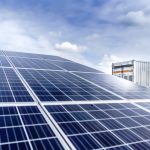
Choose solar panels if your property consistently receives at least four hours of peak sunlight daily, ideally with unshaded roof areas. The angle and direction of your roof are critical, and a professional solar company can perform an assessment to predict efficiency accurately.
Understanding Panel Types
Not all solar panels are created equal. You’ll generally encounter three main types:
- Monocrystalline: These are the sleek, dark panels you typically picture. They offer the highest efficiency (around 20%), require the least space, and perform well in various conditions. However, they are also the most expensive option upfront.
- Polycrystalline: Recognizable by their slightly speckled, blue appearance, these panels are more affordable. They offer around 16% efficiency and have a lower heat tolerance compared to monocrystalline panels, meaning their performance might dip slightly on very hot days.
- Thin Film: The most flexible and cheapest option, thin-film panels have efficiencies ranging from 7-13%. They require significantly more space to generate the same amount of power, making them less common for residential rooftops but suitable for large, open areas or specialized applications.
Installation and Costs
A typical solar panel installation involves mounting the panels on your roof or a ground array, connecting them, and installing inverters to convert the direct current (DC) electricity they produce into alternating current (AC) that your home appliances use.
Expect to spend between $15,000 and $20,000 for a standard residential system, though costs vary widely based on property size, energy needs, and chosen equipment. Many electric companies offer financing options, rebates, or incentives that can significantly offset these initial expenses. A notable benefit is the potential to sell any excess electricity your system produces back to the grid through “net metering” programs, further reducing your bills or even generating a profit.
Wind Power: Catching the Breeze for Watts
If your property is exposed to consistent winds, a small wind turbine can be a powerful addition to your home energy system.
Is Your Property Windy Enough?
The primary requirement for a small wind system is, predictably, wind. Your area should have an average wind speed of 14 mph (23 km/h) or more. Remember that wind speeds generally increase with height, so a taller tower can significantly improve output.
Beyond wind speed, local zoning restrictions are a major factor. Many communities have strict rules about the maximum height of structures, and wind systems often need to be at least 30 feet (9.1 m) above any structure within a 500-foot (150 m) radius to capture undisturbed wind.
Sizing Your Turbine
The amount of energy a wind turbine produces depends heavily on its rotor diameter (D) and the average wind speed (V). You can estimate the annual energy output (AEO in kilowatt-hours per year) with the formula: AEO = (0.01328)D²V³. For example, to generate 11,000 kWh/year in an area with a 20 mph average wind, you’d need a turbine with approximately a 10-foot (3.0 m) rotor diameter.
Investment and Installation
Wind turbines require a substantial upfront investment, typically around $5,120 per kilowatt of generating capacity. This includes the turbine, tower, wiring, inverter, and installation. While durable, the initial siting and installation are complex, often requiring specialized contractors and permits.
Biomass and Biogas: Transforming Waste into Energy
For those with land that produces significant organic waste, biomass or biogas systems offer a unique way to generate electricity, heat, and even cooking fuel.
The Right Conditions
This method is ideal if your property generates a steady supply of organic materials like wood chips, timber offcuts, paper, old crops, sewage, or animal manure. These systems convert organic matter into usable energy through anaerobic digestion (for biogas) or direct combustion (for biomass).
How It Works
A biogas system, often partially installed underground, collects organic waste in a digester. Microorganisms break down the waste in the absence of oxygen, producing methane and carbon dioxide—this “biogas” can then be burned to generate electricity, heating, cooling, or for cooking. Biomass systems typically involve burning organic matter directly in a specialized furnace to produce heat, which can then be converted into electricity.
Cost and Maintenance
Installing a biomass or biogas system requires professional planning and sizing. Costs can range from $3,000-$4,000 per kilowatt needed. While the initial investment can be substantial, these systems typically have low ongoing maintenance costs once installed and running efficiently. This also offers a valuable way to manage waste on your property.
Micro-Hydro System: Tapping into Flowing Water
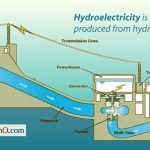
If your property is fortunate enough to have a consistent stream or river, a micro-hydro system can provide a reliable, low-maintenance source of electricity.
Prerequisites for Hydro Power
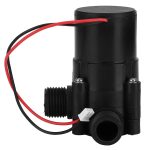
A micro-hydro system absolutely requires an existing stream with consistent water flow on your property. This isn’t a DIY project for novices; you’ll need to hire a professional (e.g., from organizations like EPA, FERC, or NREL) to accurately measure two key parameters:
- “Head”: The vertical fall or distance the water drops from the intake to the turbine.
- “Flow”: The quantity of water moving through the stream, typically measured in gallons per minute or cubic feet per second.
Additionally, obtaining the necessary county permits and researching water rights for the stream are crucial steps that cannot be skipped.
System Sizing and Investment
You’ll want to select a system that outputs slightly more watts than your monthly average usage to ensure you meet your energy needs. Micro-hydro systems tend to be quite cost-effective per kilowatt, ranging from $1,500-$2,000. One of their most attractive features is their durability; these systems are built to last for decades with minimal maintenance, offering a truly long-term energy solution.
Backup Generators: Your Safety Net for Reliability
While not a renewable energy source, generators play a critical role in providing energy security, especially when integrated with intermittent renewable systems or for homes aiming for full energy independence. They serve as backup power for outages, rather than a primary generation method.
Types and Considerations
Diesel or biodiesel generators are common choices, known for their robust performance. You can opt for portable units for lower initial cost and flexibility, or permanent installations that are hardwired into your home for seamless power during outages.
While easy to maintain, generators have a few drawbacks: they can be noisy, and fuel costs accumulate quickly, especially if used frequently. Diesel generators are generally more expensive than gas-powered ones but offer better fuel efficiency. Back in 2008, a gasoline generator produced about 3.5 kWh per gallon, with an efficiency of roughly 10%, costing around $1.00 per kWh in fuel. Its carbon footprint was significantly higher than even a coal-fired power plant for the same energy output. Modern diesel generators can approach utility plant efficiency, reducing their environmental impact relative to gasoline counterparts. Expect to spend $3,000-$10,000 for a reliable home backup generator.
Navigating the Off-Grid Lifestyle
Deciding to live entirely off the grid, independent of utility companies, is a significant commitment. It demands preparation, technical understanding, and a willingness to adapt.
Getting Started with Energy Independence
If you’re buying an off-grid property or building your own system, here’s what you need to master:
- System Walkthrough: Get a complete tour of your system from the previous owner or builder. Understand how every component—solar panels, wind turbines, batteries, inverters, and generators—integrates and functions together.
- Operational Know-How: Learn how to monitor power levels, operate, start, stop, and refuel your generator safely.
- Maintenance & Records: Understand the maintenance needs for each component (e.g., battery checks, panel cleaning, turbine inspections) and keep diligent records of tasks performed.
- Essential Supplies: Stock up on spare fuses, various light bulbs (especially LED), and ample fuel (propane, gasoline, diesel) for your generator.
- Emergency Preparedness: Always be ready for unexpected power outages. Have flashlights, battery-powered lamps, and non-electric cooking methods on hand.
- Energy-Saving Habits: Adopt a mindset of conservation. Turn off lights when leaving a room, moderate thermostat settings, and use high-draw appliances sparingly, especially during periods of low renewable energy generation (e.g., cloudy days or low wind).
Coping with Intermittent Power
Renewable sources like solar and wind are inherently variable. Managing this intermittency is key to a stable off-grid life.
- Battery Monitoring: Regularly check your battery bank levels to prevent complete drainage, which can severely damage batteries and shorten their lifespan. Know your battery capacity and how long it can sustain critical loads.
- Strategic Appliance Use: Run high-power appliances (like washing machines or power tools) during peak generation periods when the sun is brightest or the wind is strongest.
- Backup Lighting & Charging: Always have battery-powered LED lights and chargers ready for your essential devices during unexpected lulls in power.
- Fuel Management: Maintain adequate fuel supplies for your backup generator, recognizing it’s your last line of defense against extended outages.
- Capacity Expansion: If you frequently find yourself relying on your generator or facing power shortages, consider expanding your solar or wind capacity.
- Power Conservation: Ultimately, cultivate a deep-seated habit of power conservation. Every watt saved is a watt you don’t need to generate.
For a broader perspective on achieving energy independence and understanding the foundational concepts of cutting your utility bills, check out our guide on Generate free home electricity.
Expanding Your System for More Power
As your energy needs grow or your lifestyle changes, you might find yourself needing to expand your home electricity generation system. Here’s how you can typically increase your capacity:
- More Solar: Add additional fixed solar panels or upgrade to tracking panels that follow the sun for maximum exposure.
- Larger Wind Turbine: Install a larger, more efficient wind turbine if your site conditions allow and local regulations permit.
- Battery Bank Upgrade: Increase your battery storage capacity. Lead-acid batteries are often cheaper upfront but require more maintenance; lithium-ion batteries are more expensive but offer longer life and less upkeep.
- Generator Upgrade: Acquire a larger, more powerful backup generator, potentially one that can run on multiple fuel types (e.g., propane and natural gas) for added flexibility.
- Micro-Hydropower: If you have a suitable water source and haven’t already, implementing a small-scale hydropower system can add significant, consistent output.
- Community Projects: In some areas, community solar or wind projects might offer a way to buy into larger renewable energy generation without needing to install equipment on your own property.
The key to successful expansion is balancing increased generation with adequate battery storage to ensure consistent power availability.
Making the Right Choice for Your Home
The journey to generating your own electricity at home is incredibly rewarding, offering environmental benefits, greater control over your energy, and the potential for substantial long-term savings. However, it requires careful consideration and planning.
Start by meticulously assessing your property’s resources. Consult with professionals to get accurate measurements for solar exposure, wind speed, or water flow. Understand the upfront costs, potential incentives, and the specific maintenance requirements for each system. Embrace the learning curve, especially if you’re venturing off-grid, and develop energy-saving habits. While the equipment costs will be significant, the eventual freedom from utility bills and the satisfaction of sustainable living make it a worthwhile investment for many homeowners.

- Interesting Facts About Hydroelectricity Beyond Dams and Turbines - March 14, 2026
- Is Hydropower Renewable Or Nonrenewable Resource? Sorting Out the Facts - March 3, 2026
- Hydroelectric Power Basics How Water Is Used For Electricity - February 26, 2026