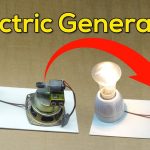
When you dream of powering your home independently, the question “how can I produce electricity at home?” quickly shifts from a distant fantasy to a tangible project. Imagine the satisfaction of seeing your meter spin backward or knowing your lights will stay on when the neighborhood goes dark. It’s about more than just cutting bills; it’s about energy freedom, resilience, and making a tangible move towards a more sustainable lifestyle.
This detailed guide dives into the practical realities of generating your own electricity using renewable sources, equipping you with the knowledge to make informed decisions.
At a Glance: Your Path to Home-Generated Electricity
Diverse Options: Explore solar, wind, biomass, and micro-hydro systems, each with unique requirements and benefits.
Cost vs. Savings: Understand the significant upfront investment versus long-term savings and energy independence.
Site-Specific Decisions: Learn how your property’s characteristics (sunlight, wind, water, waste) dictate the best system for you.
Professional Guidance is Key: Recognize when to consult experts for assessments, installation, and compliance.
Beyond Installation: Grasp the essentials of living with intermittent power, energy conservation, and system maintenance.
Beyond the Grid: Why Generate Your Own Power?
Generating your own electricity offers profound benefits. You gain energy independence, reducing your reliance on volatile utility prices and external grids. This translates into lower (or even zero) monthly electricity bills and often the ability to sell surplus power back to the grid. Environmentally, you reduce your carbon footprint significantly, aligning with sustainable living principles. Plus, during power outages, your home remains powered, offering enhanced resilience.
However, this journey isn’t without its challenges. It demands technical knowledge, a substantial upfront financial investment, and a willingness to adjust your lifestyle to manage intermittent power sources. Before diving in, it’s crucial to understand your exact energy needs, assess your property’s potential, and familiarize yourself with local regulations and permits.
Harnessing the Sun: Solar Panel Systems
Solar panels are often the first technology people consider when exploring “how can I produce electricity at home.” They’re versatile and widely adopted, but their effectiveness hinges on sunlight availability.
Requirements for Solar Power
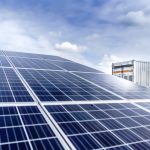
The primary requirement is ample, unobstructed sunlight. Your property needs at least four hours of peak sunlight exposure daily, with areas large enough and unshaded for panel placement. Think south-facing roofs or clear ground areas.
Solar Panel Types & Efficiency
Not all solar panels are created equal. Their efficiency—how well they convert sunlight into electricity—varies:
Monocrystalline Panels: These are the most efficient (around 20%), meaning they produce more power from a smaller footprint. They’re also the most expensive option.
Polycrystalline Panels: Slightly less efficient (around 16%) than monocrystalline, these are more affordable and a popular choice for many homeowners, though they can be less effective in high temperatures.
Thin-Film Panels: Offering 7-13% efficiency, thin-film panels are flexible, lightweight, and the cheapest option. However, they require a significantly larger area to produce the same amount of power.
The Solar Installation Process
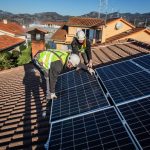
Starting with solar involves consulting reputable solar companies. They’ll assess your property’s solar potential, recommend system sizes, and provide efficiency estimates. The physical installation involves mounting the panels and integrating inverters, which convert the direct current (DC) electricity generated by the panels into alternating current (AC) suitable for home use. While DIY installation is possible for the very handy, professional installation is widely available and often recommended to ensure safety and optimal performance.
Costs and Economic Benefits
The average upfront cost for a home solar system typically ranges from $15,000 to $20,000. However, various financing options, state and federal rebates, and incentives from electric companies can significantly offset this initial investment. A major benefit is the ability to sell any extra electricity your system generates back to the utility company through a process called net metering, further reducing your bills and potentially creating a credit.
Case Snippet: The Millers in Arizona installed a 6 kW monocrystalline system for $18,000. With federal tax credits and state incentives, their out-of-pocket cost dropped to $11,000. They now regularly receive credits on their utility bill for surplus energy, effectively eliminating their electricity costs.
Riding the Wind: Small Wind System Installation
If your property isn’t ideal for solar due to shading or limited space, or if you live in a consistently windy area, a small wind turbine might be your answer to “how can I produce electricity at home.”
Key Requirements for Wind Power
Wind turbines need specific conditions to be effective:
Open, Flat Area: Your property should have few tall buildings or obstacles that could disrupt wind flow.
Zoning Permits: Tower height is often restricted by local ordinances, commonly limited to about 35 feet (11 meters). However, for optimal performance, a turbine needs to be at least 30 feet (9.1 meters) higher than the tallest structure within a 500-foot (150-meter) radius. This often means navigating permit processes.
Consistent Wind Speed: An average annual wind speed of 14 mph (23 km/h) or more is generally required for cost-effective operation.
Calculating Your Wind Power Needs
To size a wind system, you’ll need to calculate the minimum rotor blade diameter. The formula AEO = (0.01328)D²V³ helps determine your Annual Energy Output (AEO in kWh/year), where D is the rotor diameter in feet and V is the annual average wind speed in mph. This calculation helps ensure your chosen turbine can meet your energy demands.
The Wind Turbine Process
Once you’ve assessed your site and confirmed suitable wind conditions and zoning, you can purchase a system from a local supplier or online. Many suppliers offer installation assistance and provide essential components like the tower. Professional installation is critical for safety and efficiency, especially considering the height and complexity of the structure.
Costs of Small Wind Systems
The cost for a small wind system is approximately $5,120 per kilowatt of generating capacity. While a significant upfront cost, the ‘fuel’ (wind) is free, leading to long-term operational savings.
Bio-Power: Transforming Waste into Energy
For those with access to abundant organic waste, biomass or biogas systems offer a unique and sustainable answer to “how can I produce electricity at home.” These systems convert organic materials into usable energy.
What You Need for Biomass/Biogas
The primary requirement is a consistent supply of waste materials. This could include:
Wood chips or timber offcuts (for direct biomass combustion).
Paper or old crops.
Sewage or animal manure (particularly for biogas systems on farms).
The Biogas Generation Process
Biogas systems typically involve installing an anaerobic digester, often partially underground. This system collects organic waste, where microorganisms break it down in the absence of oxygen, producing methane and carbon dioxide. This “biogas” can then be used for heating, cooling, or cooking, or to power a generator for electricity. Burning methane in a controlled biogas system is significantly more environmentally friendly than allowing it to be released directly into the atmosphere, where it acts as a potent greenhouse gas. Professional consultation is highly recommended to properly size and install these complex systems.
Biomass/Biogas System Costs
Expect costs around $3,000 to $4,000 per kilowatt of capacity. While the upfront costs can be substantial, these systems typically have very low maintenance requirements once operational, making the long-term cost of energy quite low.
Harnessing Water: Micro-Hydro Systems
If you’re fortunate enough to have a flowing stream on your property, a micro-hydro system could be an incredibly consistent and efficient way to produce electricity at home.
Micro-Hydro Requirements
The fundamental requirement is an existing stream with a consistent, year-round water flow. The key metrics are:
“Head”: The vertical fall distance of the water.
“Flow”: The quantity of water moving through the stream.
A professional inspection is vital to accurately measure these parameters and determine your stream’s potential.
Steps to Micro-Hydro Power
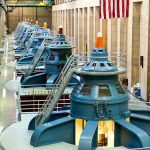
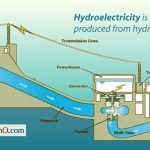
After the initial assessment, you’ll need to navigate county permits and investigate water rights, which can be complex depending on your location. Once approved, you select a micro-hydro system designed to generate slightly more watts than your home’s monthly usage to ensure a reliable supply. Installation involves diverting a small portion of the stream’s flow through a turbine, which then generates electricity.
Cost and Longevity
Micro-hydro systems typically cost $1,500 to $2,000 per kilowatt. While the initial investment is high, these systems are renowned for their incredible longevity and require little to no maintenance for decades. By reducing your overall energy consumption, you can often lower the required system size and, consequently, the upfront cost.
Backup Power: Generators for Peace of Mind
While renewable systems aim for primary power, generators serve a crucial role as a backup during outages or periods of low renewable energy production. They aren’t designed to be your main power source, but rather a reliable safety net.
Generator Types and Characteristics
You can choose between:
Portable Generators: These are generally cheaper and easier to move but require manual setup and refueling.
Permanent Standby Generators: These are more expensive but automatically kick in when grid power fails, offering seamless transitions.
Most generators run on diesel or biodiesel. Diesel generators are often more fuel-efficient than gasoline models, resulting in a smaller carbon footprint and potentially lower fuel costs over time. While simple to maintain, they can be noisy, and fuel costs add up if used frequently.
Generator Costs
Portable generators start at the lower end of the spectrum, while permanent systems can range from $3,000 to $10,000, depending on power output and features.
Beyond Installation: Thriving with Your Home Power System
Generating your own electricity is a significant step, but the journey continues long after the equipment is installed. To truly thrive with your home power system and maintain energy independence, particularly if living off-grid, proactive management is essential. For a broader overview of starting this journey, refer to our comprehensive guide on How to generate home electricity.
Mastering Your System: Preparation is Key
Before you rely solely on your home-generated power, understand every component. If you’ve purchased a property with an existing system, request a detailed walkthrough from previous owners or builders. Learn how your solar panels, wind turbine, battery bank, inverters, and backup generator all interact. Crucially, know how to monitor your power usage and battery levels, operate and refuel your generator, and perform basic maintenance. Keep essential spare parts and supplies on hand – a small fix now can prevent a major outage later.
Coping with Intermittent Power
Renewable energy sources like solar and wind are inherently intermittent; the sun doesn’t always shine, and the wind doesn’t always blow. This requires mindful energy management:
Monitor Battery Levels: Regularly check your battery bank’s charge to avoid complete drainage, which can shorten battery life.
Time High-Power Use: Schedule energy-intensive tasks (like running a dishwasher, using an electric heater, or doing laundry) for periods of high renewable energy generation. For example, run your dishwasher during peak midday sun or when the wind is strong.
Generator Readiness: Always maintain a sufficient fuel supply for your backup generator. If renewable energy is consistently falling short, consider whether expanding your system (e.g., more solar panels, a larger battery bank) or exploring a small-scale hydropower option might be necessary. Some communities also explore shared micro-grid projects to enhance reliability.
The Power of Energy Conservation
No matter how robust your system, conserving energy is paramount. It reduces the strain on your generation capacity, extends battery life, and lessens the need for backup power. Simple habits make a huge difference:
Turn off lights when leaving a room.
Moderate thermostat settings (e.g., slightly warmer in summer, cooler in winter).
Unplug “vampire” devices that draw power even when not in use.
Use power sparingly during cloudy days or calm nights.
Upgrade to energy-efficient appliances where feasible.
Understanding the Costs
While the sun, wind, and water are “free,” the equipment required to harness them is not. It’s important to be realistic about costs. The upfront investment for renewable energy systems can make the effective cost per kilowatt-hour higher than traditional utility electricity over time, especially if you factor in the initial capital and maintenance. However, this calculation often doesn’t fully account for the value of energy independence, environmental benefits, and resilience during outages.
Staying Connected Off-Grid
Living off the grid doesn’t mean disconnecting from the world. Internet access is readily available through satellite providers, specialized rural wireless services, or by utilizing cellular data plans and hotspots.
System Maintenance
Most modern renewable energy systems are designed to be largely automatic once set up. However, they are not entirely maintenance-free. Regular checks are required, such as:
Cleaning solar panels to ensure optimal light absorption.
Checking battery terminals for corrosion.
Inspecting wind turbine blades for damage.
Ensuring fluid levels in generators.
Developing a basic understanding of your system’s components and a routine maintenance schedule will help ensure its longevity and reliability. Professional assistance is always an option for more complex maintenance or repairs.
Practical Playbook: Choosing Your Home Power Path
Deciding “how can I produce electricity at home” is a personalized journey. Here’s a quick-start playbook:
Assess Your Energy Needs: Start by understanding your current electricity consumption (look at past utility bills). This tells you how much power you need to generate.
Evaluate Your Property:
Sun: How many hours of direct, unobstructed sunlight do you get daily? (Solar)
Wind: What are the average wind speeds, and are there zoning height restrictions? (Wind)
Water: Do you have a consistent stream with significant fall? (Micro-Hydro)
Waste: Do you generate consistent organic waste? (Biomass/Biogas)
Research Local Regulations: Check zoning laws, permits required, and any potential homeowners’ association rules for each system type.
Get Professional Assessments: For solar, get a site assessment. For wind, a wind resource assessment. For hydro, a head and flow measurement. For biogas, a waste assessment. These will give you accurate estimates of potential output.
Compare Costs & Incentives: Get multiple quotes for installation. Research federal, state, and local incentives, rebates, and financing options that can significantly reduce upfront costs.
Consider Hybrid Systems: Often, combining two sources (e.g., solar and a small wind turbine) provides more consistent power than relying on just one.
Plan for Backup: Always factor in a backup generator or sufficient battery storage to handle intermittent power.
Quick Answers: Common Questions About Home Power Generation
Is generating my own electricity truly “free”?
While the energy source itself (sun, wind, water) is free, the equipment, installation, and ongoing maintenance involve significant costs. Over time, the operational electricity generated becomes “free,” but the upfront investment means it’s not without expense.
How much maintenance do these systems require?
Modern systems are largely automated, but regular basic maintenance is necessary. This includes cleaning solar panels, checking fluid levels in batteries/generators, and inspecting components. Professional checks are recommended periodically.
Can I connect my home system to the grid?
Yes, most renewable home energy systems can be grid-tied. This allows you to draw power from the grid when your system isn’t producing enough and sell excess power back to the grid (net metering). Off-grid systems are entirely independent.
What happens on cloudy days or calm nights?
This is where battery storage and/or a backup generator come into play. Batteries store surplus energy generated during peak production for use during low production times. Generators provide a reliable power source when renewables and batteries can’t meet demand.
Are there any tax benefits for installing these systems?
Yes, often. The U.S. federal government offers tax credits (like the Investment Tax Credit for solar) for renewable energy installations. Many states and local utilities also provide additional rebates or incentives. It’s crucial to research current programs.
Is it possible to completely go off the grid?
Absolutely. Many homes successfully operate entirely off the grid, relying solely on their renewable energy systems and battery storage, supplemented by backup generators. This requires careful planning, energy conservation, and a robust system design.
Your Next Steps to Energy Independence
Deciding “how can I produce electricity at home” is a journey towards greater independence and sustainability. Whether you opt for the steady hum of a micro-hydro turbine, the quiet efficiency of solar panels, the powerful spin of a wind turbine, or the innovative cycle of a biogas system, the first step is always assessment. Understand your needs, evaluate your property’s potential, and engage with experts. The power to create your own electricity is within reach, transforming your home into a beacon of self-sufficiency.
I am a writer who loves renewable energy, with a focus on sustainable living, renewable energy, and eco-friendly innovation. With a passion for environmental awareness and a desire to explore the latest trends in green technology, corporate sustainability, and climate action. Through in-depth storytelling