Imagine harnessing a flowing stream to power your home, entirely off-grid. The core principle behind this remarkable self-sufficiency lies in understanding exactly how does a water wheel make electricity. It’s a dance of physics, transforming the simple force of moving water into a reliable current that lights your bulbs and runs your appliances. This journey from a turning wheel to usable power is both elegantly straightforward and incredibly efficient, leveraging centuries-old mechanics with modern electrical engineering.
Energy Transformation: Learn the step-by-step conversion from water’s potential energy to electrical current.
The Generator’s Role: Understand how mechanical rotation becomes electricity inside a dynamo or alternator.
Key Factors for Power: Discover how “head” (vertical drop) and “flow” (water volume) dictate a system’s output.
Choosing the Right Wheel: Explore different water wheel types and their ideal environmental conditions.
System Optimization: Grasp the importance of gearing, speed regulation, and efficient design for maximum power.
Practical Steps: Get actionable advice on design, maintenance, and safety for your water wheel setup.
The Fundamental Energy Journey: From Flow to Power
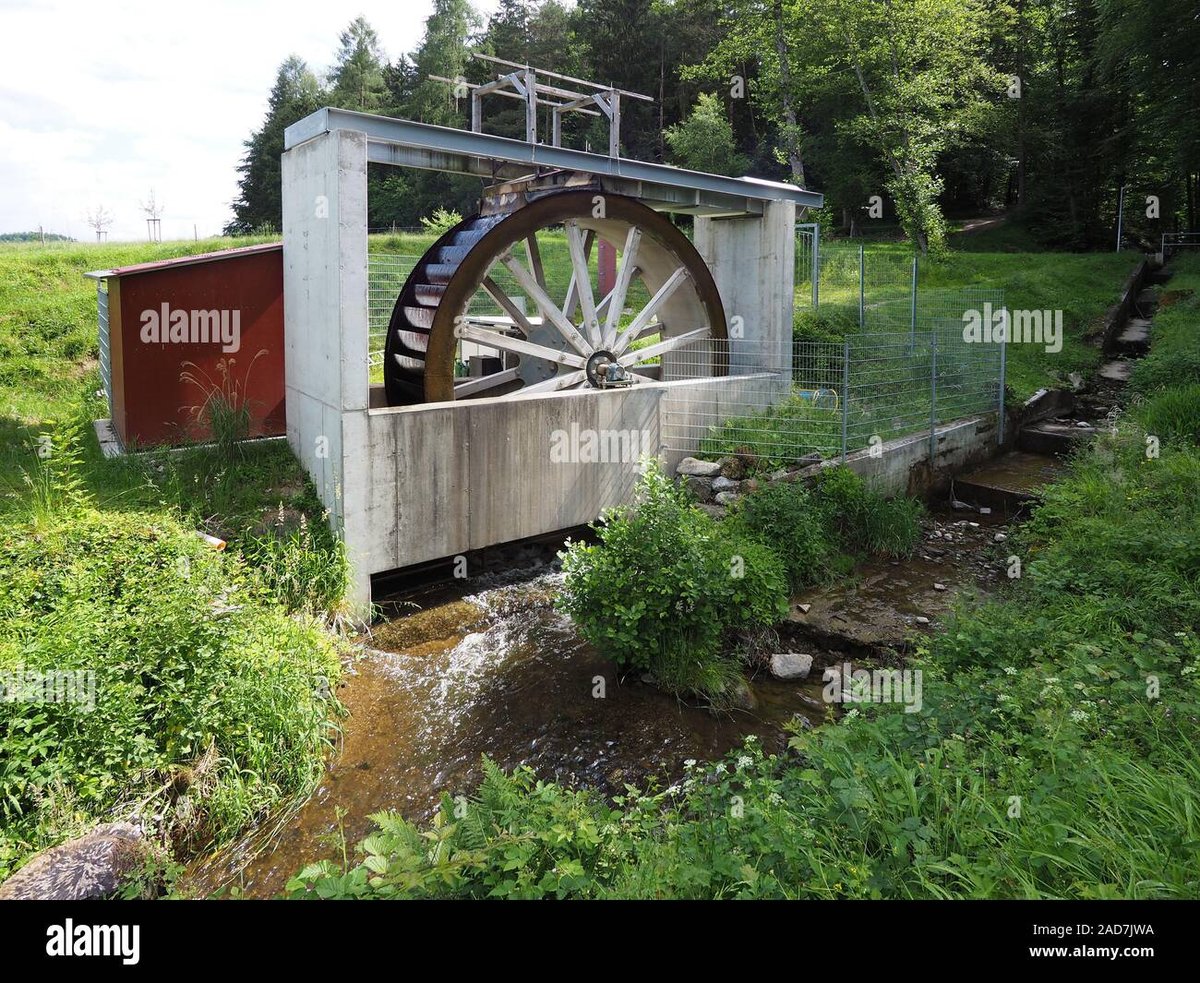
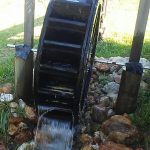
At its heart, a water wheel energy generator system is an intricate chain of energy conversions. It begins with water, often elevated, possessing potential energy. As this water flows or falls, its potential energy transforms into kinetic energy—the energy of motion. This moving water then meets the blades or buckets of a water wheel, transferring its kinetic energy to the wheel and causing it to rotate. This rotation is the crucial transition to mechanical energy.
This mechanical energy is then directed, usually via a shaft, to an electrical generator. Inside the generator, this physical motion instigates a process called electromagnetic induction, which is the scientific magic behind creating an electrical current. In essence, the entire system is a sophisticated device for capturing water’s natural downward momentum and converting it into a steady flow of electrons.
The Inner Workings of a Generator: Where Mechanical Becomes Electrical
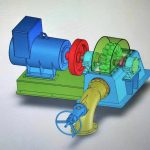
The heart of any water wheel electricity system is the electrical generator itself, often a dynamo (for DC) or an alternator (for AC). While the water wheel provides the raw mechanical power, the generator is where the actual transformation into electricity occurs.
Inside the Generator: Magnets, Coils, and Motion
Think of a generator as having two main components:
The Rotor: This is the rotating part, typically a shaft lined with powerful magnets.
The Stator: This is the stationary outer casing, wound with conductive copper wire coils.
As the water wheel turns, it spins the generator’s rotor. The powerful magnets on the rotor move past the stationary copper wire coils of the stator. This relative motion—magnets moving through a magnetic field, cutting across the conductive wires—induces an electrical current in the copper wire. This phenomenon is known as electromagnetic induction, a fundamental principle discovered by Michael Faraday. The faster the rotor spins, and the stronger the magnets, the more electricity is generated. Many common DC motors can also function effectively as generators, simply by reversing the energy flow—feeding mechanical energy in to get electrical energy out.
The Role of Gearing: Matching Speed for Efficiency
Water wheels, especially larger ones designed for substantial torque, tend to rotate relatively slowly. However, electrical generators operate most efficiently at much higher rotational speeds. This is where a system of gears or a gearbox becomes indispensable. Gears increase the slow, powerful rotation of the water wheel to the much faster revolutions per minute (RPM) required to efficiently drive the generator.
For example, a large overshot wheel might spin at just a few RPM. A gearbox might step this up by a factor of 50 or 100, ensuring the generator’s rotor spins fast enough (e.g., 1800-3600 RPM for common alternators) to produce stable and sufficient electrical output. Without this speed-matching, the generator would either produce very little power or none at all.
Harnessing Your Water Source: Head, Flow, and Power Potential
The effectiveness of any water wheel system hinges entirely on the characteristics of your available water source. Two primary factors dictate how much power you can realistically generate:
Head (Vertical Drop): This refers to the vertical distance the water falls from its intake point to the water wheel. Greater head means the water has more potential energy to convert into kinetic energy. Think of it like dropping a weight from a higher point – it hits with more force.
Flow (Volume of Water): This is the quantity of water moving past a point over a given time, usually measured in gallons per minute (GPM) or cubic feet per second (CFS). More flow means more water molecules pushing or weighing down on the wheel, leading to more power.
Both head and flow are crucial. You might have a high flow but no vertical drop, which offers limited power (like a slow-moving, wide river). Conversely, a high drop but minimal flow might only provide enough water to trickle over the wheel (like a small mountain spring). For small-scale household generators, a common minimum requirement is often around 3 feet of vertical fall and 20 gallons per minute of flow.
Estimating Your Potential Power Output
A rough estimate of potential power in kilowatts (KW) can be calculated using a simplified formula:
KW = 0.004 x Q x V x H x C
Where:
Q: Water weight (implicitly factored into GPM or CFS if using appropriate constants)
V: Stream velocity (how fast the water is moving)
H: Head (vertical drop in feet)
C: Efficiency constant (typically around 50% for practical water wheel systems, but can range from 30% to 90% depending on wheel type and design quality).
This formula underscores that maximizing head and flow, while designing for high efficiency, directly translates to greater electrical output. For those looking to dive deeper into the specifics of setting up a complete system, including detailed design principles and selection criteria, you can explore comprehensive guides like this one: Generate free water wheel energy.
Choosing Your Wheel: Tailoring to Your Water Source
Not all water wheels are created equal. Different designs are optimized for specific combinations of head and flow, each with its own advantages and efficiency profile. Understanding these types is critical for successful implementation.
1. Overshot Wheel: High Head, Low Flow Champion
How it Works: Water is channeled from an elevated source and directed over the very top of the wheel, filling buckets or compartments. The primary force driving the wheel is the sheer weight of the water in these buckets as gravity pulls them downwards.
Ideal Conditions: Best suited for sites with a significant vertical drop (e.g., at least 4.5 meters or ~15 feet) but potentially lower volumes of water.
Efficiency: Highly efficient, often reaching 70-80%, and in optimized modern designs, even 90%. Their optimal diameter is typically the largest possible for the available drop, maximizing the lever arm for the water’s weight.
Application: Excellent for small mountain streams or engineered channels with a good elevation difference.
2. Undershot Wheel: Low Head, High Flow Workhorse
How it Works: Designed for environments with minimal or no vertical drop. Water flows beneath the wheel, pushing against flat paddles or blades immersed in the current. The force comes predominantly from the water’s velocity.
Ideal Conditions: Best for broad, slow-moving rivers or streams with high volumes of water but very little elevation change.
Efficiency: Generally the least efficient type due to relying solely on kinetic energy (water speed), which is harder to convert fully compared to the gravitational pull harnessed by overshot wheels.
Application: Historic use in tidal mills or broad, flat rivers where diversion channels are impractical.
How it Works: Water is directed onto the wheel at approximately its midpoint, engaging blades or buckets. This design cleverly combines both the water’s velocity (kinetic energy) and a portion of its weight (potential energy).
Ideal Conditions: Suitable for moderate head drops (e.g., 1.8 to 2.4 meters or ~6-8 feet) and moderate flow rates.
Efficiency: Offers a good balance, typically more efficient than undershot wheels but less so than overshot designs, often in the 50-60% range.
Application: Common in traditional mill settings where a canal could be built to deliver water at mid-height.
How it Works: Similar to an overshot wheel but the water is delivered slightly behind the top of the wheel, causing it to “pitch back” and turn in the opposite direction of a traditional overshot wheel’s water delivery.
Ideal Conditions: Medium head and moderate flow sites.
Efficiency: Can offer enhanced efficiency by combining advantages of overshot and breastshot types, and the reverse rotation can sometimes reduce structural strain on the wheel’s bearings and support structure.
Application: A specialized variant often chosen for specific site mechanics where an overshot might be too tall, or a breastshot isn’t efficient enough.
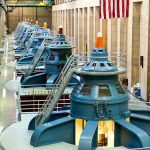
Modern hydropower systems, while mechanically similar in principle, use highly engineered turbines (like the Francis turbine for medium head/high flow or the Pelton wheel for very high head/low flow) which are more compact and efficient for large-scale operations. However, the fundamental energy conversion remains the same.
Designing and Operating Your Water Wheel Generator
Implementing a water wheel system is a project that combines civil engineering, mechanical design, and electrical knowledge. It’s a truly sustainable, eco-friendly energy source that, once installed, boasts low operational costs and offers continuous 24/7 power, unlike intermittent solar panels. A medium-sized unit can readily power a household, running several lights, a TV, and a radio simultaneously.
Key Design & Construction Considerations
Matching Dimensions: Crucially, the water wheel’s diameter and width must be matched to your specific flow rate and head. An oversized wheel might not turn efficiently with insufficient flow, while an undersized wheel won’t capture all the available energy.
Material Selection: Opt for durable, corrosion-resistant materials. Treated wood offers a traditional aesthetic and good structural properties, while metal (like steel or aluminum) provides greater longevity and strength.
Bearings and Seals: These are critical for reducing friction and preventing water ingress into the mechanical components. Properly sealed and lubricated bearings ensure smooth, long-lasting operation and minimize energy loss.
Speed Regulation: To maintain stable electricity output (especially for AC power which requires consistent frequency), implement speed regulation. This can be mechanical (e.g., governors) or electronic (e.g., load controllers that divert excess power to a dump load like a water heater).
Mini Wheels for Specific Uses: For niche applications like aquaponics, a mini water wheel can be designed to use the returning water from fish tanks to generate small amounts of electricity, demonstrating the versatility of the technology.
Essential Safety Precautions
Working around moving water and electrical components demands vigilance.
Personal Protective Equipment: Always wear protective gloves and safety goggles when performing maintenance or adjustments.
Environmental Awareness: Be mindful of slippery surfaces around water and sudden changes in water levels, especially during heavy rain.
Electrical Safety: All electrical connections must be waterproofed and securely housed. Always disconnect power at the source before performing any modifications or repairs to the generator or electrical system.
Maintenance Guidelines for Longevity
Regular maintenance will ensure your water wheel operates efficiently and reliably for years.
Debris Removal: Periodically check for and remove debris (leaves, branches, silt) that can clog water channels or foul the wheel.
Component Inspection: Inspect all moving parts, especially blades, buckets, and the shaft, for wear, corrosion, or damage.
Lubrication: Lubricate bearings according to manufacturer recommendations to reduce friction and extend their lifespan.
Electrical Check: Ensure all electrical connections remain secure, dry, and free from corrosion.
General Cleaning: Periodically clean the wheel and its components to prevent build-up that could affect balance and efficiency.
Environmental and Ecological Considerations
While water wheels are generally eco-friendly, responsible implementation requires a careful assessment of potential environmental impacts.
Ecosystem Impact: Evaluate potential effects on local ecosystems, including fish migration patterns and plant life in and around the stream.
Fish-Friendly Design: Consider designs that allow fish passage or minimize disruption to aquatic habitats. Avoiding sensitive habitats or flood-prone areas is also crucial.
Material Choice: Use natural, untreated materials where possible to minimize chemical leaching into the water. For instance, pressure-treated wood contains chemicals that can be harmful to aquatic life.
Quick Answers: Your Questions on Water Wheels and Electricity
Is a water wheel system suitable for my home?
It depends. A water wheel generator is ideal if you have a reliable, year-round water source on your property with sufficient head (vertical drop) and flow (volume). It’s particularly effective for remote, off-grid locations where connecting to the utility grid is costly or impossible.
How much power can a small water wheel generate?
A small-scale system, often referred to as pico-hydro (under 5 kW) or micro-hydro (under 100 kW), can generate enough power for basic household needs. For example, a system with 3 feet of head and 20 GPM can produce enough power for a few lights and small appliances. Larger systems can power an entire house, providing continuous electricity.
Are water wheels environmentally friendly?
Yes, generally. They are a renewable energy source with very low carbon emissions during operation. Compared to large hydroelectric dams, water wheels typically have much less environmental impact, especially on local ecosystems, due to their smaller scale and usually “run-of-the-river” designs that don’t impound large volumes of water.
What’s the difference between a water wheel and a hydro turbine?
While both convert water’s energy into mechanical rotation, “water wheel” typically refers to traditional, visible, slow-turning wheels (like overshot or undershot). “Hydro turbine” refers to more modern, enclosed, high-speed, highly engineered machines (like Francis or Pelton turbines) that are generally more efficient and compact, especially for larger-scale power generation.
Can I use a water wheel for things other than electricity?
Absolutely. Before widespread electrification, water wheels were primarily used for direct mechanical power: grinding grain (mills), sawing wood, pumping water for irrigation, or driving textile machinery. You can certainly adapt a water wheel to perform these tasks, either instead of or in addition to generating electricity.
How much maintenance does a water wheel generator require?
Water wheel generators are known for their simple technology and relatively low maintenance compared to more complex power systems. Regular tasks include clearing debris, lubricating moving parts, inspecting for wear, and ensuring electrical connections are secure and dry. This typically translates to periodic checks, perhaps weekly or monthly depending on your specific site conditions.
Your Path to Off-Grid Power: Taking Action
Understanding how does a water wheel make electricity is the first step towards energy independence. The journey from flowing water to usable power is a testament to sustainable engineering. Your specific water source – its head, flow, and consistent availability – will be the ultimate determinant of your system’s potential.
Site Assessment: Begin by accurately measuring your available head and flow. This data will guide every subsequent design decision.
Wheel Selection: Choose the water wheel type that best matches your site’s characteristics for optimal efficiency.
System Design: Plan the gearing ratio, generator size, and integration with your home’s electrical system, including battery banks for storage if going off-grid.
Prioritize Safety & Sustainability: Build with durable materials, ensure all safety protocols are in place, and minimize environmental impact.
With careful planning and execution, a water wheel generator can provide reliable, clean power, transforming a natural resource into a constant stream of energy for your home.
I am a writer who loves renewable energy, with a focus on sustainable living, renewable energy, and eco-friendly innovation. With a passion for environmental awareness and a desire to explore the latest trends in green technology, corporate sustainability, and climate action. Through in-depth storytelling