Achieving true energy independence by learning how to generate electricity at home is no longer a futuristic fantasy; it’s a tangible goal for homeowners seeking control over their power supply and a lighter environmental footprint. This journey, while requiring careful planning and investment, rewards you with resilience against outages, reduced utility bills, and the satisfaction of self-sufficiency. It’s about empowering your home, one kilowatt-hour at a time.
At a Glance
- Diverse Options: Explore solar, wind, biomass, micro-hydro, and generators to match your property’s unique resources.
- Permits are Key: Always check local zoning laws, HOA rules, and county permits before any installation.
- Professional Insight: Don’t hesitate to consult experts for accurate site assessments and safe installations.
- Upfront vs. Long-Term: Understand that “free” energy generation involves a significant initial investment, but often leads to decades of minimal operational costs.
- Mindful Living: Energy conservation and smart system management are crucial for off-grid success.
Laying the Groundwork for Home Energy Generation
Before committing to any system, a thorough understanding of your property’s potential and local regulations is paramount. This initial groundwork saves time, money, and prevents costly mistakes. Generating electricity at home isn’t just about the technology; it’s about smart planning.
Assess Your Resources: Begin by identifying which natural resources are abundant at your location. Do you have ample direct sunlight? Consistent wind? A flowing stream? Significant organic waste? Each home offers a unique set of opportunities for energy generation.
Navigating Regulations and Permits: This is a critical first step. Local zoning restrictions, homeowner’s association rules, and county permits can dictate what kind of system you can install, its height, and even its aesthetic. For instance, tall wind turbines or structures impacting water flow will likely require specific clearances and environmental reviews.
When to Call a Professional: While DIY can be tempting, installing complex energy systems like micro-hydro or large solar arrays often requires specialized knowledge. Professional contractors ensure safety, compliance, and optimal system performance. They can also help with intricate calculations, such as roof load capacity for solar panels or precise measurements for micro-hydro systems.
Harnessing the Sun: Solar Panel Systems
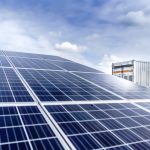
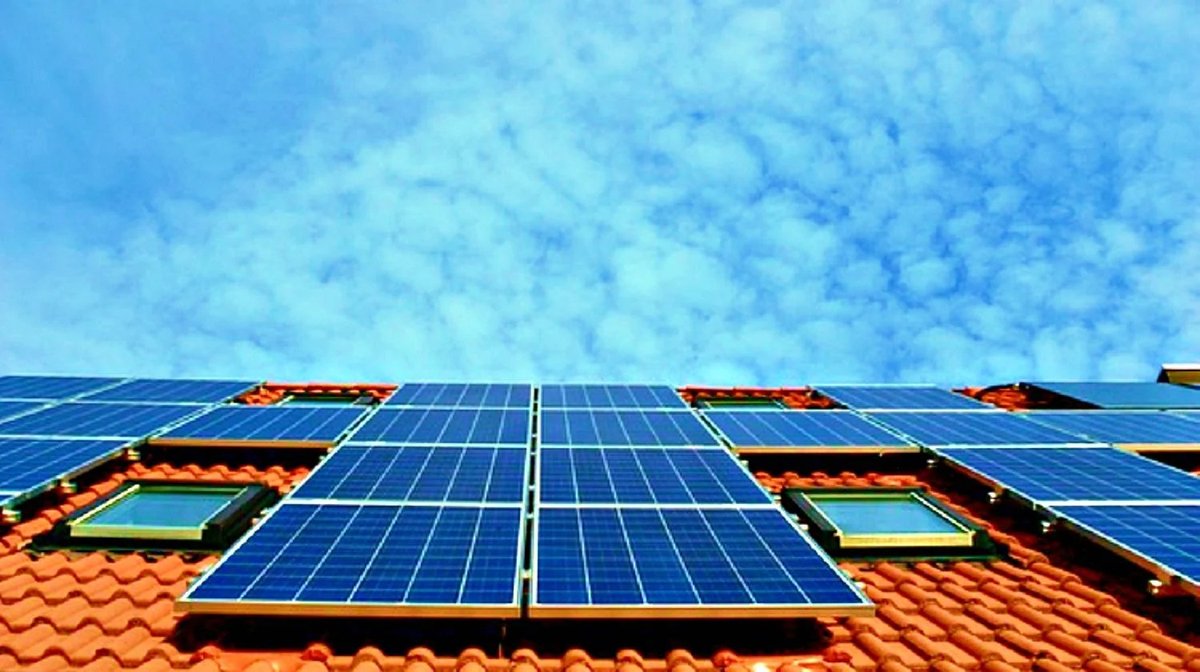
Solar panels are often the first technology people consider when thinking about how to generate electricity at home. They’re versatile, increasingly efficient, and suitable for many homes.
Ideal Conditions for Solar: To truly benefit from solar power, your property needs at least four peak sunlight hours per day and largely unshaded locations. Southern-facing roofs are typically best in the Northern Hemisphere, maximizing sun exposure throughout the day. Even partial shading from trees or nearby buildings can significantly reduce a system’s efficiency.
Choosing Your Panel Type:
- Monocrystalline: These are the most efficient, often reaching around 20%. They require the least space but come with the highest price tag. Their sleek, uniform appearance is also a plus for many homeowners.
- Polycrystalline: A more affordable option, polycrystalline panels typically offer around 16% efficiency. They are more tolerant of heat than some alternatives but may require slightly more surface area to produce the same power output.
- Thin-Film: With efficiencies ranging from 7-13%, thin-film panels are the most flexible and cheapest. However, they demand the most space for a given wattage, making them less common for residential rooftops unless space isn’t an issue.
Installation Considerations: A professional solar company can assess your roof’s slope, direction, and structural integrity to recommend the most efficient setup. Installation involves mounting the panels (either on your roof or on ground arrays) and installing inverters that convert the direct current (DC) electricity from the panels into alternating current (AC) suitable for home use.
Costs and Financial Perks: Expect an upfront investment for a solar system, typically ranging from $15,000 to $20,000, depending on your property size and desired wattage. However, various financing options, state rebates, and federal tax credits (like the Investment Tax Credit) can significantly reduce this cost. A major benefit is the ability to sell any excess electricity you generate back to your electric company through “net metering,” further offsetting your bills.
Catching the Breeze: Small Wind Turbines
For properties with consistent airflow, a small wind system offers another powerful avenue for generating electricity at home.
When Wind Power Makes Sense: Wind turbines thrive in flat areas with minimal tall buildings, where the average wind speed reaches 14 mph (23 km/h) or more. Wind speeds naturally increase with height, making proper turbine placement crucial for optimal performance. You can often find local wind resource maps online or have a professional conduct a site assessment.
Sizing Your Turbine: To determine the minimum rotor blade diameter (D) needed for your energy demands, you can use the formula: AEO = (0.01328)D^2V^3, where AEO is your annual energy output in kWh/year, D is the rotor diameter in feet, and V is the annual average wind speed in mph. For example, if you need 11,000 kWh/year and your property has an average wind speed of 20 mph, you’d need a turbine with approximately a 10-foot diameter.
Installation Challenges: Wind systems often need to be installed on a tower that is at least 30 feet (9.1 m) higher than any structure within a 500-foot (150 m) radius to capture undisturbed wind. This can be a hurdle, as many zoning ordinances have height limits, often around 35 feet (11 m) for residential properties. Checking these limits is essential early in your planning.
Investment: The cost for a small wind system is approximately $5,120 per kilowatt needed. This figure can vary based on tower height, turbine model, and installation complexity.
Transforming Waste: Biomass and Biogas Systems
If your property generates significant organic waste, converting it into energy can be a highly sustainable way to generate electricity at home.
Ideal Conditions for Organic Energy: These systems are best suited for properties that produce a steady stream of organic waste like wood chips, paper, old crops, sewage, or animal manure. Rather than sending these materials to a landfill, you can use them to fuel your home.
How the Systems Work: Biomass systems typically involve burning organic materials directly for heat or to power a generator. Biogas systems, often partially underground, collect waste in an anaerobic digester where microorganisms break it down, producing methane and carbon dioxide. This “biogas” is then captured and burned to generate heat, electricity, or even for cooking. Burning methane in a controlled biogas system is environmentally superior to releasing it into the atmosphere, as methane is a potent greenhouse gas. For hobby farmers or properties with large gardens, converting organic waste into usable energy offers a sustainable loop.
Cost Considerations: Biogas systems typically range between $3,000 and $4,000 per kilowatt needed. While upfront costs can be substantial, these systems generally have low maintenance requirements once installed, leading to long-term operational savings. Biogas setups tend to be slightly more expensive than basic biomass burners due to the specialized digester components.
Flowing Power: Micro-Hydro Systems
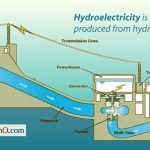
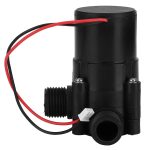
For those fortunate enough to have a consistent stream on their property, a micro-hydro system can provide exceptionally reliable and clean power.
Prerequisites for Micro-Hydro: The primary condition for a micro-hydro system is the presence of an existing stream with a consistent, year-round water flow. This isn’t just about having water; it’s about having sufficient “head” and “flow.”
Professional Assessment is Crucial: A professional inspection is absolutely necessary. They will measure the “head” (the vertical distance the water falls) and the “flow” (the quantity of water moving through the stream). Both factors are critical for determining the system’s potential power output. A higher head and stronger flow translate to more electricity.
Legality and Environmental Impact: Before any installation, you must obtain a county permit and thoroughly understand your water rights. Diverting or using stream water can have legal implications and potential environmental impacts on native species and downstream users. A comprehensive environmental assessment is often part of the permitting process.
Sizing and Longevity: The goal is to select a system that generates slightly more power than your typical monthly watt usage. Micro-hydro systems, while having upfront costs, are known for their longevity, often lasting decades with minimal maintenance. Reducing your overall energy consumption can lower the required kilowatt capacity for your system, thereby reducing the initial installation cost. A well-maintained micro-hydro system can quietly provide reliable power for decades, often with minimal ongoing costs.
Investment: Upfront costs for micro-hydro systems typically range from $1,500 to $2,000 per kilowatt. This can vary based on the complexity of the civil engineering work needed for water diversion and turbine installation.
Your Safety Net: Backup Generators
While not a primary source for generating electricity at home for independence, generators play a critical role in any robust home energy system.
Purpose of a Generator: Generators are primarily designed for backup electricity, ensuring power during outages when your main renewable energy systems (solar, wind, hydro) aren’t producing enough or have failed. They are not intended as a continuous primary power source due to fuel costs and emissions. Think of a generator as your insurance policy, kicking in only when your primary renewable sources can’t meet demand.
Types and Fuel:
- Portable Generators: These are generally cheaper, readily available, and can be moved. They’re good for occasional use but require manual setup during an outage.
- Permanent Generators: Installed permanently, these systems often automatically switch on when grid power or renewable power drops. They offer a more seamless long-term backup solution.
- Fuel Types: Diesel or biodiesel generators are generally recommended over gasoline due to better fuel efficiency and longer storage life for diesel fuel. Diesel engines are also often more durable.
Maintenance and Drawbacks: Generators are relatively simple machines and are typically easy to maintain with regular oil changes and checks. However, their main drawbacks are noise during operation and the accumulating cost of fuel. For homes looking to completely generate electricity at home, these are a last resort.
Cost: Portable generators can range from $3,000 to $10,000, depending on wattage and features. Permanent, whole-home diesel generators are more expensive than their gas-powered counterparts but offer significant fuel efficiency advantages over their lifetime.
Stepping Off the Grid: A Lifestyle Choice
Transitioning to an off-grid lifestyle, where you completely generate electricity at home, means embracing a new relationship with energy. It’s about self-reliance, sustainability, and sometimes, a little bit of grit.
Understanding Your Energy System Inside Out: If you’re buying an off-grid property or having a system installed, demand a complete walkthrough. Understand how every component—solar panels, wind turbine, battery bank, inverters, and backup generator—works together. Learn to monitor power levels, anticipate needs, and operate your generator manually if necessary. This knowledge empowers you to troubleshoot minor issues and optimize performance.
Proactive Maintenance and Preparedness: Inquire about the maintenance history of any existing system. Keep an inventory of spare parts like fuses, light bulbs, and plenty of fuel (propane, gasoline, or diesel) for your generator. Beyond the system, have a robust plan for power outages: flashlights, battery-operated lamps, warm blankets, and non-electric food preparation methods are crucial.
Embracing Energy Conservation: Off-grid living fundamentally shifts your energy mindset. You’ll naturally adjust habits to save energy: turning off lights, moderating your thermostat, and using power sparingly during periods of low sunlight or wind. Learn to run high-power appliances (like washing machines or dishwashers) when your renewable energy sources are abundant, such as midday for solar or during a particularly windy afternoon.
Diligent Battery Management: Your battery bank is the heart of your off-grid system. Monitor battery levels regularly to prevent complete drainage, which can severely shorten battery lifespan. Understand how long your batteries can power your critical loads (refrigerator, essential lights) during extended low-generation periods. If your needs grow, plan for upgrades. Lead-acid batteries are cheaper upfront but require more maintenance (watering, equalization charges) than the more expensive, but maintenance-free, lithium-ion alternatives.
The Vital Role of Backup Generators: Generators are not just for emergencies; they’re essential for consistent electricity generation when renewable sources fall short. A gasoline generator typically produces around 3.5 kWh per gallon, with an efficiency of about 10%. Diesel generators generally offer better fuel efficiency and greater longevity, making them a preferred choice for regular backup use in off-grid homes.
Expanding Your Capacity: Your energy needs might evolve. Fortunately, most off-grid systems can be expanded. You can add more solar panels, a larger wind turbine, or increase your battery bank capacity. A larger or dual-fuel generator can also boost your backup capabilities. For properties with suitable conditions, even a small-scale hydropower system or participation in community solar/wind projects could further enhance your energy independence.
The True Cost Realities of Off-Grid Living
While the appeal of “free” energy over time is strong, it’s vital to understand that the upfront investment to generate electricity at home for independence is substantial. It generally costs more initially than connecting to the utility grid.
As an example, consider equipment costs (materials only) for a hypothetical 1 kW solar/wind system from 2008 pricing:
- Solar array (1 kW): $6,000
- Dual-axis tracker: $6,250
- Wind generator with 50 ft tower (1 kW): $3,700
- Inverter/charger (4 kW): $3,000
- Batteries (for 1 day reserve): $8,000
- Total (materials only): $26,950
If you prorate the cost of a system like this over a 20-year lifespan, even without considering maintenance or installation labor, the cost per kilowatt-hour can be around $0.23, which was significantly higher than average utility costs in 2008 and often remains so compared to many current utility rates. The long-term savings come from avoiding escalating utility bills and achieving energy security, rather than a cheaper per-kWh cost from day one. To learn more about how generating your own power can reduce your utility bills, explore our comprehensive guide on Generate free electricity at home.
Lifestyle Considerations for Off-Grid Living: - Advantages: You gain unparalleled energy independence, significantly reduce your carbon footprint, exert complete control over your electricity supply, eliminate monthly electricity bills (after the initial investment), and build resilience during grid outages.
- Requirements: Off-grid living demands a degree of technical knowledge, adaptability to intermittent power availability, and a willingness to make lifestyle adjustments. It’s a continuous learning process.
- Accessibility: Modern off-grid homes can run standard appliances—refrigerators, stoves, televisions, and computers—provided the system is adequately sized. Internet access is readily available through satellite, rural wireless providers, or cellular data, ensuring you stay connected.
- Maintenance: While complex installations often require professionals, day-to-day off-grid living involves learning basic system operations and performing regular upkeep, such as checking battery electrolyte levels, cleaning solar panels, and monitoring system performance.
Practical Playbook for Home Energy Generation
Embarking on the journey to generate electricity at home requires a structured approach. Here’s a quick playbook to guide your decisions and implementation:
- Assess Your Needs: Determine your average daily and peak electricity consumption. This is the foundation for sizing any system.
- Evaluate Your Resources: Which natural resources (sun, wind, water, organic waste) are most abundant and consistent on your property? This will point you toward the most viable technologies.
- Check Local Regulations: Before getting attached to a specific system, research all local zoning laws, building codes, and HOA restrictions. This can save you significant headaches.
- Get Professional Site Assessments: For solar, wind, and especially micro-hydro, professional site assessments are invaluable. They provide precise data and system recommendations tailored to your location.
- Plan for Backup: Even with robust renewable systems, a reliable backup generator is a must for true energy independence and peace of mind during extended low-production periods.
- Budget Realistically: Account for not just equipment costs, but also installation, permits, and potential long-term maintenance. Explore all available incentives and rebates.
- Start Small, Scale Up: If a full off-grid system feels overwhelming, consider starting with a grid-tied solar system to offset your bills, then expand towards battery storage and further independence over time.
- Prioritize Energy Efficiency: The cheapest kilowatt-hour is the one you don’t use. Invest in energy-efficient appliances and practice conscious consumption to reduce your overall energy demand.
Quick Answers: Your Top Questions on Home Power
Q: Can I really cut my electricity bills to zero or even make money?
A: Yes, absolutely. With a sufficiently sized system and participation in net metering programs (where allowed by your utility), you can generate enough electricity to offset your entire bill. In some cases, you can even sell excess power back to the grid, though this depends heavily on local regulations and utility policies. However, remember the significant upfront investment; the “free” aspect comes after system payback.
Q: How much space do I need for these systems?
A: It varies greatly. Solar panels can fit on most roofs or on compact ground arrays. Wind turbines require a taller tower and clear space around them, especially from obstructions. Micro-hydro needs a stream, but the actual turbine footprint can be small. Biomass systems depend on the volume of waste and the digester size.
Q: Is it complicated to maintain a home energy system?
A: Modern systems are designed for reliability, but some basic maintenance is always required. Solar panels need occasional cleaning. Batteries require monitoring, especially lead-acid types. Generators need regular exercise and fuel. While you don’t need to be an expert, understanding your system’s basics and performing routine checks are essential and manageable.
Q: What about extreme weather? Will my system still work?
A: Renewable energy systems are built to withstand various weather conditions. Solar panels are durable against hail and snow (though snow can reduce output). Wind turbines are designed to shut down safely in very high winds. However, no system is immune to extreme events. A well-planned backup generator is crucial for resilience during extended periods of severe weather or equipment malfunction.
Your Path to Energy Self-Sufficiency
Taking charge of how to generate electricity at home is a significant step towards greater independence and a more sustainable lifestyle. Whether you choose to harness the sun, the wind, flowing water, or organic waste, each method offers a unique pathway to power your home. The journey requires research, careful planning, and often, professional expertise, but the rewards of reduced bills, environmental benefits, and true energy control are immeasurable. Start by assessing your resources and understanding your local regulations, and you’ll be well on your way to a more independent energy future.

- Interesting Facts About Hydroelectricity Beyond Dams and Turbines - March 14, 2026
- Is Hydropower Renewable Or Nonrenewable Resource? Sorting Out the Facts - March 3, 2026
- Hydroelectric Power Basics How Water Is Used For Electricity - February 26, 2026