Achieving true energy independence—being able to power your home without relying solely on the grid or paying monthly utility bills—is a goal many dream of. When you explore how to generate electricity for free, you’re not just looking at a pipe dream; you’re stepping into a practical world of renewable energy systems that can significantly cut your household expenses and even put money back in your pocket. This guide will walk you through the most viable options, helping you understand the conditions, costs, and commitments involved in turning your property into a personal power plant.
At a Glance: Generating Your Own Electricity
- Diverse Options: Choose from solar, wind, biomass, micro-hydro, or backup generators based on your property’s unique features.
- Property-Specific Conditions: Each system has distinct requirements, from sunlight hours for solar to average wind speed for turbines.
- Upfront Investment, Long-Term Savings: Expect initial costs, but many systems last decades with low maintenance, offering substantial savings and potential income.
- Professional Assessment is Key: Experts can evaluate your site’s potential and guide you through regulations and sizing.
- Sustainability & Control: Gain control over your energy source and contribute to a greener planet.
The Big Picture: Assessing Your Free Electricity Potential
Generating your own electricity fundamentally shifts control of your energy from a utility company to you. This move not only means potential profit by selling excess power but also a significant step towards a more sustainable lifestyle. However, before diving into specific technologies, it’s crucial to understand that “free” electricity comes after an initial investment and requires matching the right technology to your property’s specific resources.
For a broader understanding of how these systems fit into a comprehensive strategy for energy independence and cutting your bills, you might want to read our full guide on Generate free electricity at home. But for now, let’s drill down into the practicalities of each option.
Your journey starts by looking around your property. Do you have ample sunlight, strong winds, a flowing stream, or significant organic waste? Each answer points you towards a specific solution.
- Solar Panels: Best if your location receives at least four hours of peak sunlight daily.
- Wind Turbines: Ideal for flat, open areas with consistent wind and minimal obstructions.
- Biomass/Biogas Systems: Perfect if your property generates substantial organic waste like wood chips, paper, or animal manure.
- Micro-Hydro Systems: A unique opportunity for properties with an existing, flowing stream.
- Generators: Primarily for backup power, providing resilience when other sources falter.
Let’s explore each option in detail.
Unlocking Solar Power: Harnessing the Sun’s Bounty
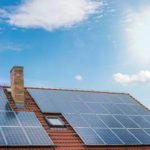
Solar panels are often the first thing people think of when considering how to generate electricity for free. They convert sunlight directly into usable electricity, making them a popular choice for homeowners.
Is Your Home Sun-Ready? Conditions for Solar Success
The primary condition for effective solar power is sunlight. Your property needs to receive a minimum of four hours of peak sunlight daily. “Peak sunlight” refers to the intensity of solar radiation, typically between 10 AM and 3 PM.
To assess your property’s potential:
- Check Sunlight Maps: Consult online resources that map peak sunlight hours for your region.
- Inspect for Shade: Look for trees, neighboring buildings, or other structures that cast significant shadows on your roof or potential ground-mount sites, especially during peak hours. Even small shadows can drastically reduce efficiency.
- Professional Consultation: Schedule a consultation with solar power companies. They use specialized tools to analyze your roof’s slope, direction (south-facing is generally best in the Northern Hemisphere), and shading patterns to estimate potential efficiency accurately.
Choosing the Right Solar Panel Type
Not all solar panels are created equal. Different types offer varying levels of efficiency, cost, and space requirements:
- Monocrystalline Panels: These are the most efficient, typically around 20%. They require the least space for a given power output but are also the most expensive. Their sleek, uniform black appearance is often preferred aesthetically.
- Polycrystalline Panels: A more affordable option with an efficiency of about 16%. They require slightly more space than monocrystalline panels and are recognizable by their blue, variegated appearance. They also have lower heat tolerance, meaning their efficiency can dip slightly in very hot conditions.
- Thin-Film Panels: The most flexible and cheapest option, with efficiencies ranging from 7-13%. They are lightweight and can be integrated into various surfaces, but they require the most space for the same power output. They are less common for residential rooftops due to their lower efficiency.
Installation and Financing Your Solar System
Once you’ve chosen your panels, installation involves setting up a robust mounting system (either on your roof or a ground array) and attaching inverters. Inverters are critical devices that convert the direct current (DC) electricity produced by the panels into alternating current (AC) electricity, which is what your home appliances use. While DIY kits exist, professional installation is highly recommended to ensure safety, efficiency, and compliance with local codes.
Financing: The upfront cost for a typical residential solar system can range from $15,000 to $20,000. This can be a significant barrier, but various financing options are available, including loans, leases, and Power Purchase Agreements (PPAs). Always inquire with your electric provider about potential rebates, tax credits (like the federal investment tax credit), or other incentives that can reduce your net cost. Many homeowners opt to install a few panels at a time, expanding their system as their budget allows.
Selling Excess Power: A major benefit is the ability to sell any extra electricity your system generates back to the electric company through net metering programs. This can further offset your investment and contribute to ongoing savings.
- Scenario: Imagine a homeowner, Sarah, living in Arizona. Her south-facing roof gets 5+ hours of peak sun daily. After a professional assessment, she installs monocrystalline panels. She finances the $18,000 system, qualifying for a 26% federal tax credit and a local utility rebate. Within five years, she’s not only eliminated her electricity bill but is also receiving credits for the excess power she sends back to the grid.
Riding the Wind: Small Wind Systems for Your Home
For those with open spaces and consistent breezes, a small wind turbine can be an excellent way to generate electricity for free. These systems capture kinetic energy from the wind and convert it into electrical power.
Navigating Regulations and Wind Conditions
Before you even consider a wind turbine, check local zoning restrictions. Many municipalities have strict regulations regarding structure height, setbacks from property lines, and noise. A common requirement is that your wind system must be 30 feet (9.1 m) higher than the tallest structure within 500 feet (150 m) to capture unobstructed wind.
Wind Conditions: Wind turbines thrive in areas with an average wind speed of 14 mph (23 km/h) or more. You can often use historical wind speed data from nearby airports or weather stations to get an initial estimate. Remember that wind speeds generally increase with height, so a taller tower translates to more power generation.
Sizing Your Turbine: The Power of Calculation
To determine the minimum turbine blade diameter (D) you’d need, you can use a simplified formula:
AEO = (0.01328)D²V³
Where:
- AEO = Annual Energy Output in kilowatt-hours (kWh)
- D = Rotor diameter in feet
- V = Annual average wind speed in mph
For example, if your home uses 11,000 kWh per year and your average wind speed is 20 mph, you would need a turbine with a rotor diameter of approximately 10 feet (3.0 m). This calculation helps ensure your system is appropriately sized for your energy needs.
Cost and Practical Considerations for Wind Power
The cost of a small wind system typically ranges around $5,120 per kilowatt of generating capacity needed. This includes the turbine, tower, inverter, and installation. While wind energy offers significant long-term savings, the upfront investment can be substantial.
Noise: Wind turbines, even small ones, can generate some noise, which is another reason for strict zoning regulations. Consider your neighbors and local ordinances carefully.
Maintenance: Modern wind turbines are designed for durability, but they do require periodic maintenance, such as checking blades and lubricating moving parts.
- Scenario: Mark lives on a small farm in a flat, open area of Kansas, experiencing consistent average wind speeds of 18 mph. After confirming local zoning allows a 60-foot tower, he calculates he needs a 12-foot rotor diameter turbine to meet his 15,000 kWh annual consumption. His initial investment of around $25,000 includes installation, and he anticipates the system paying for itself within 8-10 years through reduced electricity bills.
Turning Waste into Watts: Biomass & Biogas Systems
For properties that produce a significant amount of organic waste, biomass or biogas systems offer a truly circular approach to generating electricity for free, heating, and cooking. Instead of waste going to a landfill, it becomes a valuable energy source.
Ideal Conditions: What Kind of Waste Do You Have?
These systems are ideal if you consistently produce large amounts of organic waste. This isn’t just kitchen scraps; it includes:
- Wood chips and timber offcuts (from woodworking or forestry)
- Paper products
- Old crops and agricultural residues
- Sewage and wastewater
- Animal manure (from livestock operations)
The principle is simple: these materials contain stored energy that can be released and captured.
The Biogas Process: From Rot to Power
Biogas systems, specifically, utilize anaerobic digestion, where microorganisms break down organic matter in the absence of oxygen, producing a gas mixture primarily composed of methane and carbon dioxide. This biogas can then be burned to generate electricity, provide heat, or even be used for cooking. Burning methane is significantly preferable to simply releasing it into the atmosphere, as methane is a potent greenhouse gas.
Biomass systems, on the other hand, might directly burn wood chips or other solid organic materials in specialized boilers to produce heat, which can then be converted into electricity.
Installation and Cost: A Buried Treasure
Biogas systems are often partially underground, involving a digester tank where waste collects and decomposes. The generated gas is then captured and piped to a generator or other appliances. Due to the complexity of these systems and the handling of flammable gases, a professional assessment is strongly recommended to determine the appropriate size and ensure safe installation.
The cost for biomass or biogas systems typically falls between $3,000 and $4,000 per kilowatt needed. While the upfront installation cost can be the most expensive component, the beauty of these systems lies in their low ongoing fuel cost (your waste!) and relatively low maintenance once established.
- Scenario: A small dairy farm generates tons of cow manure daily. Instead of spreading it, the farmer invests in a biogas digester. The system, costing approximately $15,000, processes the manure to produce methane, which powers a generator providing electricity for the farm’s barns and milking equipment. The farmer not only reduces his waste but also his utility bills significantly.
Tapping into Flow: Micro-Hydro Systems
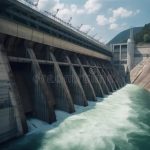
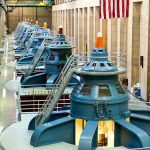
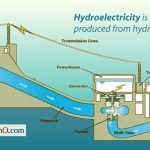
If your property is blessed with a natural stream, a micro-hydro system could be your answer to how to generate electricity for free. These systems harness the kinetic energy of flowing water to spin a turbine and produce electricity.
Essential Conditions: A Stream You Can Work With
The primary requirement for a micro-hydro system is a natural stream with consistent water flow on your property. Not just any stream will do; it needs to have both “head” and “flow.”
- “Head”: This refers to the vertical drop of the water from its intake point to the turbine. More head generally means more pressure and therefore more power.
- “Flow”: This is the quantity of water moving through the stream, measured in gallons per minute or cubic feet per second. A steady, ample flow is crucial.
Professional Inspection: Have a professional inspect your stream to accurately measure both head and flow. They can also identify suitable locations for intake, turbine placement, and outflow. Accessing existing surveys from county records can sometimes provide valuable data about local water resources.
Permitting and Environmental Considerations
Micro-hydro systems involve diverting water, even temporarily, which can have environmental implications. Obtaining a permit from your county is essential, and this process often involves researching water rights and potential environmental impact on native species or downstream ecosystems. It’s crucial to ensure your system doesn’t negatively affect local wildlife or water quality.
Sizing and Cost: Decades of Reliable Power
To effectively power your home, choose a micro-hydro system that generates slightly more watts than your average monthly usage. This ensures you have a comfortable surplus and can potentially sell excess power back to the grid.
The cost for micro-hydro systems typically ranges between $1,500 and $2,000 per kilowatt. Similar to other renewable systems, the upfront costs are the highest. However, once installed, micro-hydro systems are renowned for their durability and longevity, often lasting for decades with very low maintenance. They offer some of the most consistent and reliable power generation among renewable sources.
- Scenario: The Miller family owns a cabin property in the mountains with a year-round, fast-flowing stream dropping 30 feet over a 100-foot stretch. After obtaining county permits, they install a micro-hydro system for $8,000. This system easily meets their cabin’s energy needs, providing consistent, clean power regardless of sunlight or wind, and requires only occasional cleaning of the intake screen.
The Practical Backup: Generators (When “Free” Needs a Boost)
While generators don’t fit the strict definition of “how to generate electricity for free” because they consume fuel, they are an indispensable component of a resilient home energy strategy, especially when your primary renewable sources are insufficient or the grid goes down.
Purpose: Backup, Not Primary
It’s critical to understand that generators are primarily designed as backup electricity systems, not as a primary source of daily power. Running a generator constantly would incur significant fuel costs, negating the “free” aspect.
Types and Considerations: Diesel, Biodiesel, Portable, Permanent
- Fuel Types: Diesel and biodiesel generators are common. Diesel generators are generally more fuel-efficient and robust, though slightly more expensive upfront. Biodiesel offers a more environmentally friendly fuel option.
- Portability: Portable generators are cheaper and can be moved, making them suitable for occasional outages or powering specific appliances. They require manual setup and refueling.
- Permanent Generators: These are installed permanently outside your home, often connected directly to your electrical panel. They can automatically kick on when grid power is lost, providing a seamless transition. While more expensive upfront, they offer greater convenience and reliability for long-term solutions.
Cost and Practicalities: Fueling Your Resilience
The cost of generators varies widely, from $3,000 for a robust portable model to $10,000 or more for a permanent, whole-home standby system, plus installation costs.
Considerations:
- Noise: Generators can be quite noisy, so placement away from living areas and neighbors is important.
- Fuel Costs: This is the ongoing expense. While generators provide peace of mind during outages, remember that you’re paying for the fuel. Having a stored supply of fuel is essential.
- Maintenance: Regular maintenance, including oil changes and filter replacements, is necessary to keep your generator in top working condition.
- Scenario: A family in a rural area relies on solar panels as their primary power. They install a permanent 10kW diesel generator for $7,500. During a week of cloudy, windless weather, or a major grid outage, the generator automatically supplies power, ensuring their essentials like refrigeration and heating remain operational without interruption. The fuel cost for occasional use is minimal compared to the peace of mind it provides.
Making Your Choice: A Quick Decision Guide
Deciding which “free” electricity system is right for you boils down to matching your property’s resources with your energy needs and budget.
| System | Primary Condition | Typical Upfront Cost (per kW) | Key Benefit | Considerations |
|---|---|---|---|---|
| Solar Panels | 4+ hours peak sunlight daily | $3,000 – $4,000 | Widely applicable, scalable, often incentivized | Requires clear sun exposure, roof orientation |
| Small Wind | 14+ mph average wind speed | $5,120 | Good for open, windy areas | Zoning restrictions, height requirements, noise |
| Biomass/Biogas | Large amounts of organic waste | $3,000 – $4,000 | Waste-to-energy, low fuel cost | Waste availability, complex installation |
| Micro-Hydro | Consistent stream flow with “head” | $1,500 – $2,000 | Highly reliable, long-lasting | Permitting, environmental impact, stream access |
| Generators | Desire for backup power | $300 – $1,000 | Immediate backup, peace of mind | Fuel costs, noise, not “free” primary source |
| Always start with a professional site assessment. An expert can provide tailored advice, detailed cost estimates, and help navigate local regulations. |
Your Questions Answered: FAQs on Generating Free Electricity
Is it truly “free” electricity if I have to pay for the system upfront?
The term “free” refers to the operational cost of the electricity once the system is installed. While there is an initial investment, the fuel source (sunlight, wind, water flow, or waste) is free. Over the lifespan of the system, which can be decades, the energy produced offsets the upfront cost, often leading to significant savings and even profit. So, it’s free after the initial investment is recouped.
How long do these renewable energy systems typically last?
- Solar Panels: Generally last 25-30 years, often with warranties guaranteeing power output for that period.
- Wind Turbines (Small): Can last 20-25 years with proper maintenance.
- Biomass/Biogas Systems: With good management, components can last 15-20 years.
- Micro-Hydro Systems: Known for exceptional longevity, often operating effectively for 50 years or more with minimal maintenance.
Can I really sell electricity back to the grid?
Yes, in many regions, utility companies have “net metering” programs. If your renewable energy system generates more electricity than your home consumes, the excess is fed back into the grid, and your utility company credits your account or pays you for that power. Policies vary by location, so check with your local utility provider.
What’s the very first step I should take to explore these options?
The absolute first step is to perform a preliminary assessment of your property’s resources. Look for unshaded areas for solar, consistent winds for wind, streams for hydro, or large amounts of organic waste for biomass. Once you have a general idea, contact local renewable energy specialists for a professional site assessment and consultation. They can provide accurate feasibility studies and cost estimates.
Your Next Step Towards Energy Independence
Taking control of your home’s electricity supply is a powerful move, both for your wallet and the environment. While the path to generating electricity for free involves an initial investment and careful planning, the long-term rewards are undeniable: reduced bills, energy independence, increased property value, and a smaller carbon footprint.
Start by looking at your home and its surroundings with a fresh perspective. What natural resources are abundant? Which system aligns best with your lifestyle and local conditions? With the right information and professional guidance, you can transform your home into a sustainable powerhouse, truly cutting your bills and securing your energy future.

- Water Wheel Generators Bring Steady Renewable Energy Home - March 28, 2026
- Water Wheel Energy Generator Brings Free Off-Grid Power Home - March 27, 2026
- Hydroelectric Power Technology Harnesses Waters Energy for Electricity - March 26, 2026