The hum of the grid can feel like a tether, tying your home’s energy future to utility companies and fluctuating rates. But what if you could snip that cord, at least partially, and take charge? Understanding how to generate power at home isn’t just about saving money; it’s about reclaiming independence, fostering environmental responsibility, and building a resilient home that stands apart from external vulnerabilities.
This guide will walk you through the practicalities of generating your own electricity, from harnessing the sun and wind to leveraging waste and water, offering a clear path to energy independence.
At a Glance
- Diverse Options: Explore solar, wind, biomass/biogas, and micro-hydro systems to match your property’s unique resources.
- Site-Specific Suitability: Learn to assess if your home is ideal for specific generation methods based on sun, wind, water, or waste availability.
- Realistic Costs & ROI: Understand the approximate upfront investments and long-term maintenance implications for each system.
- Off-Grid Living Insights: Discover the lifestyle adjustments, technical knowledge, and expansion strategies for true energy independence.
- Backup Power Smarts: Differentiate between primary generation and essential backup solutions like home generators.
Empowering Your Home: Why Generate Your Own Power?
The drive to generate your own power at home stems from a powerful desire for control. When you produce your own electricity, you’re not just cutting down on monthly utility bills; you’re building energy independence, reducing your environmental footprint, and potentially even creating a new revenue stream by selling excess power back to the grid. It’s a strategic move for homeowners looking for long-term stability and resilience.
While the concept of “free electricity” is appealing, the reality involves significant upfront investment in equipment and installation. However, the long-term benefits often outweigh these initial costs, providing predictable energy expenses and a valuable asset to your property. For a broader overview of how these systems contribute to eliminating your electricity bills, you can refer to our main guide: How to generate free power.
Your Home Power Blueprint: Matching Systems to Your Landscape
Choosing the right home power generation system begins with an honest assessment of your property’s unique resources and local regulations. What works for a sunny suburban home won’t necessarily suit a windy rural acreage or a property with a flowing stream. Each method has specific requirements and optimal conditions.
- Solar Panels: Are you in an area that consistently receives at least 4 hours of peak sunlight daily? Is your roof largely unshaded, especially during midday? If so, solar could be your primary contender.
- Wind Turbines: Do you live in a flat area with few tall obstructions and average wind speeds of 14 mph (23 km/h) or more? Before getting too excited, check local zoning for height restrictions, as these can be significant.
- Biomass/Biogas Systems: Do you regularly produce significant organic waste, such as wood chips, paper, sewage, or animal manure? If you have livestock, biogas from animal waste becomes a compelling option.
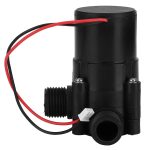
- Micro-Hydro Systems: Is there an existing stream on your property with a sufficient “head” (vertical drop) and consistent “flow” (water quantity)? This option requires professional evaluation and permits due to its impact on natural waterways.
- Generators: While not a primary power source, a backup generator is an invaluable tool for ensuring continuity during grid outages, regardless of your chosen renewable system.
Deep Dive: Harnessing Nature’s Best for Your Home
Let’s break down each major power generation method, exploring their specifics, costs, and practical considerations.
Solar Panels: Catching the Sun’s Rays
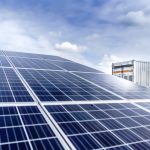
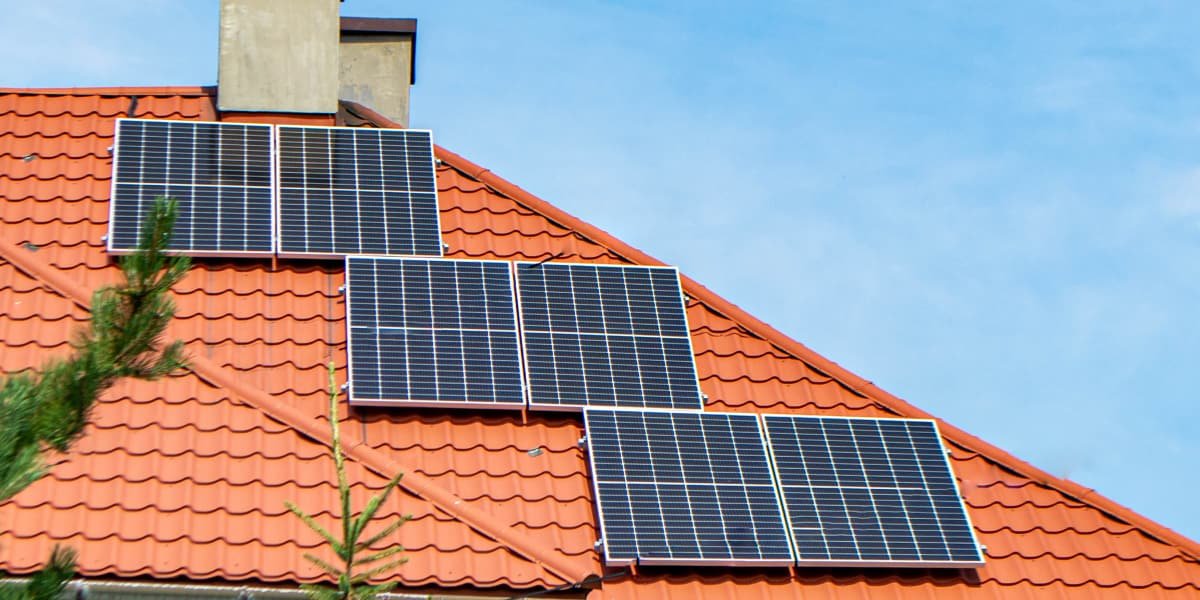
Solar panels are a popular choice for their widespread applicability and decreasing costs. They convert sunlight directly into electricity, making them a clean and increasingly affordable option.
Key Requirements & Types:
Your property needs at least four peak sun hours daily, ideally with unshaded roof space or a ground-mount area. There are three main panel types:
- Monocrystalline: Offers 20% efficiency, compact design, but are the most expensive. They perform well in standard conditions.
- Polycrystalline: Around 16% efficiency, more affordable, but their performance can degrade slightly in high heat.
- Thin Film: The cheapest and most flexible (can even be integrated into roofing materials), but with lower efficiency (7-13%), they require more space for the same power output.
The Process & Practicalities:
Start by consulting reputable solar companies for a site assessment and quote. They’ll help you choose the right panel type and system size for your needs. You’ll need to consider financing options and look into federal, state, and local rebates or tax incentives that can significantly offset the upfront cost. Installation involves mounting the panels and integrating inverters, which convert the direct current (DC) electricity from the panels into alternating current (AC) usable by your home appliances. Many systems are grid-tied, allowing you to sell excess electricity back to your utility.
Costs & Returns:
An average residential solar system can cost anywhere from $15,000 to $20,000 upfront, though prices vary significantly by system size and location. While this is a substantial initial investment, the ability to generate your own power, coupled with potential grid sell-back and incentives, typically leads to a favorable return on investment over time.
Wind Turbines: Tapping into the Invisible Current
For homes in consistently windy areas, small wind turbines can be an efficient way to generate power, especially when integrated with solar for a hybrid system.
Key Requirements & Considerations:
The most critical requirement is an average wind speed of 14 mph (23 km/h) or more. Crucially, wind turbines need to be positioned at least 30 feet (9.1 meters) higher than any structure within a 500-foot (150-meter) radius to minimize turbulence and maximize efficiency. Zoning restrictions on turbine height are common, often limiting them to around 35 feet (11 meters), so a thorough check with your local municipality is essential.
The Process & Practicalities:
Hiring a professional for a detailed wind assessment is the first vital step. They can accurately measure your site’s wind resource and help calculate the appropriate rotor diameter (D) using the formula: Annual Energy Output (AEO) in kWh = (0.01328) * D^2 * V^3 (where D is rotor diameter in feet and V is average wind speed in mph). Once the system size is determined, you’ll purchase the turbine from a specialized supplier. Consider noise levels and potential visual impact on neighbors.
Costs & Returns:
Small wind systems typically cost around $5,120 per kilowatt of capacity needed. Like solar, the upfront cost is significant, but for suitable sites, the long-term energy savings can be substantial.
Biomass & Biogas: Turning Waste into Watts
If your property generates a consistent supply of organic waste, biomass or biogas systems offer a unique and sustainable way to generate heat and electricity.
Key Requirements & Materials:
These systems thrive on the availability of waste materials such as wood chips, paper, agricultural waste, sewage, or animal manure. Biogas systems, in particular, are ideal for farms or properties with livestock, as they efficiently convert animal waste into methane.
The Process & Practicalities:
Biomass systems generally involve burning organic materials to produce heat, which can then be used for heating, cooling, or even cooking. Some systems can generate electricity. Biogas systems work by anaerobically digesting organic waste in an enclosed digester, producing methane and carbon dioxide. This gas can be captured and used as fuel. Many systems are partially underground to maintain stable temperatures and aesthetics. Due to the complexities of gas production and handling, professional installation is highly recommended.
Costs & Returns:
Expect upfront costs of $3,000 to $4,000 per kilowatt needed. While the initial investment can be high, the “fuel” is often free or low-cost waste, leading to very low ongoing maintenance costs and significant long-term savings, especially if you have a consistent waste stream.
Micro-Hydro Systems: The Power of Flowing Water
For properties fortunate enough to have a suitable stream, micro-hydro systems can provide a remarkably consistent and long-lasting source of electricity.
Key Requirements & Permits:
The absolute necessity here is an existing stream on your property. However, it’s not just any stream; it needs sufficient “head” (the vertical fall of the water) and consistent “flow” (the volume of water over time). This is a highly specialized area, requiring a professional inspection to accurately assess these factors. Furthermore, obtaining county permits, researching water rights, and conducting an environmental impact assessment are mandatory and often complex steps.
The Process & Practicalities:
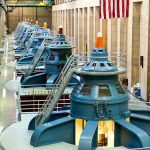
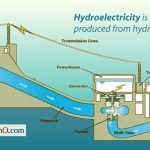
After professional assessment and securing all necessary permits, you’ll select a micro-hydro system based on your estimated monthly watt usage. The system typically involves a small diversion structure, a pipeline (penstock) to carry water downhill, a turbine, and a generator. These systems are known for their extreme longevity and low operating costs once installed.
Costs & Returns:
Micro-hydro systems typically cost $1,500 to $2,000 per kilowatt. While the upfront costs can be substantial, especially with the professional assessments and permitting, their operational lifespan can extend for decades with very minimal maintenance, offering an excellent long-term return.
Backup Generators: Your Safety Net
While renewable systems provide primary power, grid outages are an inevitable reality. A reliable backup generator ensures your essential appliances remain powered when your primary source is down.
Types & Advantages:
Generators come in portable or permanent installations. Diesel or biodiesel models are generally more fuel-efficient than gasoline. They offer immediate emergency power and are relatively straightforward to maintain. Diesel generators, in particular, approach the efficiency of utility power plants.
Disadvantages & Practicalities:
The main drawbacks are noise and the ongoing cost of fuel, which can accumulate during prolonged outages. A gasoline generator provides roughly 3.5 kWh per gallon, operating at about 10% efficiency, with a higher carbon footprint than even a coal-fired power plant. For more sustainable and efficient backup, consider a diesel or biodiesel model and ensure you have adequate, safe fuel storage.
Stepping Towards True Energy Independence: Living Off the Grid
Moving completely off the grid is the ultimate expression of energy independence. It’s a rewarding but demanding commitment that requires a holistic understanding of your energy system and a willingness to adapt your lifestyle.
The Off-Grid Mindset: What to Expect
Embracing off-grid living means becoming an active manager of your home’s entire energy system. This involves a deep understanding of how your solar panels, wind turbines, battery banks, inverters, and backup generator all work together. You’ll need to learn how to monitor power consumption and battery levels, operate and refuel your generator, and perform basic maintenance. Inquire about the maintenance history of any existing system if you’re buying an off-grid property, and always keep spare parts and fuel on hand. Prepare for occasional outages by having alternative light and heat sources. This lifestyle also requires adjusting energy usage habits: turning off lights when not in use, moderating thermostat settings, and conserving power during periods of low sun or wind.
Mastering Intermittent Power: Keeping the Lights On
Renewable energy sources like solar and wind are, by nature, intermittent. Managing this variability is crucial for off-grid success. Regularly monitor your battery levels to prevent full drainage, which can severely damage battery lifespan. Understand your battery’s capacity and what critical loads it can sustain during extended low-generation periods. Plan to run high-power appliances, like washing machines or well pumps, when renewable energy is abundant (e.g., on sunny, windy days). Keep battery-powered devices charged for emergencies, and always maintain sufficient backup fuel for your generator. If you experience frequent power shortfalls, it might be time to consider expanding your system.
Scaling Up: Expanding Your System
As your energy needs evolve or you seek greater resilience, you can expand your off-grid system. This could involve adding more solar panels, potentially with trackers to optimize sun exposure, or installing larger wind turbines if your site permits. Upgrading your battery bank is another common expansion; while lead-acid batteries are cheaper, lithium-ion options offer less maintenance and longer lifespans. For enhanced backup, consider a larger or dual-fuel generator. In some areas, community solar or wind projects might offer an avenue to supplement your home’s generation.
The Real Cost of Freedom: Off-Grid Economics
While the “fuel” (sun, wind, water) for off-grid power is free, the initial equipment and installation costs are substantial. It’s important to understand that off-grid electricity can often be more expensive per kilowatt-hour (kWh) than utility power over the system’s lifespan. For example, a 1 kW off-grid system priced at $26,950 (in 2008) generated electricity at about $0.23/kWh over 20 years, which was more than double the average utility cost at the time. This cost doesn’t even factor in the time and effort required for self-management.
However, the value isn’t purely monetary. Off-grid living provides unparalleled energy independence, control over your electricity source, and a reduced carbon footprint, which are intangible benefits often prioritized by those who choose this path. Internet access is readily available via satellite, rural wireless, or cellular data, so you won’t be completely disconnected. While some basic technical knowledge and regular maintenance are required, many modern systems are largely automated, making the day-to-day management more accessible than ever.
Quick Answers to Common Power Generation Questions
Q: Are home power generation systems truly “free” after installation?
A: The energy source (sun, wind, water) is free, but the initial equipment, installation, and ongoing maintenance (batteries, inverters, filters, professional checks) mean there are still costs. It’s more accurate to say you gain energy independence and reduce or eliminate utility bills.
Q: Can I install these systems myself?
A: Some components, especially basic solar panel installations, can be DIY for handy homeowners. However, complex systems like micro-hydro, large wind turbines, or complete off-grid setups often require professional assessment, specialized installation, and adherence to electrical codes and permits.
Q: How long do these systems last?
A: Solar panels typically have a warranty for 20-25 years, often lasting longer. Wind turbines can last 20+ years with proper maintenance. Micro-hydro systems are known for exceptional longevity, often operating for decades. Batteries, especially lead-acid, may need replacement every 5-15 years depending on usage and type.
Q: What about selling excess power back to the grid?
A: Many grid-tied renewable systems qualify for “net metering” programs, where your utility credits you for surplus electricity you feed into the grid. Policies vary by location, so check with your local utility and state energy office.
Q: Is off-grid living practical for everyone?
A: It requires significant upfront investment, a willingness to monitor and manage your energy use, and an adaptation to intermittent power sources. It’s a lifestyle choice best suited for those committed to self-sufficiency and comfortable with technical oversight.
Your First Steps to Home Power Generation
Embarking on the journey to generate power at home starts with an informed decision and a clear plan.
- Assess Your Resources: Look at your property objectively. How much sun does it get? Is it consistently windy? Do you have a suitable stream or consistent organic waste? This initial assessment will narrow down your options significantly.
- Research Local Regulations: Before investing, thoroughly investigate local zoning laws, building codes, and permitting requirements for your chosen system type. This is especially crucial for wind turbines and micro-hydro systems.
- Get Professional Assessments: For anything beyond a simple DIY solar setup, hire professionals to assess your site’s potential for solar, wind, or hydro, and to evaluate your waste stream for biomass/biogas. Their expertise can save you costly mistakes.
- Crunch the Numbers: Obtain detailed quotes for equipment and installation. Factor in potential rebates, tax credits, and the long-term savings on utility bills. Compare the projected cost per kWh to your current utility rates.
- Plan for Backup: Even with a robust renewable system, consider how you’ll manage power during extended periods of low generation or maintenance. A backup generator is often a wise addition.
Generating your own power at home is a powerful step towards a more resilient, sustainable, and independent future. It demands research, planning, and investment, but the rewards of controlling your energy destiny are profound.

- Hydroelectric Power Plants Turn Water into Sustainable Electricity - March 20, 2026
- Interesting Facts About Hydroelectricity Beyond Dams and Turbines - March 14, 2026
- Is Hydropower Renewable Or Nonrenewable Resource? Sorting Out the Facts - March 3, 2026