The idea of living off the grid, free from the monthly grind of electricity bills, isn’t just a fantasy—it’s an increasingly tangible reality for many homeowners. Learning how to get free electricity at home taps into a deep desire for independence, cost savings, and a lighter footprint on our planet. While the initial setup for generating your own power requires an investment, the energy you produce day in and day out truly becomes “free” over time, offering a profound sense of self-sufficiency.
At a Glance: Your Path to Free Home Electricity
Solar Power Dominates: It’s the most accessible, affordable, and practical option for the majority of homeowners today.
Location is Key: Wind, hydro, and biogas systems are powerful but demand specific environmental conditions.
Emerging Tech is Niche (for now): Technologies like fuel cells or piezoelectric offer exciting potential but aren’t yet viable for whole-home power.
Storage is Non-Negotiable: Batteries are essential for consistent power, especially when the sun isn’t shining or the wind isn’t blowing.
Hybrid Systems Offer Reliability: Combining different energy sources can create a robust, all-weather power solution.
Professional Guidance is Critical: Major energy systems require expert assessment, design, and installation to ensure safety and efficiency.
The Fundamental Shift: Why Generating Your Own Power Matters
For generations, electricity has been a utility, a service we pay for monthly. But with rising energy costs, global warming concerns, and a growing desire for resilience, a fundamental shift is underway. Home electricity generation isn’t just about cutting bills; it’s about energy independence and contributing to a more sustainable future. Globally, residential energy consumption has climbed to roughly one-third of total demand over the last 50 years, and much of this still comes from fossil fuels. By generating your own power, you directly combat these trends.
Understanding a few basic terms helps clarify the picture:
Electricity: The flow of electrical current, measured in Amperes (AMPS).
Power: The rate at which energy is consumed, measured in Watts.
Energy: The constant force that can change forms—like solar energy transforming into usable electricity.
The goal isn’t just to produce power, but to do so efficiently and sustainably, leveraging the constant, free energy sources nature provides.
Tapping into Abundance: Your Primary Options for Free Electricity
When exploring how to get free electricity at home, a few methods stand out for their practicality and proven track record. These are the workhorses of home energy generation, each with unique requirements and benefits.
Solar Power: The Sun’s Daily Gift
For most homeowners, solar power is the clearest path to generating free electricity. It’s affordable, widely available, and requires minimal ongoing input once installed. Rooftop solar panels capture sunlight, converting it into direct current (DC) electricity. An inverter then transforms this DC power into alternating current (AC), which is what your home appliances use.
Conditions for Success: You’ll need at least four peak sunlight hours daily. South-facing roofs (in the Northern Hemisphere) with minimal shading are ideal.
Types of Panels:
Monocrystalline: The most efficient (around 20%), compact, but also the most expensive.
Polycrystalline: Slightly less efficient (around 16%) and larger, but more affordable and common.
Thin-film: The cheapest and most flexible, but also the least efficient (7-13%) and requires the most space.
The Financial Picture: While the average upfront cost can be $15,000 to $20,000, government subsidies, tax credits, and net metering programs (selling excess electricity back to the grid) can significantly reduce this. Over 25-30 years, the operational cost is virtually zero.
Case Snippet: Imagine a suburban home in Arizona installing a 6 kW solar system. After federal tax credits, the net cost might be around $12,000. Within 7-10 years, the savings on electricity bills could offset this investment, providing truly free electricity for decades thereafter.
Wind Power: Harnessing the Invisible Current
If you live in a consistently windy location, a small wind turbine can be a powerful complement or alternative to solar. These systems convert wind energy into electricity, working day and night as long as the wind blows.
Optimal Conditions: Wind turbines require consistent average wind speeds of 14 mph (23 km/h) or more. Rural or coastal regions are typically best.
Key Considerations: Zoning restrictions are crucial; turbines often need to be significantly taller than surrounding structures (e.g., 30 feet higher than any building within 500 feet) to capture unobstructed wind. Noise can also be a factor for residential installations.
Cost & Types: Expect to pay around $5,120 per kilowatt needed. Residential models include rooftop, backyard pole-mounted, and Vertical Axis Wind Turbines (VAWTs), which are quieter and better suited for turbulent urban winds, though generally less efficient.
Micro-Hydro Power: The Constant Flow of Energy
For homes with access to a year-round flowing stream or river, micro-hydro offers incredibly consistent, 24/7 power. This method uses a turbine to convert the kinetic energy of moving water into electricity.
Strict Conditions: This is highly location-dependent. A professional assessment is needed to determine “head” (vertical drop) and “flow” (water quantity). Permits, water rights, and environmental impact studies (e.g., protecting fish habitats) are always necessary.
Benefits: Once installed, micro-hydro systems are remarkably reliable, low-maintenance, and can last for decades, providing truly consistent free electricity.
Cost: Around $1,500 to $2,000 per kilowatt, making it cost-effective if conditions are met.
Biogas & Biomass: Turning Waste into Watts
These methods convert organic matter into usable energy, making them excellent choices for rural homes, farms, or those with significant organic waste streams.
Biogas Plants: Use organic waste (kitchen scraps, animal manure, garden clippings) in an anaerobic digester to produce methane gas. This methane can be burned for cooking or to run a generator for electricity. Burning methane is far better for the environment than letting it escape into the atmosphere.
Biomass Systems: Burn sustainably harvested natural materials like wood pellets, logs, or chips for heating and sometimes electricity.
Ideal Setting: Best for households with a consistent supply of organic waste, often found in agricultural or village settings.
Cost: Roughly $3,000 to $4,000 per kilowatt.
Environmental Note: When managed sustainably, biomass can be carbon neutral, as the carbon released during burning is reabsorbed by new growth.
Beyond the Obvious: Niche & Emerging Technologies
While the methods above are the most practical for generating substantial amounts of free electricity at home, several other technologies exist. These often serve niche applications, provide supplemental power, or are still in early development for whole-home use.
Geothermal Systems: Earth’s Stable Embrace
Often confused with electricity generation, geothermal primarily provides incredibly efficient heating and cooling for homes. By circulating fluid through underground pipes, it leverages the Earth’s stable temperature as a heat exchanger.
Efficiency: Geothermal heat pumps are exceptionally efficient (300-600%), meaning they produce 3-6 units of heating/cooling for every unit of electricity consumed.
Electricity Generation: While some advanced setups can generate a small amount of electricity, their primary benefit is drastically reducing your heating and cooling electricity consumption, making them a powerful tool for cutting your electricity bills, if not fully generating free electricity for all needs.
Installation: Requires significant land for horizontal loops or drilling for vertical loops, necessitating experienced professionals for assessment and installation.
Fuel Cells: The Clean Chemistry of Power
Fuel cells convert chemical energy into electrical energy, often using hydrogen and oxygen to produce electricity with water as the only byproduct. They are remarkably efficient (up to 60% for electricity, 80% with waste heat capture).
Current Limitations for Home Use: While promising for stationary power, the technology is still expensive, and a widespread, safe hydrogen infrastructure is lacking. DIY hydrogen production is extremely dangerous and not recommended.
TEGs: Convert temperature differences directly into electricity using semiconductors (Seebeck effect). They have no moving parts but are currently low-efficiency (5-8%). Ideal for powering small, low-power devices from waste heat sources like wood stoves or car engines. Not suitable for whole-house power.
Stirling Engines: These external combustion engines run on any heat source (solar, biomass, waste heat) by expanding and contracting a confined gas. They are quiet and reliable but slow to start and generally not powerful enough for whole-house electricity yet.
Human-Power & Piezoelectric Energy: Small Watts from Daily Life
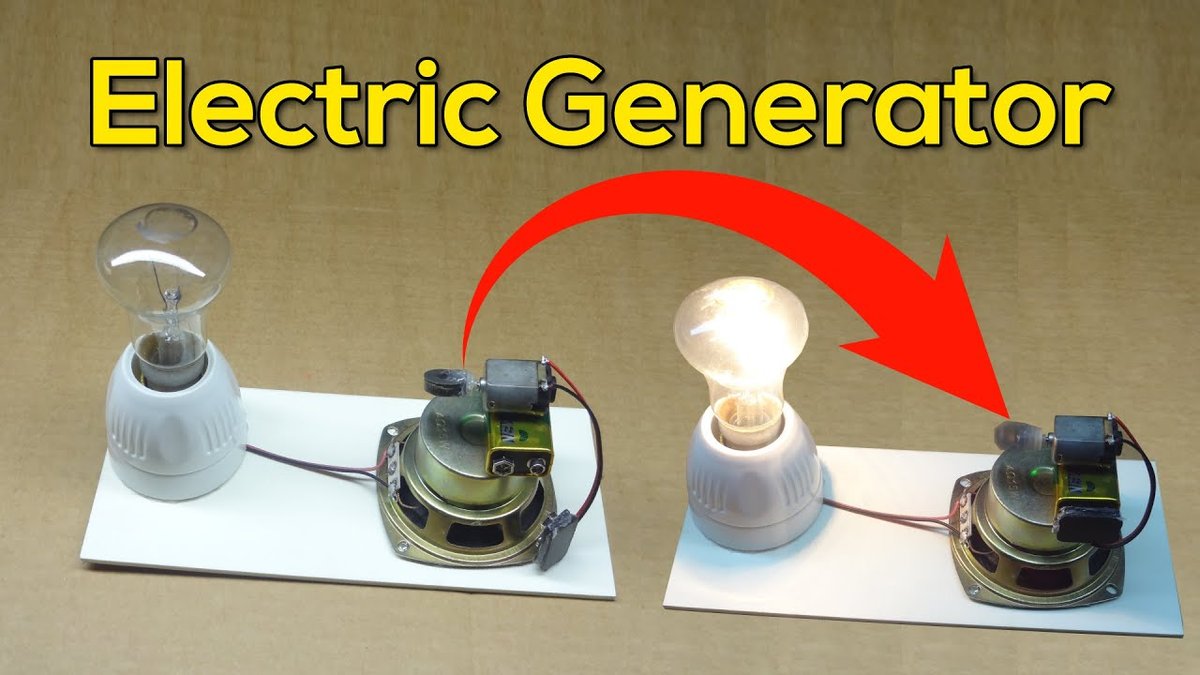
Human-Power: Converting physical activity (like pedaling a bicycle generator) into electricity. An average person can sustain about 100 watts of power. Excellent for charging phones, laptops, or powering small LED lights, and fantastic for emergency preparedness or educational purposes. Not a source for whole-house free electricity.
Piezoelectric Energy: Generates tiny voltages from mechanical pressure (e.g., walking, vibrations). While future applications might include self-charging shoes or roads that generate power, the current output is too small for significant home electricity.
Atmospheric Energy Harvesting: The Frontier of Power
This cutting-edge field explores ways to pull energy from the ambient atmosphere, utilizing static electricity, temperature differences between ground and air, or moisture gradients. It’s in very early stages, with minuscule power outputs, but holds promise for powering tiny, remote sensors without batteries. It’s decades away from providing home electricity.
The Missing Piece: Storing Your Free Electricity
Generating electricity is one thing; having it available around the clock is another. Since the sun doesn’t shine at night and the wind isn’t always blowing, robust storage solutions are crucial for achieving truly free, consistent power.
Battery Energy Storage Systems
Modern battery systems are the backbone of energy independence. They store excess electricity generated during peak production times (e.g., sunny afternoons) for use when demand is high or production is low.
Mobec Homez ESS: Designed for whole-home backup, these systems integrate seamlessly with solar, store surplus energy, and provide reliable, round-the-clock power. Their compact design and eco-friendly operation make them a smart investment for energy independence.
Mobec NewGen (7–10 kWh): For more portable or emergency needs, solutions like the Mobec NewGen offer on-demand power. It’s compact, multi-purpose (suitable for homes, EVs, or off-grid use), and provides a clean, quiet alternative to traditional fuel generators during outages.
Backup Generators
For an extra layer of security, especially in hybrid systems or for critical loads, generators remain a viable backup.
Diesel/Biodiesel Generators: Simple to maintain and reliable during outages. However, they are noisy, produce emissions, and incur ongoing fuel costs (typically $3,000 to $10,000 upfront), which detracts from the “free” aspect of your electricity.
Your Practical Playbook: Making Smart Choices for Your Home
Navigating the options for how to get free electricity at home requires a structured approach. Here’s a practical playbook to guide your decisions:
Assess Your Needs:
Energy Audit: Understand your average monthly electricity consumption (e.g., 893 kWh for the average American household). This determines the size of the system you’ll need.
Lifestyle: Do you have significant organic waste? Live in a rural, windy area? Access to flowing water?
Evaluate Your Location:
Sunlight: Crucial for solar. Check roof orientation, shading, and average peak sun hours.
Wind Speed: Essential for wind turbines. Look up historical wind data for your specific area.
Water Access: Non-negotiable for micro-hydro. Is there a year-round stream with sufficient head and flow?
Space: All systems require space for panels, turbines, digesters, or ground loops.
Prioritize Solar First: For most people, solar is the easiest, cheapest, and most reliable entry point into home energy generation. It offers the best return on investment and widespread support.
Consider Hybrid Systems for Robustness: Combining solar with wind or a generator creates a more resilient system, covering gaps when one resource is low. Smart controllers can manage different power sources, predict weather, and optimize battery storage. To dive deeper into a holistic approach, explore our guide on Generate free home electricity.
Start Small, Scale Up: You don’t have to power your entire home overnight. Start with critical loads (lighting, refrigeration) and expand as your budget and comfort allow. This approach allows you to learn and optimize.
Budget for Storage: Don’t underestimate the importance of a robust battery bank. Without it, you’re reliant on the grid during off-peak production or outages, undermining your goal of free electricity.
Consult Professionals: For any major energy system (solar, wind, hydro), professional assessment, design, and installation are non-negotiable. They ensure safety, compliance with local codes, and optimal performance, preventing costly mistakes.
Quick Answers: Unpacking Common Questions
Can I really get “free” electricity, or is there always a catch?
Once the initial investment for your generation and storage system is paid off, the energy you produce from natural resources (sun, wind, water) truly becomes free. The “catch” is the upfront cost and ongoing, minimal maintenance. However, government incentives often reduce the initial burden.
How long does it take for a solar system to pay for itself?
Typically, a residential solar system can pay for itself through electricity bill savings in 7-12 years, depending on your local electricity rates, system size, and available incentives. After that, your electricity is essentially free.
Are DIY electricity generation methods safe or recommended?
While some small projects (like bicycle generators for phone charging) are safe, complex systems involving significant voltage or hazardous materials (like hydrogen production) are extremely dangerous for DIY enthusiasts. Always consult and hire certified professionals for main home power systems.
What’s the most significant barrier to generating free electricity at home?
The initial investment cost is often the biggest hurdle. However, understanding that this is an investment that yields free energy for decades, combined with financial incentives, helps make it more accessible. Location limitations (lack of sun, wind, or water) can also be significant.
Can I go completely off-grid with these methods?
Yes, it’s possible to go completely off-grid, especially with a well-designed hybrid system (e.g., solar + wind) combined with ample battery storage. This requires careful planning, sizing, and often backup generator integration for extreme weather or extended low production periods.
Your Path to Energy Independence
Achieving free electricity at home is more than just a dream—it’s a tangible goal within reach for many. By understanding the practicalities of solar, wind, hydro, and other renewable sources, homeowners can make informed decisions that lead to significant savings, enhanced energy security, and a positive environmental impact. Start by assessing your unique situation, embracing the most practical options, and always leveraging the expertise of seasoned professionals. Your journey to energy independence truly begins with that first step toward harnessing nature’s boundless power.
I am a writer who loves renewable energy, with a focus on sustainable living, renewable energy, and eco-friendly innovation. With a passion for environmental awareness and a desire to explore the latest trends in green technology, corporate sustainability, and climate action. Through in-depth storytelling