Dreaming of powering your home without the relentless monthly bills? The idea of generating your own “free energy” isn’t a pipe dream; it’s a tangible reality for a growing number of homeowners tapping into the abundant resources around them. While the initial setup requires an investment, the long-term benefit is a dramatically reduced or even eliminated electricity bill, coupled with the satisfaction of energy independence. This guide will walk you through the practical pathways to achieve that goal, helping you assess which “free” source makes the most sense for your property and lifestyle.
Assess Your Resources: Identify if your property is best suited for solar, wind, hydro, or biomass based on natural factors.
Understand Upfront Costs: Generating “free energy” involves initial investments, but these typically pay for themselves over time.
Check Local Regulations: Zoning, permits, and environmental considerations are crucial for every system.
Prioritize Efficiency: Maximize your system’s output and minimize costs by understanding types and installation nuances.
Explore Incentives: Look for rebates, grants, and financing options that can significantly reduce your financial burden.
Think Long-Term: These systems offer decades of reduced bills and environmental benefits, making them a wise investment.
Laying the Groundwork for Your Own Power Plant
When we talk about “how to make a free energy” for your home, we’re talking about leveraging natural resources—the sun, wind, water, or organic waste—that don’t cost anything once you’ve installed the equipment to harness them. It’s an investment in infrastructure that then pays dividends in the form of electricity. The first step towards achieving this is to understand your property’s unique potential and your household’s energy needs.
Before diving into specific technologies, it’s worth getting a clear picture of your current energy consumption. Review your past utility bills to find your average monthly kilowatt-hour (kWh) usage. This number is your target; your chosen system should ideally meet or exceed it. For a broader overview of starting your journey towards energy independence, you might want to learn more about how to Generate your own free power and cut your bills. Now, let’s explore the leading contenders for home electricity generation.
Solar Power: Your Roof’s Hidden Potential
Solar panels are perhaps the most recognizable symbol of home energy independence, and for good reason. They’re versatile and increasingly efficient, turning sunlight directly into electricity.
Is Solar Right for Your Home?
The primary requirement for effective solar energy is sunlight. Your property needs at least four hours of peak sunlight daily, which typically occurs when the sun is highest in the sky. To assess this, look for:
Unshaded Areas: Are there trees, neighboring buildings, or other obstructions that cast significant shadows on your roof or potential ground mount locations, especially between 9 AM and 3 PM?
Roof Orientation and Slope: In the Northern Hemisphere, south-facing roofs are ideal. A slope between 30 and 45 degrees is generally optimal for capturing year-round sun.
Structural Integrity: Your roof must be strong enough to support the weight of the panels and mounting hardware.
Types of Solar Panels: A Quick Comparison
When choosing panels, you’ll encounter three main types, each with trade-offs:
Monocrystalline Panels: These are the sleek, dark panels often seen. They boast the highest efficiency (around 20% or more) and take up the least space, making them ideal for smaller roofs or maximizing output. However, they are also the most expensive.
Polycrystalline Panels: Identified by their blue, speckled appearance, these are more affordable and slightly less efficient (around 16%). They perform less effectively in higher temperatures, which is a consideration for hot climates.
Thin-Film Panels: The most flexible and cheapest option, thin-film panels are also the least efficient (7-13%) and require the most space for a given output. They can be good for unique applications or very large unshaded areas.
Installation and Financial Wisdom
Installing solar panels can be a DIY project for the very handy, but professional installation ensures optimal performance, safety, and compliance with local codes. Solar companies will assess your property, recommend a system size, and often handle permitting.
System Components: Beyond the panels, you’ll need a robust mounting system (roof- or ground-mounted) and an inverter to convert the direct current (DC) electricity from the panels into alternating current (AC) usable by your home appliances. Many modern systems use micro-inverters on each panel for better efficiency and monitoring.
Costs and Savings: Expect an upfront cost of $15,000 to $20,000 for a typical residential system, varying greatly by size and wattage needs. However, the financial landscape for solar is rich with incentives:
Federal Tax Credits: The U.S. federal government often offers tax credits (e.g., the Investment Tax Credit, or ITC) that can cover a significant percentage of your installation costs.
State and Local Rebates/Grants: Many states and municipalities offer additional incentives.
Net Metering: This crucial program allows you to sell excess electricity generated by your panels back to the grid, earning credits on your utility bill or even payments.
Financing Options: Many companies offer loans or leases that allow you to pay for your system over time, often with immediate savings on your monthly energy bill offsetting the payment. Case Snippet: The Millers in Austin, Texas, installed a 6 kW monocrystalline solar array. Their initial cost was $18,000 before a 30% federal tax credit and a $2,500 local rebate, bringing their out-of-pocket expense down significantly. With net metering, they now pay only a minimum connection fee to the utility for much of the year, recouping their investment in about 7 years.
Small Wind Systems: Harnessing the Breezes
For properties with consistent wind, a small wind turbine can be an excellent way to generate electricity, especially as part of a hybrid system with solar.
Is Wind Power Your Solution?
Wind power is highly dependent on average wind speed. You’ll need at least 14 mph (23 km/h) on average to make a small wind system viable. Wind speeds generally increase with height and in open, unobstructed areas.
Professional Assessment: Hiring a professional to measure wind speed at various heights on your property is crucial.
Obstruction-Free Zones: Turbines need to be installed significantly higher than any surrounding obstructions (trees, buildings) within a 500-foot radius to avoid turbulence, which reduces efficiency and can cause wear.
Local Regulations: This is a major hurdle for wind. Many localities have strict zoning restrictions on height limits, setbacks from property lines, and noise levels. Common height limits might be around 35 feet (11m), but many efficient turbines need to be much taller.
Sizing Your Turbine: A Simple Calculation
To estimate the required turbine blade diameter (D), you can use a simplified formula: AEO = (0.01328) * D² * V³
Where:
AEO = Annual Energy Output (in kWh/year)
D = Rotor Diameter (in feet)
V = Annual Average Wind Speed (in mph)
For example, if you need 11,000 kWh/year and your average wind speed is 20 mph, you’d need a rotor diameter of approximately 10 feet (3.0 m). A professional installer will perform more detailed calculations.
Procurement and Costs
Small wind turbines cost approximately $5,120 per kilowatt needed, but this varies significantly with size, tower structure, and installation complexity.
Local Suppliers: Purchasing from local suppliers is often beneficial, as they can also assist with tower erection, installation, and ongoing maintenance.
Maintenance: Turbines require periodic maintenance, including checking blades, bearings, and electrical components. Case Snippet: A remote ranch in Montana, too far for economical grid connection, installed a 5 kW wind turbine on a 60-foot tower. Despite an upfront cost of over $25,000, it eliminated their need for expensive diesel generators, proving invaluable for their off-grid lifestyle.
Biomass and Biogas: Waste to Energy
If your property generates significant organic waste, you could be sitting on a goldmine of “free energy.” Biomass and biogas systems convert this waste into usable power.
Is Waste-to-Energy for You?
These systems are best suited for:
Farms: Especially those with substantial animal manure (dairy, hog farms).
Properties with Ample Organic Waste: This includes wood chips, timber offcuts, paper products, old crops, or even sewage.
How It Works: Biomass vs. Biogas
Biomass Systems: These involve directly burning organic materials like wood chips or agricultural waste in a specialized boiler to produce heat, which can then generate electricity or be used for heating and cooling. Burning biomass is generally more efficient for energy extraction than composting.
Biogas Systems (Anaerobic Digesters): These are particularly popular on farms. Organic waste (manure, food scraps) is placed in an oxygen-free tank (digester) where microorganisms break it down, producing methane and carbon dioxide (biogas). This biogas can then be captured and burned in an engine to generate electricity, or used directly for heating, cooking, or fueling vehicles. Capturing and burning methane is environmentally superior to simply letting it release into the atmosphere, as methane is a potent greenhouse gas.
Installation and Investment
These systems often involve partially underground installations to collect and process waste. Professional consultation is highly recommended for proper sizing, design, and installation, especially for biogas systems which involve complex biological processes.
Costs: Expect to spend between $3,000 and $4,000 per kilowatt needed. Biogas systems tend to be on the higher end of this range due to their complexity. While upfront costs can be substantial, operational costs are typically low, relying on readily available “free” fuel. Case Snippet: A small organic farm invested in a biogas digester that processes their animal manure and food waste. The methane generated powers a small generator, supplying enough electricity for their barn and farm store, and provides hot water for sanitization, significantly reducing their utility bills and waste disposal costs.
Micro-Hydro Systems: Power from Flowing Water
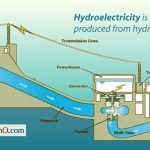
For properties fortunate enough to have a consistent stream or small river, micro-hydro systems offer a reliable and often continuous source of electricity.
Is Micro-Hydro a Possibility?
This is arguably the most geographically restrictive option. You need:
An Existing Stream or River: Not just any stream, but one with sufficient flow and “head.”
Head: This is the vertical drop in water from the intake to the turbine. The greater the head, the more pressure and power.
Flow: The quantity of water moving through the stream. More flow equals more power.
Assessment, Permits, and Sizing
Professional Assessment: You’ll need a professional to inspect your stream, accurately measure head and flow, and determine its potential. Local county records might also contain previous hydrological surveys.
Permitting and Water Rights: This is a critical and often complex step. You’ll need permits from your county and potentially state environmental agencies. Researching water rights is paramount; these vary significantly by state and dictate your ability to divert or use stream water. You must also assess potential environmental impacts on native aquatic species.
Sizing Your System: Determine your home’s monthly watt usage and choose a system that generates slightly more to cover fluctuations and potential expansion.
Costs and Longevity
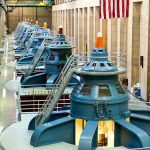
Micro-hydro systems typically cost between $1,500 and $2,000 per kilowatt. While the upfront investment can be substantial, these systems are renowned for their longevity, often lasting decades with minimal maintenance. Reducing your home’s overall energy consumption can lead to a smaller, less expensive system. Case Snippet: A secluded retreat in Oregon, nestled beside a mountain stream, installed a 2 kW micro-hydro system. With a consistent 50-foot head and steady flow, the system provides reliable, year-round power, virtually eliminating their grid reliance and energy bills after the initial $4,000 setup cost (they did most of the labor themselves).
Generators: Backup, Not Primary “Free Energy”
While generators provide electricity, it’s crucial to understand they are primarily backup systems and not true “free energy” sources in the way renewable options are. They rely on fossil fuels (diesel, biodiesel) and have ongoing operational costs.
When a Generator Makes Sense
Emergency Power: Their main purpose is to supply electricity when your primary power source (grid or renewable system) fails.
Supplemental Power: They can supplement an undersized renewable system during peak demand or extended periods of low sun/wind/water.
Types and Costs
Portable Generators: More affordable ($3,000-$5,000), these are wheeled units that can be moved. They require manual setup during an outage.
Permanent Standby Generators: More expensive ($5,000-$10,000+ installed), these are permanently wired into your home’s electrical system and automatically turn on when grid power is lost.
Fuel Types: Diesel generators are generally more fuel-efficient than gasoline models, though they can have a higher upfront cost. Biodiesel offers a more environmentally friendly fuel option. Considerations: Generators can be noisy, require regular maintenance, and have ongoing fuel costs. They are a sensible part of an emergency preparedness plan but should not be considered a primary “free energy” solution.
Choosing Your Path: A Practical Playbook for Home Power
Deciding which “free energy” system is right for you involves a practical assessment of your specific circumstances.
System
Primary Resource
Suitability Factors
Avg. Cost/kW
Key Benefit
Key Challenge
Solar Panels
Sunlight
4+ hrs peak sun, unshaded roof/land
$2,500 – $3,300
Widespread applicability, incentives
Upfront cost, intermittency
Small Wind
Wind
Avg. wind speed > 14 mph, open terrain, height
$5,120
Consistent power in windy areas
Zoning restrictions, noise, visual
Biomass/Biogas
Organic Waste
Abundant animal manure or plant waste
$3,000 – $4,000
Waste reduction, multi-purpose
System complexity, space requirements
Micro-Hydro
Flowing Water
Consistent stream with sufficient head & flow
$1,500 – $2,000
Highly consistent, long lifespan
Geographic rarity, permits, water rights
Your Step-by-Step Decision Guide:
Resource Assessment: Honestly evaluate what natural resources are abundant and accessible on your property.
Sun: Is your roof (or land) largely unshaded for most of the day?
Wind: Do you live in an open area known for consistent breezes?
Water: Do you have a year-round stream with a good vertical drop?
Waste: Do you generate significant organic waste (e.g., farm)?
Energy Needs: Calculate your average daily/monthly energy consumption (from utility bills). This tells you the size of the system you’ll need.
Local Regulations & Environment: Crucially, research local zoning laws, building codes, and environmental regulations for each potential system. Many promising ideas get derailed here.
Budget & Incentives: Determine your comfortable upfront investment. Research federal, state, and local incentives (tax credits, rebates, grants) that can significantly lower your net cost.
Professional Consultation: For any serious consideration, hire professionals for site assessment, system design, and accurate cost estimates. Their expertise is invaluable.
Long-Term Vision: Consider the maintenance, longevity, and potential for future expansion of each system.
Common Questions About Generating Your Own Electricity
Is “free energy” truly free?
No, the term “free energy” refers to the fuel source (sun, wind, water, waste) being free after the initial setup. All these systems require a significant upfront investment in equipment and installation. However, once installed, your operational fuel costs are minimal or non-existent, leading to substantial long-term savings.
How long does it take for these systems to pay for themselves?
The “payback period” varies widely based on the system type, initial cost, installation complexity, local electricity rates, and available incentives. Solar systems often have payback periods of 5-10 years, while others can be longer. After this period, the electricity generated is essentially “free.”
Do these systems require a lot of maintenance?
All systems require some level of maintenance. Solar panels need occasional cleaning and inverter checks. Wind turbines require periodic inspections and lubrication. Biogas digesters need monitoring of their biological process. Micro-hydro systems need debris removal and turbine checks. However, compared to the cost of grid electricity over decades, maintenance costs are generally low.
Can I go completely off-grid with these systems?
Yes, it’s possible to go off-grid, especially with hybrid systems (e.g., solar + wind) combined with battery storage. However, going completely off-grid often requires a larger, more robust, and more expensive system to ensure reliability during periods of low resource availability. Most homeowners choose to remain connected to the grid for backup and to utilize net metering.
What about battery storage?
Battery storage is increasingly popular, especially with solar and wind systems, allowing you to store excess electricity generated during peak production times and use it when the sun isn’t shining or the wind isn’t blowing. This improves energy independence and can save money by avoiding peak-rate electricity purchases from the grid.
Making Your Energy Dream a Reality
Embarking on the journey to generate your own electricity is a significant step towards both financial freedom and environmental stewardship. It requires research, planning, and often a substantial upfront investment, but the rewards—a stable, predictable energy supply and drastically reduced utility bills—are profoundly impactful.
Start by meticulously assessing your property’s potential, understanding your energy needs, and then dive deep into the specific requirements and opportunities for each technology. Don’t be afraid to consult multiple professionals; their insights will be invaluable in designing a system that truly works for you. Whether you start small with a few solar panels or plan a comprehensive off-grid wind and battery setup, every kilowatt-hour you generate yourself brings you closer to ultimate energy independence.
I am a writer who loves renewable energy, with a focus on sustainable living, renewable energy, and eco-friendly innovation. With a passion for environmental awareness and a desire to explore the latest trends in green technology, corporate sustainability, and climate action. Through in-depth storytelling