For the bigger picture and full context, make sure you read our main guide on How To Generate Electricity At Home For Free and Cut Your Bills.
Imagine breaking free from unpredictable utility bills and powering your home with the clean, reliable energy you create yourself. Learning how to make electricity at home using renewable sources isn’t just a dream—it’s an increasingly practical reality for many homeowners looking for energy independence and a smaller carbon footprint. From harnessing the sun’s rays to capturing the whisper of the wind, there are distinct paths to generating your own power.
This isn’t about vague possibilities; it’s about understanding the tangible steps, the costs involved, and what truly makes these systems work for real homes. We’ll cut through the noise to give you a clear roadmap for embracing renewable electricity generation.
Assess Your Resources: Your location’s sun, wind, water, or even waste dictates the best system.
Understand Upfront Costs: Expect initial investments ranging from a few thousand to tens of thousands of dollars, depending on the system and your energy needs.
Consider System Sizing: Match your generation capacity to your consumption, often aiming for slightly more.
Factor in Maintenance: While energy is “free,” systems require periodic checks and potential upgrades.
Navigate Regulations: Zoning laws, permits, and water rights are crucial steps for installation.
Embrace Energy Efficiency: Reducing consumption lessens the size and cost of any required generation system.
Tapping into Nature’s Power: Your Renewable Options
Generating your own electricity fundamentally relies on converting natural forces into usable power. Each method has specific site requirements, technologies, and costs. Let’s break down the most common and effective renewable energy sources you can leverage right at home.
Solar Panels: Harnessing the Sun’s Rays
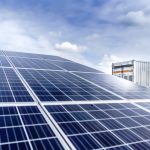
Solar power is often the first thing people think of when considering how to make electricity at home. It’s accessible and increasingly efficient. Conditions for Success:
For solar to be a truly viable primary option, your property ideally needs at least four hours of peak, unobstructed sunlight daily. This means south-facing (in the Northern Hemisphere) roof sections or open ground free from tall trees or buildings. Understanding the Process:
Site Assessment: Begin by consulting with professional solar companies. They’ll evaluate your roof’s slope, direction, and structural integrity, or assess ground-mount options.
Panel Selection:
Monocrystalline: These are highly efficient (around 20%), compact, and perform well in lower light, but they’re typically the most expensive. They have a sleek, uniform black appearance.
Polycrystalline: A more affordable option (around 16% efficiency), but they are slightly less efficient in very high temperatures and require more space for the same output. They have a characteristic bluish, mottled look.
Thin Film: The most flexible and cheapest (7-13% efficiency), but they demand the most space. They are less common for residential rooftops due to their lower efficiency per square foot.
Financing & Incentives: Explore federal tax credits, state rebates, and local incentives. Many companies offer financing plans that make the upfront cost more manageable, and the long-term savings often outweigh the monthly payments.
Installation: A mounting system secures the panels. Crucially, inverters convert the direct current (DC) electricity produced by the panels into alternating current (AC) suitable for home appliances. While DIY kits exist, professional installation ensures safety, optimal performance, and adherence to codes. Real-World Cost & Benefit:
Expect an upfront investment in the range of $15,000 to $20,000 for a typical residential system. The significant benefit, beyond energy independence, is the potential to sell excess electricity back to your utility company through “net metering,” further cutting your bills or even generating a small profit. This process is a key part of how many homeowners Generate free home electricity by effectively turning their roof into a power plant.
Wind Power: Tapping into Nature’s Breeze
For homes in specific geographical areas, wind turbines offer another powerful avenue for home electricity generation. Conditions for Success:
Wind systems thrive in flat, open areas with minimal obstructions (like tall buildings or dense forests). The critical factor is consistent wind speed—an average of 14 mph (23 km/h) or more. Without this, a wind turbine won’t generate enough electricity to justify its cost. Understanding the Process:
Zoning & Regulations: This is often the first hurdle. Local zoning restrictions frequently dictate maximum structure height. Turbines usually need to be at least 30 feet (9.1 m) above any nearby structures within a 500-foot (150 m) radius to catch clean, unobstructed wind.
Wind Resource Assessment: Don’t guess. Use online wind maps (like those from the Department of Energy), local airport data, or hire a professional to measure average wind speed at your specific site.
Sizing Your Turbine: The annual energy output (AEO) of a turbine is strongly tied to its rotor diameter and average wind speed. The formula AEO = (0.01328)D²V³ (where AEO is annual energy output in kWh/year, D is rotor diameter in feet, and V is average wind speed in mph) illustrates this. A small increase in wind speed (V) means a much larger increase in output.
Mini-Example: A turbine with a 10-foot rotor in a 12 mph average wind produces significantly less than the same turbine in a 14 mph wind. It’s not a linear relationship, which makes accurate wind assessment crucial.
Acquisition & Installation: Turbines can be purchased from specialized suppliers, often locally, who can also assist with installation. Real-World Cost:
A small wind system can cost around $5,120 per kilowatt of capacity needed. Like solar, incentives may be available to offset initial investment.
Biomass or Biogas System: Transforming Waste into Watts
This method turns organic waste into energy, offering a unique solution for homes that generate a significant amount of suitable materials. Conditions for Success:
This system is ideal for properties that produce substantial organic waste. Think wood chips, timber offcuts, paper, old crop residues, or for those with livestock, animal manure. Understanding the Process:
Waste Collection & Digestion: A system, often partially buried, collects these organic materials. In an anaerobic digester (for biogas), microorganisms break down the waste in the absence of oxygen, producing methane and carbon dioxide. In a biomass system, the material is directly combusted in a controlled environment.
Energy Generation: The resulting methane can be used directly for heating, cooking, or fueling a generator to produce electricity. The heat from biomass combustion can also be used for heating or to drive a steam turbine for electricity.
Professional Consultation: Sizing and installing these systems are complex. Professional consultation is highly recommended to ensure efficiency, safety, and compliance with environmental regulations. Real-World Cost:
Costs for biomass or biogas systems typically range from $3,000 to $4,000 per kilowatt needed. While the upfront costs can be substantial, the fuel source (your waste) is essentially free, leading to very low ongoing maintenance and operating expenses.
Micro-Hydropower: The Constant Flow of Clean Energy
If your property boasts a natural stream with consistent flow, micro-hydropower could be an exceptionally reliable and low-maintenance option. Conditions for Success:
The absolute prerequisite here is an existing stream on your property that maintains a consistent water flow throughout the year, especially during dry seasons. Understanding the Process:
Professional Assessment: This is not a DIY project. You’ll need to hire a professional—such as an engineer or specialist from a geological survey firm—to inspect your stream. They’ll measure two critical factors:
“Head”: The vertical fall or drop in water level over a certain distance. More head means more potential energy.
“Flow”: The quantity of water moving through the stream, typically measured in gallons or liters per minute. More flow means more water volume to drive a turbine.
Permits & Rights: Before you dig or divert, you’ll need to obtain necessary permits from your county or state. Investigate water rights thoroughly—you might not own the right to use the water, even if it’s on your land. Environmental impact assessments are also crucial.
System Selection: Based on the head and flow measurements, a professional will help you select a turbine and generator system. A key actionable insight: aiming to reduce your household energy consumption can significantly decrease the required system size and, consequently, the upfront cost. Real-World Cost & Benefit:
Micro-hydro systems typically cost between $1,500 and $2,000 per kilowatt. While upfront costs are high, these systems are renowned for their incredible longevity and minimal maintenance requirements, often operating efficiently for decades.
Beyond the Main Methods: Backup and Off-Grid Living
While the renewable methods above are about primary generation, other components play a role in a complete home energy picture, especially if you’re aiming for full independence.
Reliable Backup: Generators for Peace of Mind
Generators are primarily backup systems, providing power during outages when your main grid connection or renewable system can’t supply enough. They are generally not a sustainable primary energy source due to fuel costs and emissions. Types and Considerations:
Diesel/Biodiesel Generators: Available as portable or permanent installations. Diesel units are typically more expensive upfront but are more fuel-efficient than gasoline models. They can also often run on biodiesel for a greener footprint.
Gasoline Generators: Generally less efficient (around 10%) and have a higher carbon footprint per kWh than utility power from a modern plant. They are common for portable, emergency use.
Propane/Natural Gas Generators: Often permanent installations, they can tie into your home’s gas line, offering a continuous fuel supply (if the main gas line isn’t interrupted). More efficient than gasoline, similar to diesel in some cases. Real-World Cost & Impact:
Generators range from $3,000 to $10,000. Be mindful that while invaluable during an outage, they can be noisy, and their fuel costs accumulate quickly if used frequently.
Embracing Energy Independence: Living Off the Grid
Living off the grid means complete energy self-sufficiency, often integrating multiple renewable sources. It’s a profound commitment to making electricity at home and managing your own supply. Core System Components:
A robust off-grid home typically combines:
Solar Panels: For daytime generation.
Wind Turbines: To supplement solar, especially when the sun isn’t shining.
Battery Bank: The heart of the system, storing excess power for use at night or on cloudy/windless days. Lithium-ion batteries are becoming more popular due to their longer lifespan and lower maintenance, though they have a higher upfront cost than traditional lead-acid batteries.
Inverter: Converts DC power from panels/batteries to AC for home use.
Backup Generator: Essential for periods of extended low sun/wind or unusually high demand. Getting Started with Off-Grid Living:
If you’re moving into an existing off-grid home, request a comprehensive system walkthrough from the previous owners. Learn:
How each component works.
How to monitor power levels and battery state of charge.
How to operate and refuel the generator.
Basic system maintenance.
Prepare for occasional power fluctuations by having alternative light sources, heating, and adopting energy-saving habits. Managing Intermittent Power:
Renewable sources are, by nature, intermittent. Be prepared for:
Fluctuations: Monitor battery levels closely. Never completely drain your battery bank, as this can severely shorten its lifespan.
Strategic Usage: Time your use of high-power appliances (laundry, dishwashers) for when your solar or wind generation is highest.
Emergency Plans: Keep battery-powered backups for critical devices and always have fuel on hand for your generator. If outages become frequent, consider expanding your system. System Expansion for Growing Needs:
As your energy demands evolve, you can increase your system’s capacity by:
Adding more solar panels (fixed or tracked for optimal sun angle).
Installing a larger wind turbine or an additional one.
Upgrading to a larger battery bank.
Getting a larger or dual-fuel generator.
Adding a small-scale hydropower system if you have a suitable stream.
Even subscribing to community renewable projects if available. The Reality of Off-Grid Costs:
While the energy itself becomes “free” once your system is installed, the upfront equipment and installation costs are significant. A sample off-grid system (materials only) was around $26,950 in 2008. When you factor in professional installation and the true lifespan cost of components, the per-kilowatt-hour cost can sometimes be higher than utility electricity. It’s a trade-off for independence and resilience. Is Off-Grid Right for You?
Living off-grid offers incredible energy independence, reduced bills over time, sustainability, and resilience during grid outages. However, it demands:
Technical Knowledge: Understanding your system is crucial.
Lifestyle Adjustments: Being mindful of energy consumption.
High Upfront Costs: The initial investment is substantial.
Adapting to Intermittent Power: Planning for energy availability.
Standard appliances can run if your system is adequately sized. Internet access is possible via satellite, rural wireless, or cellular. Basic system maintenance is manageable for many homeowners, though professional assistance is always available for complex issues.
Making Your Decision: A Practical Playbook
Deciding how to make electricity at home requires a thoughtful approach. Here’s a practical playbook to guide your initial steps:
Energy Audit First: Before thinking about generation, conduct a thorough home energy audit. Identify where you can reduce consumption. Every kilowatt-hour saved is one you don’t need to generate, directly reducing the required size and cost of your system.
Assess Your Site’s Resources:
Sun: Use online tools (e.g., Google Project Sunroof) to estimate your property’s solar potential. Look for unshaded areas.
Wind: Check local wind maps or contact a professional for a wind resource assessment.
Water: If you have a stream, determine its consistency, head, and flow.
Waste: Evaluate the type and volume of organic waste you consistently produce.
Understand Local Regulations: Contact your local planning department for zoning restrictions on solar panels, wind turbines (especially height), and any requirements for micro-hydro systems or biomass facilities.
Budget Realistically: Get quotes from multiple installers for your chosen system(s). Factor in not just equipment and installation, but also permits, potential site preparation, and ongoing maintenance. Explore all available incentives and financing options.
Start Small, Scale Up: If a full off-grid system feels overwhelming, consider starting with a grid-tied solar array to offset a portion of your electricity bill. You can often expand these systems later.
Seek Professional Guidance: For all but the simplest backup generators, professional consultation is invaluable. Experts can help with accurate resource assessment, system design, installation, and navigating complex regulations.
Your Questions Answered: FAQs on Home Electricity Generation
Q: Is it really possible to make electricity at home for free?
A: Once the initial investment in equipment and installation is paid off, the energy itself (from sun, wind, water, or waste) is free. However, the upfront costs can be substantial, and there will always be some level of maintenance and occasional component replacement. Over the long term, yes, you can significantly reduce or eliminate your electricity bills. Q: How much does it cost to set up a home electricity generation system?
A: Costs vary widely. Solar panel systems typically range from $15,000-$20,000. Small wind systems can be around $5,120 per kilowatt. Biomass/biogas systems are $3,000-$4,000 per kilowatt, and micro-hydro is $1,500-$2,000 per kilowatt. An entire off-grid system combining multiple sources and battery storage will be significantly more, easily exceeding $30,000-$50,000. Q: How long do these systems last?
A: Solar panels are typically warrantied for 20-25 years, often performing well beyond that. Wind turbines can last 20 years or more with proper maintenance. Micro-hydro systems are renowned for their durability, often lasting many decades with minimal upkeep. Batteries typically need replacement every 5-15 years, depending on type and usage. Q: Can I really sell excess electricity back to the grid?
A: Yes, in many regions, utility companies offer “net metering” programs. If your grid-tied system generates more electricity than you use, the excess is sent back to the grid, and you receive credits on your bill or even payments. This depends on local regulations and utility policies. Q: Do I need to be completely off-grid to generate my own power?
A: Absolutely not. Most residential renewable energy systems are “grid-tied,” meaning they are connected to the main utility grid. This allows you to draw power from the grid when your system isn’t producing enough and send excess power back to the grid. Going fully off-grid is a bigger commitment with higher costs and more complex system management.
Taking the Next Step Towards Home Energy Freedom
Making electricity at home using renewable energy sources is a journey that begins with a clear understanding of your resources and needs. It’s about empowering yourself with knowledge, carefully assessing your property, and planning your investment. Whether you start with a few solar panels or envision a fully independent off-grid lifestyle, the technology and expertise are available. The freedom of generating your own power is within reach, offering not just financial savings but also a profound sense of self-reliance and environmental stewardship.
I am a writer who loves renewable energy, with a focus on sustainable living, renewable energy, and eco-friendly innovation. With a passion for environmental awareness and a desire to explore the latest trends in green technology, corporate sustainability, and climate action. Through in-depth storytelling