When you look at your utility bill, do you ever wonder what it would feel like to see a zero balance, or better yet, to have the electric company paying you? For many homeowners, the dream of generating their own power and truly understanding how to make free electricity at home is becoming a reality. It’s not just about saving money; it’s about gaining control, reducing your environmental footprint, and securing your household’s energy independence.
This isn’t some far-off futurist fantasy. With today’s technology, accessible systems make it entirely possible to harness nature’s resources—sun, wind, water, and even your own organic waste—to power your home. The path to energy freedom starts with assessing what natural resources your property offers and matching them with the right home renewable system.
Assess Your Site: Your property’s unique characteristics (sunlight, wind, water, waste) dictate the best renewable system.
Solar Leads: Ideal if you receive at least 4 peak hours of daily sunlight; offers potential to sell excess power.
Wind’s Whistle: Best for flat, open areas with average wind speeds of 14 mph or more, but check zoning first.
Waste to Watts: Biomass and biogas systems efficiently convert organic waste into usable energy.
Stream Power: Micro-hydro systems provide long-lasting, low-maintenance electricity if you have a flowing stream.
Professional First: Always start with expert consultation for accurate assessments and system sizing.
Beyond the Grid: Why Generating Your Own Power Matters
The allure of cutting ties with traditional utility providers goes beyond monthly savings. Generating your own electricity empowers you with environmental benefits, as you reduce reliance on fossil fuels. It gives you direct control over your energy sources, shielding you from volatile energy prices and potential outages. Plus, many systems offer the potential to profit by selling surplus power back to the grid. It’s a win-win for your wallet and the planet.
Matching Your Property to the Perfect Power Source
Before diving into specific systems, consider what your property naturally offers. Each renewable energy solution thrives under particular conditions, making a site assessment your crucial first step.
Solar Panels: A fantastic option if your home consistently receives at least four hours of direct, unobstructed sunlight each day. Think south-facing roofs or open ground areas.
Wind Turbines: Best suited for wide, flat properties with minimal tall obstructions and a steady breeze. If you’re in a built-up area, this might not be your primary choice.
Biomass or Biogas: If your household or property generates a significant amount of organic waste – think wood chips, paper, old crops, or even animal manure – these systems turn “waste” into valuable energy.
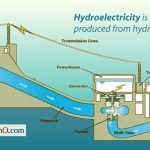
Micro-Hydro System: This is a niche but incredibly efficient solution for homes with an active stream or small river flowing through the property.
Understanding these general considerations helps narrow down your options, guiding you toward the most effective way to make free electricity for your unique home. For a broader understanding of home electricity generation, consider exploring resources on Generate free home electricity to fully grasp the landscape of possibilities.
Harnessing the Sun: Setting Up Solar Panel Systems
Solar power remains the most popular choice for homeowners aiming to produce their own electricity. It’s a clean, quiet, and increasingly affordable way to tap into an abundant resource.
Are Solar Panels Right for Your Home? Key Conditions
The primary condition for effective solar panels is sufficient sunlight. Your property needs to receive at least four peak sunlight hours per day, with ample unshaded areas for panel installation. You can often consult online peak sunlight hour maps for your region to verify this. Factors like roof slope, direction, and surrounding trees all impact efficiency.
Your Solar Installation Playbook
Get a Professional Consultation: Start by scheduling assessments with several solar power companies. They will evaluate your roof’s direction and slope, identifying the optimal placement for maximum sun exposure and energy efficiency.
Choose Your Panel Technology: Solar panels come in three main types, each with trade-offs:
Monocrystalline: The most efficient (around 20%), requiring less space, but also the most expensive.
Polycrystalline: A more affordable option (around 16% efficiency), but with lower heat tolerance and needing more space than monocrystalline.
Thin Film: The cheapest and most flexible (7-13% efficiency), ideal for unique surfaces but requiring the most space to generate comparable power.
Explore Financing and Incentives: Don’t let the upfront cost deter you. Investigate payment plans offered by installers, and crucially, check for rebates, tax credits, or other incentives from your electric provider or local government. These can significantly reduce your net investment.
Installation and Conversion: Once panels are chosen and financed, they are mounted—either on your roof or on a ground-based system. An inverter then converts the direct current (DC) power generated by the panels into alternating current (AC) power, which is what your home appliances use. While DIY installation for single panels is possible, a professional setup ensures optimal performance and safety for a whole-home system.
Cost and Return on Investment
Expect an upfront cost in the range of $15,000 to $20,000, with the average being around $20,000 for a typical residential system. While this is a significant initial outlay, the long-term benefits are substantial. Beyond cutting your electricity bill, many areas allow you to sell any excess electricity you generate back to the utility company, often called “net metering.” This can create an additional revenue stream and accelerate your return on investment. Case Snippet:The Johnsons in Arizona installed a $18,000 monocrystalline solar system. With federal tax credits and state incentives, their out-of-pocket cost was closer to $12,000. In their first year, they eliminated their electricity bill and earned an average of $50/month selling excess power back to the grid.
Catching the Wind: Setting Up Small Wind Turbine Systems
For homes in rural or open areas, wind power offers another compelling pathway to make free electricity. These systems convert the kinetic energy of wind into usable electricity.
Is Your Property Windy Enough? Conditions to Consider
Wind turbines have specific siting requirements:
Zoning Restrictions: The first hurdle is local zoning. Many ordinances cap structure height at around 35 feet (11 meters). However, for a turbine to operate efficiently, its blades often need to be 30 feet (9.1 meters) higher than the tallest structure within a 500-foot (150-meter) radius. This can be a significant challenge in suburban areas.
Average Wind Speed: Your property needs an average wind speed of 14 mph (23 km/h) or more. You can check online wind speed maps or obtain data from local airports (though airport data is often measured at 30 feet, which may differ from ground level).
Your Wind Turbine Installation Blueprint
Professional Wind Assessment: Due to the complexity of wind patterns and zoning, hiring a professional to assess your property’s wind efficiency is crucial. They can confirm average wind speeds and recommend optimal turbine placement.
Calculate Your Rotor Diameter: To determine the right turbine size, you’ll need to calculate the minimum rotor diameter. The formula for annual energy output (AEO) is: AEO = (0.01328)D^2V^3, where AEO is in kWh/year, D is rotor diameter in feet, and V is annual average wind speed in mph. For example, if you aim for 11,000 kWh/year with a 20 mph average wind speed, you’d need a rotor diameter of approximately 10 feet (3.0 meters).
Purchase and Installation: Turbines, towers, and all necessary components can be purchased from local suppliers or online. Many suppliers also offer installation services, which are highly recommended given the tower height and electrical connections involved.
Cost Implications
A small wind system typically costs around $5,120 per kilowatt of electricity needed. This includes the turbine, tower, wiring, and installation. Getting a detailed estimate from a local supplier is essential for budgeting.
Turning Waste into Watts: Biomass and Biogas Systems
For properties that generate significant organic waste, biomass and biogas systems offer an innovative way to make free electricity and heat. These systems harness the energy stored in organic matter.
Do You Have Enough “Fuel”? Conditions for Waste-to-Energy
These systems are ideal if your property consistently produces a substantial amount of organic waste. This can include:
Biogas: Animal manure (especially on farms), sewage, food scraps.
How Waste Becomes Power: The Process and Facts
Biomass involves burning organic materials to generate heat, which can then be used for electricity. Biogas systems, on the other hand, utilize anaerobic digestion, where organic waste breaks down in an oxygen-free environment, producing methane and carbon dioxide. These gases, often collectively called “biogas,” can be captured and burned for heating, cooling, cooking, or electricity generation.
Burning methane in a controlled biogas system is significantly preferable to letting it release into the atmosphere, where it acts as a potent greenhouse gas. Furthermore, burning biomass for energy is generally more efficient than simply composting the material.
Installation and Cost Considerations
Installing a biomass or biogas system typically involves building a specialized digester (often partially underground for biogas) to collect and process the waste. Due to the varied nature of organic waste and system designs, professional assessment is crucial to determine the most efficient setup for your specific waste streams.
Expect costs to range between $3,000 and $4,000 per kilowatt of power needed. While the upfront investment is considerable, maintenance expenses for these systems tend to be relatively low over their lifespan. Biogas systems might be slightly more expensive due to their specific engineering, but they generally fall within a similar cost range.
Power from Flow: Micro-Hydro Systems
If you’re fortunate enough to have a natural stream running through your property, a micro-hydro system could be your most consistent and long-lasting source of free electricity.
The Flow of Power: Conditions for Micro-Hydro
The absolute prerequisite for a micro-hydro system is an existing stream with sufficient, continuous water flow on your property. This isn’t just about presence; it’s about volume and fall.
Your Micro-Hydro Blueprint
Professional Stream Inspection: This is the most critical first step. You’ll need a professional to precisely measure two key factors:
“Head”: The vertical distance the water falls from the intake to the turbine. More head means more potential energy.
“Flow”: The quantity of water moving through the stream per unit of time. More flow means more power.
You might be able to access prior surveys from county records to assist with this.
Permitting and Rights: Obtaining a permit from your local county is essential. You’ll also need to research your water rights and understand any potential environmental impacts on native aquatic species. This ensures legal compliance and ecological responsibility.
System Selection: Based on the professional assessment of head and flow, you can then select a micro-hydro system. The goal is to choose a system that outputs slightly more watts than your monthly energy consumption, ensuring you meet your needs.
Durability and Cost
One of the standout facts about micro-hydro systems is their incredible durability. They are built to last, often operating for decades with surprisingly minimal maintenance requirements.
Costs for micro-hydro systems typically fall between $1,500 and $2,000 per kilowatt of power produced. Similar to other systems, the upfront installation costs are the primary expense. A key strategy to manage costs is to focus on reducing your overall energy consumption, as a smaller energy footprint means a smaller, less expensive system can still meet your needs.
Generators: Reliable Backup, Not a Primary Source
While the focus here is on generating free electricity, it’s worth briefly touching on generators. These are crucial for backup electricity, especially in areas prone to power outages. They are not, however, designed as a primary, continuous power source for making free electricity.
You can choose between portable generators (lower cost, easily moved) or permanent, whole-home generators (more expensive, long-term solution). Diesel or biodiesel generators are generally more fuel-efficient than gasoline-powered alternatives. While simple to maintain, their primary drawbacks are fuel costs and noise during operation. Expect to spend $3,000 to $10,000 depending on the type and size.
Your Home’s Energy Blueprint: A Practical Playbook for Choosing Your System
Deciding how to make free electricity at home isn’t a one-size-fits-all solution. It’s about matching your aspirations with your property’s reality. Here’s a quick decision-making framework:
Start with What You Have:
Abundant Sunlight? Prioritize solar. Look at your roof, consider its orientation, and observe shading throughout the day.
Open, Windy Property? Investigate wind power. Check local wind maps and consider zoning laws before getting too excited.
Producing Organic Waste? Explore biomass or biogas. This is particularly efficient for farms or homes with large gardens and compost piles.
Flowing Stream? Micro-hydro is a fantastic, reliable option. This is perhaps the most unique natural resource.
Get Professional Eyes On It: For any system, a professional assessment is non-negotiable. They will confirm feasibility, measure resources accurately (sun hours, wind speed, water flow), and provide precise cost estimates and energy output projections. This avoids costly mistakes and ensures optimal system sizing.
Factor in Upfront vs. Long-Term: Each system has substantial upfront costs, but minimal ongoing fuel expenses (or none at all). Consider financing options, rebates, and the potential for selling excess energy back to the grid to improve your return on investment.
Consider Permits and Regulations: Don’t overlook the bureaucratic steps. Zoning laws, building permits, and environmental regulations (especially for hydro) are vital parts of the process. Your professional installer can often guide you through these.
By systematically evaluating your site and needs, you’ll uncover the most efficient and sustainable path to energy independence.
Quick Answers to Common Questions About Home Electricity Generation
Is “free electricity” truly free?
The term “free electricity” refers to the operational cost once the system is installed. The initial investment in equipment and installation is significant. However, after that upfront cost is recouped, the energy produced from natural resources like sun, wind, or water is essentially free, aside from minor maintenance expenses.
How long do these systems last?
Most renewable energy systems are designed for longevity. Solar panels typically come with 25-year performance warranties, but can last much longer. Wind turbines, biomass systems, and especially micro-hydro systems are often built to operate effectively for decades with proper maintenance.
Can I really sell excess electricity back to the grid?
Yes, in many regions, net metering policies allow homeowners to sell excess electricity generated by their renewable systems back to the local utility company. This can offset your energy costs further and, in some cases, even result in credits or payments. It’s crucial to check local and state policies.
Are DIY installations practical for these systems?
For small-scale components or very basic setups, some DIY aspects might be possible. However, for whole-home electricity generation, professional installation is strongly recommended. This ensures safety, optimal efficiency, adherence to electrical codes, and eligibility for warranties and incentives. Complexities like tower construction for wind turbines or permit navigation for micro-hydro systems require expert knowledge.
What’s the most environmentally friendly option?
All the renewable options discussed—solar, wind, biomass, and micro-hydro—are significantly more environmentally friendly than traditional fossil fuel electricity generation. Micro-hydro and solar typically have the lowest ongoing environmental impact. Biogas systems offer an added benefit of mitigating methane emissions from organic waste, which is a potent greenhouse gas.
Taking the First Step Towards Energy Independence
Making free electricity at home isn’t just about installing hardware; it’s about making informed decisions tailored to your unique circumstances. The journey begins with a realistic assessment of your property’s potential—be it the sun beating down on your roof, the wind sweeping across your land, a stream running through your yard, or even the organic waste you generate. Once you’ve identified your strongest natural resource, connect with specialists for professional evaluations. Their expertise will guide you in system selection, sizing, and navigating local regulations. Embrace this opportunity to invest in a future of lower bills, greater control, and a lighter environmental footprint.
I am a writer who loves renewable energy, with a focus on sustainable living, renewable energy, and eco-friendly innovation. With a passion for environmental awareness and a desire to explore the latest trends in green technology, corporate sustainability, and climate action. Through in-depth storytelling