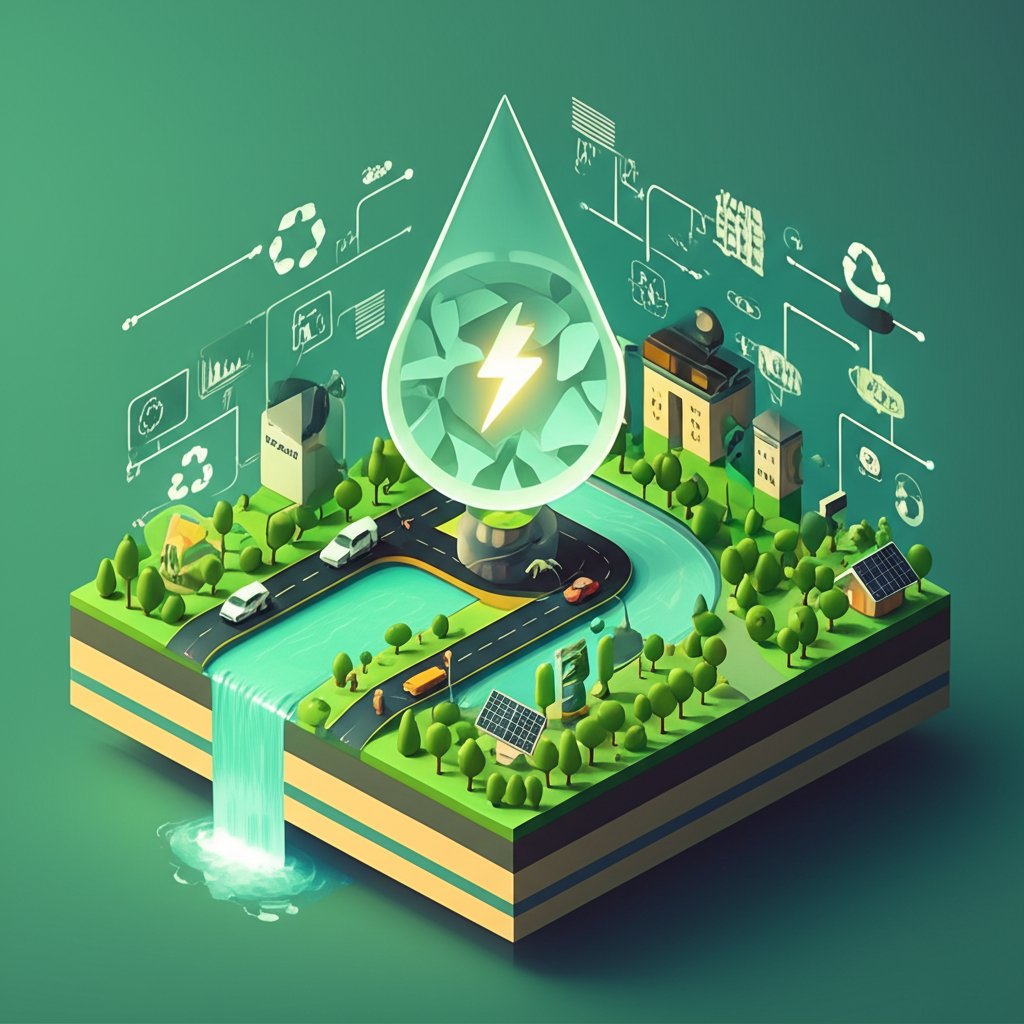
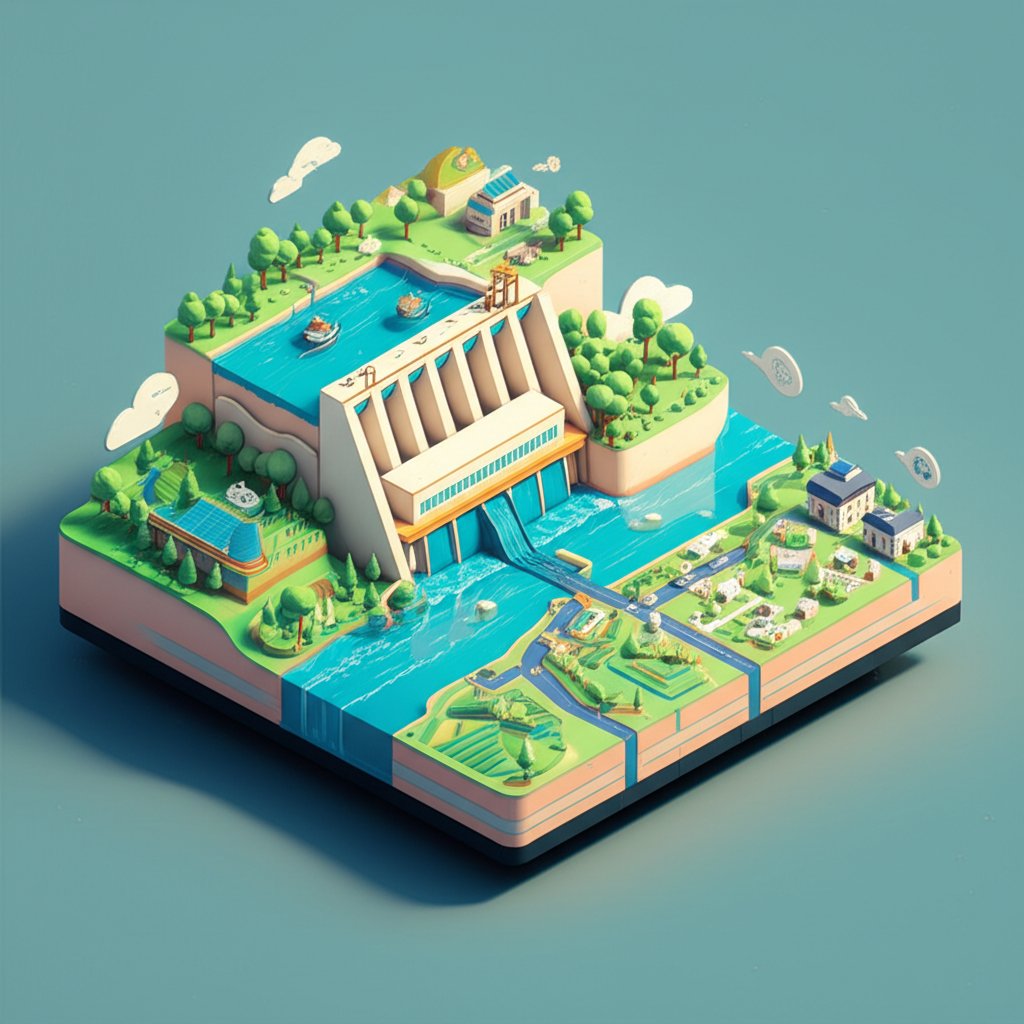
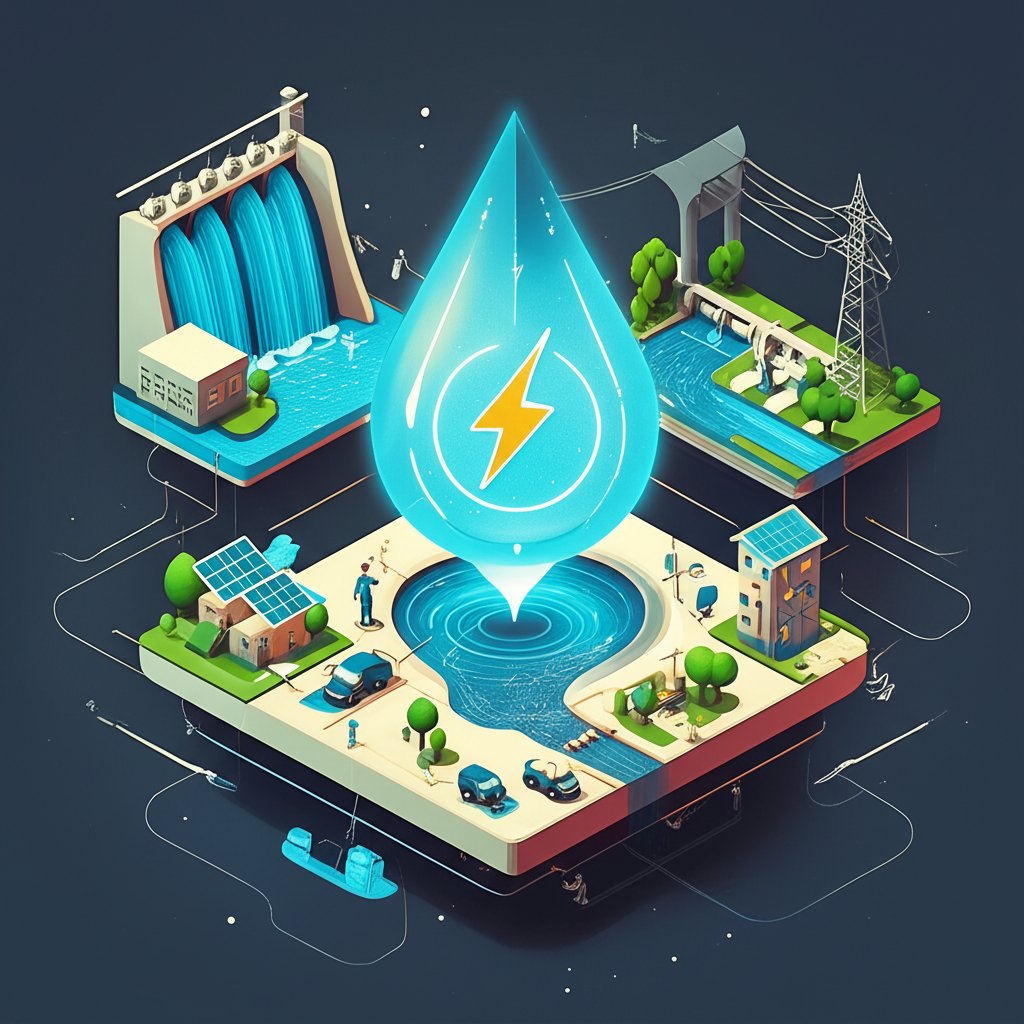
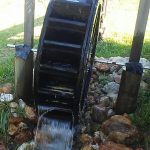
That first flick of a light switch in the morning, the hot shower that wakes you up, the fresh produce in your fridge—these moments feel simple, but they are often powered by an invisible giant. The steady, reliable force of hydro power everyday is about much more than just electricity; it’s an integrated system that manages our most vital resource, water, to support modern life in ways you might not expect. It’s the silent partner in your daily routine, ensuring stability from the power grid to the food supply chain.
While we often think of massive dams as just power plants, their true role is far broader. They are the workhorses of our infrastructure, providing a foundation of reliability that enables other technologies to thrive.
More Than a Light Switch: Discover how hydropower projects are often multi-purpose systems that provide flood control, irrigation for agriculture, and even recreational opportunities.
The Grid’s Ultimate Battery: Learn how pumped storage hydropower stores excess energy from wind and solar, ensuring you have power even when the sun isn’t shining or the wind isn’t blowing.
A Foundation for Clean Energy: Understand why hydropower’s rapid response time and low operating cost make it the essential backbone for a stable and affordable clean energy grid.
Water Management in Action: See how reservoirs act as a buffer against both droughts and floods, securing clean water supplies for cities and farms.
Real-World Impacts, Modern Solutions: Get clear answers on the environmental effects of hydropower and the modern strategies used to mitigate them, from fish ladders to environmental flows.
Beyond the Light Switch: Hydropower’s Multifunctional Role
The most visible job of a hydropower facility is generating electricity. But for many communities, that’s just one piece of the puzzle. Most large-scale hydro projects are designed as multi-use infrastructure, solving several critical problems at once. This integrated approach is where the true impact of hydro power everyday becomes clear.
The Foundation: Reliable, Low-Cost Electricity
At its core, hydropower is beautifully simple. It harnesses the kinetic energy of falling water to spin a turbine connected to a generator. Modern hydro turbines are incredibly efficient, converting up to 90% of the water’s available energy into electricity. For comparison, even the most advanced fossil fuel plants top out around 50-60% efficiency.
This efficiency, combined with a fuel source that is free and endlessly renewed by the water cycle, leads to some of the lowest electricity costs available. The global average cost for hydropower was just US$0.061 per kWh in 2022. Once the initial construction is complete, these plants can operate for 60 to 100 years or more with minimal maintenance, providing generations of affordable power.
Taming the Flow: Flood Control and Water Security
Many of the world’s most famous dams were built not for power, but for protection. Rivers are dynamic, and without management, they can produce devastating seasonal floods that threaten homes, infrastructure, and lives.
A storage dam acts as a massive buffer. During periods of heavy rain or snowmelt, the reservoir can capture and hold vast amounts of excess water, releasing it slowly and safely over time. This single function prevents billions of dollars in flood damage annually and provides a sense of security to downstream communities. The electricity generated is often a valuable byproduct of this primary water management function.
From Reservoir to Table: Supporting Agriculture Through Irrigation
That same stored water is a lifeline for agriculture. In arid regions or areas with distinct wet and dry seasons, a reservoir provides a reliable source of irrigation water. By releasing water during dry periods, hydropower projects enable farmers to cultivate land that would otherwise be unproductive. Case Snippet: In many parts of the American West, complex systems of canals fed by hydropower reservoirs turned desert valleys into some of the world’s most productive farmland. This direct link from the dam to the farm means hydropower plays a crucial role in stocking the shelves of your local grocery store.
A Community Hub: Recreation and Transportation
The reservoirs created by dams, often called lakes, become centers for community life. They offer opportunities for boating, fishing, swimming, and camping, driving local tourism and providing residents with valuable recreational spaces. Furthermore, on major river systems, dams are often equipped with navigation locks—a kind of water elevator that allows ships and barges to bypass the dam, facilitating the transport of goods deep into the interior of a country.
How Different Hydropower Systems Serve You Daily
Not all hydropower is the same. The type of facility determines its specific role in your daily life, from providing a steady trickle of power to acting as the grid’s emergency backup. These different systems showcase hydropower’s versatility. To understand the full scope of its global impact and future potential, you can Explore hydropower’s lasting power.
The Steady Hand: Run-of-River Hydropower
A run-of-river project involves little to no water storage. It uses the natural flow and elevation drop of a river to generate a consistent stream of electricity.
How it Works: A small dam or weir diverts a portion of the river through turbines before returning the water downstream.
Everyday Impact: These facilities provide a reliable, predictable source of baseload power. They can’t ramp up or down quickly, but they are the quiet, steady contributors that are always on, helping to power your baseline needs 24/7.
The Workhorse: Storage (Reservoir) Hydropower
This is the classic, large-scale dam most people picture. By creating a large reservoir, these facilities can store water and control when it’s released.
How it Works: Operators can open or close the dam’s gates to generate power precisely when it’s needed most.
Everyday Impact: This is the system that meets peak demand. When everyone in your city gets home from work and turns on their air conditioning, lights, and ovens, a storage hydro plant can ramp up from zero to full power in minutes to prevent blackouts. It’s also the type that provides the flood control and irrigation benefits discussed earlier.
The Grid’s Guardian Angel: Pumped Storage Hydropower
Think of pumped storage as a giant, water-based, rechargeable battery. It is the single most important technology for ensuring a reliable grid as we add more intermittent renewables like wind and solar.
How it Works: A pumped storage plant has two reservoirs, one high and one low. When there is excess, cheap electricity on the grid (like on a windy night or a sunny afternoon), the plant uses it to pump water from the lower reservoir to the upper one. When demand is high and power is expensive, it releases that water back down through turbines to generate electricity.
Everyday Impact: This is the hero that works behind the scenes. It absorbs excess solar power during the day and redeploys it in the evening when the sun goes down. By storing energy, it smooths out the peaks and valleys of renewable generation, making the entire grid more stable, reliable, and affordable. Globally, there are 189 GW of pumped storage capacity, acting as the world’s largest batteries.
A Practical Playbook: A Day in the Life of the Grid
To see how these systems work together, let’s follow the flow of energy over a typical 24-hour period.
Time of Day
Grid Scenario
Hydropower’s Role in Action
Your Everyday Benefit
6:00 AM
Morning Ramp-Up: The city wakes up. Demand for electricity surges as people turn on lights, coffee makers, and heaters.
Storage hydro plants open their gates, instantly adding hundreds of megawatts to the grid to meet the spike in demand.
Your morning routine proceeds without a flicker. The grid remains stable.
2:00 PM
Midday Peak Renewables: Solar panels and wind turbines are generating more electricity than the grid needs. Power prices drop.
Pumped storage plants kick into action, using the cheap, abundant renewable energy to pump water to their upper reservoirs.
No renewable energy is wasted. The grid is “charging its battery” for later.
7:00 PM
Evening Peak Demand: The sun has set, solar generation drops to zero, but household energy use is at its highest.
The pumped storage plant reverses its flow, releasing the water it stored earlier to generate clean electricity and meet the evening demand.
Your lights stay on. The grid avoids using expensive, polluting “peaker” gas plants.
2:00 AM
Overnight Low: Demand is at its lowest. Wind turbines are often still spinning.
Run-of-river hydro continues to provide a steady, baseload supply, while pumped storage may begin its pumping cycle again if wind power is cheap.
Essential services like hospitals and data centers have a reliable, constant power supply.
Quick Answers to Common Questions
Getting a clear picture of hydro power everyday means addressing some of the common questions and misconceptions about its real-world impact.
Q: Do all dams generate electricity?
A: No, and this is a key point. Many of the world’s dams were built exclusively for other purposes like irrigation, flood control, or municipal water supply. However, there is a massive opportunity to retrofit these non-powered dams with turbines to generate clean electricity without building new structures, adding value to existing infrastructure.
Q: Isn’t hydropower bad for fish and the environment?
A: Building a dam has significant environmental impacts—that’s undeniable. It alters river ecosystems, can block fish migration, and changes water temperature and oxygen levels. However, the industry has evolved. Modern hydropower projects are increasingly built under strict environmental regulations. Solutions include:
Fish Ladders & Elevators: Structures that help fish safely bypass the dam.
Environmental Flows: Releasing water in a way that mimics natural river patterns to support downstream habitats.
Fish-Friendly Turbines: New designs that reduce harm to fish passing through them.
Q: Does hydropower cause greenhouse gas emissions?
A: Over its entire lifecycle, hydropower is one of the cleanest forms of energy available. While the initial flooding of land can release methane from decaying vegetation, these emissions are typically a fraction of what a fossil fuel plant produces over its lifetime. The International Hydropower Association estimates that if the world’s hydropower were replaced with coal, it would add an astonishing 4 billion tons of greenhouse gases to the atmosphere each year.
Q: Is my electricity cheaper because of hydropower?
A: In regions with significant hydro capacity, the answer is almost always yes. Hydropower has a high upfront construction cost, but its operational costs are extremely low because the fuel—water—is free. This leads to stable, predictable electricity prices for decades, shielding consumers from the volatile price swings of natural gas and coal.
The Silent Partner in Your Modern World
Hydropower is more than just a source of renewable energy. It is a foundational technology for water and energy management. It’s the force that balances the grid, stores clean energy for when it’s needed most, protects communities from floods, and helps grow the food we eat.
The next time you turn on the tap for a glass of clean water or enjoy an uninterrupted power supply on a hot summer evening, take a moment to consider the silent, powerful work happening behind the scenes. The enduring potential of hydro power everyday is its unique ability to seamlessly integrate our energy, water, and community needs into one powerful, sustainable system.
I am a writer who loves renewable energy, with a focus on sustainable living, renewable energy, and eco-friendly innovation. With a passion for environmental awareness and a desire to explore the latest trends in green technology, corporate sustainability, and climate action. Through in-depth storytelling