Imagine tapping into the unstoppable force of rivers and tides to power our homes and cities. This isn’t science fiction; it’s the ingenious reality of hydroelectric power technology, a cornerstone of renewable energy that has quietly, yet powerfully, shaped our modern world. At its heart, hydroelectricity is simply the conversion of water’s potential and kinetic energy into mechanical energy, and then into the clean electricity we rely on daily. It’s a testament to human ingenuity, leveraging nature’s perpetual water cycle to meet our growing energy needs.
Unlocking Water’s Power: How Hydroelectricity Comes to Life
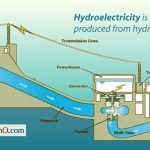
At its core, hydroelectric power is electricity produced from generators driven by turbines. These mighty machines convert the mechanical energy derived from falling or fast-flowing water into usable power. Think of a massive, sophisticated water wheel, but on an industrial scale. The process begins with collecting or storing water at a higher elevation, often behind a large dam. This elevated water holds immense potential energy.
From this high point, the water is carefully directed downward through large pipes or tunnels known as penstocks. This descent creates what’s called the “head”—the crucial difference in elevation between where the water is stored and where it flows downward to the turbines. As the water plunges through the penstocks, it gains incredible speed and force, striking the blades of turbines and causing them to rotate with immense power. If you’re curious about the fundamental mechanics of how moving water can generate energy, you might find it fascinating to Build your water wheel generator Learn the basics yourself.
These spinning turbines are directly connected to generators. It’s inside these generators that the magic happens: the mechanical energy of the rotating turbines is transformed into electricity. Finally, transformers step up the alternating voltage to a higher level, making it suitable for efficient, long-distance transmission across the grid to our communities. Interestingly, the potential power generated by a hydroelectric facility is directly proportional to the working head; a high-head installation needs a smaller volume of water than a low-head installation to produce the same amount of power.
Where Mighty Rivers Meet Modern Engineering: Siting Hydro Plants
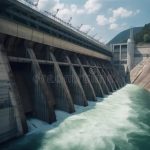
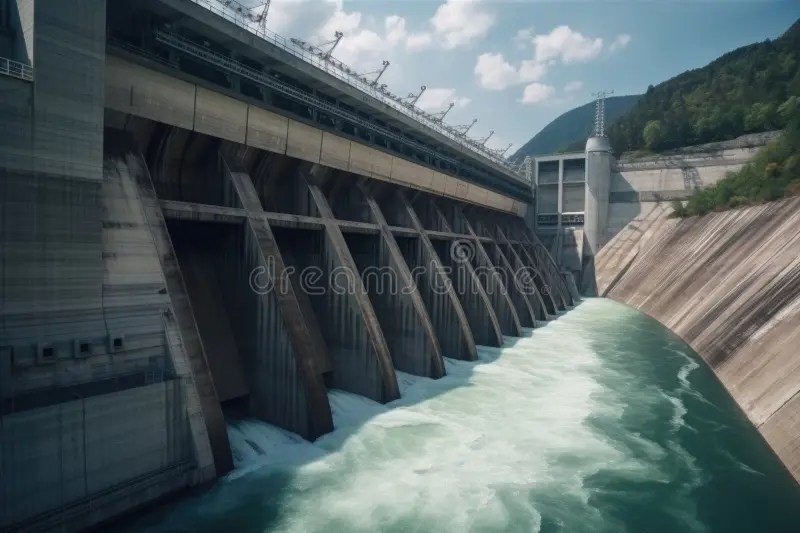
Hydroelectric power plants are typically engineering marvels nestled within natural landscapes. They are most often found in conjunction with dams that impound rivers, raising water levels and deliberately creating that essential high head. This strategic placement allows engineers to maximize the energy potential of the water.
The powerhouse, the structure housing the crucial turbines and generators, can be constructed in a few ways. It might be located on one flank of the dam, often with part of the dam itself serving as a spillway to manage excess water flow. In particularly narrow, steep gorges, the powerhouse might even be built directly within the dam structure, integrating seamlessly with the landscape. Regardless of the specific layout, these plants are always situated on or near a robust water source, as the total energy available is critically dependent on both the volume of water flow and the elevation head.
Beyond the Dam: Diverse Approaches to Hydroelectric Power
While the image of a massive dam often comes to mind, hydroelectric technology encompasses a broader spectrum of systems, each tailored to different natural conditions and energy needs. These diverse approaches all share the fundamental principle of harnessing water’s movement, but with unique operational strategies.
Pumped-Storage: The Grid’s Energy Battery
One of the most innovative types is the pumped-storage hydroelectric station. These facilities are designed to address the fluctuating electricity demand throughout the day. During off-peak periods, when electricity is abundant and cheaper, extra power from the grid is used to pump water from a lower reservoir into an elevated one. Then, during periods of peak demand, when electricity is scarce and more expensive, this stored water is released. It flows back down through turbines, generating electricity precisely when it’s needed most. These systems are incredibly efficient, providing an economical and flexible way to meet peak loads and stabilize the grid.
Tidal Power: Harnessing the Ocean’s Rhythms
In specific coastal regions, another fascinating form of hydropower comes into play: tidal power plants. These ingenious systems utilize the predictable rise and fall of ocean tides. At high tide, water is impounded within a basin or estuary. As the tide recedes to low tide, this trapped water is released, flowing back out to sea through hydraulic turbines, which in turn drive electric generators. A prime example is the Rance River estuary in Brittany, France, demonstrating how the rhythmic pulse of the ocean can be converted into reliable electricity.
Conventional and Run-of-the-River Systems
Most conventional hydroelectric facilities, including both large dam-based systems and smaller run-of-the-river installations, operate on the core principle we’ve discussed. Water flows through a penstock, spinning turbine blades, which then turn a generator to produce electricity for the electrical grid. Run-of-the-river systems, often smaller in scale, divert a portion of a river’s flow through a powerhouse and return it downstream, typically without a large reservoir, relying more directly on the natural flow rate.
The Clear Stream: Advantages of Hydroelectric Energy
Hydroelectric power offers a compelling suite of advantages that position it as a critical player in our renewable energy future. Foremost among these is its continual renewability. The fuel—water—is endlessly replenished by the Earth’s natural hydrologic cycle, making it an inexhaustible resource. Unlike fossil fuels, the water itself is not consumed or chemically altered in the process of generating electricity.
Furthermore, hydroelectric power generation does not produce thermal pollution, and while dams can contribute to methane emissions from decomposing vegetation in reservoirs, the operational process itself is carbon emission-free. This makes it a preferred energy source in areas blessed with heavy rainfall and hilly or mountainous regions, especially when located close to main load centers, reducing transmission losses. Both large remote hydro sites, which can justify long high-voltage transmission lines, and smaller, local hydro sites can be highly economical, particularly when they ingeniously combine water storage during light loads with robust electricity production during peak demand.
Navigating the Rapids: Environmental Challenges and Considerations
Despite its many advantages, hydroelectric power, particularly large-scale dam projects, is not without its environmental and social complexities. The primary negative environmental impacts often stem directly from the construction and operation of the associated dams. These monolithic structures can drastically alter river ecosystems, famously interrupting the natural migrations of spawning fish, such as salmon, by blocking their paths to upstream breeding grounds.
Moreover, the vast reservoirs created by dams can permanently submerge expansive natural habitats, displacing diverse ecological communities and sometimes even human settlements. The decomposition of organic matter in these newly formed reservoirs can also lead to the release of methane, a potent greenhouse gas. Perhaps one of the most pressing modern challenges is the vulnerability of hydroelectric dams to water scarcity. For instance, California’s Oroville Dam, a major hydroelectric power plant, was forced to shut down in August 2021 due to historic drought conditions, starkly illustrating how climate change can impact even renewable energy sources.
As we look to the future, understanding these challenges is crucial for developing hydroelectric solutions that are not only powerful but also sustainable and ecologically responsible. The ongoing evolution of hydroelectric technology focuses on optimizing output while minimizing its footprint, ensuring that this vital renewable resource continues to contribute to a cleaner, more resilient energy landscape.

- Hydroelectric Power Technology Harnesses Waters Energy for Electricity - March 26, 2026
- Hydroelectric Power Plants Turn Water into Sustainable Electricity - March 20, 2026
- Interesting Facts About Hydroelectricity Beyond Dams and Turbines - March 14, 2026