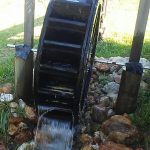
Harnessing the relentless flow of water with a hydroelectric power water wheel can transform a babbling brook into a reliable, free source of off-grid electricity for your home. Imagine a future where your lights stay on, your devices charge, and your home hums with clean energy, all powered by a system as ancient as it is innovative. This isn’t just about reducing your utility bills; it’s about claiming energy independence, sustainably and quietly.
Understanding the Basics: Learn how flowing water converts into usable electricity.
Choosing the Right Wheel: Match wheel types (overshot, undershot, Pelton) to your specific water source’s characteristics.
Key System Components: Discover the essential parts, from the wheel to the generator and electrical safeguards.
Practical Installation Steps: Get actionable advice on site assessment, permits, and setting up your system.
Maintaining Peak Performance: Understand the simple upkeep required to ensure long-term, reliable power.
Real-World Benefits & Challenges: Weigh the advantages of consistent power against the initial investment and environmental considerations.
Unlocking the Current: How Water’s Motion Becomes Electricity
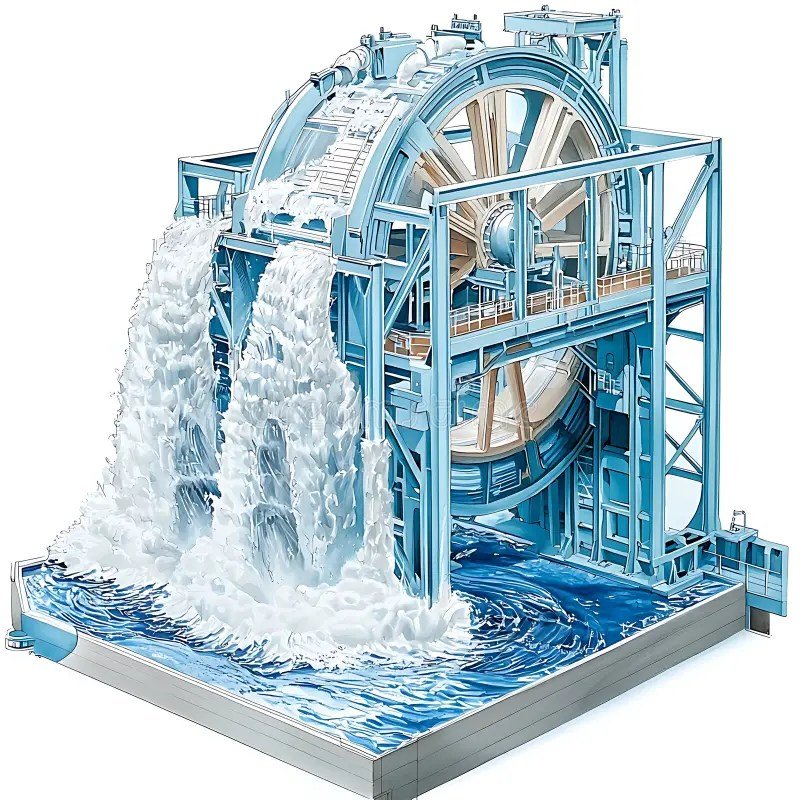
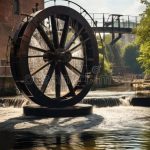
At its heart, a hydroelectric power water wheel operates on a beautifully simple principle: convert the kinetic energy of moving water into rotational motion, then transform that motion into electricity. Picture a stream, its water surging or gently flowing. When you strategically place a water wheel in its path, the water pushes against the wheel’s blades or buckets, forcing it to spin. This spin, sometimes amplified by gears, drives an electrical generator – typically an alternator – which creates electricity through electromagnetic induction.
Inside the generator, magnets spin past copper coils, inducing an electric current. This current is then regulated by a charge controller, stored in a battery bank, and finally inverted from DC to AC power, ready to power your home appliances. It’s a closed loop of energy conversion, clean and continuous, powered by nature’s rhythm.
Selecting Your Spin: Matching Water Wheel Types to Your Site
The efficiency and success of your home hydroelectric system hinge on choosing the right water wheel for your specific water source. This isn’t a one-size-fits-all decision; it depends critically on two factors: the volume of water flow (velocity) and the vertical drop, known as “head.”
Undershot Water Wheel: For Steady Flows, Minimal Drop
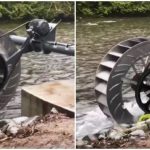
How it works: Water flows directly under the wheel, pushing paddles or blades. Think of it like a boat paddle in a river.
Ideal for: Rivers or streams with a good flow rate but very little or no vertical drop.
Considerations: Simplest to build but generally the least efficient, as it relies almost entirely on the water’s velocity. Output can be modest.
Overshot Water Wheel: Harnessing Gravity’s Power
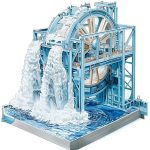
How it works: Water is diverted and poured over the top of the wheel into buckets or compartments, using gravity to drive its rotation as it descends.
Ideal for: Sites with a significant vertical drop (high head) and moderate flow, typically found in hilly or mountainous terrain.
Considerations: Up to 70% efficient, making it one of the most effective designs. Requires more structural work to build the water diversion (flume) to the top of the wheel.
Breastshot Water Wheel: The Mid-Point Balance
How it works: Water strikes the wheel around its midpoint, utilizing a combination of velocity and gravitational potential energy.
Ideal for: Moderate head heights and consistent flow.
Considerations: Offers a good balance of efficiency between undershot and overshot designs, making it versatile for many sites.
Pitchback Water Wheel: Enhanced Efficiency for Medium Head
How it works: Similar to a breastshot, but water hits slightly behind the top of the wheel. This design enhances efficiency and reduces some structural strain.
Ideal for: Medium head and moderate flow conditions, seeking improved performance over a standard breastshot.
Considerations: A more refined design for specific moderate-head scenarios, combining the best of overshot and breastshot.
Pelton Wheel: Precision for High-Pressure, Low-Volume Streams
How it works: Not a traditional paddle wheel, but a turbine with specialized cups. High-pressure water jets are precisely directed at these cups, spinning the wheel at high speeds.
Ideal for: Streams with very high head (significant vertical drop) but relatively low flow rates. Think of a strong, focused jet of water.
Considerations: Extremely efficient for its specific niche, often used for smaller streams in steep terrain. Requires careful engineering for the nozzle and penstock (the pipe that delivers water under pressure).
The Heart of the System: Core Components Explained
A robust hydroelectric power water wheel system is more than just a spinning wheel. It’s an integrated setup of several critical components working in harmony.
The Wheel and Paddles (or Buckets/Cups):
Function: The primary interface with the water, converting its energy into rotational motion.
Material matters: For longevity, wheels and their energy-capturing elements (paddles, blades, buckets, or Pelton cups) should be made from durable, corrosion-resistant materials like galvanized steel, stainless steel, or heavy-duty, UV-stabilized plastics.
Size: Wheels can range from a few feet in diameter for micro-hydro systems to over 20 feet for larger installations. The size is directly proportional to the power output potential.
The Shaft and Bearings:
Function: The central axle that transmits the wheel’s rotational energy to the generator. Bearings ensure smooth, low-friction rotation and support the shaft’s weight.
Durability: The shaft needs to be sturdy stainless steel to resist rust and constant torque. Bearings must be sealed, waterproof, and often self-lubricating to endure the wet environment. Regular checks for wear and tear are crucial here.
The Generator and Gearing System:
Function: Converts the mechanical rotation into electrical energy.
Type: Permanent Magnet Alternators (PMAs) are popular for their efficiency at lower RPMs, but conventional alternators can also be used.
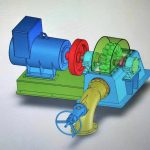
Gearing: Water wheels typically spin relatively slowly. Generators, however, often require much higher RPMs for optimal power generation. A gearing system (belts and pulleys or gearboxes) steps up the rotational speed from the wheel to the generator, ensuring efficient energy capture.
Wiring: Connects the generator to the rest of the electrical system, requiring waterproof, properly insulated cabling suitable for outdoor conditions.
Electrical Management System (The “Brains”):
Charge Controller: Protects your battery bank from overcharging and ensures a stable voltage.
Battery Bank: Stores the generated DC electricity for continuous power supply, especially when water flow might fluctuate or demand is high.
Inverter: Converts the stored DC power from your batteries into usable AC power for your home’s appliances.
Safety Features: Critical for any electrical setup. This includes proper grounding, waterproof connectors, circuit breakers, and easily accessible disconnect switches to protect both the system and occupants.
Advantages & Realities: Benefits and Challenges of Home Hydro
Adopting a home hydroelectric power water wheel system offers compelling benefits, but it’s important to approach it with a clear understanding of its practical challenges.
The Upside: Consistent, Clean, and Independent Power
Always On, Always Available: Unlike solar (which needs sun) or wind (which needs wind), flowing water can provide a remarkably consistent 24/7 power supply, regardless of weather or time of day. This steady baseline generation is a major draw for off-grid living.
Eco-Friendly Energy: Hydro power generates electricity without burning fossil fuels, meaning zero greenhouse gas emissions from operation. It’s a truly clean, renewable energy source.
Low Operating Costs: Once installed, the fuel (water) is free. Maintenance and operational expenses are minimal compared to continually purchasing fuel for generators.
Sustainable & Scalable: Systems can be sized to meet specific energy needs, from charging small devices to powering an entire home or farm. Modern designs are increasingly incorporating features that minimize environmental impact, like fish-friendly structures.
Quiet Operation: Beyond the gentle sound of flowing water, these systems are typically very quiet, making them suitable for residential areas without noise disruption.
Durability: Components are designed to withstand harsh outdoor environments, offering a long operational lifespan with proper maintenance.
The Downside: Investment, Environment, and Site Specifics
Significant Upfront Investment: Installation costs can range substantially, often between $5,000 to over $50,000. This includes site preparation, water diversion structures, the wheel itself, the generator, battery bank, inverter, and professional installation. The initial outlay requires careful financial planning.
Site-Specific Requirements: Not every property has suitable water flow and head. A thorough site assessment is non-negotiable, and if your property lacks these natural resources, a water wheel system simply isn’t viable.
Environmental & Regulatory Hurdles: Diverting water, even for a small system, can impact local ecosystems by altering stream flow, affecting fish migration, or changing water quality. Obtaining necessary permits from local, state, and sometimes federal agencies can be complex and time-consuming, requiring environmental impact assessments. Ignoring these can lead to legal issues.
Potential for Limited Power Output: For properties with moderate water resources, the generated power might be insufficient for all household needs, especially for larger homes or those with significant electricity demands. It might require integration with other renewable sources (solar, wind) for a hybrid system.
Maintenance Needs: While operating costs are low, consistent maintenance is required. Debris can clog intakes or damage wheels, and mechanical components require lubrication and inspection. Ignoring maintenance can lead to breakdowns and reduced efficiency.
Making it Happen: A Practical Playbook for Home Hydro
Setting up a home hydroelectric power water wheel is a rewarding project, but it requires diligent planning and execution. Here’s a roadmap to turn your vision into a functioning power source.
Step 1: Your First Crucial Steps – The Site Assessment
This is where the rubber meets the road. Before you buy a single bolt, you need to understand your water source intimately.
Measure Flow Rate: How much water passes a given point in your stream per second? This requires a simple method, like measuring how long it takes to fill a known volume container, or using a weir.
Determine Head (Vertical Drop): Using a level and measuring tape, ascertain the vertical distance the water can fall from your diversion point to your water wheel location.
Assess Distance to Home: The further your system is from your home, the more expensive the wiring and potentially the more power loss over distance.
Evaluate Terrain and Accessibility: Can heavy equipment reach the site for construction? Is the ground stable? Consider seasonal variations – what happens during floods or droughts?
Professional Consultation:Do not skip this. Engage a qualified hydro engineer. They can accurately assess your site, recommend the optimal wheel type and system size, and provide a realistic economic viability study. This expert advice is invaluable for preventing costly mistakes. For broader context on tapping into this energy, consider exploring resources that describe how to Harness water for home power comprehensively.
Step 2: Navigating Permits & Protecting the Environment
This is often the most complex part of the process. Water rights and environmental regulations are serious.
Local Planning Departments: Start here for zoning regulations and building permits.
State Water Resources Departments: You’ll likely need a water use permit, which governs how much water you can divert and for what purpose.
Environmental Agencies: Expect environmental impact assessments, especially concerning aquatic life. Modern systems can include fish ladders or screens to protect fish, but these must be approved. Mismanagement here can lead to fines or mandated removal. Case Snippet: The Farmer’s Micro-Hydro Dilemma
A farmer in upstate New York, excited about off-grid power, installed a small undershot wheel without permits. While initially successful, a routine environmental check-up revealed his diversion was altering local fish spawning patterns. He faced fines and the eventual need to dismantle his system and install a much smaller, permitted version with significant fish-friendly modifications. The lesson: consult experts and authorities early.
Step 3: Installation & Integration: From Stream to Socket
With permits in hand, construction begins.
Water Diversion Structure: Build weirs, flumes, or penstocks to efficiently direct water to your chosen water wheel. These must be robust and secure.
Wheel and Generator Mounting: Securely mount the water wheel and generator. Ensure proper alignment of the shaft and gearing for smooth operation.
Electrical Wiring: Connect the generator to your charge controller, then to the battery bank, and finally to the inverter. Always use waterproof, correctly gauged wiring and ensure all safety features (grounding, breakers) are in place.
Hybrid System Integration (Optional): If your hydro system is part of a larger hybrid setup (e.g., with solar panels), ensure seamless integration between charge controllers and battery management systems to optimize energy flow and storage.
Step 4: Keeping the Current Flowing: Essential Maintenance
A well-maintained system is a reliable system.
Weekly Debris Removal: Clear leaves, branches, and other debris from intake screens and the water wheel itself. Obstructions reduce efficiency and can cause damage.
Monthly Lubrication: Apply waterproof grease to bearings and any moving parts of the gearing system.
Quarterly Inspections: Check for wear on paddles, blades, and structural components. Inspect electrical connections for corrosion or damage. Ensure generator components remain dry.
Adjustments: Periodically check and adjust the water wheel’s position if necessary to maintain optimal efficiency with changing water levels or flow patterns.
Selecting Your Powerhouse: Key Generator Considerations
Choosing the right generator is as vital as selecting the water wheel itself. It dictates your system’s output and reliability.
Power Output and Voltage:
Match your needs: Are you charging a few devices (under 50W), running basic appliances (500W+), or powering a full home (kilowatt range)?
Voltage: Most home systems use 12V, 24V, or 48V DC battery banks, with inverters converting to 110V or 220V AC for household use. Ensure your generator output matches your battery bank.
Material and Build Quality:
Durability: Look for corrosion-resistant materials like waterproof polypropylene, aluminum alloy, or marine-grade stainless steel for the generator casing and water-facing parts.
Sealed Design: Essential to protect internal electrical components from moisture.
Copper Coils: Pure copper coils in the generator enhance conductivity and overall efficiency.
Water Source Compatibility:
Pressure/Flow Requirements: Each generator has minimum water pressure (for Pelton-type) or flow rate requirements. Ensure your site can consistently meet these.
Noise Levels:
While water wheels are generally quiet, the generator itself can produce some mechanical noise. If near a residence, prioritize models with low operational noise levels (e.g., below 55 dB).
Portability and Ease of Installation:
For smaller, emergency, or remote applications, lightweight, compact designs that are easy to transport and set up are beneficial.
Additional Features:
Water/Electricity Separation: Some designs prioritize physical separation of water and electrical components for enhanced safety.
Transparent Housings: Can be useful for quick visual inspections of internal components.
Practical Generator Examples in Action:
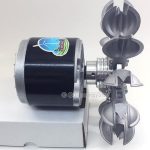
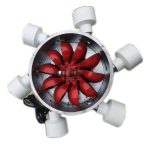
For the DIY Hobbyist / Small Charging: The MATYASIGO Pelton Impeller (waterproof PP, low noise) is excellent for experimental or micro-charging projects. Pair it with a small 12V DC generator for charging phones or powering minimal LED lighting.
Reliable Device Charging: A Beduan Micro Turbine Generator (12V DC output, max 1.2 Mpa pressure, <55 dB noise) could power a 12V radio or a couple of 10W LED lights. It’s designed for longevity (3000+ hour lifespan) and small, consistent charging.
Mid-Range Off-Grid Power: For powering camping trips or small workshops, the ZHOZHUT 1KW Hydro Generator (1000W at 220V, aluminum alloy, pure copper coil) or the Tiardocge Portable Hydro Power Station (500W at 110V, 0.5 gal/s water flow) offer sufficient power for basic appliances, demonstrating the balance between power and portability.
Compact Home Supplementary Power: The ZBXGJKSY Micro-Hydroelectric Generator (500W at 110V, 16.4-49.21 ft vertical drop) showcases how a compact (3.9×7.87 inches, 5.5 lbs) unit with waterproof seals and pure copper coils can provide supplementary energy for specific needs.
Quick Answers to Common Hydro Questions
Can water wheel generators work in saltwater environments?
Yes, but they require specialized construction. Components must be made from highly corrosion-resistant materials (e.g., marine-grade stainless steel, specific plastics), and regular maintenance is even more critical to prevent salt buildup and deterioration. How noisy are water wheel generators?
Generally, they are very quiet. The primary sound is often the flowing water itself. Larger systems may have some mechanical hum from the generator or gearing, but it’s typically far less disruptive than a diesel generator and well within acceptable residential noise levels. Are there portable water wheel generators for camping or emergencies?
Absolutely. Many compact, lightweight options are available. These are designed for quick setup in small streams to charge devices like phones, tablets, or power small appliances, offering critical energy in remote or emergency situations. Can I integrate a water wheel system with my existing solar panels or wind turbine?
Yes, this is a highly recommended strategy. Combining multiple renewable sources creates a hybrid system that offers greater energy reliability and consistency. Hydro provides a steady baseline, complementing the intermittency of solar (night, cloudy days) and wind (calm days). What’s the actual impact on fish populations, and how is it minimized?
Traditional hydro systems can impact fish by disrupting migration routes, causing injury via turbine blades, or altering natural stream flow. Modern designs, especially for smaller-scale systems, incorporate fish-friendly features like fine-mesh screens at intakes, bypass channels, and slow-moving or ‘fish-safe’ turbine designs to minimize these effects. Local regulations often mandate these protective measures.
Taking the Plunge: Your Next Steps Towards Hydro Power
Embracing hydroelectric power water wheel technology for your home is a journey towards energy independence and environmental stewardship. It’s not a decision to be taken lightly, but with the right knowledge and due diligence, it can transform your relationship with energy.
Your immediate actionable steps should be:
Assess Your Site: Grab a tape measure and a level. Start by roughly gauging your stream’s flow and vertical drop. This initial assessment will tell you if micro-hydro is even a possibility for your property.
Research Local Regulations: Contact your local planning department and state water resources agency. Understand the permits required and the environmental considerations you’ll face.
Consult an Expert: If your preliminary assessment looks promising, invest in a professional hydro engineer’s site visit and feasibility study. Their expertise will be invaluable in designing an efficient, compliant, and cost-effective system, guiding you from concept to consistent clean power.
With careful planning, a suitable water source, and a commitment to responsible installation, a hydroelectric power water wheel can truly bring free, consistent, off-grid power home, anchoring your energy future in the reliable embrace of flowing water.
I am a writer who loves renewable energy, with a focus on sustainable living, renewable energy, and eco-friendly innovation. With a passion for environmental awareness and a desire to explore the latest trends in green technology, corporate sustainability, and climate action. Through in-depth storytelling