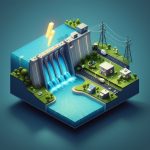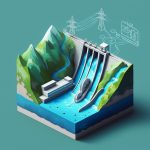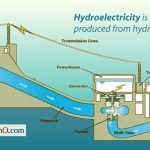
Choosing the right visual for a project on renewable energy seems simple until you’re faced with a sea of nearly identical dam photos. The most powerful hydroelectricity images do more than just show a concrete wall; they tell a story of immense power, intricate engineering, or ecological harmony. Selecting the one that aligns with your message is the difference between a generic presentation and a compelling narrative that captures attention.
This is about moving beyond the obvious and learning to see the story within the frame. Whether you’re building a website, designing a report, or creating an awareness campaign, the right image is a strategic tool waiting to be deployed.
At a Glance: Your Guide to Strategic Image Selection
- Categorize by Narrative: Learn to classify hydroelectricity images by their core story—immense scale, technological detail, the human element, or the ecological context.
- Align Visuals with Goals: Understand how to match specific image types to your communication objective, whether it’s for an investor deck, a community newsletter, or an educational guide.
- Identify Compelling Elements: Discover what makes a photo work, from compositional techniques like leading lines and scale to the strategic use of light and motion.
- Avoid Common Pitfalls: Recognize and steer clear of clichés or misleading visuals that can undermine your message of modern, sustainable energy.
- Source with Confidence: Get practical advice on finding the best visuals, from high-quality stock sites to commissioning your own photographer.
Beyond the Concrete Wall: A Framework for Visual Storytelling
Not all hydroelectricity images are created equal. The most effective communicators understand that different visuals serve different purposes. By breaking them down into four key narrative categories, you can quickly identify which type of image will best serve your project.
The Macro View: Capturing Immense Scale and Power
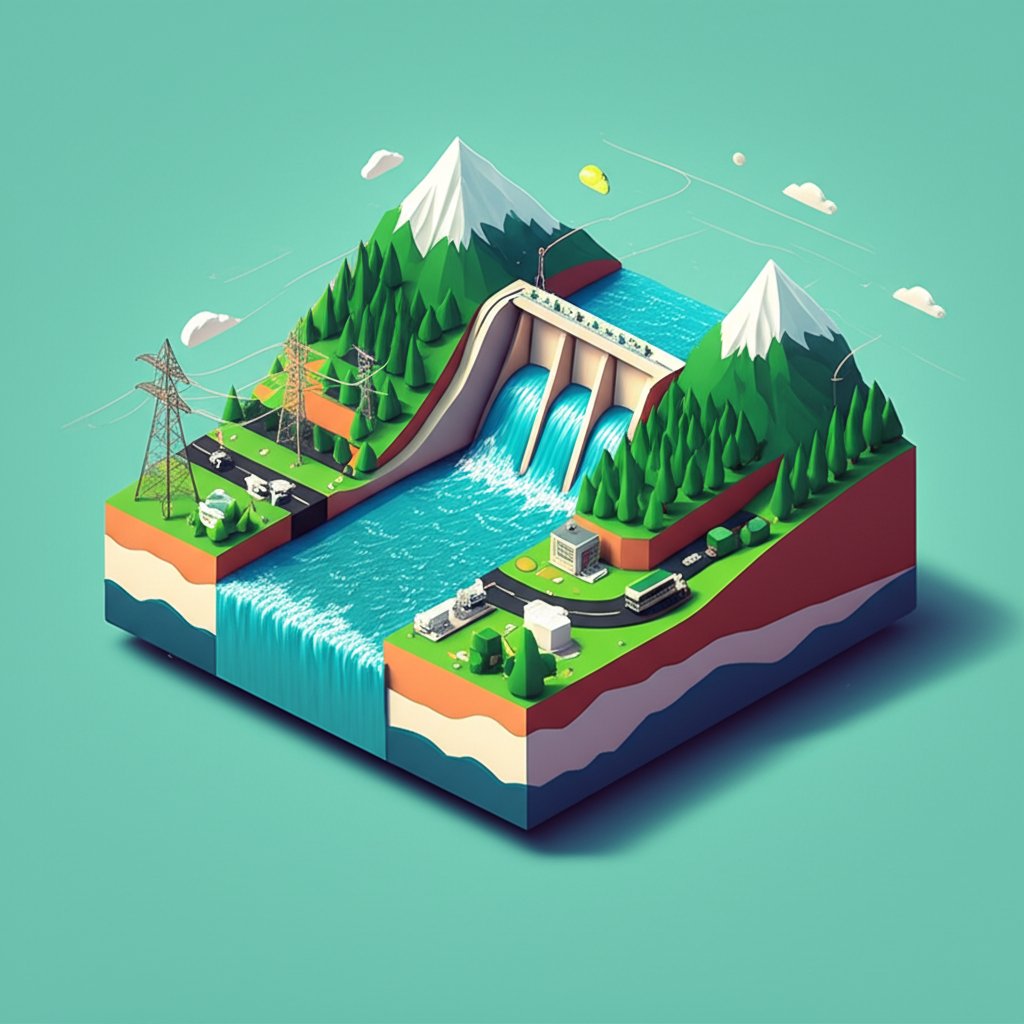
This is the classic, awe-inspiring shot: the massive dam, the sprawling reservoir, the powerful spillway releasing torrents of water. These images are masters of conveying scale and raw energy. Think of aerial shots of the Hoover Dam or the Three Gorges Dam, where cars look like ants and the structure itself seems to defy nature.
- Best For: Evoking a sense of grandeur, national pride, and engineering achievement. Ideal for report covers, website banners, and presentations focused on grid stability and large-scale infrastructure.
- What to Look For: Symmetrical compositions, dramatic lighting across the dam face, and views that include the surrounding landscape to emphasize the project’s sheer size.
The Micro Detail: Inside the Powerhouse
To tell a story of innovation and precision, you need to go inside. Images of the powerhouse—the heart of the hydro facility—reveal a world of complex machinery and advanced technology. Photos of massive, gleaming turbines, orderly control rooms, or the intricate web of pipes and generators speak to the science behind the power.
- Best For: Highlighting technical expertise, reliability, and modernization. Perfect for investor relations, engineering case studies, and educational content explaining how hydropower works.
- What to Look For: Clean, well-lit shots of turbine halls, close-ups on digital control panels, and compositions that use leading lines (like penstocks or cables) to guide the viewer’s eye.
While these detailed shots reveal the inner workings, seeing them in context with the entire facility is crucial. To get a broader perspective, you can Explore hydroelectric photos that show the full scope of these operations.
The Human Element: People Powering Water
Technology doesn’t run itself. Showing the skilled engineers, technicians, and maintenance crews who operate and maintain these facilities humanizes the industry. An image of an engineer inspecting a turbine or a team collaborating in a control room builds trust and demonstrates a commitment to safety and expertise.
- Best For: Building a personal connection, showcasing company culture, and creating content for community outreach or recruitment.
- What to Look For: Candid or well-staged shots of people actively engaged in their work. Images that emphasize safety protocols (hard hats, harnesses) and collaborative problem-solving are particularly effective.
The Ecological Narrative: Water, Wildlife, and Sustainability
Modern hydropower is increasingly tied to a story of environmental stewardship. Images that showcase this narrative are vital for addressing public concerns and highlighting a commitment to sustainability. This category includes photos of sophisticated fish ladders, water quality monitoring, run-of-river projects with smaller environmental footprints, and the thriving ecosystems that coexist with hydro facilities.
- Best For: Environmental reports, public awareness campaigns, and demonstrating corporate social responsibility. These images directly counter outdated perceptions of hydropower.
- What to Look For: Clear water, healthy surrounding forests, wildlife using fish passages, and scientists or technicians conducting environmental assessments.
Matching the Image to the Mission: A Practical Selection Guide

With this framework in mind, choosing the right image becomes a strategic exercise rather than a random search. The key is to first define your goal and your audience, then select the visual that speaks their language.
An investor reviewing a financial report is looking for signs of efficiency and reliability (Micro/Macro views). A community member reading a newsletter wants to see local benefits and environmental care (Human/Ecological views).
A Quick-Look Decision Matrix
Use this table as a starting point to align your objective with the most effective visual category.
| Goal / Audience | Best Image Category | Key Visuals to Look For | What to Avoid |
|---|---|---|---|
| Conveying Power & Reliability | Macro (The Dam) | Symmetrical shots, powerful water flow, solid structures under clear skies. | Images showing disrepair, low water levels, or dated infrastructure. |
| Highlighting Innovation & Tech | Micro (The Powerhouse) | Gleaming new turbines, modern digital control rooms, data visualizations. | Cluttered workshops, old analog dials, dimly lit and confusing spaces. |
| Building Public Trust | Human Element | Engaged workers in safety gear, diverse teams, positive community interaction. | Empty control rooms, faceless structures that feel impersonal or intimidating. |
| Demonstrating Sustainability | Ecological Narrative | Thriving ecosystems, fish ladders in use, clear water, minimal-impact designs. | Muddy or debris-filled reservoirs, large-scale construction, dry spillways. |
The Photographer’s Eye: What Makes an Image Compelling?
Beyond just what is in the photo, how it’s photographed makes a monumental difference. Understanding a few core principles of industrial photography can help you spot a truly exceptional image.
Composition, Light, and Story
A great photo directs your attention. Professional photographers use several techniques to make their hydroelectricity images stand out:
- Leading Lines: Using the strong lines of a dam wall, penstocks, or transmission towers to draw the viewer’s eye through the image and create a sense of depth and direction.
- Sense of Scale: Placing a person, vehicle, or familiar object near a massive piece of equipment (like a turbine runner) instantly communicates the incredible size and power involved.
- Dynamic Motion: Employing a long exposure to blur the movement of water over a spillway or the spin of a turbine creates a sense of dynamic energy, contrasting with the solid, static structures around it.
- Strategic Lighting: While landscape photographers love the “golden hour,” industrial photography often benefits from the crisp, direct light of midday to reveal technical detail. However, dusk and dawn shots can add dramatic mood to exteriors, silhouetting the facility against a colorful sky.
Post-Processing: Authenticity vs. Enhancement
In the age of digital editing, it’s crucial to distinguish between ethical enhancement and misleading alteration. A well-processed image should bring out the clarity and detail that was already there. Color correction can ensure the water looks clean and the machinery accurate.
The red flag is over-processing. Images that are overly saturated, have unnaturally dramatic skies, or look more like a video game than reality can erode trust. The goal of a good hydroelectricity image is to represent reality powerfully, not create a fantasy.
A Practical Playbook for Sourcing and Using Images

Once you know what you’re looking for, you need to know where to find it and how to use it correctly.
Where to Find Quality Hydroelectricity Images
- Stock Photography Sites: Platforms like Getty Images, Shutterstock, and Adobe Stock offer a vast and instantly accessible library.
- Pros: Huge selection, professional quality, easy to license.
- Cons: Can be generic. You might see the same popular images on a competitor’s site. It’s unlikely you’ll find your specific facility.
- Commissioning a Specialist Photographer: For brand-specific, unique imagery, nothing beats hiring a professional with experience in industrial or infrastructure photography.
- Pros: Complete creative control, images are unique to your brand, captures your specific assets and people.
- Cons: Higher upfront cost, requires significant planning, site access, and safety coordination.
- Company & Public Archives: Your organization’s internal archives can be a goldmine of authentic, historical photos. Additionally, government bodies like the U.S. Bureau of Reclamation have extensive public domain image libraries.
- Pros: Highly authentic, great for “then and now” stories, often free to use.
- Cons: May be lower resolution or black and white, and may not reflect current technology or practices.
A Quick Checklist for Legal and Ethical Use
Before you publish any image, run through this mental checklist:
- [ ] Verify the License: Do you have a Royalty-Free license (pay once, use multiple times) or a Rights-Managed license (specific use, duration, and location)? Understand the terms.
- [ ] Check for Releases: If identifiable people are in the photo, is a model release on file? If it’s a privately owned facility, is a property release secured?
- [ ] Ensure Accuracy: Does the caption and context accurately describe what’s in the photo? Don’t use a picture of one dam to represent another.
- [ ] Provide Attribution: If the license (like Creative Commons) requires you to credit the photographer, make sure you do so clearly.
Quick Answers: Clearing Up Common Questions
Q: What is the most common mistake people make when choosing hydroelectricity images?
A: The most common mistake is defaulting to a generic, wide shot of a dam wall. This single image often fails to communicate innovation, sustainability, or the human expertise involved. It tells an incomplete, and sometimes intimidating, story that misses the modern narrative of renewable energy.
Q: Are there specific images that help counter negative perceptions of hydropower?
A: Absolutely. Images of modern fish ladders in operation, aerating turbines that improve downstream water quality, and run-of-the-river projects with minimal reservoirs are powerful tools. They visually demonstrate the industry’s evolution and commitment to finding an ecological balance.
Q: Can I just use a drone to get my own aerial photos?
A: Almost certainly not without explicit permission and coordination. Hydroelectric facilities are critical infrastructure with strict security perimeters and are often designated as no-fly zones. Unauthorized drone flights can result in serious penalties. Always work directly with the facility operator for any on-site photography.
Q: How do I show “renewable” energy in a still photo?
A: The key is to visualize the clean cycle. A powerful technique is to create a visual connection between the cause and effect. Show the clean, flowing water of the reservoir, then connect it to the brightly lit, efficient control room or the transmission lines stretching toward a community. Images of healthy, green ecosystems surrounding the facility also reinforce the sustainable, non-depleting nature of the resource.
A powerful hydroelectricity image is a strategic asset, not just a decorative element. It directs focus, builds trust, and communicates complex ideas in an instant.
Before you begin your next search, take two minutes to write down the single primary story you want to tell. Is it about immense scale, advanced technology, human expertise, or environmental harmony? Answering that one question will instantly focus your search and lead you to a visual that doesn’t just fill a space, but actively works to advance your message.

- Is Hydropower Renewable Or Nonrenewable Resource? Sorting Out the Facts - March 3, 2026
- Hydroelectric Power Basics How Water Is Used For Electricity - February 26, 2026
- Portable Water Generators Power Off-Grid Homes and Adventures - February 25, 2026