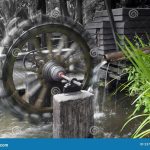
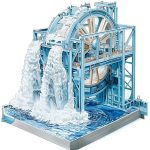
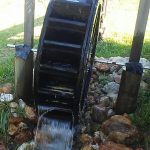
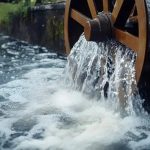
For centuries, humanity has recognized the immense power of moving water. From simple water wheels grinding grain to the colossal dams that power entire cities, hydropower harnesses one of nature’s most fundamental forces. It’s one of the oldest and largest sources of renewable energy, providing clean, reliable electricity on a massive scale.
Hydropower is a global powerhouse, accounting for about 16% of the world’s electricity and over half of all renewable generation. Nations like China, Brazil, and the United States lead the world in capacity, using this proven technology to support their grids. Its sheer scale and long history are just the beginning; you can Read important hydropower facts to uncover more about its global impact.
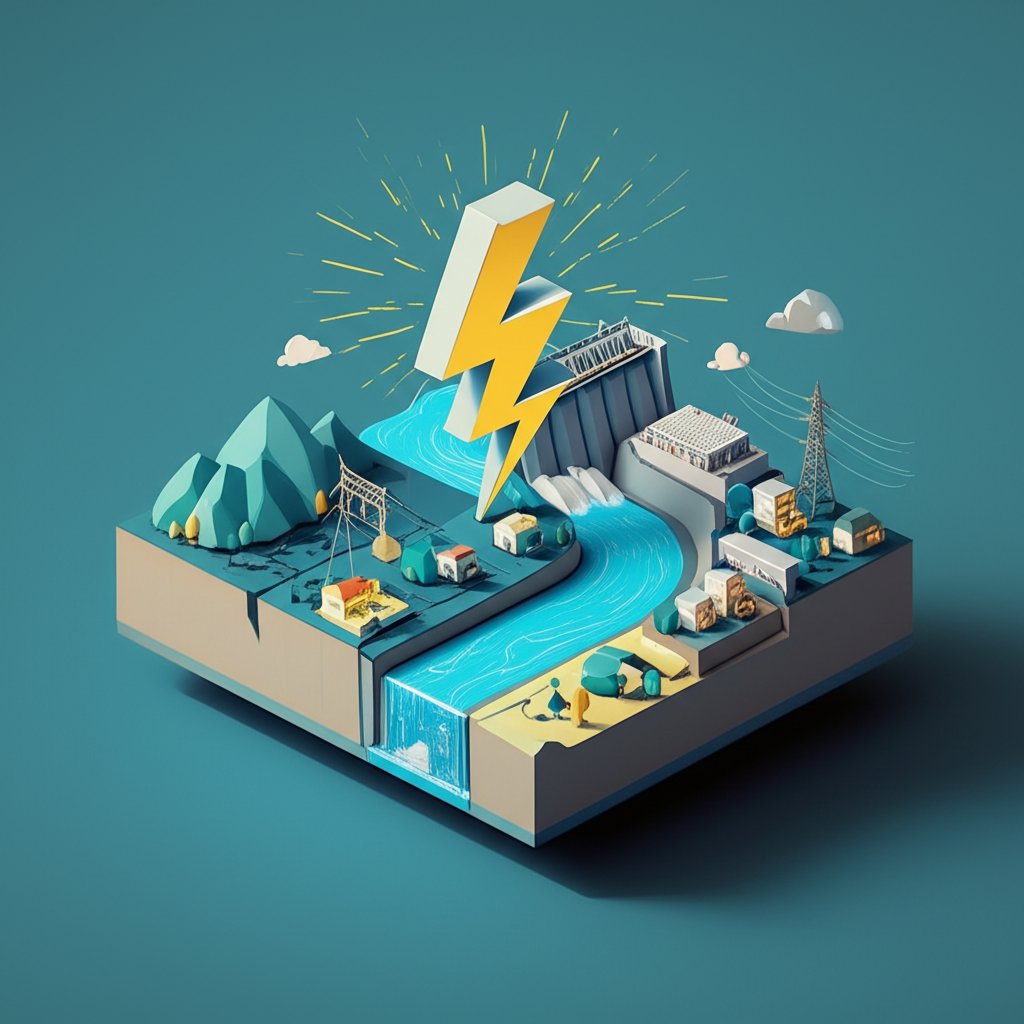
The core principle behind hydropower is elegantly simple: converting the energy of moving or falling water into electricity. By creating a difference in height, typically with a dam, we transform the water’s stored potential energy into kinetic energy as it flows downward, which then becomes electrical energy.
This transformation happens through a series of carefully engineered steps inside a hydropower facility.
The Key Components of a Hydropower Plant
While designs vary, most conventional hydropower plants rely on a few essential components working in unison:
Intake and Penstock: A control gate (intake) opens to allow water from a reservoir to flow into a large pipe called a penstock. This channel directs the water toward the turbine.
Turbine: The force of the moving water pushes against the blades of a turbine, causing it to spin rapidly. Different turbine designs—like the Francis, Pelton, or Kaplan—are used depending on the water pressure and flow.
Generator: The spinning turbine is connected to a generator. Inside the generator, a series of magnets spins past copper coils, exciting electrons and generating an alternating current (AC).
Transmission: The electricity is sent to a transformer to increase the voltage, allowing it to travel efficiently over long distances through power lines to homes and businesses.
Outflow and Spillway: After passing through the turbine, the water flows back into the river downstream. During times of high water, excess water can be safely released through a spillway to prevent the dam from overflowing. The engineering that brings these elements together is stunning; you can See photos of hydroelectricity to appreciate the scale and design of these facilities.
Not All Hydropower Is a Giant Dam
When you hear “hydropower,” you probably picture a massive concrete structure like the Hoover Dam. While these are common, hydropower technology is surprisingly diverse and adaptable.
Facilities can range from tiny systems in municipal water pipes to innovative designs that don’t require a dam at all. Understanding the different types reveals how flexible this energy source truly is.
Four Main Types of Hydropower
Storage (Reservoir): This is the classic model, using a dam to store water in a reservoir. Water is released as needed to generate electricity, providing a consistent and controllable power supply.
Run-of-River: These facilities divert a portion of a river’s flow through a powerhouse without a large reservoir. They rely on the natural, seasonal flow of the river to generate electricity.
Pumped Storage: This ingenious system acts like a giant, grid-scale battery. During times of low electricity demand (and cheap power), water is pumped from a lower reservoir to an upper one. When demand peaks, the water is released back down through turbines to generate electricity.
Offshore: An emerging category that harnesses the power of tides, currents, and waves in the ocean to generate electricity.
The Overwhelming Benefits of Harnessing Water
Hydropower remains a cornerstone of the global energy transition for good reason. It offers a unique combination of reliability, affordability, and flexibility that few other sources can match.
Clean, Dependable, and Flexible Energy
Once a hydropower plant is built, its operating costs are remarkably low, with an average global cost of just $0.061 per kilowatt-hour in 2022. It produces very low lifecycle greenhouse gas emissions and can adjust its power output in seconds. This flexibility makes it the perfect partner for variable renewables like solar and wind, as it can quickly fill gaps when the sun isn’t shining or the wind isn’t blowing.
More Than Just Megawatts
The benefits of hydropower projects often extend far beyond electricity generation. The reservoirs created by dams can provide reliable water supplies for communities and irrigation for agriculture. They also offer flood control during periods of heavy rain and create new opportunities for recreation like boating and fishing. Globally, the industry is a major employer, supporting around 2.5 million jobs.
Addressing the Environmental Footprint
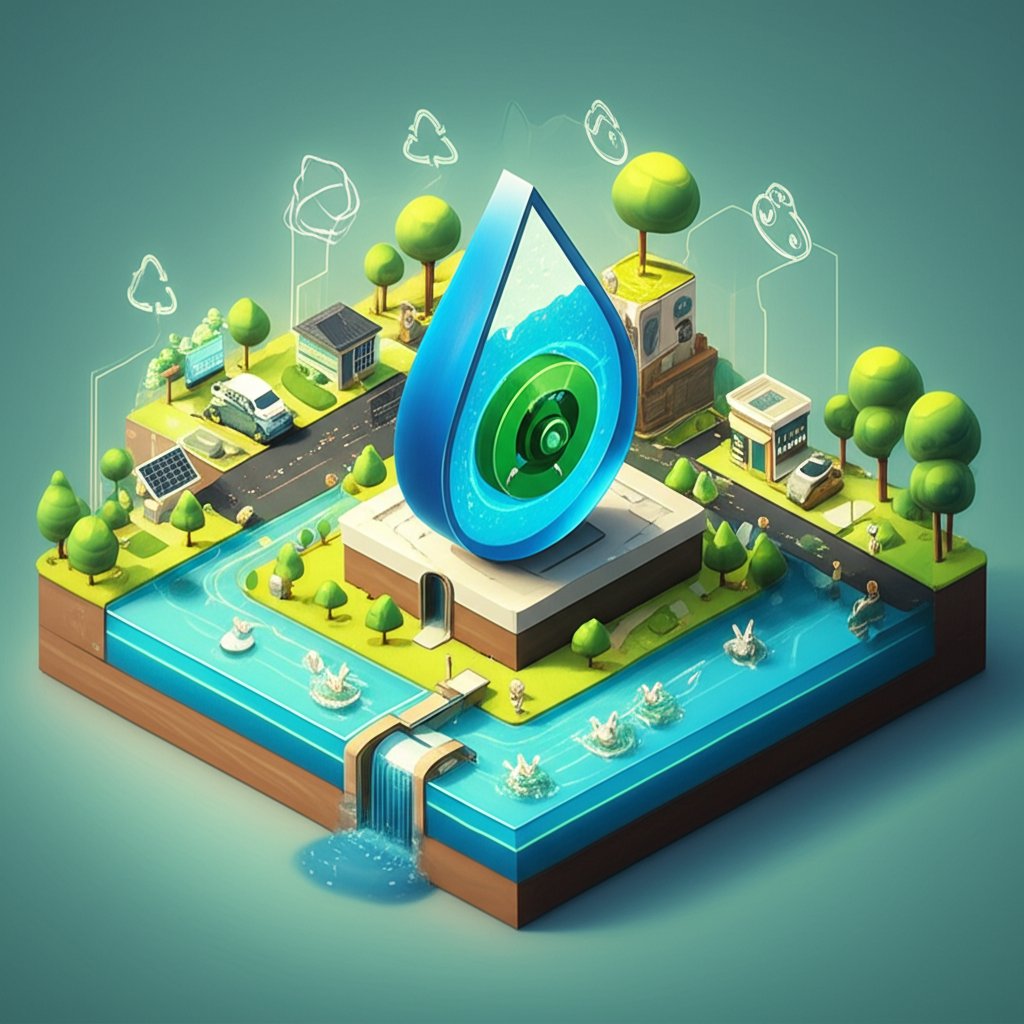
Despite its clean energy credentials, large-scale hydropower is not without its environmental challenges. Damming rivers can alter ecosystems, disrupt the migration patterns of fish, and change downstream habitats.
Fortunately, the industry is evolving with these concerns in mind. Modern hydropower projects increasingly incorporate advanced mitigation techniques to minimize their impact and protect local ecology.
Innovations for a Greener Future
Engineers and environmental scientists are working together to make hydropower more sustainable. Key innovations include:
Fish Ladders & Elevators: Structures that help fish safely bypass dams on their migratory journeys.
Fish-Friendly Turbines: New turbine designs that reduce pressure changes and blade strikes, allowing more fish to pass through unharmed.
Environmental Flow Management: Releasing water from dams in a way that mimics natural river flows, helping to maintain downstream ecosystems.
Advanced Technology: Variable-speed turbines, smart grid integration, and smaller, modular units are all making hydropower more efficient and less ecologically disruptive.
The Enduring Role of Water Power
As the world races toward a net-zero future, hydropower’s role is set to expand. To meet climate targets, experts estimate that global capacity growth must more than double, requiring an annual investment of around $130 billion. This investment will not only build new, sustainable projects but also modernize the existing fleet, ensuring this timeless power source continues to support a clean and stable global grid for generations to come.
I am a writer who loves renewable energy, with a focus on sustainable living, renewable energy, and eco-friendly innovation. With a passion for environmental awareness and a desire to explore the latest trends in green technology, corporate sustainability, and climate action. Through in-depth storytelling