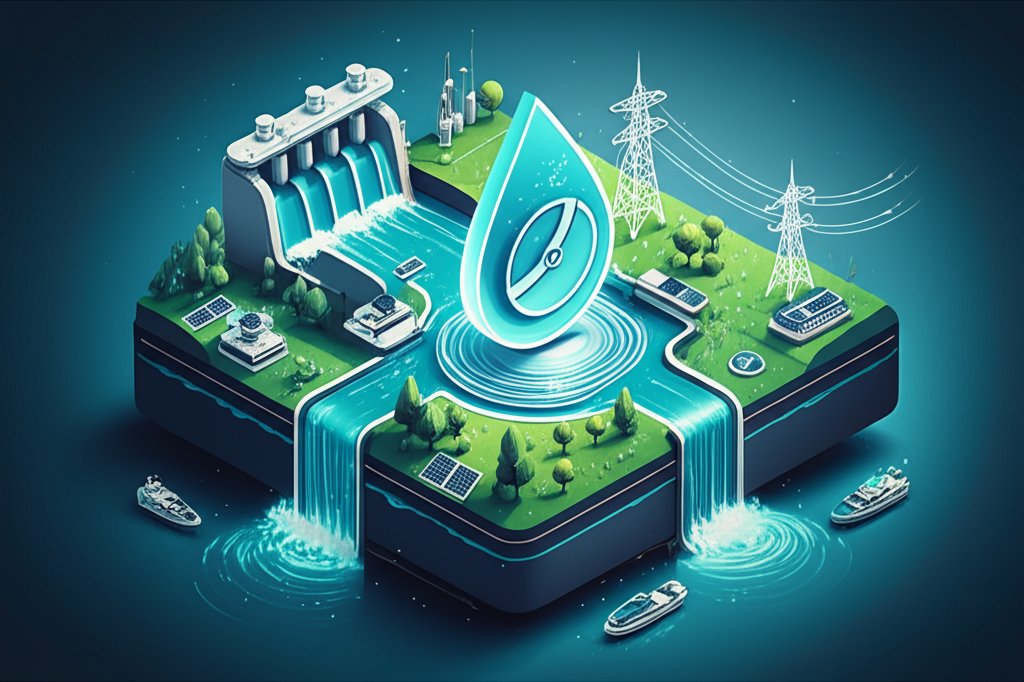
When you think of cutting-edge energy, your mind might leap to solar panels or towering wind turbines. But some of the most compelling and interesting facts about hydro energy reveal it as the original renewable powerhouse, one that’s more vital to our clean energy future than ever before. It’s a technology that’s both ancient and futuristic, harnessing a power source as old as the Earth’s rivers to solve tomorrow’s most complex energy challenges.
The Surprising Efficiency: Uncover why hydropower is dramatically more efficient than even the most advanced fossil fuel plants.
The “Water Battery” Effect: Learn how hydropower acts as the perfect partner for solar and wind, providing stability when the sun isn’t shining or the wind isn’t blowing.
More Than Just Megawatts: Explore the hidden, multi-purpose benefits of hydropower projects, from providing clean water to preventing catastrophic floods.
The Scale Is Staggering: Get a sense of the immense global impact of hydro, from the world’s largest power plant to the tiny fraction of dams actually used for electricity.
The Path to Net-Zero: Understand the critical role hydropower must play in achieving global climate goals and what it will take to get there.
From Ancient Water Wheels to a Modern Power Grid
The concept of using water’s kinetic energy is ancient, first used thousands of years ago for mechanical tasks like grinding grain. But the leap to electricity was a game-changer. The first instance was in 1878 in England, where flowing water was used to power a single arc lamp. Just four years later, in 1882, the first commercial hydroelectric plant began operating in Appleton, Wisconsin, sparking a revolution.
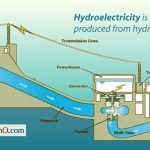
Modern hydropower is a marvel of engineering. While a typical thermal plant, like coal or natural gas, struggles to convert 50% of a fuel’s energy into electricity, today’s hydro turbines can achieve an astounding 90% efficiency. This is because they directly convert the kinetic energy of falling water into mechanical energy and then electricity, with very little waste heat.
This efficiency is why hydropower remains a dominant force. It accounts for over half of all renewable electricity generated globally and is a foundational part of nearly every major clean energy system. Exploring these core concepts helps you Learn hydropower’s enduring power and its place in our energy landscape.
Hydropower’s Secret Identity: It’s More Than Just Giant Dams
A common image of hydropower is a monolithic concrete dam holding back a massive lake. While that model—known as an impoundment or storage facility—is prevalent, it’s only part of the story. The reality is far more diverse and nuanced. The Four Faces of Hydropower:
Storage (Impoundment): The classic dam and reservoir. Water is stored and released as needed to generate power, offering incredible flexibility. The Grand Coulee Dam in the U.S. is a prime example.
Run-of-River: These facilities divert a portion of a river’s flow through turbines without creating a large reservoir. They generate a consistent, or baseload, power supply but have less flexibility because they can’t store water.
Pumped Storage Hydropower (PSH): This is the unsung hero of grid stability. A PSH facility acts like a giant, rechargeable water battery. When electricity is cheap and plentiful (like on a sunny, windy day), it uses that power to pump water from a lower reservoir to an upper one. When demand peaks, the water is released back down through turbines, generating electricity precisely when it’s needed most. In the U.S., PSH accounts for over 95% of all utility-scale energy storage.
Offshore Hydropower: An emerging field that includes tidal and wave power, harnessing the predictable movements of the ocean to generate electricity.
Perhaps the most surprising fact is that most dams aren’t for power at all. Of the 90,000+ dams in the United States, fewer than 2,300 are used for power generation. The majority were built for irrigation, flood control, water supply, and recreation, highlighting the multi-purpose nature of water infrastructure.
The Unsung Hero of the Renewable Energy Mix
Variable renewables like solar and wind are essential, but they create a challenge: what happens when the sun sets or the wind dies down? Hydropower is the answer. It is one of the most flexible and reliable sources of electricity on the planet.
A hydropower plant can ramp up from zero to full output in a matter of minutes, far faster than a coal or nuclear plant. This rapid-response capability makes it the ideal partner to balance the grid. When a cloud bank covers a solar farm, a hydro plant can instantly increase its output to prevent a blackout.
This stabilizing role is why no country has achieved a 100% renewable electricity grid without a significant contribution from hydropower. Norway, for example, generates between 90% and 99% of its power from its abundant hydro resources. Globally, hydropower provides nearly a third of the world’s flexible electricity supply capacity.
By the Numbers: Stats That Reveal Hydropower’s True Scale
Sometimes, the raw numbers tell the most compelling story. Here are a few facts that put hydropower’s impact into perspective.
Stat Category
The Surprising Fact
Global Production
Hydropower is the largest single source of renewable electricity, producing more than all other renewables combined.
Leading Nations
China has the most installed capacity, followed by Brazil, the U.S., Canada, and Russia.
World’s Largest Plant
The Three Gorges Dam in China has a capacity of 22.5 gigawatts (GW), enough to power over 18 million homes.
Longevity & Cost
While initial construction is expensive, hydro plants have incredibly long lifespans (60-100+ years) and low operating costs. The global average cost in 2022 was just $0.061 per kWh.
Climate Impact
Hydropower has helped avoid more greenhouse gas emissions than any other power source, including nuclear. If all hydropower were replaced with coal, it would add 4 billion tons of CO2 to the atmosphere annually.
Quick Answers to Common Questions
Hydropower is a powerful tool, but it also comes with valid questions and concerns. Here are clear, straightforward answers to some of the most common ones. Q: Isn’t hydropower bad for fish and river ecosystems?
A: It can be, but modern hydropower is vastly different from projects of the past. Dams can block fish migration and alter water flow and temperature. However, today’s projects increasingly include mitigation measures like fish ladders, elevators, and “fish-friendly” turbines that allow safe passage. Regulations also mandate specific water release schedules to mimic natural river flows and protect downstream ecosystems. Q: I’ve heard that reservoirs release a lot of methane, a potent greenhouse gas. Is that true?
A: When a reservoir is first created, submerged vegetation decomposes and can release methane. The amount depends heavily on the local climate and the type of vegetation flooded—reservoirs in warm, tropical regions tend to produce more than those in colder, temperate zones. The hydropower industry and researchers are actively studying ways to minimize these emissions, and the overall lifecycle emissions of hydro are still far lower than any fossil fuel. Q: Is hydropower expensive to build?
A: The upfront capital cost for constructing a large hydropower plant is high. However, once built, the “fuel”—flowing water—is free. This, combined with low operating costs and an exceptionally long operational life of up to 100 years or more, makes hydropower one of the cheapest sources of electricity over the long term.
What Hydropower’s Future Means for Us
To reach global net-zero emissions targets by 2050, the world needs to roughly double its current hydropower capacity. This requires a massive acceleration in development, from adding about 20 GW per year today to 50 GW per year by the 2040s. This growth isn’t just about building new dams; it’s also about modernizing existing plants and adding power-generating capacity to dams that currently don’t have it.
Achieving this goal represents a cumulative investment of around $3.7 trillion and is projected to create over 600,000 skilled jobs worldwide. It’s a commitment not just to clean energy but to resilient infrastructure that provides clean water, prevents floods, and supports stable economies.
By understanding these interesting facts about hydro energy, it becomes clear that this time-tested technology is not a relic of the past. It is a dynamic, essential, and powerful force that will be central to building a sustainable and reliable energy future.
I am a writer who loves renewable energy, with a focus on sustainable living, renewable energy, and eco-friendly innovation. With a passion for environmental awareness and a desire to explore the latest trends in green technology, corporate sustainability, and climate action. Through in-depth storytelling