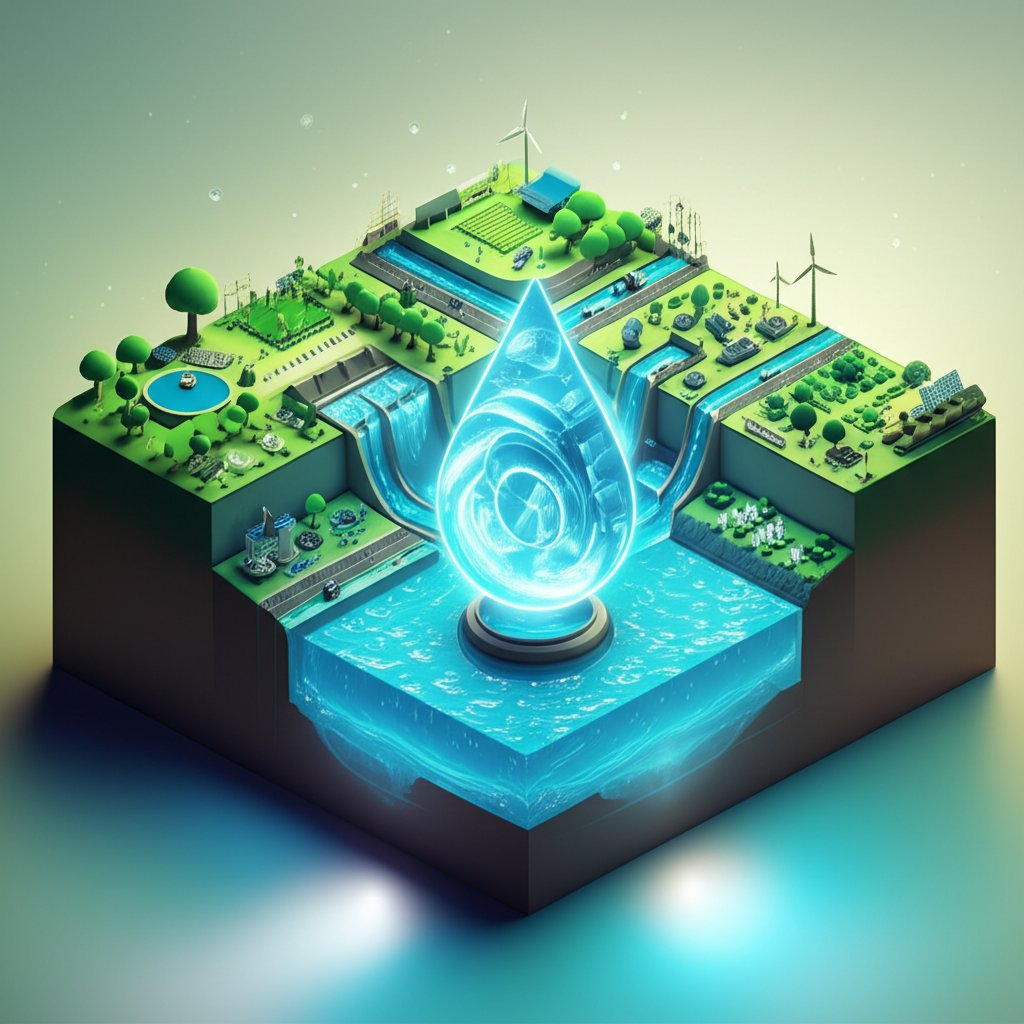
When you flip a light switch, you probably don’t think about a river hundreds of miles away. Yet, the immense power of moving water is one of humanity’s oldest and most formidable energy sources. While it may seem like old technology, a closer look reveals some truly mind-bending and interesting facts about hydroelectric energy that underscore its critical role in our clean energy future. It’s not just about massive dams; it’s a story of incredible efficiency, global scale, and complex environmental trade-offs.
Unmatched Efficiency: Discover why modern hydro turbines are engineering marvels, converting up to 90% of available energy into electricity.
The Global Scale: Learn how hydropower provides 16% of the world’s total electricity and over half of all renewable generation.
More Than Just Power: Understand the multi-purpose role of hydropower projects, from providing irrigation and clean water to preventing catastrophic floods.
A Giant Water Battery: See how pumped-storage hydropower acts like a massive, rechargeable battery to stabilize the entire energy grid.
A Century-Long Lifespan: Explore the remarkable longevity of hydropower plants, which can operate for 60 to 100 years or more with proper maintenance.
The Astonishing Efficiency of Taming Water
One of the most compelling facts about hydroelectric energy is its raw efficiency. A typical thermal power plant, like one burning coal or natural gas, struggles to convert 50% of the fuel’s energy into usable electricity. The rest is lost as waste heat.
In stark contrast, a modern hydropower facility is a model of efficiency. Its turbines can convert over 90% of the water’s kinetic energy into electrical power. This is a level of performance unmatched by almost any other form of large-scale energy generation.
Think of it this way: for every 100 units of energy available in the moving water, a hydro plant delivers 90 units to the grid. A fossil fuel plant delivers less than 50. This fundamental advantage means less wasted energy and a more effective use of a natural resource. This efficiency is a core reason why hydropower remains a cornerstone of clean energy grids worldwide. To see how this fits into the bigger picture, you can Discover hydropower’s enduring power and its role in a stable, modern grid.
Hydropower’s Four Faces: Not All Plants Are Alike
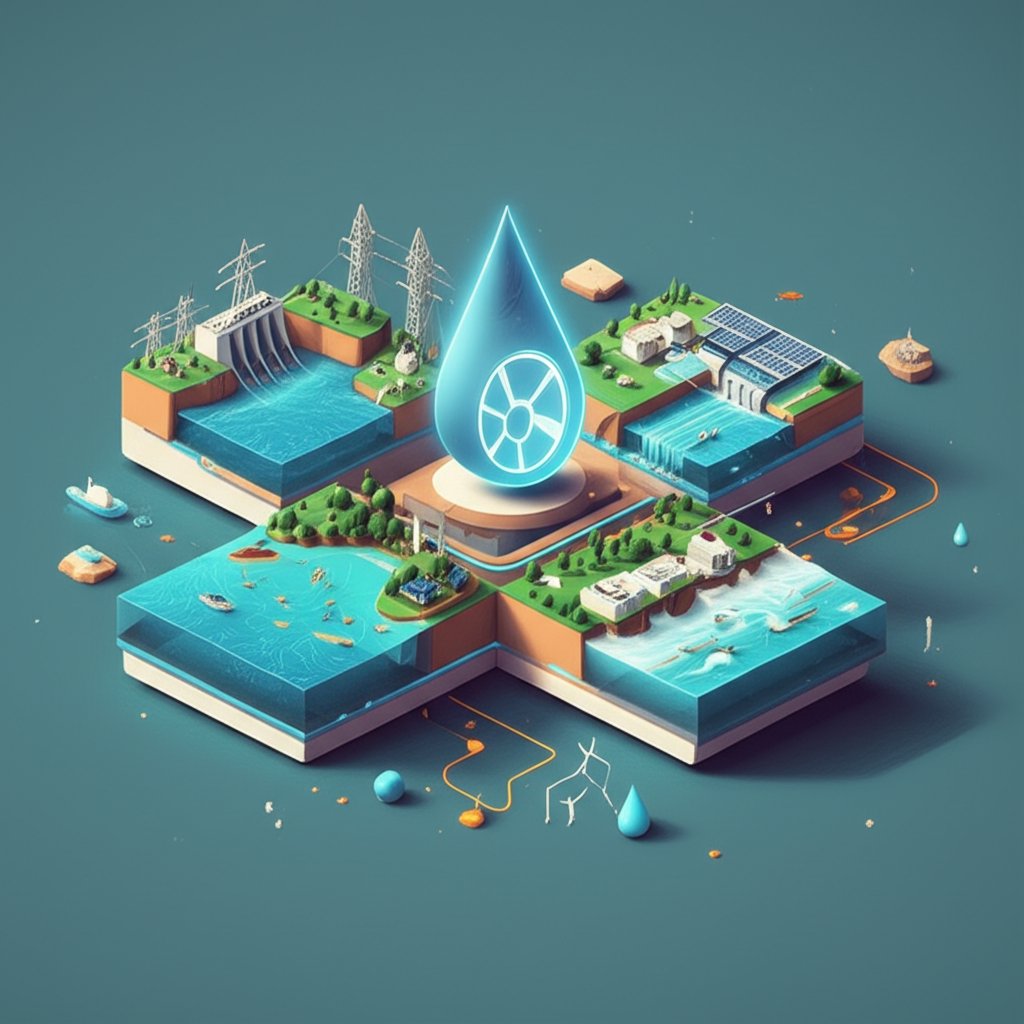
A common misconception is that all hydropower involves a colossal concrete dam flooding a valley. While that model exists, the technology is far more diverse and adaptable. Understanding the four main types reveals its flexibility.
Storage (Reservoir) Hydropower: This is the classic dam. By building a dam on a river, a large reservoir is created. Water is released through turbines to generate electricity on demand, making it a reliable and controllable power source. These are often called “High Head” systems due to the significant drop in water elevation.
Run-of-River Hydropower: This type uses the natural flow and elevation drop of a river. A small dam or weir might be used to channel water, but it doesn’t create a large reservoir. These “Low Head” systems have a smaller environmental footprint but generate power intermittently, as they depend on the river’s current flow.
Pumped-Storage Hydropower: This is the unsung hero of the renewable energy world. It acts like a giant, grid-scale battery. The system uses two reservoirs at different elevations. When electricity is cheap and plentiful (like on a sunny, windy day), it uses that power to pump water from the lower reservoir to the upper one. When demand is high and power is expensive, the water is released back down through the turbines, generating electricity. This provides critical grid stability, storing excess solar and wind power for when it’s needed most. As of 2024, there are 189 GW of pumped storage capacity globally.
Offshore Hydropower: A more nascent technology, this aims to harness the power of tides and ocean currents. While still in early stages, it represents a massive, untapped potential for coastal regions.
Beyond these large-scale types, smaller systems like Micro-hydro (10-100 kW) and Pico-hydro (under 5 kW) can power a single home, farm, or remote village, offering energy independence off the grid.
A Global Powerhouse: Hydropower by the Numbers
The sheer scale of global hydropower is staggering. It is the largest source of renewable electricity on the planet, consistently outproducing solar and wind combined, though those sources are growing faster.
Global Capacity: As of 2024, the world has 1,443 GW of installed hydropower capacity.
Electricity Production: Hydropower accounts for over 50% of all renewable electricity generation and about 16% of total global electricity.
Top Producers: Five countries dominate the hydropower landscape in terms of installed capacity:
China (with the colossal 22.5 GW Three Gorges Dam)
Brazil (home to the 14 GW Itaipu Dam, shared with Paraguay)
United States
Canada
Russia
National Reliance: Some countries have built their entire energy system around it. Norway, for example, generates an incredible 99% of its electricity from hydropower.
This massive deployment has a profound climate impact. According to the International Hydropower Association, if today’s hydropower capacity were replaced by coal-fired power plants, global greenhouse gas emissions would increase by a staggering 4 billion tons per year—a 10% jump.
The Unseen Benefits: More Than Just Megawatts
Many of the world’s largest dams were built with a broader purpose than just generating electricity. Hydropower projects are often multi-functional, providing a suite of benefits that are crucial for communities and economies.
Benefit Area
Description & Example
Irrigation
Reservoirs store water from wet seasons to be released during dry seasons, supporting agriculture. The Hoover Dam, for instance, irrigates over 1 million acres.
Flood Control
By managing water flow, dams can prevent catastrophic downstream flooding, protecting lives, property, and infrastructure.
Water Supply
Reservoirs provide a stable and reliable source of clean drinking water for cities and industries.
Recreation
The lakes created by dams become hubs for boating, fishing, and tourism, creating local economic opportunities.
River Navigation
Locks and managed river levels can make previously impassable waterways navigable for transport and commerce.
This multi-purpose nature means that the value of a hydropower project often extends far beyond the electricity it sells. These efforts directly support several UN Sustainable Development Goals (SDGs), particularly those related to clean water (SDG 6), affordable and clean energy (SDG 7), and climate action (SDG 13).
A Practical Look at Hydropower’s Trade-Offs
No energy source is without its challenges, and responsible hydropower development requires a clear-eyed assessment of its impacts. The high upfront cost and complex, lengthy permitting processes are significant hurdles. But the most debated aspects are environmental and social. Key Environmental & Social Considerations:
Fish Migration: Dams can block the migratory paths of fish like salmon. Modern solutions like “fish ladders” or elevators can help mitigate this, but their effectiveness varies.
Water Quality: By slowing a river’s flow, a reservoir can sometimes lead to lower dissolved oxygen levels and temperature changes downstream, impacting aquatic ecosystems.
Land Use & Relocation: Creating a large reservoir involves flooding significant land area. This can displace communities, a serious social impact that has affected an estimated 40-80 million people globally over the past century. Modern best practices, such as the Hydropower Sustainability Standard, provide frameworks for managing these impacts responsibly.
Methane Emissions: Decomposing organic matter in reservoirs can release methane, a potent greenhouse gas. The extent of this issue varies greatly depending on the climate and the type of vegetation flooded.
These are not reasons to dismiss hydropower, but they are critical factors that demand careful planning, sustainable siting, and a commitment to mitigating negative impacts throughout a project’s long life.
Quick Answers to Common Hydropower Questions
Let’s tackle some frequently asked questions and clear up common misconceptions about hydroelectric energy.
Is hydropower really a “green” or “clean” energy source?
It’s best described as a low-carbon energy source. During operation, it produces virtually no air pollution or greenhouse gas emissions. However, it is not impact-free. The construction process has a carbon footprint, and as mentioned, reservoirs can release methane. Compared to fossil fuels, its lifetime emissions are exceptionally low, but it has a more direct impact on its local river ecosystem than solar or wind.
How much does hydroelectricity cost?
Hydropower has a high upfront capital cost—building a dam is a massive engineering project. However, its operational costs are extremely low because the “fuel” (moving water) is free. This results in a very competitive long-term price for electricity. The global weighted-average cost for new hydropower projects in 2022 was just $0.061 per kWh, making it one of the cheapest sources of electricity available.
Is hydropower a growing industry?
Yes, but it faces challenges. The industry currently employs around 2.5 million people worldwide. To meet global net-zero targets by 2050, analysts project that global hydropower capacity needs to roughly double. This would require an estimated cumulative investment of $3.7 trillion and could create an additional 600,000 skilled jobs. The primary barriers are financing the high initial costs and navigating the complex regulatory environments.
Do all hydropower plants harm fish?
No, and the industry has developed many ways to mitigate harm. Run-of-river plants, which don’t block a river entirely, have a much lower impact. For larger dams, solutions like fish ladders, fish-friendly turbines, and “trap and haul” programs (where fish are physically transported around the dam) are increasingly common and effective.
Harnessing the Current for a Cleaner Future
The collection of interesting facts about hydroelectric energy paints a clear picture: it is a technology of contrasts. It is both ancient and modern, powerful and precise, beneficial and impactful. Its unparalleled efficiency, long lifespan, and ability to act as a grid-stabilizing battery make it an indispensable tool in the transition to a low-carbon world.
While the challenges of high upfront costs and environmental management are real, they are increasingly being met with sustainable practices and innovative engineering. As the world pushes toward its 2050 climate goals, the enduring power of water, responsibly harnessed, will undoubtedly remain a critical part of the solution.
I am a writer who loves renewable energy, with a focus on sustainable living, renewable energy, and eco-friendly innovation. With a passion for environmental awareness and a desire to explore the latest trends in green technology, corporate sustainability, and climate action. Through in-depth storytelling