Imagine setting up camp deep in the wilderness, far from any grid connection, and needing reliable power for your lights, devices, or even a small refrigerator. Or perhaps you’re preparing for an emergency, seeking an independent, sustainable energy source. This is where a portable hydroelectric generator becomes an invaluable asset, transforming the simple flow of a stream or river into clean, usable electricity. These ingenious devices harness the kinetic energy of moving water, offering an eco-friendly and robust solution for off-grid power needs, from remote cabins to critical emergency backup.
This article dives deep into the practicalities of selecting, understanding, and utilizing portable hydroelectric generators, equipping you with the knowledge to make an informed decision and tap into nature’s continuous energy supply.
Match Generator Size to Your Needs: Learn how to select the right power output (from 3.5W to 2000W) for your specific devices and applications, ensuring optimal efficiency.
Water Source Assessment is Crucial: Understand the critical role of consistent water flow rate and adequate vertical drop (head) in generator performance.
Durability Dictates Longevity: Discover why materials like aluminum alloy, pure copper coils, and robust waterproofing are non-negotiable for reliable outdoor use.
Prioritize Portability and Simple Setup: Look for lightweight, compact designs with straightforward connections for easy transport and quick deployment.
Embrace Clean, Renewable Energy: Recognize the environmental benefits of using natural water flow to reduce your carbon footprint and fuel dependency.
Understanding the Current: How Portable Hydro Systems Work
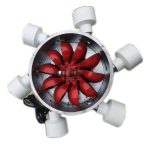
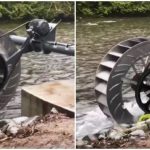
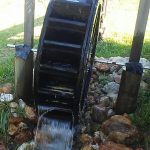
At its heart, a portable hydroelectric generator operates on a deceptively simple yet powerful principle: kinetic energy from moving water is converted into mechanical energy, which then drives a generator to produce electricity. Picture a miniature version of a large dam’s turbine, but scaled down and designed for mobility. Water is channeled through an intake, where it pushes against the blades of an impeller or turbine. This rotation spins a shaft connected to an electrical generator, typically featuring pure copper coils, which are excellent conductors, minimizing resistance and maximizing power generation.
These self-contained units are engineered to be resilient. Many models boast high-quality aluminum alloy construction, providing exceptional durability against scratches, wear, and corrosion—essential for rugged outdoor environments. Internal components are safeguarded by advanced waterproof measures, including seals, which extend the device’s lifespan and ensure consistent performance in wet conditions. Unlike solar panels that depend on sunlight or gas generators that require fuel, portable hydro systems can provide continuous power as long as there’s a steady water flow, offering a distinct advantage in many scenarios.
Matching Power to Purpose: Sizing Your Portable Hydroelectric Generator
Choosing the right portable hydroelectric generator starts with understanding your power requirements. These units come in a range of outputs, each suited for different applications, from charging a phone to powering multiple appliances.
Micro-Scale for Minimal Needs: The Tiny Powerhouses
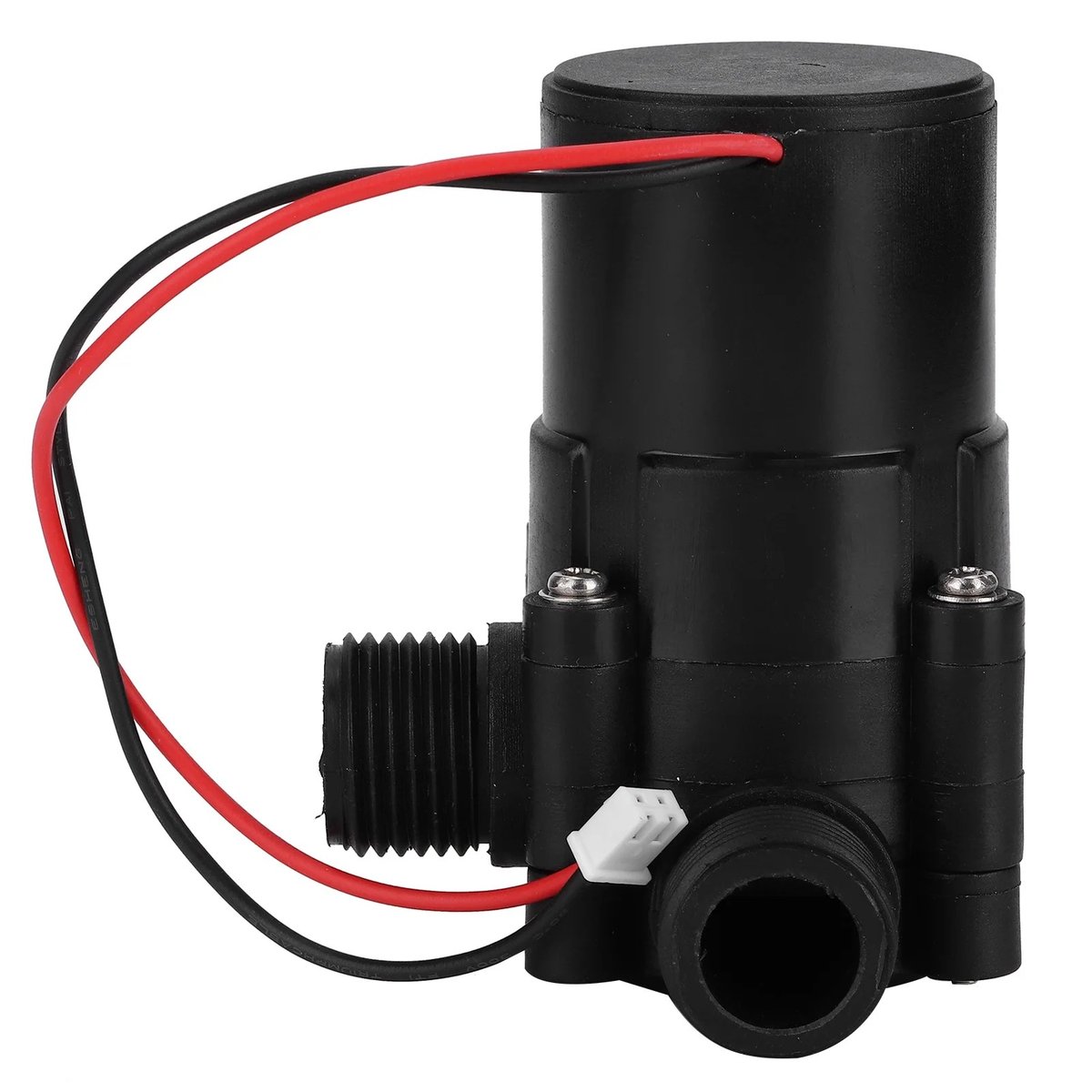
For those with very low-demand devices, a micro-hydro generator can be surprisingly effective. Take the BQLZR Micro-Hydro Generator, for instance. This compact unit (around 3.23 x 1.65 inches) produces about 3.5 watts at 12V DC. While it won’t power a camp fridge, it’s perfect for niche applications like trickle-charging small 12V batteries, powering low-wattage LED lights, or running remote sensors in an off-grid cabin. Its design prioritizes low flow loss and minimal water pressure requirements, making it viable in smaller streams where larger generators wouldn’t function. Think of it as a constant, gentle trickle charger for essential, low-power electronics.
Mid-Range for Everyday Off-Grid: Lights, Charging, and Small Appliances
Most outdoor enthusiasts and those seeking emergency backup power will likely look at mid-range models. The 500W, 110V generators from brands like Tiardocge, AreMOLO, and YDOOLNG fall into this category. These devices are designed to produce a respectable 500 watts, sufficient for:
Lighting: Multiple LED camp lights or small household lamps.
Charging: Phones, tablets, laptops, and rechargeable battery packs.
Small Appliances: A small fan, a coffee grinder, or even a modest mini-fridge for short periods.
Emergency Power: Keeping essential communication devices and a few lights operational during an outage.
These 500W units typically require a consistent water flow rate of at least 2 liters per second (or about 0.5 gallons per second). Critically, many also specify a vertical water drop, or “head,” between 16.4 and 49.21 feet (5 to 15 meters) for optimal efficiency. This vertical drop creates the necessary water pressure to adequately spin the turbine. They are generally compact and lightweight, often weighing around 5.5 pounds and measuring about 3.9 x 7.87 inches, making them genuinely portable.
Stepping Up for Home Comforts: More Power for More Devices
When your power needs extend beyond basic essentials to include more household conveniences, a 1000W generator becomes a strong contender. The OLONETO 1000W generator is a prime example. Constructed with durable aluminum alloy and pure copper coils, it’s built to last and perform efficiently. At 1000 watts, you can reliably power:
Home lighting for several rooms.
A television and satellite receiver.
Multiple small appliances concurrently.
Charging all your personal electronics without compromise.
This capacity offers a significant step up, bringing a touch more comfort and capability to your off-grid setup or providing more substantial emergency backup. For a more comprehensive look at the overall landscape of these innovative devices, you can delve into our main guide: Power your outdoor adventures.
Heavy-Duty for Robust Power: Tackling Larger Loads
For those with substantial power requirements, whether for a more permanent off-grid living situation, heavy-duty camping, or comprehensive home backup, 2000W generators are available. The ZHOZHUT 2000W, 220V generator delivers robust power, albeit typically at 220V, which is common in many parts of the world but requires an inverter or voltage converter for 110V US systems. Weighing around 8kg (17.6 pounds), it remains compact enough for portability despite its output.
Features like a smoothly rotating impeller and robust design minimize vibration, contributing to stable operation and longevity. Integrated waterproof measures protect the motor and turbine, making it suitable for demanding outdoor use. With 2000 watts, you can consider powering larger loads such as:
Power tools (within their wattage limits).
Multiple critical home appliances.
Extended lighting and entertainment systems.
Providing significant power to a larger off-grid cabin.
The Anatomy of a Reliable Portable Hydro Generator: What to Look For
When investing in a portable hydroelectric generator, the internal and external construction play a huge role in its performance, efficiency, and longevity. You’re looking for a workhorse, not a fragile gadget.
Durability and Materials: Built to Endure
High-Quality Aluminum Alloy Construction: This is a non-negotiable. Aluminum alloy provides an excellent strength-to-weight ratio, crucial for portability, while also offering superior resistance to corrosion, scratches, and general wear and tear in harsh outdoor environments. It ensures your investment lasts season after season.
Pure Copper Coils: The heart of the generator lies in its coils. Pure copper offers significantly enhanced electrical conductivity compared to other materials. This means less resistance during power generation, translating directly into higher efficiency and more usable electricity from the same amount of water flow.
Robust Waterproof Measures: Water and electricity demand respect. Look for generators with comprehensive waterproof sealing, not just “water-resistant.” This includes seals around all internal components, the motor, and the turbine housing, ensuring long-term protection against moisture ingress, which can cause corrosion and electrical failure.
Efficiency Features: Maximizing Every Drop
Optimized Impeller/Turbine Design: A smoothly rotating impeller that minimizes turbulence and maximizes the transfer of kinetic energy from the water to the shaft is vital. Better design means more power from the same flow.
Durable Bearings: The bearings are critical for smooth, low-friction rotation of the turbine shaft. High-quality, durable bearings reduce wear, minimize energy loss as heat, and contribute to the generator’s overall lifespan and consistent performance.
Minimized Vibration: A well-engineered generator will operate with minimal vibration. Excessive vibration indicates inefficiencies, puts stress on components, and can lead to premature failure. A robust, balanced design ensures smooth operation.
Portability & Setup: User-Friendly Power
Lightweight and Compact Design: For a “portable” generator, this is paramount. Check the weight and dimensions. Can you easily carry it in a backpack or small vehicle?
Simple Pipe Connections: Look for generators that use standard pipe sizes and offer straightforward, secure connection points for your water inlet and outlet hoses. Quick-release or tool-free connections are a bonus for field deployment.
Ease of Installation: A good portable system should allow for relatively quick and easy setup. This means minimal fuss with mounting, securing, and aligning the unit in a stream. The goal is to get power flowing with minimal effort.
Pre-Installation Checklist: Assessing Your Water Source
The performance of your portable hydroelectric generator hinges entirely on the characteristics of your water source. Before you even think about unpacking the unit, you need to conduct a thorough site assessment.
Flow Rate is King: The Volume of Water
What it is: The volume of water passing a given point in a specific amount of time, typically measured in liters per second (L/s) or gallons per second (g/s).
Why it matters: This directly correlates to the amount of kinetic energy available to spin your turbine. More flow usually means more power, assuming adequate vertical drop.
Practical Check: For a 500W generator, you’re looking for a minimum of 2 L/s. To estimate this, you can use the “bucket test.” Find a section of the stream where you can channel the full flow into a known volume container (e.g., a 5-gallon bucket). Time how long it takes to fill, then calculate flow rate. Example: If it takes 10 seconds to fill a 5-gallon bucket, that’s 0.5 gallons per second. Repeat a few times for accuracy.
The Crucial Vertical Drop (Head): The Pressure Driver
What it is: Often called “head,” this is the vertical distance the water falls from your intake point to the turbine’s location. This drop creates pressure, which is essential for forcefully spinning the turbine.
Why it matters: Even with good flow, if there’s no vertical drop, there’s little pressure, and thus little power. Many generators, like the 500W models, specify a critical drop range (e.g., 16 to 49 feet).
Practical Check: Measure the vertical distance using a string with a weight (plumb bob), a level, and a tape measure. Alternatively, a laser level or even a smartphone app with a clinometer can give you a rough estimate. Identify the highest point where you can divert water and the lowest point where your generator will sit, ensuring a safe and stable setup.
Site Survey Basics: Beyond Flow and Drop
Consistency: Is the flow rate consistent year-round, or does it vary significantly with seasons (e.g., melting snow vs. dry summer)?
Debris: Is the stream prone to carrying a lot of leaves, silt, or branches? You’ll need to consider screening or filters to protect your turbine.
Accessibility: Can you easily access the site for installation, maintenance, and monitoring?
Environmental Impact: Ensure your setup doesn’t disrupt the natural ecosystem or local wildlife. Check for any local regulations regarding diverting or using water from natural sources.
Security: Consider the security of your generator in remote locations.
A Practical Playbook: Setting Up Your Portable Hydro System
Installing a portable hydroelectric generator is a hands-on task, but with a clear plan, it’s entirely manageable for anyone with basic DIY skills.
Step 1: Site Selection and Preparation
Choose a location that offers the necessary flow and vertical drop, is stable, and is easily accessible. Clear any debris from the stream bed where you intend to place your intake and the generator. You might need to build a small rock dam or divert a portion of the stream to ensure consistent flow into your intake pipe.
Step 2: Securing the Turbine
The generator itself needs to be firmly anchored to prevent it from moving, shifting, or being swept away by strong currents. Use heavy rocks, stakes, or a custom-built frame to secure it in place. Ensure it’s level and stable. Any movement will reduce efficiency and potentially damage the unit.
Step 3: Water Channeling: Inlet and Outlet
Inlet Pipe: Connect a sturdy, appropriately sized pipe (e.g., PVC or corrugated drainage pipe) from your water intake point (the highest point with sufficient head) down to the generator’s inlet. Minimize bends and kinks to reduce friction and maintain water pressure. Ensure the intake is screened to prevent large debris from entering the pipe and damaging the turbine.
Outlet Pipe: Connect a discharge pipe from the generator’s outlet to safely return the water to the main stream channel downstream. This prevents water from pooling around the generator and maintains the natural flow.
Step 4: Electrical Connections
This is where safety is paramount.
Output Check: Most portable hydro generators output DC power, which may then be routed through an inverter for AC appliances or directly to a charge controller for a battery bank. Confirm your generator’s output voltage (e.g., 12V DC, 110V AC, 220V AC).
Wiring: Use appropriate gauge waterproof electrical cable for connecting the generator to your load or battery bank/charge controller. Ensure all connections are secure, insulated, and protected from water.
Grounding: Always follow electrical safety guidelines and properly ground your system to prevent electrical shock. Consult an electrician if you’re unsure.
Connecting to Loads: For DC output, connect to a charge controller and battery bank. For AC output, connect directly to appliances or via a suitable extension cord.
Step 5: Testing and Monitoring
Once everything is connected, slowly introduce water to the system.
Initial Test: Check for leaks in your piping. Ensure the turbine spins freely and smoothly.
Voltage/Amperage Check: Use a multimeter to verify the generator is producing power as expected.
Load Test: Connect a small, non-critical load first to ensure stable output before connecting sensitive or larger appliances.
Continuous Monitoring: Regularly check the system for unusual noises, reduced output, or signs of wear.
Optimizing Performance and Longevity
To ensure your portable hydroelectric generator remains a reliable power source for years to come, ongoing maintenance is essential.
Regular Inspection: Periodically check the intake screen for debris buildup. Inspect the pipes for leaks or blockages. Check the generator housing for any signs of damage or loose connections.
Cleaning Turbine Blades: Over time, algae or sediment can accumulate on the turbine blades, reducing efficiency. If accessible, gently clean the blades according to the manufacturer’s instructions.
Cable Protection: Ensure all electrical cables are securely fastened, protected from abrasion, and out of reach of animals or foot traffic.
Seasonal Considerations: In freezing climates, you may need to winterize your system by draining water and storing the generator to prevent ice damage. During periods of extremely low flow, the generator may not produce sufficient power, so plan for alternative energy sources if needed.
Quick Answers: Your Portable Hydro Q&A
Q: Can I use any stream or river for a portable hydroelectric generator?
A: Not every water source is suitable. You need a consistent flow rate and, crucially, a sufficient vertical drop (head) to generate adequate pressure. Always assess your specific site against the generator’s specifications before purchase. Also, check local regulations regarding water diversion or use. Q: Do I need a battery bank with a portable hydroelectric generator?
A: In most cases, yes, a battery bank is highly recommended. Water flow can fluctuate, and your power needs might not align directly with generation times. A battery bank stores the generated electricity, providing a stable, consistent power supply on demand, even if the water flow temporarily decreases or you need power when the generator isn’t running. A charge controller will be needed between the generator and the battery bank. Q: How noisy are portable hydroelectric generators?
A: Generally, they are very quiet. The primary sound you’ll hear is the rushing water itself, rather than mechanical noise from the generator, especially compared to fossil fuel generators. Well-designed units with durable bearings will operate with minimal vibration and mechanical sound. Q: Are portable hydroelectric generators difficult to install for a beginner?
A: They are designed for relative ease of installation compared to larger, permanent hydro systems. Basic DIY skills, an understanding of plumbing (for water channeling), and fundamental electrical safety knowledge are helpful. Many models come with clear instructions, and online communities or videos can offer additional guidance. Q: What safety precautions should I take when operating one?
A: Given that you’re combining water and electricity, safety is paramount.
Electrical Safety: Ensure all wiring is properly insulated, connections are secure, and the system is grounded. Never operate with damaged cables.
Stable Mounting: The generator must be securely anchored to prevent it from moving or becoming a hazard in the stream.
Water Access: Be mindful of slippery surfaces around the water and take precautions to prevent falls.
Children and Pets: Keep children and pets away from the operating generator and associated wiring.
The Sustainable Power Advantage: Why Choose Portable Hydro
Opting for a portable hydroelectric generator isn’t just about getting power; it’s about making a conscious choice for sustainable living.
Renewable and Clean: It harnesses a perpetually replenishing resource—moving water—without burning fossil fuels or emitting greenhouse gases. You’re generating electricity with zero carbon footprint at the point of use.
Fuel Independence: Say goodbye to lugging heavy fuel cans, worrying about spills, or dealing with noisy, smelly gas generators. Your “fuel” is flowing freely in nature.
Consistent Power: Unlike solar, which is limited by daylight hours, or wind, which requires specific conditions, a flowing stream can provide continuous power 24/7, making it incredibly reliable where available.
Eco-Friendly Construction: Many units utilize recyclable materials like aluminum alloy, further minimizing their environmental impact throughout their lifecycle.
Making Your Choice: A Quick Decision Guide
To recap, here’s a swift checklist to guide your decision-making process for a portable hydroelectric generator:
Calculate Your Power Needs: List every device you plan to power. Sum their wattage requirements. This will tell you if you need a 500W, 1000W, or 2000W unit (or smaller, if only charging micro-devices).
Assess Your Water Source Rigorously: Measure the consistent flow rate (L/s or g/s) and the available vertical drop (head in feet or meters). This is the single most critical factor determining which generator will work for you. Don’t guess.
Prioritize Durability & Efficiency: Look for generators made from high-quality aluminum alloy with pure copper coils and robust waterproofing. These features ensure long-term, efficient performance in challenging outdoor conditions.
Consider Portability & Ease of Use: If you’ll be moving it frequently, weight and ease of setup are key. If it’s for a semi-permanent site, these factors might be less critical than raw output.
Budget & Voltage Compatibility: Match your budget to the required power output and ensure the generator’s voltage (110V or 220V) is compatible with your existing electrical system or an appropriate inverter.
Unlocking the potential of a flowing stream to power your outdoor adventures, remote living, or emergency preparedness is an empowering experience. By understanding the core principles, carefully assessing your needs and water source, and choosing a well-engineered unit, you can harness nature’s continuous energy, reducing your reliance on traditional power sources and embracing a cleaner, more sustainable way to live.
I am a writer who loves renewable energy, with a focus on sustainable living, renewable energy, and eco-friendly innovation. With a passion for environmental awareness and a desire to explore the latest trends in green technology, corporate sustainability, and climate action. Through in-depth storytelling