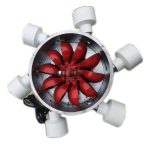
Imagine hiking deep into the wilderness, far from any power grid, yet still having the ability to charge your phone, run a small fan, or power crucial emergency lights. This isn’t a fantasy; it’s the tangible reality offered by a portable hydroelectric power generator. These ingenious devices harness the kinetic energy of flowing water, transforming streams and rivers into reliable, clean electricity sources for everything from remote cabins to emergency backup.
Unlock Your Water Source: Learn to match generator requirements (flow rate, vertical drop) with available streams.
Power Your Essentials: Understand typical outputs (500W to 2000W) and what they can reliably power.
Built for Adventure: Discover key features like aluminum alloy construction and pure copper coils that ensure durability and efficiency.
Smart Setup, Safe Power: Get practical tips for easy installation and essential safety measures for portable units.
Choosing Your Generator: Follow a clear blueprint to select the best unit for your specific off-grid needs.
Understanding the Flow: Harnessing Nature’s Current
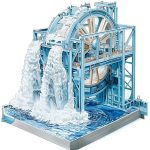
A portable hydroelectric generator is essentially a miniature power plant designed for mobility. Its core mechanism is elegantly simple: flowing or falling water spins a turbine, which in turn drives a generator to produce electricity through electromagnetic induction. Unlike massive dams, these units are engineered to be compact, lightweight, and adaptable, making them perfect for tapping into smaller, natural water sources.
This hydrokinetic energy conversion is a marvel of efficiency. The magic happens when water pressure or velocity interacts with specially designed turbine blades – often impulse types like Pelton for high “head” (vertical drop) or reaction types like Francis for more variable flow conditions. The result is a consistent, renewable energy stream, free from fuel costs or emissions, ready to power your adventures or secure your home during outages.
The Power in Your Hands: What Portable Generators Deliver
The output capacity of portable hydroelectric generators varies significantly, directly impacting what you can power. Typically, you’ll find units ranging from a few watts for charging small devices to several thousand watts capable of running multiple appliances.
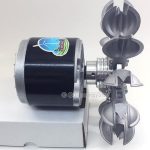
For instance, many popular models are designed to deliver around 500 watts at 110V. This capacity, often achieved with a modest flow of about 2 liters per second (0.5 gallons per second) and a 16-foot drop, is ideal for critical off-grid needs. Think lighting, charging laptops and phones, running a small radio, or powering compact medical devices. These “Unnamed Hydroelectric Generators” or “Micro Hydroelectric Generators” often feature durable aluminum alloy construction and pure copper coils, making them energy-efficient, recyclable, and environmentally sound for remote lighting and small appliances.
Stepping up in capability, some units, like the ZHOZHUT Hydroelectric Generator, boast an impressive 2000 watts at 220V. Weighing around 8kg, these units are robust enough to handle larger loads – maybe even a refrigerator or a suite of power tools – making them suitable for more permanent off-grid living, extensive outdoor projects, or comprehensive emergency backup. Their smoothly rotating impellers and waterproof measures ensure reliable performance even in challenging environments.
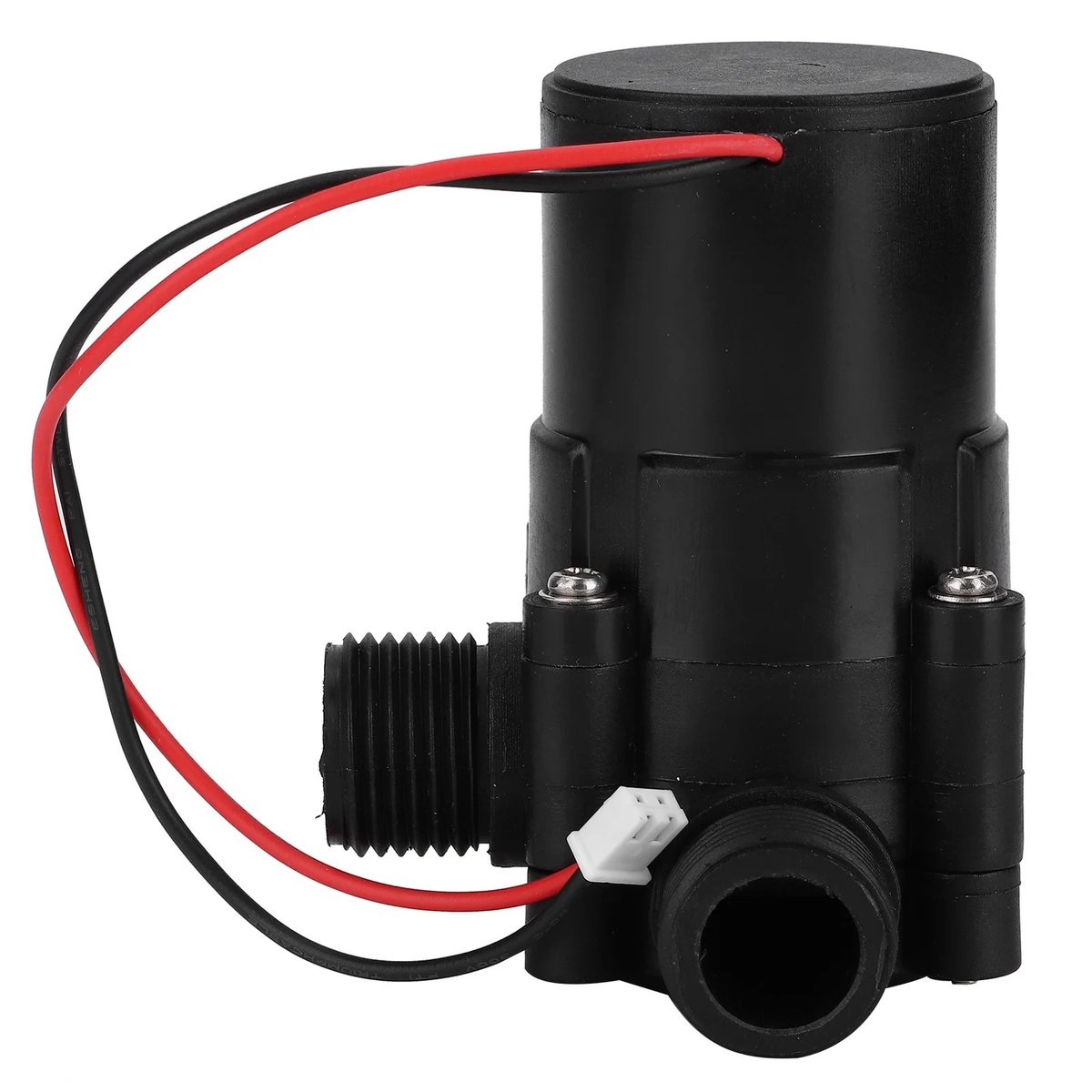
Even smaller options exist for specialized needs. The BQLZR Micro-Hydro Generator, for example, is a compact unit producing 12 volts DC at 3.5 watts under full flow. While not designed for major appliances, it’s perfect for low-flow, small-scale applications like trickle-charging batteries or powering a single LED light or a radio, as seen with the Beduan Micro Water Turbine Generator (up to 220mA charging current, under 55dB operation). The versatility in power output means there’s likely a portable hydro solution for nearly any clean energy requirement you have.
Unlocking Your Water Source: Matching Generator to Stream
The heart of any successful portable hydroelectric setup lies in understanding and leveraging your available water source. Two critical factors dictate a generator’s efficiency and power output: water flow rate and vertical drop (head height). Water Flow Rate: This refers to the volume of water passing a point over a given time, typically measured in liters per second or gallons per second. A higher flow rate translates to more kinetic energy for the turbine to convert. Many 500W generators require approximately 0.5 gallons per second (around 2 L/s). Without sufficient flow, even the best generator won’t produce much power. Think of it like fueling an engine: more fuel (water) allows for more power generation. Vertical Drop (Head Height): This is the vertical distance the water falls before hitting the turbine. This drop creates pressure, which is crucial for spinning the turbine effectively, especially for impulse turbines like Pelton. An “Unnamed Mini Hydroelectric Generator,” for instance, might require a vertical drop of 16.4 to 49.21 feet to operate optimally. Similarly, the “Hydroelectric Generator 500W Portable Water Turbine 110V” review specifies a requirement of a 16-foot drop alongside the 0.5 gal/s flow. If your stream offers plenty of flow but little drop, a different turbine type (like a reaction or crossflow) might be more suitable, but for portable units, a decent head is often preferred.
For a broader understanding of how these systems fit into the wider world of portable water turbines and how to assess your specific site, check out our comprehensive guide on how you can Generate outdoor electricity. It provides a foundational look at the principles at play.
Built to Endure: Key Features for Durability and Efficiency
When investing in a portable hydroelectric power generator, its construction and internal components are paramount for reliable, long-term performance in outdoor settings. You’re looking for gear that can withstand the elements and consistently convert water into usable electricity. High-Quality Materials: Durability often starts with the housing. Prioritize units constructed from high-quality aluminum alloy. This material offers an excellent balance of strength, lightweight portability, and crucial corrosion resistance – a must-have when constantly exposed to water. Reviews frequently highlight this, with many “Unnamed Micro Hydroelectric Generators” featuring robust aluminum alloy bodies that are scratch and wear-resistant. Efficient Internal Components: The core of power generation lies in the coils. Pure copper coils are a gold standard. Copper is an excellent electrical conductor, which minimizes energy loss during conversion and contributes to higher efficiency. This ensures more of your water’s energy is transformed into usable electricity. Protection Against the Elements: Since these generators operate in wet conditions, robust waterproof measures and sealing are non-negotiable. Look for designs that explicitly mention waterproof sealing around critical components like bearings and electrical connections. A dedicated impeller bearing, often highlighted in product descriptions, further enhances durability by ensuring smooth, long-lasting rotation of the turbine. Compact and Thoughtful Design: Portability isn’t just about weight; it’s also about form factor. Units with dimensions like 3.9 x 7.87 inches and weights around 5.5 pounds (like the “Unnamed Mini Hydroelectric Generator”) are genuinely portable. Features such as low flow loss, minimal water pressure requirements for activation (e.g., BQLZR), and quiet operation (under 55dB for Beduan, or generally quiet for many 500W units) contribute to a superior user experience and environmental compatibility.
By focusing on these design and material features, you ensure your portable hydroelectric generator is not only powerful but also a resilient, long-lasting companion for your off-grid energy needs.
Setting Up for Success: Installation Best Practices for Portable Units
While the term “installation” might conjure images of complex engineering, setting up a portable hydroelectric generator is surprisingly straightforward, especially with a few best practices in mind. The goal is maximum efficiency with minimal environmental impact.
Scout Your Location Wisely: Look for a section of stream or river with both adequate flow and a consistent vertical drop. The ideal spot will have a natural constriction or a small waterfall that can be easily channeled without major earthworks. Avoid areas with heavy debris or unstable banks.
Channel the Water Precisely: For most portable units, you’ll need to create a simple diversion or use a pipe to direct water to the generator’s intake. Ensure this channeling is smooth and minimizes turbulence before the water reaches the turbine. For units like the ZHOZHUT, easy installation via a standard water pipe is a key feature.
Secure and Stabilize: Portable doesn’t mean flimsy. Mount your generator securely to prevent it from shifting with water flow or accidental bumps. Rocks, stakes, or a small, custom-built stand can provide stability. Proper alignment with the water flow is crucial for maximum efficiency; the water should hit the turbine blades squarely.
Prioritize Safety First: Even with low-voltage units, basic electrical safety is paramount. Ensure all electrical connections are properly insulated and waterproofed. If you’re dealing with higher wattage units, consider simple safety features like basic circuit breakers or grounding to protect against surges or faults.
Minimize Environmental Footprint: Portable hydro is inherently eco-friendly, but responsible setup is still key. Avoid altering the natural streambed more than necessary. Ensure your water diversion doesn’t significantly impact downstream flow or aquatic life. The goal is to borrow water, extract energy, and return the water to its natural course with minimal disruption.
Schedule Basic Maintenance: Portable units are generally low-maintenance, but periodic checks are vital. Clear any debris from the intake screen or turbine blades, inspect for leaks, and check electrical connections for corrosion. Regular, quick inspections ensure consistent performance and extend the life of your generator.
By following these practical steps, you can quickly and effectively deploy your portable hydroelectric generator, turning a simple stream into a reliable power source for your off-grid lifestyle.
Making the Smart Choice: A Buyer’s Blueprint
Selecting the right portable hydroelectric power generator doesn’t have to be overwhelming. By systematically evaluating your needs and the generator’s specifications, you can confidently choose a unit that delivers consistent, clean power.
Step 1: Pinpoint Your Power Requirements
First, list everything you intend to power.
Small electronics (phones, lights, USB devices)? A compact 3.5W unit (like the BQLZR) or a 50-100W micro-turbine (like the TABODD) might suffice.
Basic lighting, charging laptops, a small fan? A 500W model (e.g., “Hydroelectric Generator 500W Portable Water Turbine”) is likely your sweet spot, offering 110V output suitable for common household items.
Larger loads, multiple appliances, cabin power? Consider a 2000W generator (like the ZHOZHUT) for substantial off-grid energy, often with 220V output.
Step 2: Measure Your Water Source
This is the most critical step. Accurately measure:
Flow Rate: How many liters or gallons per second pass through your chosen spot? You can estimate this by timing how long it takes a known volume of water to fill a container. Most 500W units need around 0.5 gallons/second.
Vertical Drop (Head Height): What is the vertical distance from where you can divert water to where you can place the generator? Use a measuring tape or level. Units like the “Unnamed Mini Hydroelectric Generator” require 16.4 to 49.21 feet of vertical drop. Decision Point: If your water source doesn’t meet the minimum requirements for your desired power output, you’ll need to reconsider either your power expectations or find a different location.
Step 3: Prioritize Durability and Portability
Think about where and how you’ll use it.
Construction Materials: Always lean towards high-quality aluminum alloy for its corrosion resistance and durability in wet environments. Pure copper coils are a must for efficient energy conversion.
Weight and Size: For true portability, look for lightweight, compact designs. Generators weighing 3kg to 8kg (like the “Unnamed Micro Hydro Generator” or ZHOZHUT) and dimensions under 4×8 inches (like the 500W Portable Water Turbine) are generally easy to transport and set up.
Installation Ease: Look for simple water pipe connections and minimal setup hassle.
Step 4: Evaluate Efficiency Features & Environmental Impact
Waterproof Sealing: Essential for longevity. Ensure all vulnerable components are protected.
Quiet Operation: Many units operate under 55dB, making them unobtrusive.
Eco-Friendly Design: Confirm the model uses natural water flow without external power and is made with recyclable materials, reinforcing its status as a clean, renewable energy source.
Step 5: Consider Brand, Price, and Support
Reputation & Reviews: Look for brands with positive user feedback, especially regarding reliability and customer service. Reviews for products like the “Hydroelectric Generator 500W Portable Water Turbine 110V” often highlight quiet operation and durable construction.
Warranty: A good warranty provides peace of mind for your investment.
Budget: While micro-hydropower can range from $1,000-$5,000 per installed kW, portable units are often more affordable upfront, but factor in any necessary piping or installation accessories.
By systematically addressing these points, you can navigate the options and select a portable hydroelectric power generator that truly meets your specific off-grid electricity needs, transforming flowing water into a powerful asset.
Quick Answers: Your Portable Hydro FAQs
Q: How much water flow do I really need for a portable hydroelectric generator?
A: It depends on the generator’s power output. For a common 500-watt unit, you’ll typically need around 0.5 gallons per second (approximately 2 liters per second) of water flow combined with a vertical drop of at least 15-20 feet. Smaller units for charging batteries require less, while higher wattage generators demand significantly more. Q: Can I use a portable hydro generator in a small creek or stream?
A: Absolutely, that’s exactly what many portable units are designed for! However, the creek must have sufficient consistent flow and a measurable vertical drop (even a small, natural cascade helps). Assess your specific site carefully before purchasing. Q: Are these generators noisy?
A: Generally, no. Most portable hydroelectric generators are designed for quiet operation. Many models, like the Beduan Micro Water Turbine Generator, operate under 55dB, which is comparable to a quiet conversation or refrigerator hum, making them unobtrusive in outdoor settings. Q: What kind of maintenance do portable hydro generators require?
A: Maintenance is minimal, primarily focusing on keeping the system clear of debris. Regularly check the water intake for leaves or sediment, inspect the turbine for any obstructions, and ensure electrical connections are secure and corrosion-free. A quick visual inspection every few weeks during operation is usually sufficient. Q: Do I need a battery storage system with a portable hydroelectric generator?
A: For consistent power when the water isn’t flowing (e.g., overnight or during dry spells) or to smooth out power delivery, a battery storage system is highly recommended. The generator charges the batteries, which then provide power on demand. Some smaller units, however, might be used for direct charging if continuous power isn’t critical.
Your Path to Off-Grid Power
Embracing a portable hydroelectric power generator opens up a world of independent, clean energy, whether for remote living, emergency preparedness, or simply enhancing your outdoor adventures. The decision boils down to understanding your specific power needs and the characteristics of your available water source. By meticulously assessing flow rates and vertical drops, prioritizing durable construction with features like aluminum alloy and pure copper coils, and following sensible installation practices, you can confidently select a generator that will reliably convert nature’s flow into the electricity you need. With the right unit, you’re not just buying a piece of equipment; you’re investing in self-sufficiency, sustainability, and the peace of mind that comes with readily available power, wherever your journey takes you.
I am a writer who loves renewable energy, with a focus on sustainable living, renewable energy, and eco-friendly innovation. With a passion for environmental awareness and a desire to explore the latest trends in green technology, corporate sustainability, and climate action. Through in-depth storytelling