Cutting the cord to traditional power sources can feel incredibly liberating, whether you’re establishing an off-grid homestead or embarking on extended wilderness adventures. But the dream of self-sufficiency often bumps up against the reality of consistent energy. This is precisely where portable water generators shine, offering a reliable, renewable solution by harnessing the kinetic energy of moving water to produce clean electricity. Forget hauling heavy generators or crossing your fingers for sunny skies; imagine simply tapping into a nearby stream.
As someone deeply familiar with these systems, I can tell you that understanding the nuances of portable water generators is the key to unlocking their full potential. This guide will walk you through the practical considerations, helping you choose and implement the right system for your specific needs, ensuring your off-grid life is powered consistently and sustainably.
At a Glance: Powering Up with Portable Water Generators
Match Output to Needs: Understand wattage (W) and voltage (V) to select a generator that truly powers your devices, from charging phones to running small appliances.
Assess Your Water Source: Accurately measure flow rate and vertical drop, as these are non-negotiable requirements for efficient generation.
Prioritize Durability: Look for corrosion-resistant materials and robust construction to withstand harsh outdoor conditions.
Weigh Portability: Consider the generator’s size and weight for transport and ease of installation in remote locations.
Know Your Components: Pure copper coils and efficient designs mean better energy conversion and longevity.
Real-World Ready: Discover how different models cater to varying applications, from micro-charging to substantial off-grid power.
Understanding the Off-Grid Advantage of Hydro
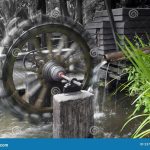
Portable water generators convert the mechanical energy of flowing water into electrical energy. This process offers a distinct advantage over solar or wind power in many scenarios: it’s often more consistent. A steady stream can provide continuous power day and night, regardless of weather conditions, making it an excellent choice for base camps, cabins, or emergency preparedness where reliability is paramount.
Unlike fossil fuel generators, these systems produce zero emissions during operation, aligning perfectly with a sustainable, low-impact lifestyle. The technology has advanced significantly, making them more compact, efficient, and user-friendly than ever before.
Decoding Your Power Needs: Watts, Volts, and Off-Grid Realities
Before you even think about buying a portable water generator, you need to understand what you actually need to power. This isn’t just about “some electricity”; it’s about specific watts and volts. Overestimate, and you waste money; underestimate, and you’re still without power.
Most small devices like phones, tablets, and LED lights require minimal wattage, often in the single or double digits. Mid-range needs, such as powering a laptop, small fridge, or a few household lights, typically fall into the 100-500W range. For heavier loads like power tools, multiple appliances, or a full cabin setup, you’re looking at 1000W or more.
12V DC for Basics: Generators like the BQLZR (3.5W, 12V DC) are perfect for trickle charging batteries or powering very small DC devices. Think of it as a constant, low-level energy stream for essential electronics.
110V AC for Everyday Use: Many smaller portable water generators, such as the Tiardocge, ZBXGJKSY, and AreMOLO (all 500W, 110V), are designed to mirror standard household outlets in the US. A 500W output can comfortably handle charging multiple devices, running LED lighting, and even powering small kitchen appliances like blenders or coffee makers for short periods.
220V AC for Heavier Loads: For more robust off-grid living, where you might run larger appliances, power tools, or multiple items simultaneously, a higher wattage and voltage are necessary. The ZHOZHUT (2000W, 220V) steps up to this challenge, offering substantial power for more demanding applications, typical in European standards or for dedicated off-grid systems designed for higher consumption. Practical Scenario: Imagine you’re setting up a remote artist’s studio. You need to power a laptop, a few lights, and occasionally a small power tool. A 500W, 110V unit would likely suffice. If, however, you’re looking to run a full refrigeration unit, a well pump, and all your creature comforts in a larger cabin, the 2000W, 220V model would be a more appropriate starting point. Always list your power needs first, then size your generator.
Harnessing the Flow: Water Source Assessment is Key
The heart of any portable water generator system is, of course, the water itself. Without sufficient flow and often, a decent vertical drop, even the most advanced turbine won’t generate meaningful power. This is where careful site assessment becomes crucial.
Water Flow Rate (Volume): This refers to how much water passes a given point over time, typically measured in liters per second (L/s) or gallons per minute (GPM). Most small generators require a minimum flow. For instance, the Tiardocge and AreMOLO units require at least 2 L/s (0.5 GPM). If your stream barely trickles, a hydro generator won’t be your primary power solution.
Quick Tip for Estimating Flow: Grab a bucket of a known volume (e.g., 5-gallon) and a stopwatch. Place the bucket in the stream’s flow path and time how long it takes to fill. Divide the volume by the time to get your flow rate. Repeat a few times for accuracy.
Vertical Drop (Head): This is the vertical distance the water falls from your intake point to where the turbine is placed. Gravity is a powerful ally here. A greater vertical drop creates more pressure, spinning the turbine faster and generating more electricity. The ZBXGJKSY 500W generator, for example, specifies a minimum 16.4 feet (5 meters) vertical drop. Some systems can work with less head but will produce less power, while others require significantly more.
Quick Tip for Estimating Drop: Use a long tape measure, a string with a weight, or even a basic surveyor’s level to measure the elevation difference between your desired water intake and the turbine placement. Remember, the listed requirements are often minimums for efficient operation.
Understanding these two factors is fundamental. Your water source’s characteristics dictate which generators are even viable options. It’s often the limiting factor for many aspiring off-grid users. For a deeper dive into the mechanics and broader applications of these energy marvels, you can Explore portable water turbines in more detail.
Built to Last: Materials, Durability, and Weathering the Wild
Portable water generators are outdoor equipment, plain and simple. They’ll face rain, mud, sun, and potentially freezing temperatures. This means construction materials and design matter immensely for longevity and reliable operation.
Corrosion Resistance: Water, especially flowing water that picks up minerals and sediment, can be highly corrosive. Generators crafted from materials like aluminum alloy (found in models like Tiardocge, ZHOZHUT, and AreMOLO) offer excellent resistance to rust and wear. This isn’t just about aesthetics; it ensures the structural integrity of the unit over years of use.
Waterproofing and Sealing: Electrical components and water don’t mix. Look for robust waterproof rubber seals and fully enclosed motors. The ZBXGJKSY specifically highlights its waterproof seals, and the ZHOZHUT emphasizes waterproofed motors. This protects the internal workings from ingress, preventing shorts and extending the generator’s life.
Pure Copper Coils: The efficiency of electricity generation within the turbine relies heavily on its internal wiring. Pure copper coils (featured in Tiardocge, ZBXGJKSY, and AreMOLO) are highly valued for their superior electrical conductivity. This translates directly to better power conversion, meaning more of the water’s kinetic energy gets turned into usable electricity, and less is lost as heat.
Smooth Rotating Impellers: The moving parts, especially the impeller, need to be durable and designed for continuous, low-friction operation. The ZHOZHUT model mentions a “smooth rotating impeller” contributing to stable, vibration-free operation, which is critical for long-term reliability and reducing wear on components. Case Snippet: I once consulted with a client who had purchased a cheap, generic water generator for their remote fishing cabin. Within six months, the housing showed significant rust, and water had infiltrated the electrical housing, rendering it useless. The lesson was clear: skimping on material quality in a damp, outdoor environment is a false economy. Investing in aluminum alloy and properly sealed units pays dividends in uninterrupted power.
On the Go: Portability and Effortless Setup
The term “portable” isn’t just marketing; it’s a core feature. If your generator is too heavy or complicated to set up, it defeats the purpose of being portable.
Weight and Size: For backpacking and temporary campsites, every pound matters. The ZBXGJKSY, at 5.5 pounds, is a great example of a lightweight option. However, for a semi-permanent cabin setup, a heavier unit like the ZHOZHUT (8 kg or 17.6 lbs) might be acceptable if its higher power output justifies the extra heft.
Installation Ease: Look for designs that allow for quick and straightforward connection to your water source. This usually involves standard pipe fittings or hose connections. The less specialized equipment you need, and the fewer tools required for setup, the better. Quick-release mechanisms or integrated mounting brackets are also big pluses.
Compact Design: Beyond just weight, the generator’s physical dimensions affect how easily it can be transported and stored. A compact form factor means it takes up less space in a vehicle or backpack and is easier to find a suitable, secure spot for installation near your water source.
Real-World Performers: A Look at Top Portable Water Generators
Let’s dive into some of the specific models that stand out, relating their features back to the practical considerations we’ve discussed.
Model
Power Output
Voltage
Key Features & Ideal Use
Tiardocge
500W
110V
Aluminum alloy, pure copper coil, requires 0.5 GPM water flow. High efficiency. Excellent for camping or remote small homes.
ZHOZHUT
2000W
220V
8 kg (17.6 lbs), smooth rotating impeller, waterproofed motors. Stable, vibration-free. Suited for heavier off-grid applications.
ZBXGJKSY
500W
110V
5.5 lbs, minimum 16.4 ft vertical drop. Waterproof rubber seals, pure copper coil. Good for mountainous regions and smaller sustainable setups.
AreMOLO
500W
110V
0.5 GPM water flow, scratch-resistant aluminum alloy, pure copper coils. Clean, recyclable energy for remote lighting, charging, small appliances.
BQLZR
3.5W
12V DC
3.23 x 1.65 inches, low flow loss. Suitable for low-pressure sources, continuous operation. Ideal for small-scale battery charging.
Each of these generators fills a specific niche. If you’re backpacking and need to keep a few devices charged, the BQLZR is incredibly compact and requires minimal flow. For a small cabin running basic lights and charging, the Tiardocge or AreMOLO offer a great balance of power and portability. When you need serious power for a larger off-grid setup, the ZHOZHUT steps up with higher wattage and voltage, though at a greater weight.
Your Portable Water Generator Checklist
Ready to make a decision? Use this quick checklist to guide your selection:
Identify Your Power Needs:
List all devices you intend to power.
Determine their total wattage requirements (both continuous and peak surge).
Confirm required voltage (12V DC, 110V AC, 220V AC).
Decision: What’s your minimum power output (W) and voltage (V)?
Assess Your Water Source:
Measure your average water flow rate (GPM or L/s).
Measure your available vertical drop (feet or meters).
Consider seasonal variations in water flow.
Decision: Can your water source meet the minimum flow and drop for your chosen generator’s output?
Prioritize Durability & Portability:
How often will you move the generator? (Affects weight and size preference).
What kind of weather conditions will it face? (Demands on materials and waterproofing).
Decision: What’s the right balance of robust construction versus transport ease for your use case?
Compare Specific Models:
Match the required power output, voltage, flow, and drop against available models.
Review material quality, efficiency features (copper coils), and ease of installation.
Decision: Which model offers the best feature-set for your budget and specific site conditions?
Common Questions About Portable Water Generators
How much maintenance do portable water generators need?
Generally, portable water generators require minimal maintenance. The primary tasks involve regularly checking for debris (leaves, twigs) obstructing the intake or turbine, cleaning any sediment buildup, and inspecting seals and connections for wear or leaks. Ensure the bearings are lubricated if specified by the manufacturer.
Can I use a portable water generator with a slow-moving stream?
It depends on the specific generator and the “slowness” of the stream. Very low-flow models like the BQLZR can generate a small amount of power from modest flows. However, most 500W+ units require a noticeable flow rate (e.g., 0.5 GPM) and often a significant vertical drop to operate efficiently. A truly slow, flat stream will likely not provide enough kinetic energy for anything beyond tiny charging needs.
Are portable water generators noisy?
Compared to gasoline generators, portable water generators are typically very quiet. The primary noise comes from the water flow itself and the subtle hum of the spinning turbine. High-quality units are designed for stable, vibration-free operation, minimizing mechanical noise. You’ll likely hear the stream more than the generator.
What’s the difference between AC and DC output?
DC (Direct Current): Power flows in one direction. Common for batteries (12V DC), car accessories, and small electronics like LED lights. If your generator outputs DC, you might need an inverter to power AC appliances.
AC (Alternating Current): Power periodically reverses direction. This is what comes out of your wall sockets at home (110V or 220V AC). Most household appliances run on AC. If a generator outputs AC, it can often directly power these devices.
Many portable water generators output AC directly or have an integrated inverter, making them more versatile for general use.
Is a portable water generator truly sustainable?
Yes, when properly installed and maintained, portable water generators are highly sustainable. They harness a naturally occurring, renewable resource (water flow) without consuming it or creating emissions during operation. Their environmental impact is minimal, particularly compared to fossil fuel-based generators. The sustainability factor is one of their most compelling benefits for eco-conscious off-grid users.
Unlock Consistent, Clean Power
The vision of a self-sufficient, off-grid existence powered by nature is more attainable than ever. By carefully evaluating your power needs and your water source, and by understanding the strengths of different portable water generators, you can confidently select a system that provides reliable, clean electricity for years to come. It’s about making an informed choice that moves you closer to true energy independence, letting the steady flow of water power your adventures and your home.
I am a writer who loves renewable energy, with a focus on sustainable living, renewable energy, and eco-friendly innovation. With a passion for environmental awareness and a desire to explore the latest trends in green technology, corporate sustainability, and climate action. Through in-depth storytelling