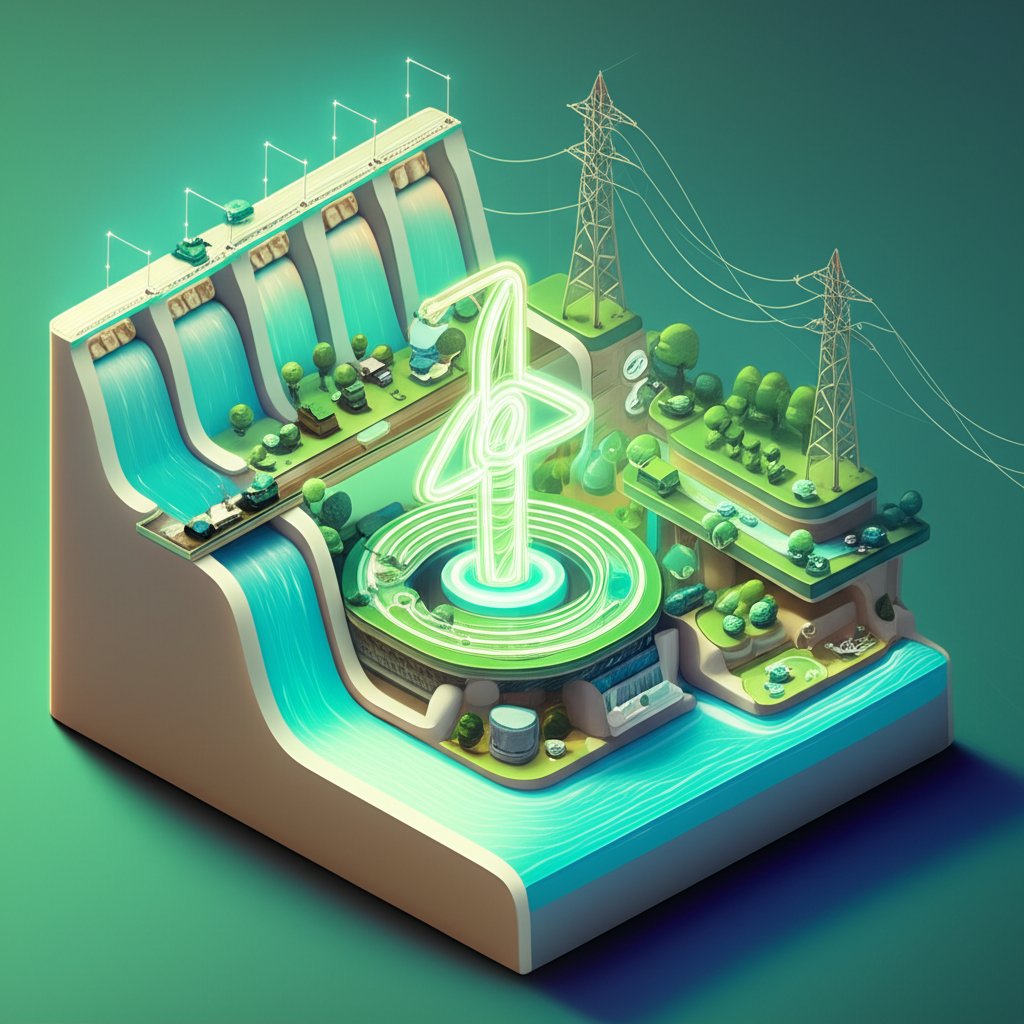
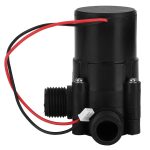
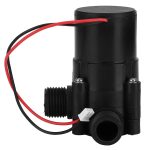
Imagine the sound of a rushing stream next to your campsite or remote cabin. It’s more than just a peaceful soundtrack—it’s a power source waiting to be tapped. A modern portable water turbine can turn that moving water into clean, reliable electricity, letting you charge your devices, light up your shelter, and enjoy the comforts of home, miles from the nearest outlet. These compact powerhouses are a game-changer for anyone living, working, or playing off the grid.
Unlike bulky gas generators or weather-dependent solar panels, a water-powered generator offers a consistent stream of energy, day and night, as long as the water flows. They represent a leap forward in personal energy independence, making off-grid life more sustainable and convenient than ever before. It’s an exciting time to discover portable water turbines and what they can do.
Here’s what you need to know to get started with harnessing the energy in a nearby stream or river:
What It Is: A portable water turbine is a compact device that uses the force of flowing water to spin a generator and produce electricity.
Best For: Off-grid cabins, remote campsites, emergency preparedness, and anyone needing a consistent power source away from the grid.
Key Requirements: You need a water source with two critical features: a vertical drop (called “head”) and a consistent flow rate. Different turbines have different minimum requirements.
Power Output: Models range from small 12V DC units for charging phones and lights to powerful 1000W+ AC generators that can run small appliances.
What to Look For: Key features include durable materials like aluminum alloy, high-efficiency pure copper coils, waterproof seals, and a design that matches your specific water source and power needs.
From Flowing Water to Phone Charger: The Magic of Micro-Hydro
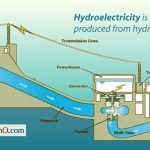
At its heart, a portable water turbine works on a beautifully simple principle that’s been used for centuries. Think of a classic water wheel on a grist mill, but miniaturized and optimized for electricity generation.
Water is Channeled: You position the turbine so that flowing water is directed through it. This is often done using a pipe or a natural channel to concentrate the flow.
Turbine Blades Spin: The force of the moving water pushes against the turbine’s blades (or runner), causing it to spin rapidly.
A Generator Creates Electricity: The spinning turbine is connected to a small generator. Inside the generator, this rotation moves a set of magnets past a coil of wire. This process, known as electromagnetic induction, creates an electric current.
It’s an elegant conversion of kinetic energy (moving water) into electrical energy. The real magic, however, lies in understanding the two ingredients you provide from nature: head and flow.
Head: This is the vertical distance the water falls. Imagine a stream that drops 20 feet down a hillside. That 20-foot drop is the head. More head means more pressure and more potential energy. Some turbines, like the 500W ZBXGJKSY, are specifically designed for high-head mountain channels, requiring a drop of at least 16 feet.
Flow: This is the volume of water moving through the system, usually measured in gallons or liters per second. A wide, slow river might have low head but massive flow. A small, steep mountain creek might have high head but low flow.
You need the right combination of both to make a particular a generator with water work effectively. A turbine designed for high head won’t perform well in a low-head, high-flow river, and vice versa.
Will It Work for You? Sizing Up Your Needs and Your Stream
Before you get excited about a specific model, the first step is to play detective at your water source. Matching a turbine to your stream and your power requirements is the single most important part of the process.
Step 1: Assess Your Water Source
You don’t need expensive equipment to get a good-enough estimate of your stream’s potential. How to Measure Head (Vertical Drop):
For a rough estimate, you can use a long, clear tube and a level.
Place one end of the tube in the water at your planned intake point.
Run the tube downstream, keeping it level with the ground.
The vertical distance from the end of the level tube down to the water’s surface at that point is your head. Repeat this process over a longer distance to find the total drop.
Many portable turbines need a significant drop—some require over 15 feet—so this measurement is critical. How to Measure Flow Rate:
The “bucket and stopwatch” method is a classic for a reason.
Find a spot where you can temporarily dam or channel the entire stream’s flow into a pipe or channel.
Use a container of a known size (like a 5-gallon bucket).
Time how long it takes to fill the bucket.
Calculate the flow. If it takes 10 seconds to fill a 5-gallon bucket, your flow rate is 0.5 gallons per second (5 gallons / 10 seconds). Some 500W generators require exactly this rate to operate efficiently.
Step 2: Define Your Power Needs
Next, think about what you actually want to power. Electricity is measured in watts (W). Simply add up the wattage of all the devices you want to run at the same time.
Bare Essentials (10-50W): LED lights (5-10W each), charging a smartphone (5-15W), running a small radio.
Comfort Camping (100-500W): All of the above, plus charging a laptop (50-85W), running a small fan, or powering a small TV.
Off-Grid Cabin (500W-2000W+): Powering lights, a small refrigerator, a television, and multiple other devices. A 1000W generator like the OLONETO model is designed for this kind of mid-range load.
Remember to distinguish between AC (Alternating Current), the power in your home walls (110V or 220V), and DC (Direct Current), the power in batteries and small electronics (like 12V). Most turbines produce AC power, but smaller micro-generators, like the Beduan model, produce 12V DC, perfect for charging battery banks or running 12V appliances directly.
Step 3: Match the Turbine to the Task
With your head, flow, and wattage numbers in hand, you can now find the right tool for the job. This is the key to understanding portable hydro generators and making a smart choice.
Here’s a look at how different types of turbines stack up based on real-world specs.
Generator Type
Power Output
Voltage
Typical Water Needs
Best For
Micro DC Generator
3W – 10W
12V DC
Low head, low flow
Backpacking, charging small batteries, powering single LED lights.
Small AC Generator
~500W
110V AC
16-50 ft head, ~0.5 gal/s flow
Powering lights, laptops, and small devices at a remote camp or cabin.
Mid-Size AC Generator
~1000W
110V/220V AC
Moderate head and flow
Running multiple lights, a TV, and small appliances in an off-grid home.
Large Portable Generator
2000W+
220V AC
Significant head and flow
Powering more demanding loads, multiple appliances, and tools.
Decoding the Specs: A Guide to Today’s Portable Water Turbines
The market for these devices is growing, offering everything from pocket-sized chargers to robust cabin-powering units. Let’s break down the common types you’ll encounter.
The Ultralight Options: DC Power for Backpacking and Emergencies
For minimalists and preppers, tiny DC generators offer a lifeline. Models like the Beduan Micro Water Turbine Generator or the BQLZR 3.5W generator are incredibly compact—some are no bigger than your fist.
They typically output 12V DC and are designed to charge battery packs, power LED lights directly, or keep a radio running. They won’t run a coffee maker, but their ability to generate power from even low-pressure sources makes them invaluable in a pinch. With a generator life of over 3,000 hours and low mechanical noise (under 55dB), they are set-and-forget solutions for small-scale power.
The All-Rounders: 500W AC for Cabins and Campsites
This is the sweet spot for many outdoor enthusiasts. Generators in the 500W range, like those from Tiardocge or AreMOLO, can transform a rustic campsite. A 500W output at 110V is enough to run efficient lighting, charge all your electronics, and even power a small entertainment device.
These units often require a decent amount of head (vertical drop) but a relatively modest flow rate of around 0.5 gallons per second (2 L/s). They are typically built from durable aluminum alloy, making them tough enough for the outdoors while keeping the weight down—the ZBXGJKSY model, for instance, weighs just 5.5 pounds.
The Heavy Hitters: 1000W+ for Serious Off-Grid Living
When you need to power more than just the basics, you step up to the 1000W and 2000W class. Models like the OLONETO 1000W or the ZHOZHUT 2000W generator are designed for semi-permanent installations at off-grid homes or hunting cabins.
These generators can handle more substantial loads, such as home lighting systems, TVs, and other mid-range appliances. Of course, greater power demands greater water resources. They need a reliable, strong-flowing stream to operate at peak capacity. Manufacturers often use heavier-duty components, such as thickened aluminum shells and waterproofed motors, to ensure stable, long-term operation. Before you invest in a unit this powerful, it’s a good idea to explore portable hydro turbines across the full spectrum of power outputs to ensure you’re not over- or under-buying.
Key Features That Actually Matter
When comparing models, certain technical terms pop up again and again. Here’s what they mean for you:
Pure Copper Coil: Copper has excellent electrical conductivity. A pure copper coil in the generator means less energy is lost as heat, resulting in higher efficiency. You get more electricity out of the same water flow.
Aluminum Alloy Body: This material offers a great balance of strength and low weight. It resists rust and corrosion, which is essential for a device that lives in water.
Waterproof Seal / Sealing Ring: The generator’s internal components, especially the bearings that allow it to spin smoothly, must be protected from water intrusion. A high-quality seal is non-negotiable for long-term reliability.
Bearings: Smooth, high-quality bearings reduce vibration and noise while increasing the generator’s efficiency and lifespan. Some models, like the ZHOZHUT, specifically highlight this feature.
Your Questions Answered: Getting Clear on Portable Hydro Power
It’s natural to have questions about a technology that seems almost too good to be true. Let’s tackle some of the most common ones.
Can I just drop a turbine in any river?
Unfortunately, no. Most portable turbines are not “zero-head” units; they can’t just sit at the bottom of a slow river. They almost always require water to be channeled into them from a higher point (the head) to create the necessary pressure. This usually involves running a pipe from an intake point upstream.
How much noise do they really make?
They are generally much quieter than a gasoline generator. Many micro-hydro systems are nearly silent, with the sound of the rushing water being much louder than the unit itself. Specs often list noise levels below 55 or 60 decibels (dB), which is equivalent to a quiet conversation.
Is the installation difficult?
The installation is more about logistics than technical skill. The main tasks are securing the turbine on a stable base (like a concrete pad or solid rock) and running a pipe (often called a penstock) from an upstream intake point to the turbine’s inlet. The electrical connection is usually straightforward, involving running a waterproof cable from the generator to your cabin or campsite.
What about the environmental impact on the stream?
Micro-hydro is considered one of the most environmentally friendly forms of energy generation. Because you’re only diverting a small portion of the stream’s flow and returning it moments later, the impact on aquatic life and the downstream ecosystem is minimal, especially when compared to large-scale dams.
AC vs. DC: What’s the real difference for me?
Think of it this way:
DC (Direct Current) is for charging batteries. Choose a DC model if your primary goal is to fill up a portable power station or a 12V battery bank, which you can then use to power other devices.
AC (Alternating Current) is for plugging things in directly. If you want to run standard household appliances with regular plugs (lamps, TVs, laptops), you need an AC generator that produces 110V (in the US) or 220V.
Ready to Harness Your Stream? A Final Checklist
Making the leap to water-powered electricity is an empowering step toward energy independence. It connects you directly to the natural resources around you, providing a clean, constant source of power. By thoughtfully matching the technology to the environment, you can unlock a new level of comfort and sustainability in the great outdoors.
Before you buy, run through this final checklist to ensure you’re making a confident, informed decision.
[ ] Measure Your Source: Get a reliable estimate of your available head (vertical drop) and flow rate. This is your most important data point.
[ ] Calculate Your Load: Add up the wattage of the devices you plan to run simultaneously. Choose a generator with a max wattage rating that comfortably exceeds this number.
[ ] Verify the Voltage: Decide if you need 12V DC for battery charging or 110V/220V AC for running standard appliances, and choose a model that matches.
[ ] Check the Build Quality: Look for key durability features like an aluminum alloy body, a pure copper coil for efficiency, and robust waterproof seals.
[ ] Consider Portability: Check the weight and dimensions. Will you be carrying it deep into the backcountry, or will it be a semi-permanent fixture at a cabin?
[ ] Plan Your Setup: Think about how you will secure the turbine and run a pipe to it. A little planning goes a long way toward a smooth and successful installation.
With the right preparation, that flowing stream can become your personal, silent power plant, running 24/7 to make your off-grid adventures brighter, safer, and more connected.
I am a writer who loves renewable energy, with a focus on sustainable living, renewable energy, and eco-friendly innovation. With a passion for environmental awareness and a desire to explore the latest trends in green technology, corporate sustainability, and climate action. Through in-depth storytelling