Imagine a continuous, clean energy source flowing right through your property. Small-scale hydroelectric power, often called micro-hydro, isn’t just a pipe dream; it’s a tangible reality for countless homes and farms seeking energy independence and sustainability. Harnessing the natural movement of water, these systems provide a reliable, renewable source of electricity, transforming ordinary streams into powerful generators.
At its core, micro-hydro is about converting the kinetic energy of flowing water into electricity. Unlike intermittent solar or wind power, water flow can be incredibly consistent, offering a 24/7 power supply. Systems generating less than 100 kilowatts (kW) are considered micro-hydro, perfectly scaled for everything from powering a single large home to supporting an entire hobby farm or small resort. This foundational technology, one of the oldest energy sources known, is now more accessible and efficient than ever, making it a cornerstone for those looking to embrace a greener, more self-sufficient lifestyle.
A micro-hydro system is a marvel of engineering, bringing together several key elements to transform a stream’s energy into usable electricity. Understanding these parts is crucial to appreciating how your site’s unique features can be harnessed.
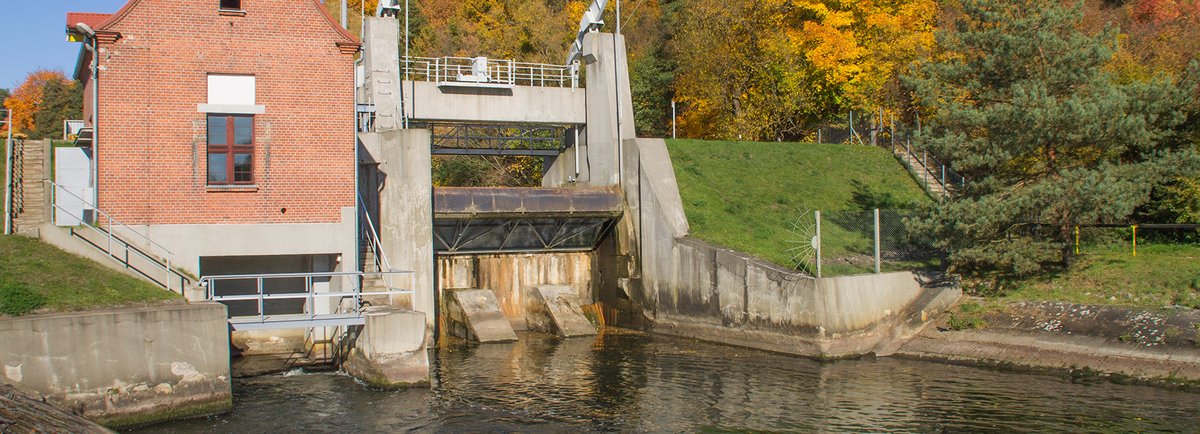
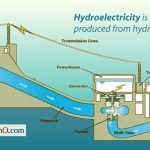
The journey of water begins at the trash rack, weir, and forebay, which work in unison to filter debris and direct water into the system. From there, the water travels through a pipeline (penstock), often made of durable materials like HDPE, descending to build pressure and velocity. This pressurized water then reaches the heart of the system: the water turbine. This is where the magic happens, converting water’s kinetic energy into mechanical energy.
The turbine is housed in a powerhouse alongside the necessary electronics, including a regulator to control the generator and often an inverter to convert the generated low-voltage DC electricity into standard 120 or 240 volts AC for household use. After passing through the turbine, water is returned to its source via the tailrace, ensuring a “run-of-the-river” approach that minimizes environmental impact. Finally, transmission lines and wiring deliver the generated power where it’s needed most. Some stand-alone systems may incorporate batteries for storage, though their bulk and cost can be factors for larger setups.
Determining Your Site’s Hydropower Potential
Before any pipes are laid or turbines selected, the most critical step is understanding the natural resources available at your site. Two non-negotiable factors dictate your hydropower potential: flow rate and head. Without accurate measurements of these, any design will be guesswork.
Measuring Water Flow Rate
Flow rate is the sheer volume of water moving past a specific point over time, typically measured in gallons per minute (gpm) or cubic feet per minute (cfm). You’ll need to identify the minimum continuous flow rate to ensure consistent power output, keeping in mind seasonal variations and environmental needs like fish migration. Ideally, flow measurements should be taken monthly for a full year to capture these fluctuations accurately.
Several reliable methods can help you gauge your stream’s flow:
Bucket Method: Perfect for smaller streams or springs, this involves diverting the entire flow into a container of known size and timing how long it takes to fill. Simple, yet effective for specific scenarios.
Float Method: For larger streams, you’ll need to measure the stream’s cross-sectional area (width multiplied by average depth) and its velocity. Time a float over a marked, straight stretch, then apply a correction factor based on the streambed’s smoothness.
Weir Method: Offering high accuracy for shallow streams, this involves constructing a temporary dam with a notch. By measuring the water’s depth over the weir with a gauge, you can consult a “Weir Table” to determine the flow rate.
Calculating Water Head (Vertical Drop)
Head refers to the vertical distance, measured in feet, from where water enters your pipeline (the intake) to where it exits the turbine. This vertical drop is what creates the pressure needed to drive the turbine. You’ll work with two types of head:
Gross Head: The total measured vertical distance.
Net Head: This is your gross head minus any friction losses that occur within the penstock due to pipe diameter, flow rate, bends, and valves. Accurate net head is vital for power calculations.
While initial estimates can come from topographical maps or GPS, accurate measurement is paramount for design:
Graduated Pressure Gauge: This practical method involves fitting a pressure gauge to a hose, placing one end at the intake and the other at the turbine location, filling it with water, and reading the pressure (psi). Convert psi to feet of head by multiplying by 2.31.
Surveyor’s Transit: Highly accurate, especially for sites with less than 50 feet of head, this tool provides precise vertical measurements.
Carpenter’s Level with Stand: For a DIY approach, setting a level horizontally, sighting downhill, marking, and repeating the process allows you to sum the individual vertical drops to find the total head.
Calculating Your Hydropower Output
Once you have your usable flow (Q in cfm) and net head (h in feet), you can calculate the theoretical power your site can generate.
Theoretical Power (horsepower) = (Q x h) / 529
Theoretical Power (kilowatts) = (Q x h) / 709
However, theoretical power assumes 100% efficiency, which isn’t realistic. Real-world systems incur losses at various stages. To determine your useful power, you’ll multiply the theoretical power by the efficiencies of each component:
Useful Power = Theoretical Power x (Turbine Efficiency) x (Belt Drive Efficiency) x (Alternator Efficiency), and so on.
A comprehensive calculation considers “water-to-wire” efficiency, factoring in losses from pipeline friction, power lines, battery charging, and inverters. Typically, overall electrical generation systems achieve 50-70% efficiency, with high-head, high-speed impulse systems reaching 70-85%.
Environmental Stewardship: Designing for Minimal Impact
One of the greatest advantages of micro-hydro is its relatively small environmental footprint compared to large-scale hydropower dams. However, careful design is still essential to ensure sustainability. Agencies at local, state, and federal levels may require assessments to address potential impacts.
Key considerations include maintaining water quality, avoiding significant alterations to natural streamflow, and protecting local wildlife and fish populations. A properly designed system also considers aesthetics and minimizes changes to stream ecology, such as algal communities or aquatic habitats. “Run-of-the-river” systems are generally preferred as they divert water for power generation and then return 100% of it downstream, minimizing consumptive use and impact. These systems are designed to divert only the minimum water needed and often have protocols for managing diversions during dry periods to sustain critical in-stream flow requirements.
Navigating Regulatory and Permitting Processes
While micro-hydro systems are eco-friendly, getting them up and running often involves navigating a maze of permits and regulations. Starting this process early is crucial to avoid delays and wasted effort.
Key areas include water rights (which vary significantly by state), dam safety, environmental compliance, and even historical or archeological considerations. Local land-use and construction permits are almost always required.
The Federal Energy Regulatory Commission (FERC) is a primary authority, issuing exemptions and licenses for non-federal hydropower projects, particularly those under 5 megawatts or utilizing existing conduits. Their Small/Low-Impact Hydropower Program aims to streamline the licensing process, with exemptions often taking 6-12 months. Designing your project with faster permitting in mind—such as using existing infrastructure, producing less than 5 MW, or avoiding endangered species habitats—can significantly simplify the journey. It’s imperative to engage stakeholders and document rights early, as non-compliance can lead to severe penalties.
Selecting the Right Turbine for Your Site
The turbine is the workhorse of your micro-hydro system, converting the water’s energy into mechanical force. Turbines are highly efficient (70-85%) and specifically designed for different site characteristics. Generally, a head of at least 10 feet is recommended for economical operation, with high-head sites (60+ feet) often being the most cost-effective.
Turbines fall into two main categories:
Impulse Turbines: These use the velocity of water to strike a runner, are generally simpler, and common in micro-hydro.
Crossflow Turbine: Drum-shaped and self-cleaning, they are suitable for low-head applications and utilize a draft tube.
Pelton Wheel: Ideal for high-head, low-flow sites, these wheels have double-cupped buckets struck by water jets, achieving efficiencies around 80%.
Turgo Wheel: A variation of the Pelton, offering similar power with a smaller wheel at higher speeds, fitting medium to high head and low flow.
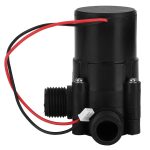
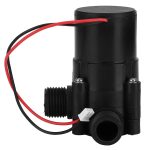
The Jack Rabbit Turbine (Aquair UW Submersible Hydro Generator) offers a unique “drop-in-the-creek” solution, generating up to 100 W from as little as 13 inches of water and no significant head. If you’re looking for flexible options to capture energy in various small waterways, exploring solutions like a portable water turbine might open up new possibilities for your property.
Reaction Turbines: These turbines use water pressure and are highly efficient but more sensitive to flow variations, often found in larger-scale systems.
Francis Turbine: Typically for very large hydropower projects, not common in micro-hydro due to their complexity.
Propeller Turbines: Resembling boat propellers, they demand high and continuous flow. The Kaplan turbine is an adaptable propeller system sometimes used in micro-hydro due to its adjustable blades.
Pump-as-Turbine (PAT): An economical alternative, centrifugal pumps can be run in reverse to act as turbines. While less expensive and readily available, they are less efficient and have a narrower operating range than dedicated turbines.
Sizing Your System for Your Needs
Before investing, a critical step is to accurately assess your energy consumption. You’ll need to know your total consumption (kWh over time) and your peak consumption (the maximum power required at any one moment). Often, saving energy through efficiency upgrades is cheaper than building a larger system.
You have several options for designing your system:
Meet All Needs: Design for your full consumption, diverting any excess power to “dump loads” like water heaters.
Average Consumption with Storage: Build a system to meet average consumption, using battery storage to cover peak demands.
Grid Connection: Connect to the utility grid, allowing you to buy power when needed and potentially sell excess power back (depending on local utility policies and interconnection laws).
Understanding your energy profile is key to maximizing your investment and achieving energy independence. If your goal is to truly Get electricity at home for free, carefully sizing your micro-hydro system to match your home’s unique demands, perhaps incorporating battery storage, is a powerful path to self-sufficiency.
Designing the Diversion, Intake, and Penstock
The robust design of your diversion, intake, and penstock is crucial for a low-maintenance and efficient system.
Diversions and Intakes: These are your system’s first line of defense against debris. While simple screens or flumes with forebays can be DIY, they demand frequent cleaning. Coanda-Effect screens offer a more durable, low-maintenance solution. Utilizing natural stream features for nonobstructive diversions can also simplify the permitting process significantly.
Penstock: This is the pipeline that delivers water to your turbine. Common materials include PVC, polyethylene (PE), and high-density polyethylene (HDPE). When selecting pipe, ensure it can handle at least 40% more than your expected static water pressure. Proper design minimizes friction loss—opt for larger pipe sizes, avoid sharp turns, and maintain a consistent downhill slope. HDPE is particularly good for its durability and flexibility in managing bends. Essential components like air/vacuum release valves, gate valves, and thrust blocks (to prevent pipe movement) are vital for safety and longevity.
Power Generation and Storage Solutions
Once the turbine converts water’s energy into mechanical rotation, a generator steps in to create electricity. For complete grid independence, a synchronous generator is used, requiring a governor to maintain a constant speed (and thus a stable 60 Hz frequency). If you’re connected to the grid, a simpler, self-regulating asynchronous generator can often be used without a governor.
For off-grid systems, DC power can be generated and stored in battery banks. This setup extends your peak capacity and, with an inverter, converts DC to AC for household appliances. Hydro generators consistently charge batteries, preventing deep discharges, but battery systems can become quite costly and bulky as the system size increases. For distant hydropower units, minimizing power line losses is key, achievable through larger wires, shorter runs, or increasing voltage (e.g., converting AC to high DC voltage, then stepping down for batteries).
Load Control and Governors: Regulating Power Flow
To ensure your micro-hydro system runs smoothly and safely, load control systems and governors are indispensable. These mechanisms regulate turbine speed and expertly manage the electrical loads, preventing equipment damage from excess power.
Load controllers continuously monitor the energy generated versus demand. When generation exceeds consumption, they activate “dump load” resistors, such as baseboard or water heaters, to consume the surplus electricity. In battery-based systems, charge controllers manage the flow of power to the batteries. Off-grid AC systems (those without batteries) specifically rely on load controls to regulate voltage and frequency, either by diverting water away from the turbine’s runner or by directing excess power to a dump load.
The Economics of Micro-Hydro: Investment and Return
A micro-hydro system represents a significant initial investment, covering the turbine, generator, pipes, transmission lines, civil work, and permits. However, these upfront costs are balanced by remarkably low operation and maintenance (O&M) expenses, typically around 5% annually, mostly for tasks like clearing screens or replacing minor fittings.
DIY costs can range from $1,500 to $4,000 per kilowatt, with systems featuring high head and low flow often proving more cost-effective per kW due to requiring smaller components. The true economic benefit emerges over the system’s long lifespan—20 to 25 years or more—where the “fuel” (water) is entirely free. This makes micro-hydro highly competitive, especially for remote locations where extending utility power lines can be exorbitantly expensive ($10,000-$30,000 per mile). Financial analysis tools like Net Present Value (NPV) and simple payback calculations are recommended to fully evaluate the economic viability for your specific situation. The Barton Farm in Utah, for example, eliminated $4,000 in annual diesel costs with their system, achieving a 4-year simple payback, showcasing real-world economic success.
Financial Assistance and Support
Don’t let the initial investment deter you. A variety of state and federal programs are designed to assist with micro-hydro projects, making sustainable energy more accessible.
Rural Energy for America Program (REAP): Administered by USDA Rural Development, REAP offers competitive grants (up to 25% of costs, ranging from $2,500-$500,000) and loan guarantees (up to 75% of costs, $5,000-$25 million) for projects 30 MW or less.
Renewable Electricity Production Tax Credit (PTC): For incorporated businesses selling electricity to a utility, this federal program provides a per-kWh tax credit.
State Grants and Tax Credits: Many states offer their own unique incentives, so researching your local options is crucial.
Conventional and Guaranteed Bank Loans: These are also available, though it’s worth noting that some banks may be less familiar with specialized hydropower equipment.
Critical Cautions and Suggestions for Do-It-Yourselfers
Undertaking a micro-hydro installation is a rewarding endeavor, but it combines elements of electrical, high-pressure plumbing, and heavy construction, demanding extreme caution and meticulous planning.
Design Considerations
Streambed Loading: Account for natural phenomena like silt and rocks.
Penstock Sizing: Consult with suppliers to ensure correct pipe size, aiming for approximately 5 ft/sec line velocity to prevent ice buildup in cold climates. Minimize bends, especially those 45 degrees or more, and maintain a steady downhill slope to prevent air locks and silt accumulation.
Thrust Blocks: Install these at pipe bends and major junctions to counteract the immense forces of water pressure.
Emergency Bypass: Implement a water bypass for maintenance or emergencies.
Turbine Location: Position the turbine and generator as close to your point of use as possible to shorten electrical lines and minimize transmission losses.
Equipment Best Practices
Suppliers: Purchase equipment from reputable suppliers, and be prepared for potential shipping delays.
Pipe Quality: Invest in good-quality pipe; “seconds” can lead to catastrophic failures.
Valves: Use only gate valves in your penstock. Other types of valves can close too quickly, causing dangerous “water hammer” effects that can crack or rupture pipes.
Trash Control: Install a robust trash control system at your intake with screen mesh smaller than your turbine’s nozzle to prevent blockages.
Installation Safety
Manufacturer Instructions: Always follow the manufacturer’s installation guidelines precisely.
Wiring: Adhere strictly to the National Electric Code for all wiring procedures.
Valve Operation: Always close valves slowly to prevent water hammer. This phenomenon can generate immense pressure waves capable of severely damaging your system.
Micro-hydro offers a profound opportunity for energy independence, turning a natural resource into a sustainable asset for your home or farm. With careful planning, a commitment to safety, and a good understanding of the principles involved, you can harness the power of your stream for years to come.
I am a writer who loves renewable energy, with a focus on sustainable living, renewable energy, and eco-friendly innovation. With a passion for environmental awareness and a desire to explore the latest trends in green technology, corporate sustainability, and climate action. Through in-depth storytelling