Imagine a power source that runs 24/7, needs no fuel, and produces absolutely free electricity from a nearby stream. That’s the promise of a well-designed water wheel energy generator, offering true independence from the power grid and a reliable solution for emergencies or full off-grid living. While often overshadowed by massive hydroelectric dams, the humble water wheel holds immense, often untapped, potential for individual homes, bringing centuries-old technology into the modern age with impressive efficiency.
If you have a flowing water source on or near your property, you’re sitting on a goldmine of renewable energy. This isn’t just a quaint idea; a medium-sized, homemade water wheel electric generator can produce enough power to run a typical household’s essentials—think three light bulbs, a TV, and a radio running simultaneously—providing peace of mind and genuine self-sufficiency.
At a Glance: Harnessing Water Wheel Power
- Free, 24/7 Power: Generate continuous electricity without fuel costs.
- Off-Grid Independence: Disconnect from the utility company and gain energy autonomy.
- Emergency Reliability: A critical power source during outages or “SHTF” scenarios.
- Eco-Friendly: A clean, renewable energy source with minimal environmental impact when properly installed.
- Requirements: Typically needs at least 3 feet of fall and 20 gallons per minute (GPM) of water flow.
- Home Potential: A small setup can power essential appliances for a single home.
- Versatile: Can be adapted for other mechanical tasks like grinding or cutting.
Why Tap into Your Own Water Flow? The Case for Micro-Hydro
In a world increasingly reliant on a centralized, often vulnerable, power grid, the allure of generating your own electricity is stronger than ever. Large-scale hydroelectricity is celebrated as the world’s largest and cleanest renewable energy source, yet its smaller, more accessible sibling—micro-hydro—often flies under the radar. This “information vacuum,” as some experts call it, overlooks the incredible potential for homeowners.
Imagine never getting another electricity bill, or having consistent power during a widespread blackout. That’s the reality a water wheel electric generator can offer. Unlike solar power, which depends on sunlight, or wind power, which relies on consistent breezes, a flowing stream provides a constant, predictable energy source, day and night, rain or shine. In the United States alone, the potential for run-of-the-river hydropower—systems that don’t require large dams—could provide an astounding 60,000 MW, accounting for nearly 14% of the nation’s continuous power needs. You can certainly [generate power with water wheels](placeholder_link slug=”water-wheel-power-generator” text=”generate power with water wheels”) if you have the right conditions.
How a Water Wheel Energy Generator Actually Works
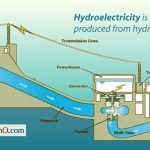
At its heart, a water wheel energy generator is an elegant conversion machine. It takes the kinetic and potential energy of flowing, dropping water and transforms it into rotational mechanical energy, which is then converted into electrical energy. It’s not magic, but pure physics in action.
Here’s the basic rundown of [how water wheels make electricity](placeholder_link slug=”waterwheel-electricity” text=”how waterwheels make electricity”):
- Water Flow: A consistent source of water, like a stream, river, or even a man-made channel, is directed towards the wheel.
- Wheel Spin: The water strikes the blades or fills the buckets of the water wheel, causing it to rotate. This is where the power transfer begins.
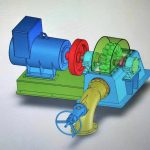
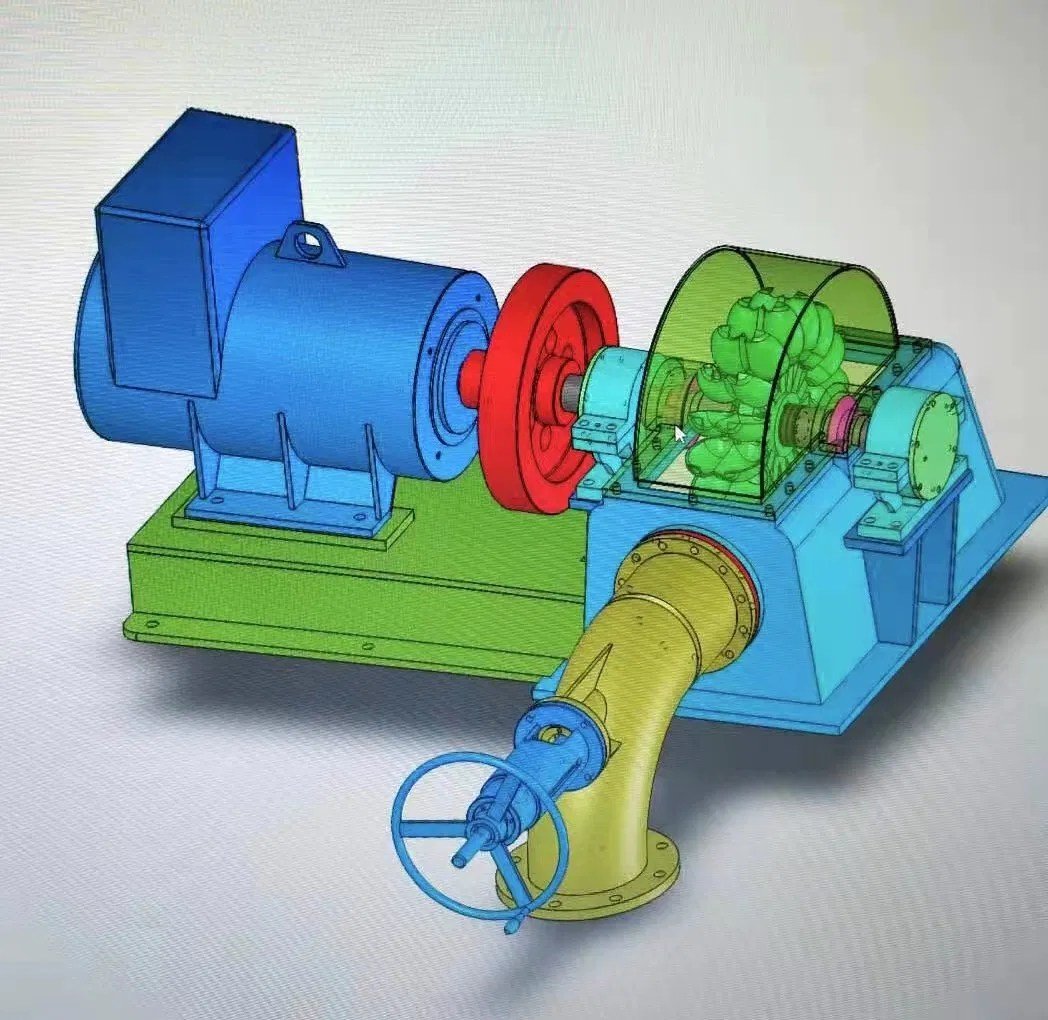
- Mechanical Energy to Electrical: The spinning water wheel is connected via a shaft (and often a gear mechanism) to a dynamo, or generator. Just like the dynamo on a bicycle that lights your headlamp, this generator contains coils of wire and magnets. As the shaft spins, these components interact to induce an electric current.
- Power Output: The electricity produced is then ready to power your home.
It’s a beautifully simple, robust system that has stood the test of time, now updated for modern electrical needs. You can certainly [discover water energy wheels](placeholder_link slug=”water-energy-wheel” text=”discover water energy wheels”) and their power potential with a little research and effort.
Is Your Location Right? Assessing Your Hydro Potential
Before you start sketching designs, the most critical step is to evaluate your water source. Not every stream is suitable for a water wheel energy generator. You need two main ingredients: flow and fall.
- Flow (Q): This is the volume of water moving past a point over a given time, typically measured in gallons per minute (GPM) or cubic feet per second (CFS). Your system usually needs at least 20 GPM. More flow means more potential power.
- Fall (H), or Head: This is the vertical drop in the water level from where the water enters your system (the “head race” or “lip of the flume”) to where it exits (the “tailrace”). Even a modest drop of 3 feet can be enough to [generate electricity with water wheels](placeholder_link slug=”water-wheel-for-electricity” text=”generate electricity with water wheels”) for a small home. Greater fall translates directly to more potential energy.
Measuring Flow and Head
Accurate measurements are paramount. Don’t guess; take the time to measure precisely.
Measuring Flow (Q)
For a small creek, a common DIY method involves building a temporary weir.
- Construct a Weir: Find a narrow section of your creek. Place a sturdy board (the weir) across the stream, sealing its edges with clay or rocks to ensure all water flows over the top. Cut a rectangular notch in the center of the board.
- Measure Depth and Width: Measure the width of the notch and the depth of the water flowing over its lowest point.
- Bucket Test: For rougher estimates or smaller flows, you can place a 5-gallon bucket downstream of your intended intake and time how long it takes to fill. Repeat this several times and average the results to get gallons per minute.
Measuring Head (H)
This is simpler than it sounds.
- Level Line: Use a long, straight board and a level, or a laser level, to establish a horizontal line from your planned water intake point.
- Vertical Drop: Measure the vertical distance from that level line down to your planned water outlet point (where the water will leave your wheel). This is your head.
Calculating Your Potential Power Output
Once you have your flow (Q) and head (H) measurements, you can estimate the power your water wheel energy generator might produce. The formula is a useful guide:
KW = 0.004 x Q x V x H x C
Let’s break down these variables:
- KW: The power in kilowatts you can expect to generate.
- 0.004: A constant to convert units (approximately, for typical US measurements).
- Q: The weight of water, derived from your volume per second and the capacity of your wheel’s buckets. (In simpler terms, it’s related to your measured flow).
- V: The velocity of the stream per second, in meters. This is related to the speed at which water hits your wheel.
- H: The head, or height difference of water between the lip of the flume (head race) and the tailrace, in meters.
- C: The Efficiency Constant. This accounts for energy losses in the system. A well-designed homemade water wheel is often around 50% efficient (0.5). Commercial systems can be higher.
This formula helps you understand the direct relationship between water flow, drop, and potential electricity. The higher the flow and the greater the fall, the more power you’ll generate. You’ll quickly [learn how water wheels work](placeholder_link slug=”how-does-a-water-wheel-work” text=”learn how water wheels work”) and what factors contribute to greater output.
Matching Power to Your Needs
To assess if your potential generation meets your household needs, you’ll need to know your average consumption.
- Check Your Bill: Look at your monthly electricity bill for total kilowatt-hours (kWh) consumed.
- Calculate Daily/Hourly: Divide your monthly kWh by the number of days in the month, then by 24 to get your average hourly consumption.
- Compare: Does your estimated KW output from the formula meet or exceed your average hourly consumption? Remember, you’re aiming for continuous power, so your KW output needs to cover your peak simultaneous usage. For example, to run 3 bulbs, a TV, and a radio simultaneously, a small generator with a 3-foot drop might suffice.
Key Components of Your Home Hydro System
Building a water wheel energy generator involves two primary components, though supporting systems are just as crucial.
Designing Your Water Wheel
The water wheel itself is the heart of the system. While you can build them from scratch, thoughtful design is critical for efficiency.
- Type: For home power generation with modest head, an overshot wheel (where water flows over the top and fills buckets) is often the most efficient choice.
- Diameter: Aim for the largest possible diameter that matches your available drop. A larger wheel captures more energy from the falling water.
- Materials: Light, durable materials are best. Wood is a traditional and effective choice for DIY builds, being relatively easy to work with and cost-effective.
- Blades/Buckets: The shape and angle of these are crucial for maximizing water capture and rotational force. Experimentation can yield significant improvements.
Choosing Your Generator (Dynamo)
While you can make a generator, it’s generally recommended to buy the dynamo (generator) for efficiency and reliability.
- Purpose-Built Generators: Look for small permanent magnet alternators (PMAs) designed for micro-hydro or wind turbines. They are robust and efficient at converting mechanical rotation into electricity.
- DC Motors as Generators: A common trick for DIY enthusiasts is to repurpose a DC motor. Many DC motors can function effectively as generators if spun. This can be a cost-effective entry point for your water wheel electric power system.
Optimizing Rotation for Power
The water wheel itself spins relatively slowly. Your generator, however, needs to spin much faster to produce useful electricity. This is where a gear mechanism comes in.
- Speed Multiplication: Connect your large wooden water wheel to a much smaller wheel (via a chain, belt, or cogwheels). This simple mechanical advantage increases the rotational speed delivered to your dynamo. For an overshot wheel, the optimal rotational speed is approximately 21/√D (where D is the wheel’s diameter in meters), and you’ll gear up from there.
- Water Inlet: The pipe or flume directing water to your wheel should be as large as possible. This minimizes friction and maximizes the volume and velocity of water reaching your wheel, translating directly to more power.
This careful balancing of components is key to [making electricity with water wheels](placeholder_link slug=”how-does-a-water-wheel-make-electricity” text=”making electricity with water wheels”) effectively.
Step-by-Step: Bringing Your Water Wheel Energy Generator to Life
Building a functional water wheel energy generator involves a series of logical steps, each crucial for success.
- Identify and Secure Your Water Source: You need a consistent stream, river, or even a constructed channel. This source must provide constant flow and a suitable elevation drop to maximize energy potential. Always check local regulations and water rights before beginning any construction.
- Design Your Water Wheel: Decide on the type (overshot is often best for efficiency with modest head) and dimensions. The wheel needs a large diameter with optimally shaped blades or buckets to efficiently catch the water and impart rotational motion. Light, durable materials like wood are excellent choices for construction.
- Install Axle and Gear Mechanism: The water wheel’s rotation must be smoothly transferred to the generator. Mount a sturdy axle, then integrate a gear or pulley mechanism. This system is critical for increasing the rotational speed from the slow-spinning wheel to the much faster RPMs required by the generator for efficient electricity production. You can really [explore hydroelectric water wheels](placeholder_link slug=”hydroelectric-water-wheel” text=”explore hydroelectric water wheels”) through this process.
- Connect the Generator: Mount your chosen generator (dynamo) securely and connect it to the gear mechanism. Small-scale systems typically use permanent magnet alternators (PMAs) or repurposed DC motors that convert the mechanical energy from the spinning axle into electrical energy.
- Integrate Voltage Regulation and Storage: The electricity generated will fluctuate with water flow. A voltage regulator is essential to ensure a stable output suitable for your appliances. A battery storage system (like deep-cycle marine batteries) is highly recommended to store excess power generated during high-flow periods, providing electricity during low-flow times or peak demand.
- Establish Electrical Output and Distribution: The generated electricity, once regulated and potentially stored, can now power your home. It can be used directly for DC appliances, fed through an inverter for AC household items, charge your battery bank, or in larger systems, even be integrated into an existing electrical grid (though this requires significant regulatory hurdles). This is how you [build a water wheel generator](placeholder_link slug=”how-to-make-a-water-wheel-that-generates-electricity” text=”build a water wheel generator”) that truly serves your needs.
Beyond Just Electricity: Versatile Power for Off-Grid Living
While powering your home with electricity is the primary benefit, the mechanical energy from a water wheel generator can be incredibly versatile, especially for those embracing a more self-sufficient lifestyle or preparing for “SHTF” scenarios.
- Grain Grinding: Connect the wheel directly to a millstone, and you have a consistent way to grind grains into flour.
- Wood Cutting/Sawmills: Drive a saw blade to cut firewood or mill lumber for construction.
- Tool Sharpening: Power a grinding wheel for sharpening axes, knives, and other tools.
- Aquaponics Integration: For those with aquaponic systems, a mini water wheel generator can be ingeniously placed where water returns from the plant beds to the fish tanks. This continuously flowing water can produce free electricity specifically for grow lights, boosting plant growth without adding to your energy bill. It’s a closed-loop efficiency marvel, showcasing the ingenuity of a [hydroelectric power water wheel](placeholder_link slug=”hydroelectric-power-water-wheel” text=”hydroelectric power water wheel”).
These non-electrical applications highlight the enduring value of water wheels as a fundamental power source. It truly allows you to [harnessing water wheel power](placeholder_link slug=”water-wheel-for-power” text=”harnessing water wheel power”) in multiple ways.
Critical Considerations Before You Build
Embarking on a water wheel energy generator project requires more than just knowing how it works; it demands careful consideration of efficiency, safety, maintenance, and environmental impact.
Maximizing Efficiency
The difference between a barely functional wheel and a powerful generator often lies in efficiency.
- Design Optimization: Every aspect of your wheel, from the shape of the blades to their angle and the material used, impacts how effectively it captures water’s energy. Don’t be afraid to experiment with different bucket designs or blade configurations.
- Friction Reduction: Minimize friction in the axle bearings and gear mechanisms. Lubricate regularly and use high-quality, durable components.
- Water Management: Ensure your intake system (flume or pipe) delivers water to the wheel cleanly and with maximum possible velocity, avoiding turbulence or leaks. The pipe directing water should be as large as possible to minimize friction and maximize flow. [Generating power with water wheels](placeholder_link slug=”waterwheel-power-generator” text=”generating power with waterwheels”) effectively means sweating the small details.
Prioritizing Safety in Your Setup
Working with water and electricity is inherently risky. Safety must be your top priority.
- Personal Protective Equipment (PPE): Always wear protective gloves and safety goggles when working on the system.
- Environmental Awareness: Be acutely aware of slippery surfaces around water sources and prepare for sudden changes in water levels, especially after heavy rains.
- Electrical Safeguards: All electrical connections must be waterproofed to prevent shorts, corrosion, and electrocution. Ensure all electrical components are properly insulated and protected from any water exposure.
- Lockout/Tagout: Before making any modifications, maintenance, or repairs, disconnect the system from all power sources (generator, batteries, grid if connected). This simple step can prevent serious accidents.
Essential Maintenance for Longevity
A well-maintained system will last for decades. Neglect will lead to breakdowns and reduced output.
- Debris Removal: Regularly check your water wheel and intake system for debris like leaves, branches, or sediment. Blockages reduce flow and can damage the wheel.
- Component Inspection: Inspect all moving parts, especially bearings and gear teeth, for wear. Lubricate bearings according to manufacturer specifications (or periodically for homemade designs).
- Electrical Checks: Ensure all electrical connections remain secure and dry. Inspect wiring for fraying or damage, and clean generator components periodically to prevent dirt and dust accumulation from affecting performance. Consistent care ensures you continue to [generate power with water wheels](placeholder_link slug=”water-wheel-generator” text=”generate power with water wheels”) reliably.
Being a Good Steward: Environmental Impact
While micro-hydro is generally eco-friendly, responsible installation is key.
- Ecosystem Assessment: Before installation, carefully assess the potential impact on the local ecosystem. Consider fish migration patterns (implement fish-friendly designs if necessary), local plant life, and downstream water availability.
- Habitat Protection: Avoid building in sensitive habitats or flood-prone areas.
- Natural Materials: Using natural, untreated construction materials (like wood) can significantly minimize your environmental footprint. The goal is to produce energy while living in harmony with your local environment.
Integrating with Modern Systems for Peak Performance
While a water wheel energy generator provides foundational power, integrating it with modern energy storage and potential other renewables creates a truly robust system. A crucial upgrade for any system is a solar energy storage battery bank.
These batteries store excess electricity generated during periods of high flow or low demand. This allows you to draw power when your water flow might be lower (e.g., during a dry spell) or when your immediate electrical needs are higher than your current generation. This also opens the door to combining your hydro system with solar panels, creating a hybrid energy solution that offers incredible resilience and energy independence.
Ready to Harness Your Own Water Power?
The journey to installing a water wheel energy generator is one of discovery, ingenuity, and ultimately, liberation. It’s an opportunity to embrace sustainable living, reduce your carbon footprint, and secure a reliable, free power source for your home. You’re not just building a machine; you’re investing in true self-reliance.
By carefully assessing your site, understanding the mechanics, prioritizing safety, and committing to ongoing maintenance, you can transform a nearby stream into a continuous flow of clean, renewable energy. The knowledge to [generate water wheel electric power](placeholder_link slug=”water-wheel-electric-generator” text=”generate water wheel electric power”) is within your grasp—now it’s time to put that knowledge into action and bring free, off-grid power home.
- water wheel generator
- water wheel electric generator
- water energy wheel
- how does a water wheel work
- water wheel power generator
- water wheel for electricity
- how does a water wheel make electricity
- waterwheel electricity
- how to make a water wheel that generates electricity
- hydroelectric water wheel
- hydroelectric power water wheel
- water wheel for power
- waterwheel power generator

- Water Wheel Energy Generator Brings Free Off-Grid Power Home - March 27, 2026
- Hydroelectric Power Technology Harnesses Waters Energy for Electricity - March 26, 2026
- Hydroelectric Power Plants Turn Water into Sustainable Electricity - March 20, 2026