Harnessing the relentless flow of nature for home power isn’t just a romantic ideal; with a well-designed water wheel generator, it’s a tangible path to energy independence. Imagine a power source that operates silently, day and night, immune to the sun’s whims or the wind’s caprice. This is the promise of micro-hydro, turning a simple stream into a consistent wellspring of electricity for your home.
At a Glance: Your Path to Water-Powered Electricity
Diverse Options: Discover the ideal water wheel type (Overshot, Undershot, Pelton, etc.) based on your unique water source and terrain.
Core Components Unpacked: Understand the essential parts—wheel, shaft, generator, and electrical system—and how they seamlessly convert water flow into usable power.
Realistic Expectations: Learn to estimate potential power output and weigh the significant advantages against the crucial drawbacks and costs.
Installation Roadmap: Get a clear overview of site assessment, legal hurdles, and DIY-friendly construction steps.
Maintenance & Longevity: Equip yourself with practical tips for keeping your system running smoothly and troubleshooting common issues.
Understanding the Consistent Power Source
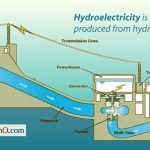
A water wheel generator for home power is a marvel of renewable engineering, quietly converting the kinetic and potential energy of flowing water into electricity. Unlike intermittent solar or wind, a properly sited and maintained water wheel provides a consistent, 24/7 power supply. It’s a clean, reliable backbone for off-grid living or for supplementing grid power, tapping into an ancient technology refined for modern energy needs.
Choosing Your Flow: Types of Water Wheels for Home Energy
Selecting the right water wheel isn’t a one-size-fits-all decision; it depends entirely on your specific water source’s characteristics: primarily the “head” (vertical drop) and “flow rate” (volume of water). Each type is optimized for different conditions.
Overshot Wheels: High Head, High Efficiency
The quintessential water wheel, overshot designs are renowned for their efficiency, often reaching up to 70%. They’re perfect for sites with a significant vertical drop in water (high head) and moderate flow. Water is directed to the top of the wheel, filling buckets or cups on its perimeter. The wheel turns primarily due to the weight of the water, leveraging gravity and a bit of momentum.
Benefit: Highest efficiency, utilizes both water’s weight and momentum.
Consideration: Requires robust civil works to direct water to the top.
Undershot Wheels: Low Head, High Flow, Simpler Design
If you have a fast-flowing stream or river with minimal vertical drop (low head), an undershot wheel might be your best bet. Water flows under the wheel, pushing against paddles or blades at the bottom. While simpler to install, they rely solely on the water’s kinetic energy (velocity), making them less efficient than overshot designs, typically in the 20-30% range.
Ideal for: Flat areas with fast currents.
Benefit: Simplest to install, requires minimal head.
Consideration: Lower efficiency, relies solely on water velocity.
Breastshot Wheels: The Versatile Mid-Range
A balanced choice for situations with moderate head and flow, breastshot wheels have water entering near the wheel’s midpoint. They harness a combination of water velocity and gravitational potential, offering a good compromise between efficiency and site requirements. Efficiency typically falls between overshot and undershot designs.
Ideal for: Moderate head and flow conditions.
Benefit: Versatile, balances velocity and gravitational potential.
Consideration: Can be more complex to design for optimal water entry.
Pelton Wheels: High Head, Low Flow, Precision Power
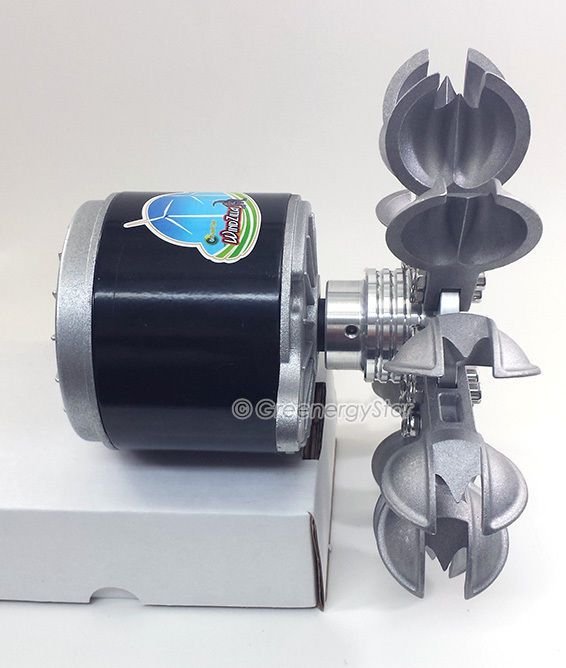
For specific scenarios where you have a very high vertical drop but relatively low water volume, the Pelton wheel shines. Unlike traditional water wheels, the Pelton is a type of impulse turbine. It uses high-pressure water jets, directed through nozzles, to strike specially shaped “buckets” or “cups” on the wheel’s rim. This design extracts energy very efficiently from fast-moving water.
Ideal for: Low-flow, very high-head situations (e.g., mountain streams).
Benefit: Extremely efficient under specific conditions, compact.
Consideration: Requires high pressure; susceptible to debris in the water stream.
Similar in concept to an overshot wheel, but with a clever twist: the water hits the wheel slightly behind the top, creating a “pitchback” motion. This design can enhance efficiency by ensuring water enters the buckets more smoothly and exits more effectively, reducing structural strain and improving performance, particularly for medium head and moderate flow rates.
Ideal for: Medium head and moderate flow.
Benefit: Improved efficiency over standard overshot, reduced structural stress.
Consideration: Requires precise water delivery and wheel design.
Anatomy of an Off-Grid Powerhouse: Key Components
Regardless of the wheel type, a water wheel generator system consists of several crucial components working in concert to convert water’s energy into usable electricity for your home.
The Water Wheel and Paddles: The Energy Capture
This is the heart of the system, directly interacting with the flowing water. Water wheels are typically constructed from durable, corrosion-resistant materials like steel, treated timber, or robust plastics, often ranging from 2 to over 20 feet in diameter for home systems. The wheel’s perimeter is fitted with 20 to 40 paddles, blades, or cups. These are meticulously shaped—flat, curved, or cupped—to efficiently capture the water’s energy and translate it into rotational motion. The design of these paddles is critical for maximizing the wheel’s efficiency, ensuring that as much of the water’s force as possible is converted into torque.
The Shaft and Bearings: The Energy Transfer Hub
A sturdy, corrosion-resistant shaft (often stainless steel) is the critical link, transferring the mechanical rotational energy from the water wheel to the generator. This shaft must be precisely aligned and adequately supported by sealed, waterproof bearings. These bearings are vital: they reduce friction, ensuring smooth, efficient operation and supporting the significant weight and forces exerted on the wheel. Regular inspection, lubrication with waterproof grease, and proper alignment are non-negotiable for system longevity and performance. Imagine a bicycle chain that’s too loose or rusty; the energy transfer becomes inefficient. The shaft and bearings are your system’s pristine, well-lubricated chain.
The Generator and Electrical System: Powering Your Home
The generator is where the mechanical energy finally transforms into electrical power. For smaller home systems, a Permanent Magnet Alternator (PMA) is often favored due to its high efficiency and simple design. As the shaft spins the PMA, electromagnetic induction creates an electrical current.
This raw power then travels through a carefully designed electrical system:
Rectifier: If the generator produces AC power (which most alternators do), a rectifier converts it into DC (direct current), which batteries require.
Charge Controller: This intelligent device regulates the DC output from the generator, preventing overcharging and protecting your battery bank. It’s like a smart gatekeeper for your power storage.
Battery Bank: Composed of deep-cycle batteries, this stores the generated electricity for use when the generator isn’t producing enough (e.g., during low flow periods or when demand exceeds immediate generation). This ensures a steady supply of power.
Inverter: For most household appliances, you need AC (alternating current) power. The inverter converts the DC stored in your batteries into usable AC electricity, often at 120V or 240V.
Proper sizing of these components, robust insulation, weather protection for all outdoor wiring, and essential safety features like grounding, circuit breakers, and a main disconnect switch are paramount.
The Power Equation: How Much Can You Generate?
The amount of electricity your water wheel generator can produce is a direct function of your water source and system efficiency. It’s not magic; it’s physics.
The fundamental formula to estimate power output (in Watts) is: Power (Watts) = Flow Rate (Liters per second) × Head (meters) × 9.81 (gravitational constant) × Efficiency
Let’s break that down:
Flow Rate: The volume of water moving past a point per second. More water equals more potential energy.
Head: The vertical drop the water takes before it impacts the wheel. A greater drop means more gravitational potential energy.
9.81: A constant for gravity (approximately).
Efficiency: This accounts for energy losses in the system, from the wheel design to the generator. Typical home systems achieve 50-80% efficiency. Practical Example:
Consider a modest stream with a consistent flow rate of 20 liters per second (about 0.7 cubic feet per second) and a vertical drop (head) of 2 meters (about 6.5 feet). Assuming a system efficiency of 60%:
Power = 20 L/s × 2 m × 9.81 × 0.60 = 235.44 Watts
This might seem small, but 235 Watts, running continuously for 24 hours, generates approximately 5.65 kilowatt-hours (kWh) per day (235.44W * 24h / 1000). For perspective, the average U.S. home uses about 30 kWh/day. This single water wheel generator could power all the lights, charge devices, run a small refrigerator, and possibly a few other small appliances in a cabin or small off-grid home, significantly reducing reliance on a noisy gas generator or limited solar panels. Larger systems, or hybrid setups combining water with solar or wind, can easily push into the 1-2 kW continuous range.
Weighing the Current: Pros and Cons for Homeowners
While the appeal of “free” energy is strong, a realistic assessment of the advantages and drawbacks is crucial before committing to a water wheel generator.
The Upside: Why Micro-Hydro Shines
Consistent Renewable Energy: This is the biggest draw. Unlike solar (dependent on sunlight) or wind (dependent on wind speed), flowing water provides a constant power source, 24/7, year-round, making it an incredibly reliable base load for off-grid homes.
Cost-Effective Long-Term: After the initial investment, operational and maintenance costs are remarkably low. With proper care, a well-built system can last for decades, often exceeding 30-50 years, making it highly cost-effective over its lifespan.
Environmentally Friendly: Micro-hydro systems produce clean energy with minimal CO2 emissions. They don’t create large reservoirs like big dams, significantly reducing habitat disruption when implemented thoughtfully.
Scalability: Systems can be scaled to meet various energy demands, from powering a single cabin light to supplementing a larger home’s needs, adapting to the specific flow conditions.
Quiet Operation: Generally, the only sound you’ll hear is the soothing rush of water. Unlike wind turbines or even generators, water wheels are remarkably quiet.
Integration Potential: Water wheel generators integrate seamlessly with other renewable energy systems (solar, wind) to create robust, resilient hybrid power solutions, maximizing energy capture and reliability.
Durability: Components are designed to withstand harsh outdoor environments, built tough to handle continuous operation.
The Downside: Important Considerations
Limited Power Generation (Often): While consistent, the output from a single small-scale water wheel generator may not be sufficient to power an entire modern household’s needs, especially with energy-intensive appliances. It often requires supplementary power or powers specific, critical loads.
High Initial Installation Costs: This is the primary barrier for many. Initial investment can range from $5,000 for a basic DIY setup to over $50,000+ for professional installation of a more robust system. Costs include the generator itself, excavation for water diversion (e.g., building a small weir or penstock), civil works, and professional labor.
Environmental Impact Concerns & Regulations: Altering natural water flow, even minimally, can disrupt local ecosystems. Issues like fish migration, water quality, erosion, and wildlife habitats must be carefully considered. Obtaining necessary permits from local, state, and sometimes federal agencies is a complex, often lengthy, but absolutely essential part of the process. Ignoring these can lead to significant legal troubles and environmental damage.
Site-Specific Requirements: Not every property has a suitable water source. You need a reliable, year-round source of flowing water with adequate flow rate and a sufficient vertical drop (head). Without these crucial conditions, a water wheel generator is simply not feasible.
Navigating the Waters: Your Installation Journey & Considerations
Installing a water wheel generator is a significant undertaking, combining civil engineering, mechanical assembly, and electrical wiring. It’s a journey that demands thorough planning and often professional guidance.
Step 1: The All-Important Site Assessment
Before buying a single component, you must rigorously evaluate your water source. This isn’t a casual observation; it requires detailed measurements and analysis:
Flow Rate: How much water passes per second? This varies seasonally, so measure during different times of the year (e.g., dry season, wet season).
Head: What is the vertical drop available? Even a few feet can make a difference.
Distance to Home: The longer the distance, the more expensive and complex the electrical transmission will be.
Terrain & Accessibility: Is the site easily accessible for construction and maintenance?
Seasonal Variations: Does the stream dry up in summer or become a raging torrent in spring?
Flood Risks: Is your chosen site prone to flooding, which could damage or destroy your system? Expert Tip: For anything beyond the most basic DIY system, consult a hydro engineer or an experienced off-grid system designer. Their expertise can save you costly mistakes and optimize your system for your specific site. Many useful resources, including detailed considerations for setting up a full system, can be found in a broader resource like the Water Wheel Energy Generator Guide.
Step 2: Legal & Permits – Don’t Skip This!
This is often the most challenging and time-consuming part. Water rights are complex and vary greatly by location. You’ll likely need:
Zoning Permits: To ensure your structure complies with local land use regulations.
Building Permits: For any physical construction.
Water Use Permits: To legally divert or impede water flow. This can involve state environmental agencies, fisheries departments, and local water authorities.
Environmental Impact Assessments: Depending on the scale, you might need to demonstrate minimal ecological disturbance. Mini-Case Snippet: John and Mary, looking to power their remote cabin in Oregon, spent nearly a year navigating state and county permits for their undershot wheel. They worked closely with a local environmental consultant to demonstrate their system’s minimal impact on fish migration, a crucial step that ultimately allowed their project to proceed legally.
Step 3: Construction Steps (A DIY-Oriented Overview)
Assuming you have a plan, the right wheel type, and all permits in hand, here’s a simplified look at the physical steps:
Site Preparation: Clear vegetation. Create a stable, level foundation for the wheel and generator.
Water Diversion (Weir/Sluice/Pipe):
For undershot/breastshot: Construct a small weir (dam) or sluice to direct a concentrated flow of water towards the wheel paddles.
For overshot/Pelton/pitchback: Install a “penstock” (a pipe) that carries water from an upstream intake (at a higher elevation) down to the wheel, creating the necessary head and pressure. Ensure a protective screen at the inlet to prevent debris from entering.
Wheel Assembly & Mounting: Build or assemble your chosen water wheel. Mount it securely on a robust frame, ensuring it’s perfectly level and aligned with the directed water flow for maximum contact and velocity.
Generator Connection: Connect the generator to the wheel’s main axle. This can be direct drive (wheel shaft directly connects to generator), but more commonly, it involves a belt-and-pulley system or gears to adjust the generator’s RPM (revolutions per minute) for optimal electricity production. Ensure correct tension and alignment.
Electrical Wiring: This is the most critical and potentially dangerous step for inexperienced individuals.
Generator output connects to a rectifier (if AC) and then to the charge controller.
Charge controller connects to your battery bank.
Battery bank connects to your inverter.
Inverter connects to your home’s electrical panel (or a dedicated off-grid panel).
Use appropriately sized, waterproof wiring. Install waterproof junction boxes, proper grounding, circuit breakers, and a clearly labeled disconnect switch for safety. If uncertain, hire a qualified electrician specializing in off-grid systems.
Testing & Calibration: Once assembled, test the system. Adjust water flow, belt tension, and any other mechanical settings to optimize the generator’s RPM and voltage output. Calibrate the charge controller.
Commissioning & Maintenance Plan: Once fully operational, establish a rigorous maintenance schedule.
Keeping the Current Flowing: Maintenance & Troubleshooting
A water wheel generator, like any mechanical system, requires ongoing care to ensure longevity and consistent performance.
Routine Maintenance Schedule
Weekly: Clear debris (leaves, branches, sediment) from the water intake screen and around the wheel. Inspect for any obvious blockages or damage.
Monthly: Lubricate all moving parts, especially bearings and gears, with appropriate waterproof grease. Check belt tension (if applicable) and adjust as needed. Visually inspect all electrical connections for corrosion or looseness.
Quarterly: Test battery voltage and specific gravity (if using flooded lead-acid batteries). Check all wiring for rodent damage or insulation wear. Inspect the wheel and frame for signs of rust or structural fatigue.
Annually: Reseal or repaint any exposed metal components to prevent corrosion. Conduct a thorough structural inspection of the weir/sluice/penstock. Consider a professional system check-up.
Common Mistakes to Avoid
Poor Water Flow Alignment: If water isn’t hitting the wheel effectively, efficiency plummets.
Incorrect Generator Connection: Improper gear ratios or belt tension can lead to under- or over-speeding the generator, reducing output or causing damage.
Lack of Charge Controller: Overcharging batteries drastically shortens their lifespan.
Weak Structural Support: The wheel, frame, and water diversion components must withstand significant forces.
Ignoring Debris/Sediment: Blockages can stop the system or cause damage; sediment can erode components.
Underestimating Battery Storage: Not having enough battery capacity means wasted energy or insufficient power during peak demand.
Insufficient Long-Term Maintenance: Neglect leads to premature failure and costly repairs.
Quick Troubleshooting Guide
Problem
Possible Cause
Solution
No Power Output
No water flow, blocked intake
Clear debris, check weir/sluice
Loose/broken belt/chain
Re-tension or replace belt/chain
Generator not spinning or faulty
Check generator connections, test output (multimeter)
Blown fuse/tripped breaker
Identify cause, replace fuse/reset breaker
Low Voltage/Fluctuating Output
Insufficient water flow/head
Optimize water direction, check for leaks/blockages
Generator under-speeding (RPM too low)
Adjust belt/gear ratio, improve water delivery to wheel
Corroded electrical connections
Clean and tighten terminals
Batteries Not Charging
Faulty charge controller
Check charge controller status, wiring; replace if necessary
Sulfated or dead battery cells
Test individual battery cells; replace faulty batteries
Low generator output (see above)
Address generator output issues
Overheating Alternator/Generator
Generator over-speeding
Adjust belt/gear ratio to reduce RPM, ensure proper loading
Excessive electrical load
Reduce load, add ventilation to generator housing
Insufficient cooling
Ensure adequate airflow around generator
Synergy with Sun and Wind: Hybrid Home Power
While a water wheel generator offers incredible consistency, combining it with other renewables creates a truly robust and resilient off-grid system.
Solar Power: Easy to install, modular, and virtually maintenance-free, but dependent on daylight and weather.
Wind Power: Can produce power day and night, offering a good complement to solar, but requires consistent wind and can be unpredictable.
Water Power: Provides continuous 24/7 power, high efficiency, and low noise, making it an ideal base power source. The Hybrid Advantage: By combining, say, a water wheel generator (for base load) with solar panels (for daytime peaks and sunny weather) and a small wind turbine (for windy days/nights), you achieve maximum energy capture and redundancy. This ensures power availability across various environmental conditions, extends battery life, and provides true energy independence, even in fluctuating climates. It’s the ultimate strategy for a “forever generator” system.
Beyond the Grid: Sustainability and Self-Reliance
Embracing a water wheel generator is more than just installing a piece of equipment; it’s a commitment to a sustainable lifestyle and genuine self-reliance. It offers unparalleled energy independence, freeing you from fluctuating utility bills and the vulnerabilities of the centralized grid. Your carbon footprint shrinks dramatically, powered by the infinitely renewable forces of gravity and motion, without emissions, significant noise, or toxic waste.
Imagine using your water wheel generator not just for lights and appliances, but to power an irrigation pump for your garden, or grow lights for year-round fresh produce. This integration of water, energy, and food systems epitomizes homestead sustainability, fostering a deeper connection to your land and its resources. A water wheel generator is a testament to human ingenuity, offering a tangible path to a greener, more self-sufficient future.
Quick Answers: Common Water Wheel Generator Questions
How much does a home water wheel generator typically cost?
Initial installation costs can vary widely, from around $5,000 to $15,000 for a well-executed DIY system (excluding labor) up to $20,000 to $50,000+ for a professionally installed, larger system that includes civil works, permitting, and all electrical components. The biggest cost drivers are the specific site requirements, generator capacity, battery bank size, and labor. Is a water wheel generator truly off-grid capable?
Absolutely. Water wheel generators are one of the most reliable sources for off-grid power due to their 24/7 continuous operation. When combined with a properly sized battery bank and inverter, they can provide complete energy independence. Many off-grid homes use them as their primary power source, often complemented by solar or wind for redundancy. What kind of water flow and head do I need for a home system?
For practical home use, you generally need a minimum continuous flow of 10-20 liters per second (L/s) and a head of at least 1-2 meters (3-6 feet) for an undershot or breastshot wheel, or a higher head (e.g., 5-10+ meters) for an overshot or Pelton wheel. The more flow and head you have, the more power you can generate, and the more flexible your wheel type options become. Year-round reliability of the water source is critical. Are there significant environmental regulations I should know about?
Yes, environmental regulations are a major consideration. Any alteration of a natural waterway often falls under local, state, and sometimes federal jurisdiction. You’ll likely need permits concerning water diversion, fish and wildlife protection, and construction in floodplains or sensitive areas. Always consult your local authorities (environmental agencies, water rights boards, fisheries departments) early in your planning process. Ignoring these regulations can lead to fines, forced removal of your system, and ecological damage.
Your Next Steps to Steady Power
Embarking on the journey to install a water wheel generator begins not with construction, but with rigorous assessment and diligent planning. Start by meticulously evaluating your property’s water resources: measure flow rates at different times of the year and precisely determine the available head. Simultaneously, delve into your local zoning and environmental regulations. This dual-pronged approach—understanding your site’s physical potential and navigating the legal landscape—will give you the clearest pathway forward.
If your site proves viable, consider consulting an expert in micro-hydro or off-grid systems. Their experience can transform a complex undertaking into a streamlined project, ensuring your water wheel generator becomes a true “forever generator” for your home.
I am a writer who loves renewable energy, with a focus on sustainable living, renewable energy, and eco-friendly innovation. With a passion for environmental awareness and a desire to explore the latest trends in green technology, corporate sustainability, and climate action. Through in-depth storytelling