Imagine a world where your home runs on electricity you generate yourself, cleanly, consistently, and without a monthly utility bill. For many, that vision includes a water wheel power generator – a time-tested technology making a powerful comeback for modern off-grid living. These systems tap into the steady, predictable energy of flowing water, transforming it into reliable electricity, often quietly and with minimal environmental footprint. It’s about more than just power; it’s about energy independence rooted in nature’s rhythm.
Diverse Types: Learn which water wheel design (undershot, overshot, breastshot, pitchback, Pelton) best suits your specific water source’s characteristics (flow and vertical drop).
Core Components: Understand the essential parts from the wheel itself to the generator, wiring, and battery storage, and why material choice matters.
Key Benefits: Discover why water wheel generators offer consistent, low-cost, and environmentally friendly power, unlike intermittent solar or wind.
Site Assessment is Crucial: Master the vital steps for evaluating your stream’s head, flow, and potential power output before you even think about installation.
Navigating the Process: Get practical insights into legal requirements, system design, ongoing maintenance, and critical safety considerations.
How a Water Wheel Power Generator Captures Nature’s Flow
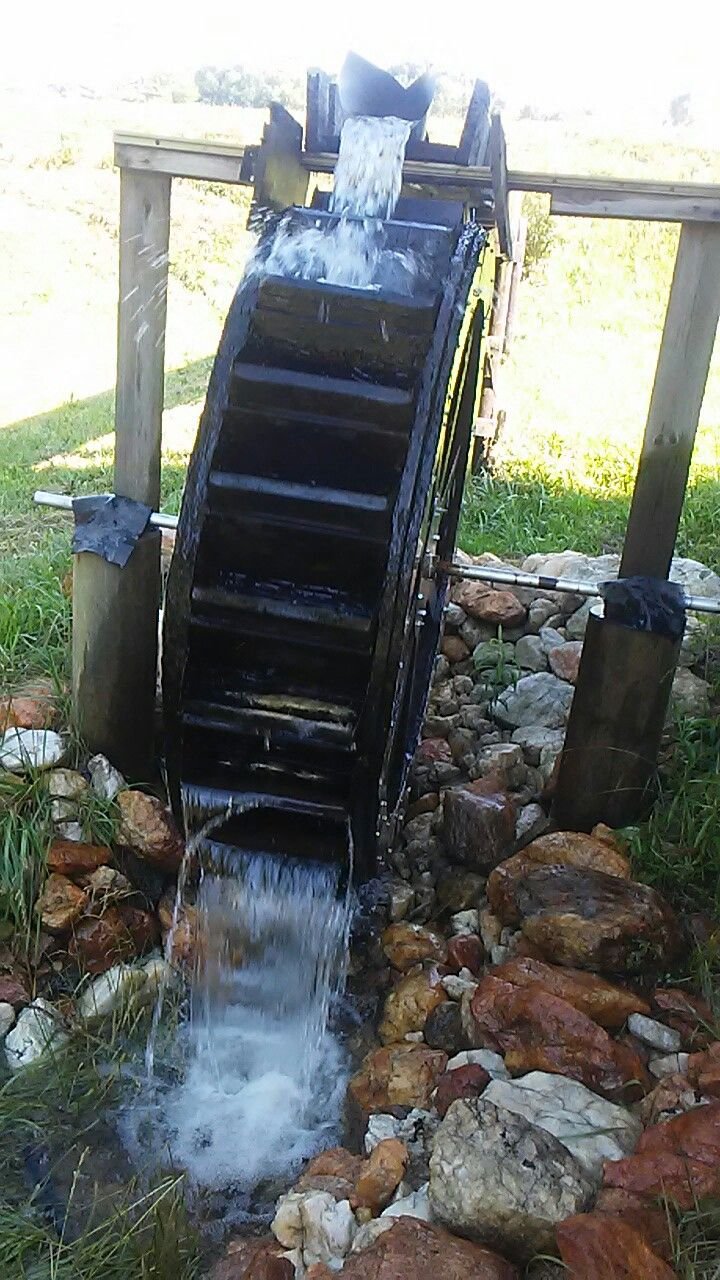
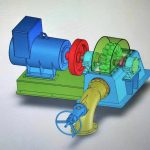
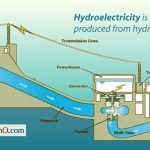
At its heart, a water wheel power generator is an elegant conversion system. Water flowing or falling past a strategically placed wheel causes it to rotate. This rotational force, or torque, is then transferred via a robust shaft (sometimes through a system of gears or belts to optimize speed) to an electrical generator – typically an alternator or dynamo. The generator then performs its magic, transforming mechanical energy into usable electrical power for your home. It’s a direct, mechanical process that has powered communities for centuries, now miniaturized and modernized for household needs.
Choosing Your Flow: Understanding Water Wheel Types
Not all streams are created equal, and neither are all water wheels. Selecting the right type is critical for maximizing efficiency and power output from your specific water source. Each design is optimized for different combinations of “head” (vertical drop) and “flow” (volume of water).
Undershot Water Wheel:
Best For: Rivers with good, steady flow but very little vertical drop.
How it Works: Water pushes directly against paddles positioned under the wheel.
Considerations: Simplest to build but less efficient, as it relies solely on the water’s kinetic energy (velocity). Think of it like a boat being pushed by a current.
Breastshot Water Wheel:
Best For: Moderate head heights and decent flow rates.
How it Works: Water hits the wheel around its midpoint, utilizing both the velocity and some gravitational potential energy.
Considerations: A good compromise, offering better efficiency than undershot wheels without needing the significant drop of an overshot design.
Pitchback Water Wheel:
Best For: Sites with medium head and moderate water flow, aiming for enhanced efficiency.
How it Works: Water is delivered to the wheel slightly behind the top, often flowing in the opposite direction of the wheel’s rotation initially, which helps reduce splash and can boost efficiency.
Considerations: This design subtly optimizes water entry, often preferred for its balanced performance and structural benefits.
Overshot Water Wheel:
Best For: Sites with a significant vertical drop, common in hilly or mountainous areas.
How it Works: Water is channeled to fall over the very top of the wheel into buckets or paddles. It harnesses gravitational potential energy as the water descends.
Considerations: Typically the most efficient type, capable of achieving up to 70% efficiency due to its effective use of the water’s weight.
Pelton Wheel:
Best For: Smaller streams with high head (steep drop) but low flow.
How it Works: A high-pressure jet of water is directed at a series of specially shaped cups (buckets) on the wheel’s rim, transferring energy very efficiently.
Considerations: A type of impulse turbine, distinct from traditional water wheels, it excels in very specific, high-pressure, low-volume scenarios.
The Heart of the System: Essential Components Explained
A robust water wheel power generator system relies on several integrated components working in harmony. Understanding each part is key to designing and maintaining an efficient and reliable setup.
Capturing Energy: The Wheel and Paddles
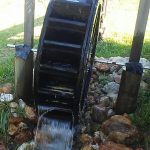
This is where the magic begins. The water wheel itself, along with its paddles, buckets, or blades, is designed to efficiently capture the linear motion of flowing water and convert it into rotational torque.
Materials: Durability is paramount. Expect heavy-duty, corrosion-resistant materials like steel, stainless steel, or specialized plastics. In some traditional designs, treated wood might still be used for its cost-effectiveness and workability.
Paddle Design: The shape of the paddles (flat, curved, or cupped) is engineered to optimize water capture and release for maximum energy transfer, depending on the wheel type and flow conditions.
Size: Wheels vary significantly, from just a few feet for micro-hydro systems to over 20 feet in diameter for larger installations. Correct sizing directly correlates with the amount of water available and the desired power output.
Transferring Power: Shafts and Bearings
The shaft is the backbone, transmitting the wheel’s rotational energy to the generator. It must be exceptionally sturdy and equally corrosion-resistant, often made from stainless steel to withstand constant exposure to water. Bearings are critical friction reducers, supporting the shaft’s rotation.
Bearing Selection: For water wheel applications, sealed, waterproof, and self-lubricating bearings are essential to prevent water ingress and ensure longevity.
Alignment: Proper alignment of the shaft and bearings is non-negotiable. Misalignment can lead to excessive wear, increased friction, and premature system failure. Regular checks and adjustments are part of good maintenance.
Generating the Spark: The Electrical System
This is where mechanical rotation becomes electrical power.
The Generator: Typically a Permanent Magnet Alternator (PMA) for smaller systems due to its efficiency at varying speeds, or a conventional alternator. The generator’s output will be AC or DC, dictating the subsequent electrical components.
The Wiring System: This network ensures safe and efficient power delivery.
Charge Controller: Regulates the power flow from the generator to your battery bank, preventing overcharging and protecting the batteries.
Deep-Cycle Battery Bank: Stores the generated electricity, providing power when the wheel isn’t generating enough (e.g., during low flow periods, or for peak demands that exceed instantaneous generation). These batteries are designed for repeated deep discharges.
Inverter: Converts the DC power stored in the batteries into standard AC power (like what comes out of your wall outlets) for household appliances.
Safety and Protection: All wiring must be appropriately sized, insulated, and protected with waterproof connectors, conduit, and proper grounding. Circuit breakers and a main disconnect switch are critical safety features, allowing for system shutdown during maintenance or emergencies.
Why Go Hydro? Real-World Advantages for Homeowners
Choosing a water wheel power generator offers a compelling suite of benefits, especially for those seeking true energy independence and sustainable living.
Reliable 24/7 Power: Unlike solar panels that stop at night or wind turbines that depend on breezes, flowing water can provide a remarkably consistent power supply around the clock, offering unparalleled energy security.
Low Operational Costs: Once installed, the fuel (water) is free. This translates to minimal ongoing expenses compared to grid ties or fossil fuel generators, which require constant fuel purchases.
Eco-Friendly and Sustainable: Harnessing naturally flowing water produces clean electricity without any greenhouse gas emissions, making it an excellent choice for a reduced carbon footprint.
Simplicity and Durability: The core mechanical design is often straightforward, making maintenance and repairs more manageable, especially in remote settings. Systems are built to withstand harsh outdoor conditions.
Quiet Operation: Compared to the noise of a gasoline generator, a well-designed water wheel system operates with remarkable quietness, a significant benefit for residential areas.
Scalability: These systems can be tailored to match your specific energy needs and water availability, with the potential for future expansion if your power demands grow.
Weighing the Current: Potential Drawbacks to Consider
While the allure of a water wheel power generator is strong, it’s essential to approach this solution with a balanced perspective, understanding its limitations and potential challenges. For a broader overview of off-grid power solutions and how water wheels fit into the larger picture, you might want to delve into how to Unlock free off-grid power.
Limited Power Generation Capacity: For many home installations, a water wheel generator might not produce enough electricity to power an entire modern household’s full range of appliances. Output is heavily dependent on the available water source and system efficiency. It’s more commonly used to offset grid power or provide essential power in off-grid cabins, rather than running high-demand appliances like electric water heaters or central air conditioning.
High Upfront Installation Costs: The initial investment can be substantial. This includes the cost of the wheel, generator, electrical components, site preparation (like building a diversion weir or penstock), and professional installation. These costs can range from $5,000 for a very small system to upwards of $50,000 for more complex setups.
Environmental Impact Concerns: While generally considered low-impact compared to large-scale hydropower, any alteration to a natural stream flow carries potential ecological risks. Diverting water, even for a small system, can affect fish migration, breeding habitats, water quality (e.g., increased sedimentation, altered oxygen levels), and bank erosion. Thorough environmental assessments and strict adherence to local regulations are crucial to mitigate these impacts.
Site-Specific Dependency: The most significant drawback is the absolute requirement for a suitable water source with adequate and consistent flow and head. This immediately makes it unfeasible for many locations, unlike solar or wind power which have broader applicability.
Maintenance Requirements: Despite the simple mechanics, regular maintenance (debris removal, lubrication, electrical checks) is vital. Neglecting these tasks can lead to reduced efficiency, damage, or system failure.
From Stream to Socket: Your Water Wheel Power Generator Playbook
Implementing a water wheel power generator is a multi-step process that requires careful planning and execution. Here’s a practical guide to get you started.
Phase 1: Your Site’s Story – Assessing Water Resources
This is the most critical initial step. Without a thorough site assessment, any further planning is speculative.
Measure Head (Vertical Drop):
What it is: The vertical distance water falls from your intake point to where the wheel will be situated.
Why it matters: Greater head means more harnessed gravitational force, leading to more power. A minimum of 3 feet is generally recommended for a worthwhile system, though more is always better.
How to measure: Use a surveying level, a builder’s level on a tripod, or even a long, clear hose filled with water to find level points. Professional surveyors can provide precise measurements.
Measure Flow (Volume of Water):
What it is: The volume of water passing a point over a specific time, usually measured in gallons per minute (GPM) or cubic feet per second (CFS).
Why it matters: More flow means more water driving the wheel, thus more power. A minimum of ~20 GPM is recommended for small systems.
How to measure:
Weir Method: Build a small, temporary dam (weir) with a notch in it across the stream. Measure the depth of water flowing over the notch and use a calculation table.
Bucket/Timed Flow (for very small streams): Temporarily divert the entire stream into a known volume container (e.g., a 5-gallon bucket) and time how long it takes to fill.
Float Method (for larger streams): Measure a section of the stream, drop a float, and time how long it takes to travel the distance. Combine with stream depth and width measurements.
Seasonal Variations: Crucially, measure flow during different seasons, especially the driest period, as your system’s minimum output will be limited by the lowest flow.
Calculate Potential Power (Rule of Thumb):
For small micro-hydro systems, a simplified calculation provides a good estimate: Power (Watts) ≈ (Head in feet × Flow in GPM) / 10
Example: If you have 10 feet of head and 50 GPM: Power (Watts) ≈ (10 ft × 50 GPM) / 10 = 50 Watts
Important: This “rule of thumb” already accounts for typical system inefficiencies (around 50-60%). A professional hydro engineer can provide more precise calculations and system sizing.
Other Site Considerations:
Distance to Home: Long power lines increase cost and power loss.
Terrain: Rocky or steep terrain can complicate construction.
Accessibility: Can construction materials and equipment reach the site?
Flood Risks: Assess historical flood levels and design for resilience.
Phase 2: Navigating the Red Tape – Permits and Regulations
Don’t skip this. Water rights and land use are highly regulated.
Local Authorities: Contact your local planning department for zoning laws, building codes, and necessary construction permits.
State Water Resources: Obtain water use permits from your state’s water resources department. These often dictate how much water you can divert and for what purpose.
Environmental Agencies: Be prepared for potential environmental impact assessments, especially concerning effects on aquatic ecosystems, fish passages, and riparian zones. Compliance is key to avoiding legal issues.
Phase 3: Building it Right – Design and Construction Principles
Precision Sizing: The water wheel must be precisely sized to match your available flow rate and head for optimal energy capture. This is where engineering expertise is invaluable.
Material Selection: Invest in durable, corrosion-resistant materials (e.g., stainless steel for critical components, heavy-gauge steel for the frame, treated wood or robust composites for paddles).
Penstock Design (if applicable): If diverting water through a pipe to an overshot or Pelton wheel, ensure the penstock is the largest practical diameter (PVC or ABS is common) to minimize friction and maximize water force to the wheel. Avoid sharp bends.
Speed Regulation: Incorporate mechanisms for stable electricity output. This could involve gears to adjust the wheel’s rotational speed to match the generator’s optimal RPM, or electronic load controllers that divert excess power to a “dummy load” (like a heating element) to maintain frequency and voltage.
Phase 4: Keeping the Power On – Essential Maintenance
Regular, proactive maintenance is crucial for the longevity and efficiency of your system.
Weekly: Clear debris (leaves, branches, silt) from the water intake, diversion channels, and around the wheel. Inspect for any obvious obstructions or damage.
Monthly:
Lubricate bearings with waterproof grease.
Check for loose fasteners or bolts on the wheel and frame.
Monitor water flow and adjust the wheel’s position slightly if needed to maintain optimal efficiency.
Quarterly/Annually:
Thoroughly inspect all bearings for wear or water ingress.
Check electrical connections for corrosion or damage.
Verify the grounding system.
Inspect the penstock or diversion channel for leaks, blockages, or erosion.
Clean the generator and ensure it’s dry and protected.
Record Keeping: Maintain a log of all maintenance activities, observations, and any repairs. This helps track system health and anticipate future needs.
Phase 5: The Bottom Line – Costs and ROI
Initial Investment: As noted, costs can range widely. Factors include site complexity, system size, materials chosen, and whether you DIY or hire professionals.
Ongoing Costs: Primarily maintenance, occasional replacement parts (bearings, brushes for some generators), and battery replacement every 5-15 years.
Offsetting Costs: Research government incentives, tax credits, and local grants for renewable energy. In some areas, net metering might be available if you’re grid-tied and generating excess power. Calculate your potential return on investment (ROI) based on your current electricity costs.
Safety First: A Non-Negotiable Aspect
Water and electricity are a dangerous combination. Always prioritize safety.
Professional Installation: Consider hiring qualified electricians for all wiring.
Proper Grounding: Ensure your entire electrical system is correctly grounded to prevent electrocution.
Circuit Protection: Install appropriate circuit breakers and fuses.
Disconnect Switch: A readily accessible main disconnect switch is vital for emergencies and maintenance.
Water Safety: Be mindful of slippery surfaces, strong currents, and potential for drowning during installation and maintenance.
Your Questions Answered: Water Wheel Power Generators FAQs
Q: Are water wheel power generators suitable for all streams?
A: No, absolutely not. They require a stream with a consistent, year-round flow and an adequate vertical drop (head). Intermittent streams or those with insufficient flow or head won’t work effectively. A thorough site assessment is non-negotiable. Q: How much power can a home water wheel generator typically produce?
A: For small residential systems, output can range from a few hundred watts (enough for basic lighting and charging devices) to several kilowatts (powering a modest home). The exact amount depends directly on your stream’s head and flow, and the system’s efficiency. Large homes with high power demands might need supplementary power sources. Q: What is the typical lifespan of a water wheel power generator system?
A: With proper design, quality materials, and consistent maintenance, the mechanical components (wheel, shaft) can last 20-50 years or even longer. The generator itself might last 10-20 years, while deep-cycle batteries typically need replacement every 5-15 years, depending on their type and how well they’re maintained. Q: Can I install a water wheel power generator myself?
A: While some handy individuals might tackle aspects of the mechanical installation, the electrical components and the site assessment (especially for permits) are often best left to qualified professionals. Incorrect wiring or poor site design can be inefficient, dangerous, or even illegal. Q: How does a water wheel generator compare to solar or wind power for off-grid living?
A: Water wheel generators offer consistent, 24/7 power, making them highly reliable compared to the intermittency of solar (no power at night) or wind (no power on calm days). However, they are far more site-specific. Solar and wind systems are generally easier to deploy in a wider range of locations, but often require larger battery banks to store energy for periods of no generation. A hybrid system combining hydro with solar or wind often provides the most robust off-grid solution.
Powering Your Future: Next Steps for Off-Grid Hydro
Embracing a water wheel power generator for your home is a commitment to sustainable, independent living. The journey begins with a clear-eyed assessment of your most valuable resource: your water.
Confirm Your Site’s Potential: Start by meticulously measuring your stream’s head and flow in all seasons. This data is non-negotiable. If these numbers aren’t favorable, other off-grid options might be more suitable.
Consult with Experts: Engage a professional hydro engineer for a detailed site assessment and power calculation. They can help you navigate the complexities of design and local regulations.
Investigate Local Regulations: Before investing heavily, thoroughly research permits, water rights, and environmental impact requirements with your local and state authorities. Early communication can save significant headaches later.
Plan for Maintenance: Understand that a water wheel is a dynamic system requiring ongoing attention. Factor maintenance into your long-term commitment.
By taking these deliberate steps, you’ll move closer to transforming the flowing water on your property into a consistent source of clean, free electricity, truly bringing sustainable power home.
I am a writer who loves renewable energy, with a focus on sustainable living, renewable energy, and eco-friendly innovation. With a passion for environmental awareness and a desire to explore the latest trends in green technology, corporate sustainability, and climate action. Through in-depth storytelling