When you think about the power of water, you might picture a thundering waterfall or a mighty river. But what are some fun facts about hydroelectric energy that go beyond the basics? It turns out this ancient power source is full of surprising statistics, clever engineering, and a history that stretches back millennia, long before the first lightbulb was ever switched on.
Hydropower isn’t just about massive dams; it’s a story of incredible efficiency, surprising scale, and a constant push for innovation. From facilities that act like giant water batteries to the simple water wheels of ancient Greece, the story of hydro is more fascinating than you might think.
Ancient Origins: Humans have used water power for over 2,000 years, starting with grinding grain, not generating electricity.
Hyper-Efficient: Modern hydropower turbines can convert up to 90% of the available energy from water into electricity, making them far more efficient than fossil fuel plants.
A Sleeping Giant: In the United States, there are over 80,000 dams, but only a tiny fraction—about 3%—are actually used to generate power.
Nature’s Battery: A special type of hydro, called pumped-storage, acts like a massive, rechargeable battery, storing energy for when it’s needed most.
A Global Powerhouse: Hydropower is the largest single source of renewable electricity worldwide, accounting for around 16% of total global production.
From Ancient Grains to the Modern Grid
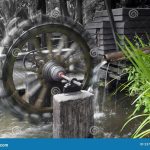
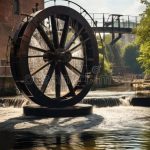
The concept of using water’s kinetic energy is anything but new. The ancient Greeks developed water wheels (or “noria”) to lift water for irrigation and grind grain into flour. This simple, brilliant technology was the foundation for everything that came later.
The leap to electricity, however, was a modern marvel. The journey began in the 1700s, but the first game-changing moment came in 1878. In a country estate called Cragside in Northumberland, England, a water turbine was used to power a single arc lamp in an art gallery. It was the world’s first house lit by hydroelectricity.
Just a few years later, in 1882, the first commercial hydroelectric power plant in the U.S. began operating on the Fox River in Appleton, Wisconsin. It produced enough electricity to light two paper mills and a nearby residence. These early pioneers laid the groundwork for a technology that would eventually power entire nations. While these historical firsts are impressive, understanding the full scope of this energy source reveals even more. Discover hydropower’s enduring power to see how these foundational principles evolved into the systems we rely on today.
The Power of a Single Drop: How It Works
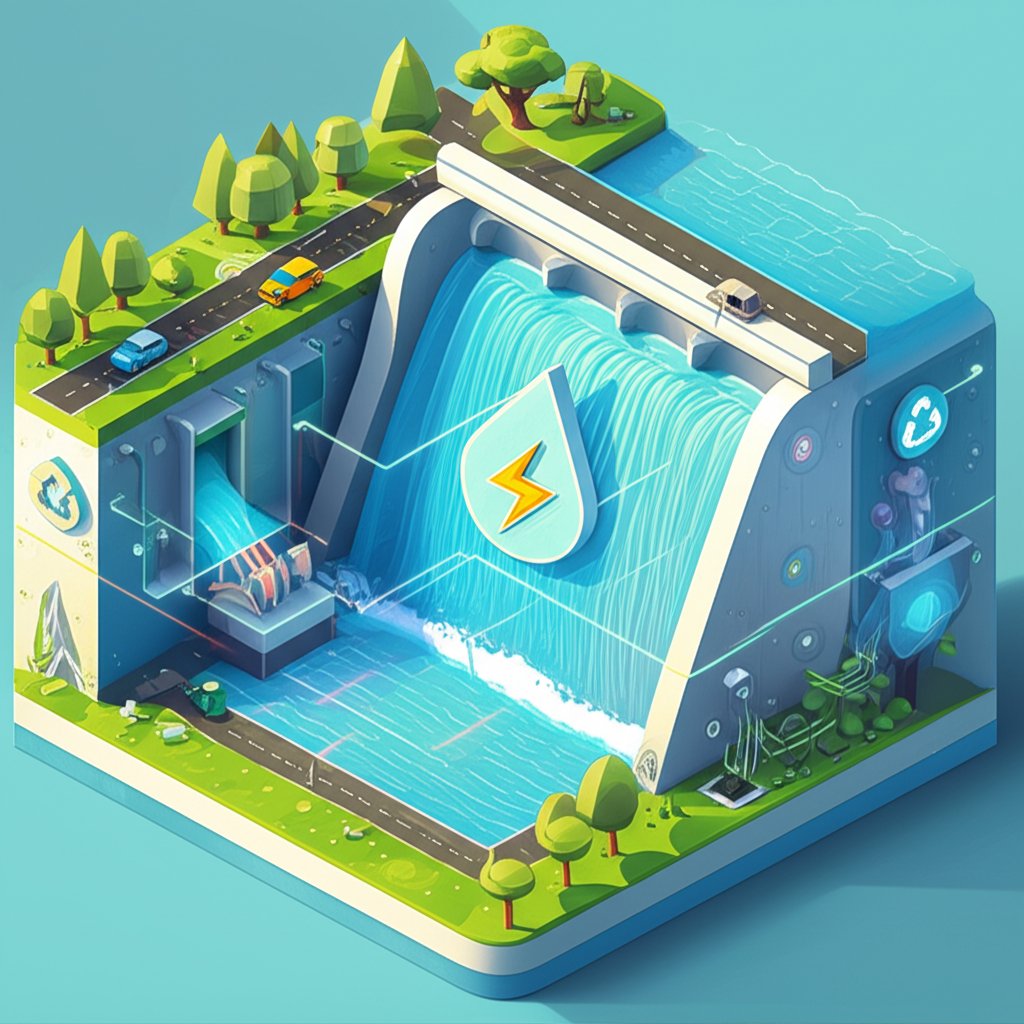
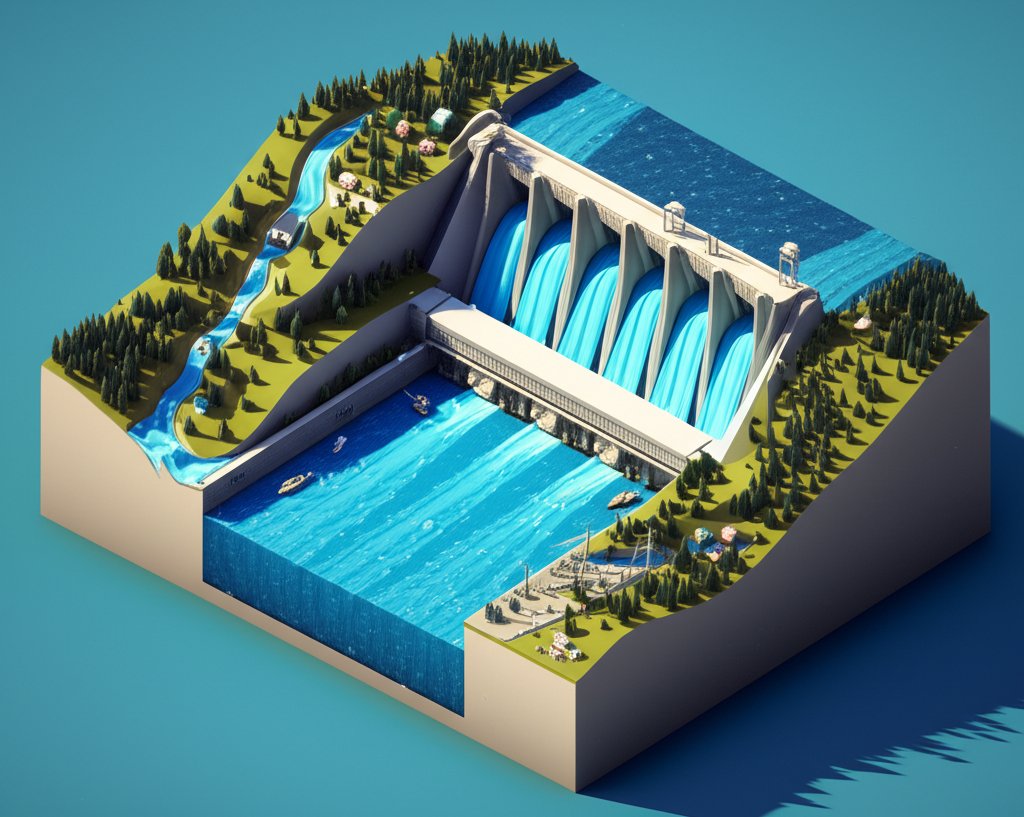
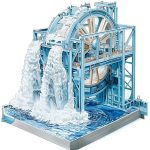
The core idea is simple: moving water spins a turbine, which is connected to a generator that produces electricity. But the key variables that determine the amount of power generated are “head” and “flow.”
Head: This is the vertical distance the water falls. The higher the drop, the more potential energy the water has, and the more power it can generate.
Flow: This is the volume of water moving through the turbines. A greater flow means more water is pushing on the turbine blades, generating more power.
Modern turbines, like the Francis (1849) and Kaplan (1913) designs, are engineering wonders. They are so efficient they can capture up to 90% of the water’s available energy. For comparison, the most efficient fossil fuel plants typically top out around 50-60% efficiency.
The Surprising Scale of Hydropower
When we talk about hydro, the numbers can be staggering. It’s a technology of extremes, from tiny units powering a single home to colossal dams that reshape landscapes.
The World’s Hydroelectric Titans
The sheer size of the largest hydroelectric projects is hard to comprehend. These aren’t just power plants; they are monumental feats of engineering.
Dam Name
Country
Capacity (Gigawatts)
Fun Fact Comparison
Three Gorges Dam
China
22.5 GW
Can produce more electricity than a dozen large nuclear power plants combined.
Itaipu Dam
Brazil/Paraguay
14.0 GW
For many years, it supplied around 90% of Paraguay’s total electricity.
Grand Coulee Dam
USA
6.8 GW
The largest power station in the U.S., its concrete could build a sidewalk around the equator.
A single gigawatt (GW) is enough to power roughly 750,000 homes. The Three Gorges Dam, at full capacity, could theoretically power over 16 million homes.
Not All Dams Make Power
One of the most surprising facts is how much untapped potential exists in the United States. Of the more than 80,000 dams built for irrigation, flood control, and recreation, only about 2,400 (or 3%) are equipped to generate electricity. This represents a significant opportunity to add clean power capacity to the grid without building a single new dam.
More Than Just Dams: The Different Flavors of Hydro
Not all hydroelectricity comes from a massive concrete wall holding back a lake. The technology is remarkably flexible, adapting to different environments and needs.
Run-of-the-River: Going with the Flow
Instead of stopping a river, a run-of-the-river project diverts a portion of its flow through a channel or pipe leading to a turbine. This method drastically reduces the environmental footprint by avoiding the creation of a large reservoir. While it generates less power than a large dam and is dependent on seasonal river flows, it’s a much gentler way to harness a river’s energy.
Pumped-Storage Hydropower: The Giant Water Battery
This is perhaps the cleverest form of hydropower. A pumped-storage facility has two reservoirs, one high and one low.
Charging: When electricity is cheap and plentiful (like on a windy night or a sunny afternoon), the facility uses that power to pump water from the lower reservoir to the upper one.
Discharging: When demand for electricity spikes and prices are high, the facility releases the water from the upper reservoir, letting it flow back down through turbines to generate power.
It’s not a net energy producer—it uses more power to pump the water up than it generates on the way down. But its value is in its ability to store massive amounts of energy and release it in seconds, making it a perfect partner for intermittent renewables like wind and solar.
Micro and Pico Hydro: Power for the People
Hydropower can also be incredibly small.
Micro-hydro systems (5 to 100 kilowatts) can power a small village, farm, or remote community.
Pico-hydro systems (under 5 kilowatts) can be small enough to power a single home, often using just the flow from a small stream.
These small-scale solutions provide clean, reliable electricity to areas far from a traditional grid, changing lives by powering lights, refrigerators, and small businesses.
Quick Answers to Common Hydro Questions
Let’s tackle some of the most frequently asked questions and clear up a few misconceptions about this powerful renewable resource. Q: Is hydroelectric energy completely clean?
Hydropower is considered clean because it produces virtually no greenhouse gas emissions during operation. However, the construction of large dams can have significant environmental impacts. Flooding land to create a reservoir releases methane (a potent greenhouse gas) from decaying vegetation. It’s a trade-off: zero operational air pollution in exchange for a large upfront environmental footprint. Q: What happens to fish when a dam is built?
This is a major concern. Dams can block the migratory paths of fish like salmon, which swim upstream to spawn. To mitigate this, many modern dams are built with “fish ladders” or “fish elevators”—structures that allow fish to bypass the dam and continue their journey. While not a perfect solution, these innovations help reduce the impact on local ecosystems. Q: Are hydroelectric plants expensive?
Yes and no. The initial construction cost of a large dam is incredibly high, often running into the billions of dollars. However, once built, the operational costs are very low because the fuel—flowing water—is free. Hydro plants also have incredibly long lifespans, with many operating for 60 to 100 years or more, providing a low-cost, stable source of energy for generations. Q: Can hydropower plants respond quickly to power outages?
Absolutely. This is one of their greatest strengths. A hydroelectric generator can go from zero to maximum output in just a few minutes. This rapid response time, known as “black start” capability, is crucial for stabilizing the grid during emergencies or sudden spikes in demand, making it an incredibly reliable backup power source.
Putting Water to Work for the Future
The story of hydropower is one of enduring ingenuity. From its ancient roots powering simple machines to its modern role as a global energy leader and a stabilizing force for the renewable grid, it remains a cornerstone of our energy mix.
The fun facts about hydroelectric energy reveal a technology that is both ancient and cutting-edge. It’s a powerful reminder that sometimes the most effective solutions are found by working with the forces of nature, not against them. Whether through massive dams, nimble run-of-the-river projects, or giant water batteries, the simple power of falling water continues to be one of our most valuable and fascinating energy resources.
I am a writer who loves renewable energy, with a focus on sustainable living, renewable energy, and eco-friendly innovation. With a passion for environmental awareness and a desire to explore the latest trends in green technology, corporate sustainability, and climate action. Through in-depth storytelling