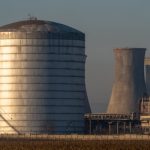
Modern economies run on power, and for decades, the backbone of that power has been the robust, consistent supply from non-renewable resources. While the global conversation increasingly turns to green alternatives, overlooking the core advantages of non renewable resources in delivering reliable, affordable energy would be a misstep in any strategic energy planning. These resources—primarily fossil fuels like coal, oil, and natural gas—continue to play a critical role, supporting industries, powering homes, and driving economic growth worldwide.
Understanding their strengths isn’t about ignoring their challenges, but about acknowledging their current, indispensable contribution to our energy landscape and the practical realities they address.
At a Glance: Why Non-Renewable Resources Remain Key
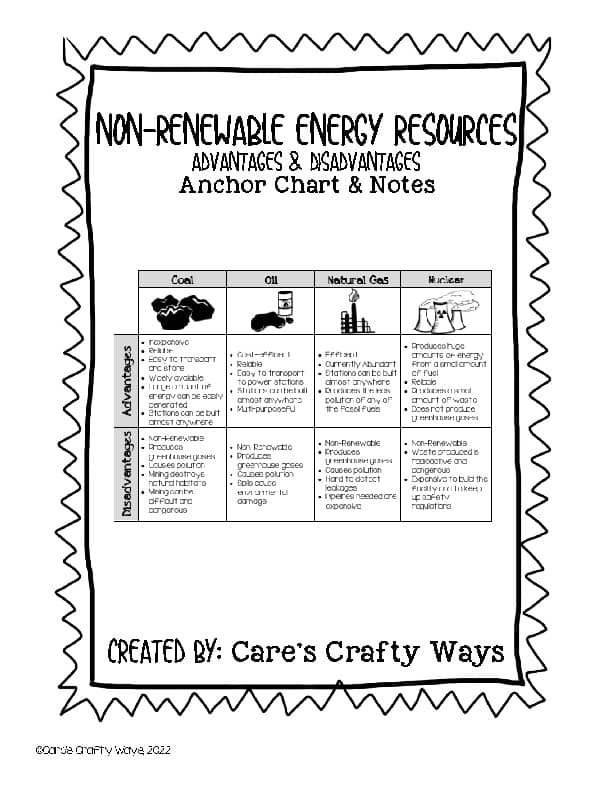
Unwavering Power: They offer a constant, on-demand energy supply, essential for industrial stability and preventing outages.
Cost-Effective Foundation: Lower initial investment and established supply chains translate to more affordable energy for consumers and businesses.
Compact Energy: High energy density means more power from less fuel, ideal for large-scale generation and transportation.
Global Infrastructure: A mature, interconnected system ensures efficient distribution and immediate access.
Economic Drivers: They create millions of jobs and foster significant economic development in producing and consuming nations.
Evolving Efficiency: Ongoing technological advancements improve extraction, reduce waste, and aim to mitigate environmental impacts.
Unwavering Power: The Reliability Backbone
One of the most compelling advantages of non renewable resources is their inherent reliability and consistency. Unlike many renewable sources, which are intermittent, fossil fuels provide a stable, continuous, and on-demand power supply that operates 24/7, regardless of weather conditions or time of day. This capability is critical for base load power, meaning the minimum amount of power needed to be supplied to the electrical grid at any given time.
This ensures constant consumption patterns are met and allows for quick ramp-up to satisfy peak demands, preventing disruptive outages. Think about large industrial operations, hospitals, or data centers; they simply cannot tolerate interruptions. In 2022, approximately 61% of U.S. electricity was generated from non-renewable sources, underscoring their foundational role in maintaining grid stability and societal function.
Driving Down Costs: Economic Viability and Affordability
The economic viability of non-renewable energy sources translates directly into lower costs for both consumers and businesses. These resources typically have lower initial investment costs for power generation facilities compared to some large-scale renewable projects, mainly due to established supply chains, mature extraction processes, and significant economies of scale developed over decades.
This economic advantage often results in lower energy bills, directly benefiting household budgets and business operational costs. For nations with substantial reserves, the economic boost extends further through export revenues. For instance, the U.S. produced nearly 36 quadrillion British thermal units (BTUs) of natural gas in 2021, making it a valuable export commodity that strengthens national economies and trade balances. When you evaluate the broader context of energy supply, the Non-renewable energy advantages often highlight this cost-effectiveness as a key differentiator.
Energy in a Compact Package: High Density for High Demand
Non-renewable resources stand out for their high energy density, meaning they generate a large amount of energy per unit of fuel. This makes them exceptionally efficient for large-scale power generation, heavy industrial production, and especially transportation. Imagine the energy packed into a single gallon of gasoline, which contains about 33.6 kilowatt-hours of energy – enough to power an average home for more than a day.
Similarly, a barrel of crude oil can yield approximately 20 gallons of gasoline, along with other critical products like diesel, jet fuel, and petrochemicals. This compact energy output is vital for sectors that require concentrated power on demand, from powering jet engines across oceans to heavy machinery in manufacturing plants. It means less fuel storage for equivalent energy output compared to many alternatives, simplifying logistics and increasing operational efficiency.
A World-Spanning Network: Leveraging Established Infrastructure
Decades of investment have created a globally extensive and well-developed infrastructure for non-renewable energy. This includes vast networks of extraction sites, processing facilities (like refineries), power plants, and distribution systems such as pipelines, shipping routes, and rail lines. This mature infrastructure ensures highly efficient energy delivery, immediate access to fuel, and quick responses to demand fluctuations.
This established system is not just about moving fuel; it’s about grid stability. It means that when a sudden surge in electricity demand occurs, existing power plants can often ramp up production rapidly, using readily available fuel supplies. This robust infrastructure minimizes the lead time and capital investment needed to bring new supply online, making it a significant advantage for immediate energy needs.
Fueling Economies and Creating Jobs: The Socio-Economic Impact
The non-renewable energy sector is a colossal global employer, providing millions of stable, often high-paying jobs across various stages: exploration, extraction, refining, transportation, and operations. In 2021, the U.S. fossil fuel industry alone supported between 7.2 and 8 million jobs. This employment contributes significantly to local and national economies, providing stable incomes, fostering industrial development, and supporting regional economic growth in areas where these resources are abundant.
Beyond direct employment, the sector stimulates a vast ecosystem of supporting industries, from manufacturing equipment to engineering services and specialized logistics. This widespread economic impact solidifies its role as a fundamental pillar of national prosperity and a critical source of livelihoods for millions.
While non-renewable resources are often seen through the lens of established methods, the sector benefits from continuous innovation. Technological advancements constantly enhance efficiency, improve safety, and aim to mitigate environmental impacts. New extraction techniques, such as hydraulic fracturing and horizontal drilling, have dramatically increased access to previously unreachable reserves, maximizing resource recovery and minimizing waste.
Furthermore, significant research and development are dedicated to reducing emissions. Technologies like Carbon Capture and Storage (CCS) and Carbon Capture and Utilization (CCU) aim to capture CO2 from industrial sources and store it or convert it into useful products. Efficiency improvements in power plants, including advanced turbine designs and heat recovery systems, ensure that more energy is extracted from less fuel, making existing resources go further.
Seamless Global Reach: Easier Transportation and Trade
Oil and natural gas, in particular, are relatively easy to transport across vast distances. They can be moved efficiently via pipelines, specialized tankers, and trucks, making them accessible even in remote locations far from their point of origin. This ease of transportation facilitates a wide distribution network and underpins significant international trade, creating global energy markets.
This global trade boosts the economies of exporting countries and profoundly influences geopolitical dynamics, creating interdependent relationships between nations. The ability to move large volumes of energy globally means that regions lacking domestic resources can still secure a stable energy supply, provided they have the economic means to import.
Streamlined Operations: Simplified Energy Management
The long history of utilizing non-renewable energy sources has led to well-established regulations, standardized practices, and a highly trained, experienced workforce. This maturity simplifies energy management processes compared to integrating newer, less established renewable technologies that may require novel regulatory frameworks, new skill sets, and bespoke infrastructure.
For energy operators and policymakers, this means fewer operational surprises, clearer pathways for planning and permitting, and a predictable environment for investment. The deep institutional knowledge within the non-renewable sector streamlines everything from day-to-day operations to long-term strategic planning, contributing to overall grid stability and efficiency.
Perhaps most fundamentally, non-renewable energy sources currently fulfill a substantial portion of the world’s continuously rising energy demand. As global populations grow and economies develop, the need for reliable, affordable power increases exponentially. Non-renewables act as a reliable backbone of the global energy supply, especially in regions where renewable infrastructure is still nascent or intermittent.
They provide the necessary bridge to a future where renewable energy can play a larger role, ensuring that current energy needs are met without compromising economic stability or access to essential services. Their capacity to deliver vast amounts of energy consistently makes them indispensable for sustaining modern society and enabling future development.
Integrating Non-Renewables: A Practical Playbook for Decision Makers
For anyone involved in energy strategy, understanding the advantages of non renewable resources isn’t an academic exercise; it’s a foundation for practical decision-making. Here’s a playbook for leveraging these strengths effectively:
Assess Base Load Requirements:
Action: Quantify your region’s or operation’s minimum continuous power demand.
Insight: Non-renewable sources excel here. They provide the unwavering power necessary to keep critical systems online 24/7.
Example: A large industrial complex needs consistent energy for machinery regardless of time or weather. Natural gas power plants can offer this steady, reliable output.
Conduct a Comprehensive Cost-Benefit Analysis:
Action: Evaluate the total lifecycle costs of non-renewable infrastructure versus alternatives, including fuel, maintenance, and grid integration.
Insight: Factor in the long-term stability of fuel supply chains and established distribution costs.
Snippet: A municipal utility considering a new power plant might find the upfront capital expenditure and predictable operating costs of a natural gas facility more favorable over a 20-year horizon than a comparable intermittent renewable plant requiring extensive battery storage.
Leverage Existing Infrastructure:
Action: Identify how current pipelines, refineries, and power plants can be optimized or upgraded before investing in entirely new systems.
Insight: Maximize return on decades of investment and reduce deployment time for new capacity.
Scenario: An energy provider could upgrade an older coal plant with modern natural gas turbines and carbon capture readiness, leveraging existing transmission lines and land while reducing emissions and improving efficiency.
Prioritize Energy Density for Key Sectors:
Action: For transportation, heavy industry, or emergency backup, prioritize high-energy-density fuels where space or weight is a constraint.
Insight: This ensures operational efficiency and capability in high-demand or remote applications.
Practical Tip: Hospitals and data centers often rely on diesel generators for backup power due to their compact energy storage and immediate readiness, providing critical redundancy.
Invest in Efficiency and Emission Reduction Technologies:
Action: Explore and implement technologies like advanced turbine designs, combined-cycle power generation, and carbon capture solutions for existing non-renewable assets.
Insight: Improve environmental performance and extend the viability of these resources.
Decision Point: A company operating a natural gas power plant might invest in a combined-cycle upgrade, using exhaust heat to generate additional electricity without burning more fuel, boosting efficiency by 50% or more.
Quick Answers: Dispelling Common Misconceptions
Q: Are non-renewable resources inherently “bad” for the environment, negating their advantages?
A: The environmental impact is a significant challenge, but it doesn’t negate the immediate practical advantages of non renewable resources in meeting current energy demands. The focus is increasingly on mitigating these impacts through technologies like carbon capture, while acknowledging their current necessity for base load and affordability. Q: Can’t renewable energy sources replace non-renewables entirely right now?
A: Not yet for global base load. While renewables are growing rapidly, their intermittency (wind doesn’t always blow, sun doesn’t always shine) means they often require significant storage solutions or backup power—which non-renewables currently provide—to ensure a stable, 24/7 supply at scale. The transition is ongoing and complex. Q: How do non-renewable resources contribute to energy independence?
A: Countries with significant domestic reserves of fossil fuels reduce their reliance on foreign energy imports, enhancing national energy security and independence. The U.S., for example, has become a major producer and exporter of natural gas, strengthening its position in global energy markets. Q: What about the volatility of fossil fuel prices? Doesn’t that undermine cost-effectiveness?
A: Price volatility is a market reality, influenced by geopolitics and supply-demand dynamics. However, the overall cost-effectiveness of non-renewables stems from their established infrastructure, high energy density, and mature extraction methods, which often lead to lower production costs and more predictable long-term supply than some emerging technologies. Strategic reserves and diversified supply chains help manage volatility.
Your Next Steps for a Resilient Energy Strategy
Understanding the advantages of non renewable resources is crucial for crafting a resilient and pragmatic energy strategy. These resources offer unparalleled reliability, cost-effectiveness, and a deeply embedded infrastructure that currently underpins global energy security and economic stability. While the long-term goal for many is a transition to cleaner energy, ignoring the current strengths of fossil fuels would be a tactical error.
Your immediate action should be to integrate these advantages into a balanced energy portfolio. Assess where the unique strengths of non-renewables—such as base load power, high energy density for specific applications, and established cost structures—can best serve your operational needs or regional energy demands. Simultaneously, champion investments in technologies that enhance their efficiency and reduce their environmental footprint, ensuring they continue to play a responsible, yet indispensable, role in our energy future.
I am a writer who loves renewable energy, with a focus on sustainable living, renewable energy, and eco-friendly innovation. With a passion for environmental awareness and a desire to explore the latest trends in green technology, corporate sustainability, and climate action. Through in-depth storytelling