Our global energy landscape sits at a critical juncture, demanding a clear understanding of the non renewable advantages and disadvantages that shape our present and future. These finite resources, despite powering much of human progress, present a complex challenge, pushing us to balance immediate energy needs with long-term sustainability and environmental stewardship. Navigating this complexity means looking beyond simple categories to truly grasp the profound implications of our energy choices.
At a Glance: Deciphering Non-Renewable Energy’s Dual Nature
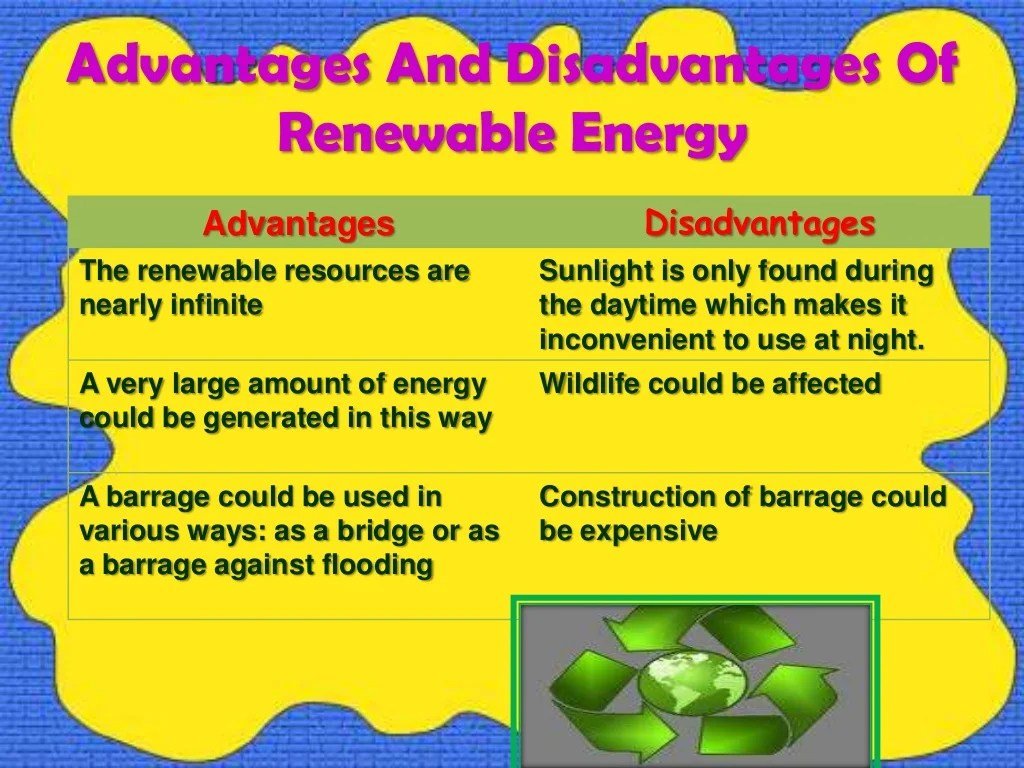
Dominant Powerhouses: Non-renewables offer high energy output, reliability, and cost-effectiveness, underpinning global economies.
Environmental Footprint: Fossil fuels, in particular, are major contributors to climate change and air pollution.
Finite Supply: Their limited nature means inevitable depletion, demanding a strategic transition plan.
Geopolitical Influence: Control over these resources profoundly shapes international relations and economic stability.
Complex Nuclear Role: Nuclear energy provides carbon-free power but carries unique waste and safety challenges.
Urgent Transition: The current reliance mandates accelerated investment and development in renewable alternatives.
Understanding the Bedrock: What Defines Non-Renewable Energy?
At its core, non-renewable energy refers to sources that, once used, cannot be naturally restored on a human timescale. These aren’t like sunlight or wind, which replenish daily. Instead, they are geological legacies, formed over millions of years, representing a fixed deposit in the Earth’s crust.
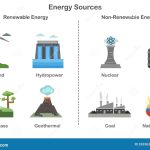
The primary categories are fossil fuels—coal, natural gas, and oil—and nuclear energy. Fossil fuels are carbon-rich remnants of ancient organic matter, compressed and heated over eons. Think of vast primeval forests or microscopic marine life, slowly transforming into the energy sources we extract today. Nuclear energy, while distinct, uses finite radioactive elements like uranium, making it equally non-renewable. It harnesses the immense power locked within an atom’s nucleus, a marvel of physics but with its own set of unique considerations.
The Powerhouse Pros: Why Non-Renewables Have Dominated Our Energy Grid
For centuries, non-renewable energy sources have been the workhorses of industrialization and modern society. Their inherent characteristics have made them indispensable, offering a foundation of reliability and power that renewables are still striving to match across all applications.
Unmatched Energy Density and Output: Non-renewable fuels pack an incredible punch. A small volume of coal, oil, or uranium can generate enormous amounts of energy, far surpassing the immediate output of most renewable sources. This high energy density makes them commercially viable and efficient for large-scale power generation. One regional fossil fuel plant, for instance, can reliably power thousands of homes and businesses across vast distances.
Economic Drivers and Global Trade: The sheer scale of energy production from non-renewables translates into substantial economic value. Oil-rich nations, in particular, have built considerable wealth and influence, with the trade of these resources forming a cornerstone of the global economy. This economic engine supports industries, creates jobs, and fuels development worldwide.
Accessibility and Established Affordability: For decades, these sources have been relatively easy to access and extract, contributing to their affordability. The infrastructure for mining, drilling, refining, and transporting fossil fuels is mature and extensive, representing massive past investments that continue to make them cost-effective options for energy delivery.
Reliable Storage and Distribution: Unlike intermittent renewable sources like solar or wind, fossil fuels can be stored in vast quantities, ensuring a consistent supply regardless of weather or time of day. This inherent storability is a major advantage for grid stability, allowing power plants to respond quickly to demand fluctuations.
Infrastructure Compatibility: The global energy infrastructure—power plants, transportation networks, industrial machinery—was largely built around the use of fossil fuels. This existing compatibility means transitioning away requires significant investment and time, cementing the continued, albeit evolving, role of these traditional energy sources in the near to mid-term. To delve deeper into the specific ways non-renewable energy delivers consistent power and economic advantages, you can explore the insights provided in Advantages of Non-Renewable Power.
The Environmental & Societal Price: Core Disadvantages of Our Reliance
While the advantages of non-renewables are clear in terms of power and economics, their drawbacks present formidable challenges, impacting our planet’s health, human well-being, and geopolitical stability.
The Cost of Fossil Fuels: Pollution and Climate Change
The burning of fossil fuels is a major contributor to several pressing environmental issues:
Greenhouse Gas Emissions: This is arguably the most significant disadvantage. When coal, oil, and natural gas are combusted for energy, they release massive amounts of carbon dioxide (CO2), along with methane (CH4) and nitrous oxide (N2O). These are potent greenhouse gases that trap heat in the atmosphere, leading to global warming, climate change, and its cascading effects like extreme weather events, rising sea levels, and ecosystem disruption.
Smog and Air Quality Degradation: Beyond CO2, burning fossil fuels releases pollutants like sulfur dioxide (SO2), nitrogen oxides (NOx), and particulate matter. These react in the atmosphere to create smog, a thick haze that severely impacts air quality in urban centers. Smog contributes to respiratory illnesses, cardiovascular problems, and reduced visibility, directly affecting public health.
Acid Rain: Sulfur dioxide and nitrogen oxides, released from industrial emissions and vehicle exhausts, dissolve in atmospheric water vapor to form sulfuric and nitric acids. When these fall as acid rain, they harm forests, acidify lakes and rivers, damage infrastructure, and corrode buildings, impacting entire ecosystems and economies.
The Nuclear Conundrum: Waste and Risk
Nuclear energy, while not emitting greenhouse gases during operation, carries its own unique set of environmental and safety concerns:
Radioactive Waste: The fission process produces highly radioactive waste byproducts, which remain dangerous for hundreds to thousands of years. Safely storing and disposing of this waste is a monumental challenge. A leakage or improper disposal could contaminate groundwater and soil, rendering vast areas uninhabitable and causing devastating long-term environmental and health effects.
Safety Concerns and Accident Potential: Although rare, nuclear accidents, like Chernobyl or Fukushima, demonstrate the catastrophic potential of system failures. Such events can release vast amounts of radiation, necessitating mass evacuations, creating exclusion zones, and causing widespread fear and economic disruption.
Universal Challenges: Depletion, Health, and Geopolitics
Beyond specific environmental impacts, non-renewable energy sources share broader systemic disadvantages:
Resource Depletion: This is the most fundamental issue. These sources took millions of years to form, yet humanity is consuming them at an unprecedented rate—far faster than natural geological processes can replenish them. Projections suggest that current known reserves of oil, coal, and natural gas could be significantly depleted within decades, creating future energy security crises if alternatives aren’t scaled up rapidly.
Worker Health and Safety: The extraction of non-renewable resources, whether through mining coal, drilling for oil, or refining uranium, is often hazardous work. Workers are exposed to dangerous substances, dust, and toxic chemicals, leading to occupational diseases like black lung disease for miners or increased cancer risks. Accidents at extraction sites are also unfortunately common.
High Reserve Costs and Transportation Risks: Maintaining strategic reserves of fossil fuels, necessary for power plant operations and energy security, requires significant financial investment and vast amounts of space. Furthermore, the transportation of crude oil and natural gas, often across oceans or through pipelines, carries inherent risks. Spills from tankers or pipeline ruptures can cause immense ecological damage, devastating marine life, coastlines, and local economies. The Deepwater Horizon oil spill in the Gulf of Mexico is a stark reminder of such potential catastrophes.
Economic and Political Volatility: The global reliance on a finite set of resources concentrated in specific regions makes non-renewables a central player in world economics and politics. This leads to geopolitical tensions, supply chain vulnerabilities, price volatility, and creates significant dependency, especially for nations lacking their own reserves. Conflicts can erupt over access to these vital resources, demonstrating their power to destabilize regions.
Navigating the Trade-Offs: Real-World Scenarios in Energy Planning
Understanding the distinct non renewable advantages and disadvantages isn’t just academic; it drives real-world energy policy and investment decisions. Nations and corporations constantly weigh these factors.
Scenario 1: The Coal-Dependent Economy’s Dilemma
Imagine “Coalville,” a nation with abundant coal reserves and a robust industrial sector built on its cheap, reliable power. The advantages are clear: energy independence, stable electricity prices, and thousands of jobs in mining and power generation. However, Coalville faces mounting pressure regarding air quality, rising healthcare costs from respiratory illnesses, and international condemnation for its significant carbon footprint. Decision-makers must grapple with the economic shock of transitioning away from coal versus the long-term environmental and public health costs of continued reliance. The path often involves gradual diversification, investment in carbon capture technologies (still largely in development), and retraining programs for displaced workers.
Scenario 2: The Nuclear Power Expansion Debate
Consider “Atomia,” a nation looking to reduce its carbon emissions without relying heavily on intermittent renewables. Nuclear power presents a compelling advantage: massive, carbon-free baseload electricity. Building a new nuclear plant offers energy security and avoids fossil fuel price volatility. Yet, Atomia’s public is deeply concerned about the long-term storage of radioactive waste and the remote but catastrophic risk of an accident. The immense upfront construction costs and lengthy regulatory processes also pose significant financial hurdles. This scenario highlights the trade-off between reliable, low-carbon power and complex safety, waste, and financial burdens that can span generations.
Future Trajectory: Shifting Sands in the Energy Mix
Currently, non-renewable sources account for approximately 85% of global energy consumption. However, this dominance is unsustainable. The projected depletion of oil, coal, and natural gas within decades forces a strategic pivot. While non-renewables won’t vanish overnight, their roles are evolving.
We anticipate a significant decrease in coal usage as the most carbon-intensive fossil fuel. Natural gas, being cleaner-burning than coal, may serve as a transitional fuel, especially when paired with carbon capture technologies, to bridge the gap toward a fully renewable grid. Nuclear power is poised to become the second most used energy source globally, following renewables, as nations seek reliable, carbon-free baseload power without the same footprint as fossil fuels. This future is not about abandoning non-renewables entirely but strategically managing their decline and integrating them into a diversified, cleaner energy portfolio.
Making Informed Decisions: A Practical Playbook for Energy Transition
Navigating the future of energy requires strategic foresight, balancing immediate needs with long-term sustainability.
Assess Your Energy Footprint:
For Businesses: Conduct an energy audit to understand your reliance on non-renewables. Identify opportunities for efficiency upgrades and partial or full transition to renewable sources.
For Communities: Map local energy production and consumption patterns. Are you heavily dependent on a single non-renewable source? What are the local environmental impacts?
Strategize for Diversification:
Reduce Single-Source Reliance: Actively pursue a diversified energy portfolio. For example, a country heavily reliant on imported oil might invest in domestic natural gas reserves and expand solar and wind capacity.
Invest in Transitional Fuels: If immediate full transition to renewables isn’t feasible, consider natural gas as a cleaner alternative to coal, especially if paired with carbon capture and storage (CCS) technologies.
Prioritize Efficiency and Conservation:
Demand-Side Management: The cheapest energy is the energy you don’t use. Implement rigorous energy efficiency standards in buildings, transportation, and industrial processes.
Public Awareness Campaigns: Educate citizens and businesses on energy conservation practices to reduce overall demand.
Embrace Innovation in Renewables:
Accelerate R&D: Support research into advanced renewable technologies, energy storage solutions (like grid-scale batteries), and smart grid systems that can better integrate intermittent sources.
Policy Incentives: Implement policies that incentivize renewable energy adoption, such as tax credits, subsidies, and favorable regulatory frameworks.
Address Legacy Issues Strategically:
Nuclear Waste Management: For nations with nuclear power, allocate resources for robust, long-term waste disposal solutions and ensure stringent safety protocols.
Fossil Fuel Cleanup: Develop and fund programs for environmental remediation of abandoned mines and contaminated extraction sites.
Your Questions Answered: Non-Renewable Energy FAQs
Q: Is nuclear energy truly non-renewable if it doesn’t produce CO2?
A: Yes, nuclear energy is classified as non-renewable because its fuel source, primarily uranium, is a finite resource mined from the Earth. While its operation doesn’t release greenhouse gases, the supply of fissile material is limited and cannot be replenished on a human timescale, making it distinct from renewable sources like solar or wind. Q: How long will current non-renewable resources last?
A: Estimates vary, but projections suggest current economically viable reserves of oil and natural gas could last for several decades (e.g., 50-70 years at current consumption rates), while coal reserves might last longer (e.g., 100-200 years). However, these are dynamic figures influenced by new discoveries, technological advancements in extraction, and global consumption patterns. The key takeaway is that they are finite and depleting. Q: Can we make fossil fuels cleaner to reduce their disadvantages?
A: Technologies like Carbon Capture and Storage (CCS) aim to capture CO2 emissions from power plants and industrial facilities before they enter the atmosphere, storing them underground. While promising, CCS is expensive, energy-intensive, and still faces challenges in terms of scalability and long-term storage security. It can mitigate some disadvantages but doesn’t address resource depletion or other pollutants entirely. Q: What about the transition period? Can we switch to 100% renewables immediately?
A: An immediate, wholesale switch to 100% renewables is not feasible for most nations due to current technological limitations, infrastructure requirements, and economic costs. The transition is a gradual process that requires significant investment in renewable generation, energy storage, grid modernization, and policy adjustments. Non-renewables, particularly natural gas and nuclear, are expected to play a crucial, albeit diminishing, role during this transition to ensure grid stability and energy security.
Chart Your Course: Balancing Today’s Needs with Tomorrow’s Imperatives
The story of non-renewable energy is a powerful testament to human ingenuity and its ability to harness immense power. Yet, it’s also a stark lesson in the long-term consequences of our choices. Acknowledging the profound non renewable advantages and disadvantages is the first step toward crafting a resilient and sustainable energy future. It’s about making strategic, informed decisions today that mitigate the drawbacks while leveraging the strengths of existing infrastructure, ensuring a stable bridge to a predominantly renewable energy landscape for generations to come. The path ahead demands a balanced approach, prioritizing both energy security and planetary health.
I am a writer who loves renewable energy, with a focus on sustainable living, renewable energy, and eco-friendly innovation. With a passion for environmental awareness and a desire to explore the latest trends in green technology, corporate sustainability, and climate action. Through in-depth storytelling