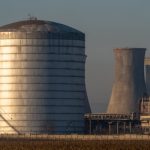
The immediate appeal of non-renewable energy sources often centers on their reliability and established infrastructure, delivering power that fuels our modern world. Yet, the critical conversation we often skirt revolves around the true cost, demanding we squarely name the disadvantages of non renewable energy resources and understand their profound, cascading impact on our environment, economy, and public health. This isn’t just an academic exercise; it’s about evaluating the long-term trade-offs inherent in our energy choices.
Finite Supply: These resources are non-replenishable, ensuring eventual depletion and future energy crises.
Environmental Degradation: From air pollution and greenhouse gas emissions to water contamination and habitat destruction, the ecological footprint is immense.
Health Hazards: Burning fossil fuels and managing nuclear waste pose serious risks to human health and safety.
Geopolitical Instability: Reliance on finite, unevenly distributed resources fuels international tensions and economic vulnerabilities.
Long-Term Waste Management: Nuclear energy, while low-carbon, presents a unique challenge with its dangerous, long-lived radioactive waste.
Understanding the Limited Lifespan of Conventional Energy Sources
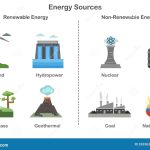
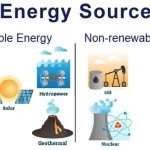
Non-renewable energy encompasses sources that took millions of years to form and exist in finite quantities, meaning they’re consumed far faster than nature can replenish them. This category primarily includes fossil fuels—coal, natural gas, and oil (petroleum)—and nuclear energy, derived from radioactive elements like uranium. Fossil fuels originate from ancient organic matter subjected to immense heat and pressure over geological timescales, while nuclear power harnesses the energy from splitting atoms.
The critical takeaway here is their finite nature. Once extracted and consumed, these resources are gone forever, making their eventual depletion an unavoidable certainty.
The Unseen Environmental Price Tag of Our Power Needs
The environmental impacts of non-renewable energy are extensive, affecting every corner of our planet from the atmosphere to our deepest oceans. These aren’t just abstract scientific concepts; they translate into tangible, often irreversible, damage.
Atmospheric Burden: Greenhouse Gases and Air Pollution
Burning fossil fuels releases a cocktail of harmful substances into our atmosphere, fundamentally altering its composition and directly impacting life on Earth.
Greenhouse Gas Emissions: The primary concern is carbon dioxide (CO2), a potent greenhouse gas that traps heat and drives global warming and climate change. Along with CO2, other gases like methane (from natural gas leaks) and nitrous oxide further contribute to this atmospheric burden, intensifying extreme weather events, sea-level rise, and ecosystem disruption.
Harmful Air Pollutants: Beyond greenhouse gases, combustion also releases particulate matter (tiny airborne solids or liquids), sulfur dioxide (SO2), and nitrogen oxides (NOx). These pollutants are direct contributors to respiratory illnesses, cardiovascular diseases, and even lung cancer in humans, significantly impacting public health.
Smog Formation: In urban areas, NOx and volatile organic compounds react in sunlight to create ground-level ozone, or smog. This hazy blanket, prevalent in major cities worldwide like Beijing, Los Angeles, and New Delhi, impairs visibility and causes severe respiratory problems, especially for children and the elderly.
Acid Rain: When SO2 and NOx gases are released, they can react with water vapor and other chemicals in the atmosphere to form sulfuric and nitric acids. These acids then fall to Earth as acid rain, which can acidify lakes and streams, damage forests, and corrode buildings and infrastructure. The ecological balance of affected regions is profoundly disrupted, harming aquatic life and weakening plant health.
Scars on Land and Water: Degradation and Contamination
The environmental damage extends far beyond the air we breathe, leaving indelible marks on our landscapes and waterways.
Land Degradation and Habitat Destruction: The process of extracting fossil fuels often involves highly destructive mining techniques. Open-pit mining and mountaintop removal, for instance, obliterate vast tracts of land, permanently altering topography, destroying wildlife habitats, and fragmenting ecosystems. This leads to significant biodiversity loss, as species lose their homes and migratory routes. Even conventional drilling operations require extensive land use for infrastructure, roads, and waste disposal, further impacting natural landscapes.
Water Pollution from Extraction: Drilling for oil and gas can lead to wastewater containing toxic chemicals, heavy metals, and radioactive materials. If not properly treated and disposed of, this wastewater can contaminate groundwater supplies and surface water bodies, rendering them unsafe for human consumption and devastating aquatic ecosystems. Fracking, in particular, raises concerns about chemical leakage into water sources.
Oil Spills and Marine Devastation: The transportation of crude oil, typically by tankers, presents a constant risk of catastrophic spills. Accidents, such as the Exxon Valdez or Deepwater Horizon incidents, have released millions of gallons of oil into oceans, coating coastlines, killing marine birds and mammals, and destroying delicate ecosystems like coral reefs and mangrove forests. The long-term ecological recovery from such events can span decades, if not centuries.
Nuclear’s Double-Edged Sword: Power with Peril
Nuclear energy stands apart from fossil fuels because it produces virtually no greenhouse gas emissions during operation. However, it presents its own unique and severe set of disadvantages.
Radioactive Waste Management: The primary drawback of nuclear power is the production of highly radioactive waste, which remains dangerous for tens of thousands of years. Safely storing and disposing of this waste is an immense technical and logistical challenge, with no universally accepted permanent solution. Leaks from storage facilities or improper disposal could contaminate groundwater and soil over vast areas, rendering them uninhabitable for generations.
Accident Potential: Though rare, nuclear accidents, like Chernobyl or Fukushima, demonstrate the potential for catastrophic consequences. Such events can release vast amounts of radioactive material, necessitating mass evacuations, creating uninhabitable exclusion zones, and causing long-term health effects for affected populations.
Beyond the Environment: Economic and Social Ripples
The disadvantages of non-renewable energy aren’t confined to environmental spheres; they profoundly shape our global economy, political landscape, and social well-being.
Geopolitical Instability and Energy Security
The uneven distribution of fossil fuel reserves around the world creates a complex web of economic and political dependencies. Countries rich in oil and gas often wield significant geopolitical influence, while nations reliant on imports face constant energy security concerns. This dynamic can lead to international tensions, conflicts over resource control, and economic vulnerabilities to price shocks. The global economy is intrinsically linked to the supply and price of these resources, making stable access a continuous source of international concern.
Economic Volatility
The price of fossil fuels is notoriously volatile, influenced by geopolitical events, supply and demand shifts, and speculative trading. These price fluctuations can have a ripple effect across global economies, impacting everything from transportation costs and manufacturing expenses to consumer prices and national budgets. Businesses struggle with unpredictable operating costs, and consumers face fluctuating utility bills and gasoline prices, making long-term economic planning challenging.
Health and Safety: The Human Cost
From the moment of extraction to the burning of fuels, non-renewable energy poses significant health and safety risks to workers and surrounding communities.
Worker Health Risks: Miners are exposed to hazardous conditions, including respiratory diseases like black lung disease from coal dust, and risks from explosions or collapses. Oil and gas workers face dangers from toxic chemical exposure and potential accidents. These environments are inherently unhealthy, leading to chronic illnesses and injuries.
Community Health Risks: Communities living near fossil fuel extraction sites, refineries, or power plants often experience higher rates of respiratory illnesses, cancers, and other health problems due to exposure to air and water pollutants. The cumulative impact on public health can be devastating, creating environmental justice issues where vulnerable populations disproportionately bear these burdens.
The Inevitable Depletion and the Search for Alternatives
The most fundamental disadvantage is simple: these resources are finite. While non-renewable sources offer immediate benefits like reliability and affordability, which we explored in detail in our guide on Non-renewable energy advantages, it’s crucial to weigh these against their significant long-term drawbacks. Estimates vary, but fossil fuels are projected to be substantially depleted within decades, not centuries. This impending scarcity creates an urgent need for transition.
The reality of depletion means that continuing to rely primarily on these sources will inevitably lead to energy shortages, further price volatility, and intensified geopolitical competition in the not-so-distant future. It underscores the critical imperative to seek and implement sustainable alternatives.
Charting a Course for Sustainable Energy Management
Recognizing the multifaceted disadvantages of non-renewable energy resources is the first step toward building a more sustainable future. This requires a comprehensive approach that prioritizes both conservation and innovation.
Why Conservation Isn’t Just a Buzzword
Conserving non-renewable energy isn’t about deprivation; it’s about efficiency and smarter resource management.
Improving Energy Efficiency: Investing in energy-efficient technologies for homes, buildings, and industrial processes significantly reduces demand. This includes better insulation, LED lighting, smart thermostats, and optimized machinery.
Promoting Energy-Saving Behaviors: Simple changes like carpooling, using public transportation, turning off lights, and unplugging electronics can collectively make a substantial difference.
Adopting Fuel-Efficient Transportation: Encouraging the adoption of electric vehicles, hybrids, and more fuel-efficient internal combustion engines reduces reliance on petroleum.
Implementing Industrial Conservation: Manufacturing and agricultural sectors can adopt processes that minimize energy input, recycle waste heat, and optimize resource use.
Investing in the Future: Transitioning to Renewables
The long-term solution lies in a robust transition to renewable energy sources like solar, wind, hydro, and geothermal power. This requires sustained investment in:
Research and Development: Continual innovation is needed to improve the efficiency, cost-effectiveness, and storage capabilities of renewable technologies.
Infrastructure Development: Building the grids, transmission lines, and storage facilities necessary to integrate a high proportion of renewable energy.
Supportive Policies and Regulations: Government incentives, carbon pricing, and clear regulatory frameworks are crucial to accelerate the shift away from non-renewables.
Quick Answers to Pressing Questions
Q: Are non-renewable energy sources always cheaper than renewables?
A: While they often appear cheaper at the point of consumption due to established infrastructure and subsidies, this perspective overlooks the immense “externalized costs.” These include the environmental damage (e.g., climate change impacts, pollution-related healthcare costs) and geopolitical instability, which are borne by society as a whole rather than being factored into the energy price. When these true costs are considered, renewables often emerge as a more economically sound long-term choice.
Q: Do all non-renewable energy sources contribute to greenhouse gas emissions?
A: Primarily, fossil fuels (coal, oil, natural gas) are the main contributors to greenhouse gas emissions when burned. Nuclear energy, while non-renewable due to its finite fuel source (uranium), does not produce greenhouse gases during its electricity generation process. However, the mining and processing of uranium, as well as the construction of nuclear power plants, do have associated emissions.
Q: Can technology completely mitigate the disadvantages of non-renewable energy?
A: Technology can certainly mitigate some disadvantages, such as carbon capture technologies aiming to reduce emissions from fossil fuel power plants or advanced reactor designs for nuclear waste. However, technology cannot solve the fundamental problem of finite resources; once depleted, they are gone. Moreover, inherent risks like catastrophic oil spills or nuclear accidents, while reduced, can never be entirely eliminated.
Moving Beyond the Status Quo: Key Considerations
Understanding the full spectrum of disadvantages associated with non-renewable energy resources—from their finite nature and profound environmental degradation to their societal health impacts and geopolitical implications—is critical for informed decision-making. Our reliance on these conventional sources comes with a hefty, often hidden, price tag that we, and future generations, ultimately pay.
The imperative is clear: a strategic, accelerated transition towards sustainable energy systems is not merely an environmental preference, but an economic and societal necessity. This demands informed policy, continuous innovation, and a collective commitment to conserving what we have while vigorously investing in the renewable solutions that will power our future.
I am a writer who loves renewable energy, with a focus on sustainable living, renewable energy, and eco-friendly innovation. With a passion for environmental awareness and a desire to explore the latest trends in green technology, corporate sustainability, and climate action. Through in-depth storytelling