Modern society, in its tireless march forward, leans heavily on an energy infrastructure built largely on nonrenewable sources. From the electricity that powers our homes to the fuel that moves our goods, understanding the nonrenewable energy sources pros and cons isn’t merely an academic exercise; it’s a critical challenge we face in balancing immediate demands with long-term sustainability. This isn’t just about what energy we use today, but how those choices impact our tomorrow.
At a Glance: Navigating the Nonrenewable Energy Landscape
Unmatched Reliability: Nonrenewable sources offer consistent, on-demand power crucial for grid stability and industrial processes.
Economic Engines: The sector is a massive global employer, fueling economic growth and supporting existing infrastructure.
Finite Nature: These resources will eventually deplete, posing long-term energy security risks.
Environmental Toll: Their extraction and combustion are primary drivers of pollution, climate change, and public health issues.
Geopolitical Complexities: Reliance on specific regions for supply can lead to political instability and price volatility.
Strategic Imperative: Informed decisions today are essential for transitioning to a more sustainable, resilient energy future.
The Bedrock of Modern Power: Understanding Nonrenewable Sources
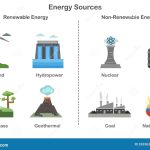
When we talk about nonrenewable energy, we’re primarily referring to fossil fuels—coal, oil, and natural gas—and nuclear energy, derived from uranium. These aren’t just commodities; they are the very foundation upon which the industrialized world has been built. They represent millions of years of geological processes, trapping vast amounts of energy that we’ve learned to harness.
Unlike solar or wind, which replenish constantly, these sources are finite. Once extracted and consumed, they’re gone forever on any human timescale. This fundamental distinction underpins the entire discussion around their advantages and disadvantages.
The Unwavering Strengths: Why Nonrenewables Have Dominated
For decades, nonrenewable energy sources have been the workhorses of global power, and for compelling reasons. Their inherent characteristics have made them incredibly attractive and, until recently, seemingly indispensable.
Consistent Power, When and Where You Need It
One of the most significant benefits is their unparalleled reliability. Nonrenewable power plants—whether coal-fired, gas-fired, or nuclear—can operate continuously, day and night, regardless of weather conditions. This consistent, on-demand supply is critical for maintaining grid stability and meeting peak demands, ensuring that hospitals, manufacturing plants, and everyday life continue uninterrupted. Fossil fuels are found in significant quantities globally, ensuring a constant power flow to established systems.
Moreover, these sources are highly scalable. Should a city’s energy demand suddenly spike, or a new industrial complex require massive power, nonrenewable plants can ramp up production relatively quickly. Modern natural gas power plants, for instance, can achieve efficiencies of up to 60%, converting a substantial portion of their fuel into usable energy. This flexibility is a cornerstone of modern energy management.
A Global Infrastructure, Ready and Waiting
The world’s energy infrastructure has evolved around nonrenewable sources. Think of the vast networks of pipelines, refineries, power plants, and transportation systems that span continents. This established infrastructure represents trillions of dollars in investment over decades, making their continued use incredibly cost-effective in the short term. According to some analyses, fossil fuels alone provide 66% of the world’s electrical power and a staggering 95% of total energy needs, underscoring the deep integration of this infrastructure. Leveraging existing assets often requires less initial capital investment than building entirely new renewable systems from scratch.
Fueling Economies and Generating Livelihoods
The nonrenewable energy sector is an economic behemoth. It creates millions of jobs globally, from exploration and extraction to refining, distribution, and maintenance. These aren’t just highly specialized roles; they support entire communities and regional economies. Revenue generated from these sources fuels economic growth, supports manufacturing, and can be a vital catalyst for developing nations looking to expand their infrastructure and improve living standards. Historically, profits from these industries have also supported technological advancements, and in some progressive cases, even funded initial investments into burgeoning renewable energy initiatives. To truly appreciate the foundational role these sources play, it’s worth exploring the specific Non-renewable energy advantages in more detail.
High Energy Density and Strategic Security
Nonrenewable fuels, particularly oil and coal, boast high energy density, meaning a small volume or mass can pack a significant amount of energy. This characteristic makes them efficient for transportation and storage. Countries with abundant nonrenewable resources can achieve greater energy independence, reducing reliance on volatile international markets and enhancing national security. The existence of a well-established global market for these sources, while sometimes volatile, also offers a certain level of stability and competitive pricing due to its mature nature.
The Inescapable Trade-offs: Navigating the Downsides
While the advantages of nonrenewable energy are clear and have shaped our world, the disadvantages are equally profound, presenting some of the most pressing challenges of our era.
The Looming Threat of Depletion
The most fundamental drawback is their finite nature. Formed over millions of years, these resources cannot be replenished on a human timescale. We are, in essence, drawing down an inherited energy bank account. While exact timelines are debated, resources like easily accessible oil, natural gas, and high-quality coal will eventually run out or become prohibitively expensive and environmentally damaging to extract. This lack of sustainability poses significant long-term energy security risks for all nations.
Environmental Footprint: Pollution and Climate Change
The extraction, processing, and combustion of fossil fuels carry a heavy environmental cost. Mining operations can devastate habitats and contaminate water sources, while oil drilling can lead to devastating spills, like the Deepwater Horizon incident, which ravaged marine ecosystems. The primary concern, however, is what happens when these fuels are burned.
Combustion releases a cocktail of harmful pollutants into the atmosphere:
Sulfur dioxide (SO2) and Nitrogen oxides (NOx): Major contributors to acid rain and smog.
Particulate matter: Fine airborne particles linked to respiratory and cardiovascular diseases.
Carbon dioxide (CO2): The single largest greenhouse gas emission from human activity, driving climate change, global warming, rising sea levels, and more frequent extreme weather events.
Nuclear energy, while not emitting greenhouse gases during operation, presents its own unique environmental challenge: the safe disposal of highly radioactive waste, which remains dangerous for thousands of years.
Health and Safety: The Human Cost
The environmental impacts directly translate into significant public health concerns. Air pollution from fossil fuel combustion is linked to millions of premature deaths globally each year, causing chronic respiratory diseases, cardiovascular conditions, and various cancers. In communities near extraction sites, residents often face higher rates of contamination-related illnesses.
Beyond pollution, the industries themselves carry inherent accident risks. Catastrophic events in coal mines, on oil rigs, or at nuclear power plants (like Chernobyl or Fukushima) can have immediate, devastating consequences for human life and long-term environmental damage.
Geopolitical Ripples and Economic Volatility
Heavy reliance on imported oil and gas exposes countries to geopolitical vulnerabilities. Supply disruptions due to political instability in producing regions, economic sanctions, or even natural disasters can lead to sudden price shocks and energy crises, impacting global markets and ordinary citizens. This reliance can also lead to an uneven playing field, where resource-rich nations exert undue influence. For example, sudden shifts in oil prices can destabilize national budgets for both exporters and importers, highlighting the precarious balance of global energy markets.
The Drag on Future Progress
Continued, massive investment in nonrenewable infrastructure can inadvertently delay the necessary transition to more sustainable, renewable energy solutions. Capital, engineering talent, and political will that could be directed towards solar, wind, geothermal, or advanced battery storage often remain tied to maintaining and upgrading existing fossil fuel systems. This can create a path dependency, making it harder and more costly to pivot when the imperative for change becomes undeniable.
Navigating the Balance: A Practical Framework for Decision Makers
Given the deep integration and profound challenges, societies face a complex balancing act. Ignoring either the pros or cons is simply not an option.
Short-Term Necessity vs. Long-Term Vision
Decision-makers must weigh immediate energy needs against the imperative for long-term sustainability. For many developing nations, nonrenewable energy provides the most accessible and affordable path to electrification and industrialization, crucial for lifting populations out of poverty. Yet, this short-term gain must be paired with strategic planning for diversification and transition. A nation might invest in natural gas to replace dirtier coal power (using natural gas as a “bridge fuel” – cleaner, though still a fossil fuel) while simultaneously building out its renewable capacity over a 10-20 year horizon.
Mitigation Strategies: Reducing the Harm
For the foreseeable future, nonrenewable energy will remain part of the global energy mix. Therefore, efforts must focus on mitigating their negative impacts:
Technological Advancements: Investing in Carbon Capture, Utilization, and Storage (CCUS) technologies to trap emissions from power plants, or developing safer, more efficient nuclear reactor designs.
Stricter Regulations: Implementing and enforcing stringent environmental regulations on extraction, refining, and emissions to minimize pollution and habitat destruction.
Efficiency Improvements: Focusing on improving energy efficiency across the board – from power generation to transmission and end-use – to reduce overall demand and waste.
Case Snippet: Germany’s Energiewende
Germany offers a compelling, albeit complex, case study. Facing the dual challenges of climate change and nuclear safety post-Fukushima, the country committed to its “Energiewende” (energy transition), aiming to phase out both nuclear and fossil fuels in favor of renewables. This ambitious plan has seen massive investment in solar and wind, significantly increasing their share of the energy mix. However, the transition has also necessitated a temporary reliance on natural gas and, at times, even coal, to ensure grid stability while renewable capacity grows. It highlights the intricate dance between policy ambition, grid reality, and public acceptance when dealing with profound energy shifts.
Quick Answers to Complex Questions
Let’s address some common questions and misconceptions about nonrenewable energy. Q: Are nonrenewable sources truly “cheaper” than renewables?
A: Historically, yes, especially when considering only the direct operational costs and relying on existing infrastructure. However, this calculation often omits significant externalities like environmental damage, health costs, and geopolitical risks. When these “social costs” are factored in, the true cost of nonrenewable energy often far exceeds its sticker price. The upfront capital cost for new renewable projects has also plummeted dramatically in recent years, making them increasingly competitive. Q: Can we run out of fossil fuels completely?
A: “Running out” is a complex concept. We may not literally deplete every last drop or lump, but we will likely reach a point where the remaining reserves are so difficult, dangerous, and expensive to extract that they become economically unviable. The challenge isn’t necessarily absolute depletion, but rather the depletion of easily accessible and affordable reserves. Q: What about “clean coal” or “safe nuclear” – aren’t these viable long-term solutions?
A: “Clean coal” typically refers to technologies like carbon capture and storage (CCS) designed to reduce emissions from coal-fired plants. While promising, CCS technologies are still costly, energy-intensive, and not yet widely deployed at scale. “Safe nuclear” refers to advancements in reactor design, like Small Modular Reactors (SMRs), which aim to be inherently safer and produce less waste. These technologies offer potential improvements, but the challenges of waste disposal, initial capital costs, and public perception remain significant hurdles for broad adoption. They improve the outlook but don’t entirely eliminate the inherent drawbacks.
Your Next Steps: Informed Energy Choices
Understanding the intricate web of nonrenewable energy sources pros and cons isn’t just for policymakers; it’s for every stakeholder. As an industry leader, an investor, or an informed citizen, your decisions can influence the trajectory of our energy future.
Consider these takeaways:
Acknowledge the Bridge: Recognize that nonrenewable sources, especially natural gas, may serve as a crucial “bridge” to a cleaner future for some regions, providing reliability during the transition.
Demand Accountability: Advocate for and support technologies and policies that mitigate the environmental and health impacts of existing nonrenewable infrastructure, such as stricter emissions standards and investment in carbon capture.
Invest in Diversification: Push for robust investment in a diversified energy portfolio that heavily favors renewable sources, energy efficiency, and grid modernization. This builds resilience against future resource depletion and price shocks.
Think Long-Term Cost: When evaluating energy projects, insist on comprehensive cost analyses that include environmental, social, and geopolitical externalities, not just immediate financial outlays.
Support Innovation: Encourage research and development in advanced energy technologies, from next-generation renewables to safer nuclear solutions and innovative storage methods, to accelerate the transition away from finite resources.
The journey towards a sustainable energy future is not a sudden leap but a series of informed, strategic steps. By deeply understanding the multifaceted role of nonrenewable energy, we can make those steps count.
I am a writer who loves renewable energy, with a focus on sustainable living, renewable energy, and eco-friendly innovation. With a passion for environmental awareness and a desire to explore the latest trends in green technology, corporate sustainability, and climate action. Through in-depth storytelling