The global energy landscape is a complex web, constantly balancing immediate needs with long-term sustainability. At its heart lies a critical tension: our reliance on non-renewable energy sources. Understanding the advantages and disadvantages of non renewable energy isn’t just an academic exercise; it’s essential for anyone involved in energy policy, industry strategy, or simply seeking to comprehend the forces shaping our planet’s future. These finite reserves power much of our modern world, offering a powerful, consistent output that has driven industrialization and global growth. Yet, their use comes with a steep price, impacting our environment, health, and geopolitical stability.
This article delves into that nuanced assessment, providing a clear, practical view of what makes non-renewable energy both indispensable and problematic.
Reliability vs. Environmental Impact: Non-renewables offer unwavering power but are major contributors to climate change and pollution.
Established Infrastructure vs. Resource Depletion: They leverage existing systems, yet their finite nature demands a transition plan.
Economic Stability vs. Geopolitical Volatility: Provide jobs and drive economies, but supply and demand significantly influence global politics.
High Energy Output vs. Toxic Waste: Deliver massive power, but some (like nuclear) produce dangerous, long-lasting waste.
Affordability (Initial) vs. Long-Term Costs: Often cheaper to extract and use initially, but externalized costs (health, environment) are immense.
Understanding the Pillars of Our Power Grid
Before we weigh the pros and cons, let’s quickly frame what we mean by non-renewable energy. These are energy sources that deplete upon consumption and cannot be naturally replenished on a human timescale. Their formation takes millions of years, making them inherently unsustainable for long-term use.
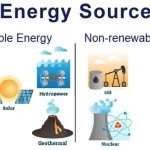
The primary types powering our world include:
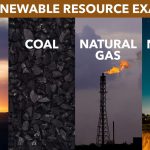
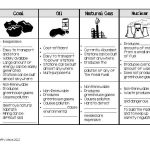
Fossil Fuels: Formed from ancient organic matter under intense heat and pressure. This category encompasses:
Coal: A solid rock burned for electricity, historically and currently a massive power source.
Petroleum (Crude Oil): A liquid fossil fuel refined into fuels like gasoline and myriad other products.
Natural Gas: Primarily methane, a gaseous fuel used for heating, cooking, and electricity, often seen as a “bridge fuel.”
Nuclear Energy: Generated by splitting atoms (fission) of radioactive elements, predominantly Uranium-235. It yields immense energy without direct greenhouse gas emissions, but relies on a finite, rare resource and creates hazardous waste.
These sources currently fulfill almost 85% of the world’s energy demands, forming the backbone of our global economy and daily lives.
The Enduring Pull: Why Non-Renewables Have Dominated
The reasons for our profound reliance on non-renewable energy are compelling, centered around practicality, power output, and economics. These are the aspects that have cemented their role for decades.
Unwavering Reliability and Consistent Output
One of the most significant advantages of non renewable energy is its sheer consistency. Unlike intermittent renewable sources like solar or wind, which depend on weather conditions, power plants running on fossil fuels or nuclear fission can operate continuously, often at or near their maximum potential. This high “capacity factor” means they provide a constant, dependable power supply, crucial for maintaining grid stability and meeting base load demand—the minimum level of demand on an electrical grid over 24 hours.
Consider a large city that needs a constant supply of electricity, regardless of whether the sun is shining or the wind is blowing. Non-renewable plants can deliver this steady flow, providing the foundational power that prevents blackouts and ensures essential services run uninterrupted. This reliability is a cornerstone of modern infrastructure. For a deeper look into these foundational benefits, you can Explore non-renewable energy benefits.
Leveraging Established Infrastructure and Lower Initial Capital
The energy sector has invested trillions into the infrastructure required for non-renewable sources. We have an extensive global network for extracting, processing, transporting (via pipelines, tankers, rail), and distributing fossil fuels and nuclear materials. This means that expanding or maintaining non-renewable energy supply often requires less initial capital investment in entirely new systems compared to building out nascent renewable grids. The existing network of power plants, refineries, and distribution channels is a powerful inertia, ensuring a ready-to-use system.
Potent Energy Output and Commercial Viability
Non-renewable sources, particularly fossil fuels and nuclear power, offer an incredibly high energy density. A relatively small amount of coal, oil, natural gas, or uranium can generate enormous amounts of electricity. This makes them highly commercially viable, as the energy derived far outweighs the cost of extraction and processing, especially in the near term. This economic efficiency has made them attractive to businesses and governments looking for cost-effective, large-scale power generation.
Economic Engines and Job Creation
The non-renewable energy sector is a massive employer, creating jobs across the entire value chain—from exploration and extraction (miners, drillers) to processing, transportation, power generation, and maintenance. These industries foster significant economic growth, contributing to national GDPs, funding public services through taxes, and driving innovation in related fields. For many communities, particularly those in resource-rich regions, the non-renewable energy industry is a vital economic pillar.
The Shadow Side: Disadvantages and Long-Term Costs
While the immediate benefits of non-renewable energy are clear, the disadvantages present a formidable challenge, often carrying environmental, social, and economic costs that are externalized or deferred.
Profound Environmental Footprint
The environmental impact of non-renewable energy is arguably its most significant drawback.
Fossil Fuels: A Climate Crisis Catalyst: The burning of coal, oil, and natural gas releases vast quantities of carbon dioxide (CO2), carbon monoxide (CO), methane, and other greenhouse gases (GHGs) into the atmosphere. These gases trap heat, leading to global warming, climate change, and its cascading effects: extreme weather events, rising sea levels, and ecosystem disruption. Beyond climate, these emissions contribute to smog, acid rain, and ozone depletion, directly impacting air quality and human health.
Widespread Pollution and Ecosystem Damage:
Oil: Spills from drilling operations, pipelines, or tanker accidents (like the Deepwater Horizon disaster or the Exxon Valdez) can devastate marine and coastal ecosystems, leading to long-term habitat destruction, poisoning wildlife, and crippling local fishing and tourism industries.
Natural Gas: While cleaner-burning than coal, its extraction through hydraulic fracturing (“fracking”) has been linked to potential groundwater contamination and even induced seismicity (mini-earthquakes), raising concerns for local communities.
Coal: Mining operations, particularly surface mining, can permanently alter landscapes, destroy habitats, and pollute waterways with toxic runoff. Burning coal releases heavy metals like mercury and arsenic, alongside particulate matter, which pose severe health risks.
Nuclear Energy: The Waste Dilemma: Nuclear power plants generate no direct CO2 emissions during operation, which is a major environmental advantage. However, the spent nuclear fuel is highly radioactive and remains extremely toxic for tens of thousands of years. Safely storing this non-degradable waste is a monumental challenge, requiring secure, long-term geological repositories to prevent leaks that could cause widespread contamination, leading to radiation sickness, cancer, and environmental devastation.
The Inevitable Scarcity: Finite and Unsustainable
By definition, non-renewable resources are finite. They deplete with every unit consumed. Coal, oil, and natural gas formed over hundreds of millions of years, a timescale far beyond human ability to replicate. Current projections suggest that at present consumption rates, oil, coal, and natural gas reserves could be significantly depleted within decades to a few centuries. Uranium, while more abundant than some estimates, is also a finite resource, limiting the long-term viability of conventional nuclear fission. This inherent scarcity makes their continued long-term reliance unsustainable, necessitating a global shift towards renewable alternatives.
High Stakes: Accidents, Health Risks, and Geopolitical Tensions
The operation of non-renewable energy facilities carries significant risks.
Accident Prone: Large-scale accidents involving fossil fuels (e.g., pipeline explosions, tanker crashes) or nuclear power (e.g., Chernobyl, Fukushima Daiichi) can have catastrophic human and environmental consequences. These events can displace populations, cause long-term health issues, and render vast areas uninhabitable or unusable for decades.
Health and Safety Risks: Beyond major accidents, the routine operations pose health hazards. Workers in coal mines face risks from collapses, explosions, and chronic lung diseases like black lung from inhaling coal dust. Exposure to harmful substances during extraction and processing of all fossil fuels can lead to various illnesses.
Weaponization Risk (Nuclear): The technology and materials used for nuclear energy can also be repurposed for nuclear weapons, posing a grave threat to global security and stability. This dual-use nature necessitates strict international oversight and non-proliferation efforts.
Economic and Geopolitical Influence: The global demand for finite fossil fuels creates intense competition and can lead to geopolitical instability. Countries rich in these resources often gain significant leverage, while import-dependent nations can be vulnerable to supply disruptions or price volatility. This dynamic has historically fueled conflicts and shaped international relations.
Navigating the Energy Crossroads: A Practical Playbook
For policymakers, industry leaders, and even individual communities, understanding the nuanced advantages and disadvantages of non renewable energy isn’t abstract; it informs critical decisions. The immediate challenge is how to maintain energy security and economic stability today while transitioning to a sustainable future.
The “Bridge Fuel” Strategy: A Double-Edged Sword
Natural gas is often touted as a “bridge fuel” – cleaner than coal, but still a fossil fuel. The strategy is to use it to reduce coal emissions while renewables scale up.
Consideration: While natural gas emits less CO2 than coal when burned, methane (the primary component of natural gas) is a potent greenhouse gas, and fugitive emissions during extraction and transport can significantly offset its climate benefits.
Actionable Advice: Any reliance on natural gas as a bridge must be coupled with rigorous leak detection and repair protocols to minimize methane emissions, alongside aggressive investment in renewable alternatives to ensure the “bridge” doesn’t become a permanent pathway.
Decommissioning and Legacy Costs
When considering a non-renewable plant, especially nuclear, the full lifecycle costs must be assessed, including decommissioning and waste management.
Consideration: Decommissioning a large power plant, particularly a nuclear one, is an incredibly expensive and time-consuming process that can take decades and costs billions. This cost often isn’t fully factored into initial project economics.
Actionable Advice: Future energy investments must include robust, funded plans for decommissioning and long-term waste storage from the outset, rather than deferring these critical responsibilities. Ignoring these “tail-end” costs distorts the true economic picture.
Balancing Energy Security with Climate Goals
Many nations face the dilemma of securing reliable power while meeting climate targets.
Scenario: A country heavily reliant on coal faces pressure to decarbonize. Replacing all coal capacity with renewables immediately might be technically and economically unfeasible without compromising grid stability.
Practical Step: A phased approach is often necessary:
Efficiency First: Aggressive energy efficiency programs reduce overall demand.
Strategic Replacement: Replace the dirtiest coal plants with cleaner (but still fossil) natural gas or, ideally, dispatchable renewables (like geothermal or hydro) or battery storage-backed renewables where possible.
Accelerated Renewable Investment: Rapidly deploy solar, wind, and storage, supported by grid modernization.
Carbon Capture (Limited Role): Invest in carbon capture, utilization, and storage (CCUS) for hard-to-abate industrial emissions, recognizing its limitations and high cost for power generation.
Quick Answers: Addressing Common Non-Renewable Energy Questions
Are non-renewable energies truly cheaper than renewables?
Initially, and when only considering direct production costs, non-renewables (especially existing fossil fuel plants) can appear cheaper due to established infrastructure and high energy output. However, this assessment often fails to account for “externalized costs”—the environmental damage, public health impacts, and climate change consequences that society bears. When these costs are factored in, renewables often become more economically favorable in the long run.
How long will non-renewable energy sources actually last?
Estimates vary, but current projections suggest that at present consumption rates, the primary fossil fuels (oil, natural gas, and coal) could largely deplete within decades to a few centuries. Oil and natural gas are projected to be significantly depleted within the next 50-70 years, while coal might last longer, perhaps 100-200 years. Uranium for nuclear power is more abundant but still finite. This finite nature, coupled with the long formation times, underscores the urgency of transitioning to sustainable alternatives.
Can we make non-renewable energy clean?
While technologies like Carbon Capture, Utilization, and Storage (CCUS) aim to capture CO2 emissions from fossil fuel plants, they are expensive, energy-intensive, and currently only capture a fraction of emissions. They do not address other pollutants or the fundamental issue of finite resources. Nuclear power offers carbon-free electricity but generates highly dangerous radioactive waste, which is a different kind of “unclean” challenge. True “clean energy” generally refers to sources that produce minimal to zero emissions and are naturally replenishing.
What role will nuclear energy play in the future energy mix?
Nuclear power presents a complex paradox: high energy output, zero operational carbon emissions, and reliability. However, the risks of accidents, the challenge of radioactive waste disposal, and the weaponization potential are significant hurdles. As the world decarbonizes, nuclear energy is likely to continue playing a role as a reliable, dispatchable power source, especially with the development of advanced reactor designs and improved waste management. Its expansion, however, will be critically dependent on public acceptance, safety innovations, and robust regulatory frameworks.
Charting the Course Ahead: Balancing Today’s Needs with Tomorrow’s Imperatives
The advantages and disadvantages of non renewable energy paint a clear picture: they have propelled human progress and continue to provide critical power, but at a cost that is increasingly unsustainable. Our global energy future isn’t about an abrupt, total abandonment of these sources overnight, but rather a strategic, deliberate transition.
This transition involves intelligent investments in renewable energy technologies, grid modernization, energy efficiency, and potentially, advanced nuclear solutions. It requires a pragmatic understanding that the balance sheet for non-renewables is shifting; their immediate benefits are being steadily outweighed by their long-term environmental, health, and geopolitical costs. The imperative now is to harness the reliable power they still offer while aggressively accelerating our shift towards a truly sustainable, renewable energy future.
I am a writer who loves renewable energy, with a focus on sustainable living, renewable energy, and eco-friendly innovation. With a passion for environmental awareness and a desire to explore the latest trends in green technology, corporate sustainability, and climate action. Through in-depth storytelling