Non-renewable energy sources have undeniably fueled centuries of progress, powering our homes, industries, and transportation systems. Yet, as our understanding of global impacts deepens, it’s increasingly critical to dissect why is non renewable energy bad for the delicate balance of our planet and the prospects of future generations. The convenience and reliability these sources offer come with a steep, often unseen, cost that compounds over time, demanding our urgent attention and thoughtful action.
At a Glance: Understanding the Downside of Non-Renewables
Finite Resources: Non-renewables are exhaustible; their formation took millions of years, far outstripping our consumption rate.
Environmental Degradation: Extraction and burning cause widespread habitat destruction, air pollution, and water contamination.
Catalyst for Climate Change: Primarily through greenhouse gas emissions, they accelerate global warming and extreme weather events.
Geopolitical Instability: Dependence on specific regions for these resources often fuels international conflict and market volatility.
Long-term Toxic Waste: Nuclear power, while low-carbon, produces hazardous waste requiring millennia of secure storage.
Disproportionate Impact: Pollution and climate effects tend to hit marginalized communities hardest, raising social justice concerns.
The True Cost: Environmental Scars and Planetary Strain
Our reliance on non-renewable energy isn’t just a matter of finite supply; it’s a persistent assault on the natural world, leaving indelible scars. The process begins not with consumption, but with extraction.
Habitat Destruction and Resource Contamination
Mining and drilling operations for fossil fuels and uranium often obliterate vast natural landscapes. Think of mountaintop removal coal mining, which literally flattens peaks and buries valleys, destroying entire ecosystems. Similarly, extensive deforestation occurs to access underground reserves, leading to habitat loss for countless species.
Beyond direct destruction, extraction processes frequently contaminate soil and water. Oil spills, whether from offshore rigs or pipelines, devastate marine life and coastal communities, as seen in the infamous Deepwater Horizon incident. Uranium mining can leave behind radioactive tailings that leach into water sources, posing long-term health risks to surrounding populations.
A Breath of Foul Air: Pollution from Combustion
The burning of fossil fuels is a major contributor to air pollution. Coal-fired power plants, for example, release a cocktail of harmful substances:
Carbon Dioxide (CO2): The primary greenhouse gas driving climate change.
Sulfur Dioxide (SO2): A key component of acid rain, which damages forests, lakes, and infrastructure.
Nitrogen Oxides (NOx): Contribute to smog, acid rain, and respiratory illnesses.
Particulate Matter: Tiny airborne particles that can penetrate deep into the lungs, causing respiratory and cardiovascular diseases.
These pollutants don’t just affect the immediate vicinity; they travel long distances, impacting air quality across continents and contributing to respiratory diseases like asthma and bronchitis, particularly in urban areas.
The Unseen Threat: Nuclear Waste
While nuclear energy avoids direct greenhouse gas emissions during operation, it presents a unique and profound environmental challenge: radioactive waste. The spent fuel from nuclear reactors remains highly radioactive and toxic for tens to hundreds of thousands of years. Storing this material safely requires exceptionally robust, long-term geological repositories, a problem that humanity has yet to definitively solve on a global scale. Accidents, though rare, can have catastrophic, widespread, and long-lasting consequences, as tragically demonstrated by Chernobyl and Fukushima.
Fueling the Fire: Non-Renewables and Climate Change
Perhaps the most significant and far-reaching consequence of non-renewable energy consumption is its role in accelerating climate change. The scientific consensus is clear: the vast majority of human-caused global warming stems from the release of greenhouse gases (GHGs).
The Greenhouse Effect on Overdrive
When fossil fuels like coal, oil, and natural gas are burned, they release enormous quantities of carbon dioxide (CO2), methane (CH4), and nitrous oxide (N2O) into the atmosphere. These gases act like a blanket, trapping heat and causing the Earth’s average temperature to rise. This isn’t just about warmer days; it’s about a fundamental shift in our planet’s climate systems.
Rising Global Temperatures: Leading to melting glaciers and ice caps, contributing to sea level rise.
Extreme Weather Events: More frequent and intense heatwaves, droughts, floods, wildfires, and severe storms.
Sea Level Rise: Threatening coastal communities, ecosystems, and infrastructure worldwide.
Ocean Acidification: Oceans absorb a significant portion of atmospheric CO2, making them more acidic. This harms marine life, particularly organisms with shells or skeletons, disrupting food webs.
Our continued reliance on these sources pushes us further past critical tipping points, making the planet increasingly unpredictable and less hospitable.
The Scarcity Trap: Depletion and Conflict
The very definition of “non-renewable” underscores a fundamental problem: these resources are finite. They cannot be replaced within a human timescale.
Counting Down the Reserves
While precise figures are debated and constantly updated with new discoveries and technologies, the stark reality is that we are consuming fossil fuels much faster than they formed. Estimates from 2015, for instance, projected approximately 51 years of oil, 114 years of coal, and 53 years of natural gas reserves left at that time. Some forecasts predict oil depletion as early as 2052.
As easily accessible reserves dwindle, extraction becomes more challenging, environmentally destructive, and expensive. This scarcity inevitably leads to:
Increased Costs: Higher prices for energy, impacting consumers and industries globally.
Geopolitical Tensions: Major reserves are often concentrated in specific, sometimes politically unstable, regions. This creates competition, dependency, and vulnerability for import-dependent nations, frequently escalating into international disputes and conflicts over access to vital resources.
Economic Volatility: The global economy remains heavily sensitive to the fluctuating prices of fossil fuels, driven by geopolitical events, supply disruptions, and speculative trading. These price swings create instability, making long-term economic planning difficult. While it’s true that Advantages of non-renewable energy include their historical role in delivering reliable and affordable power, their finite nature and associated environmental costs cast a long shadow over their long-term viability and affordability.
The Social Justice Dimension
The negative impacts of non-renewable energy production and climate change are not felt equally. Marginalized communities, often low-income populations and communities of color, disproportionately bear the brunt. They are more likely to live near polluting industrial sites, suffer from poor air and water quality, and lack the resources to recover from extreme weather events. This exacerbates existing inequalities, highlighting a critical social justice component to our energy choices.
Diving Deeper: Specific Non-Renewable Impacts
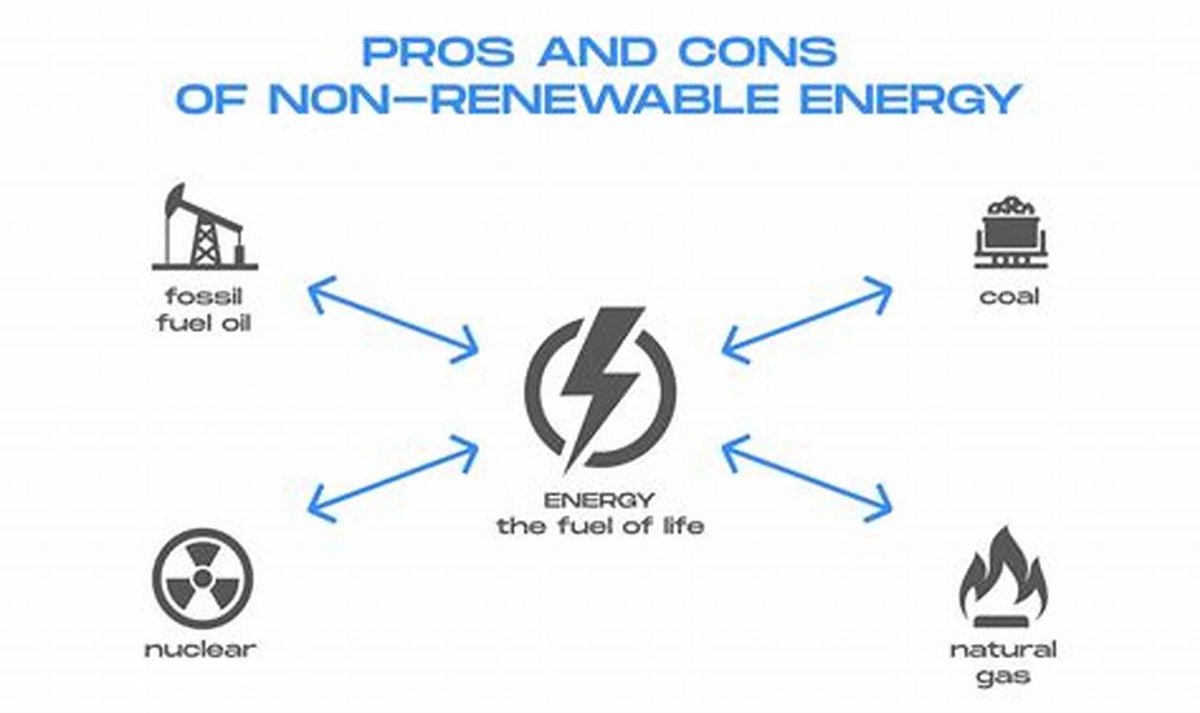
Each primary non-renewable energy source carries its own specific set of environmental and social baggage.
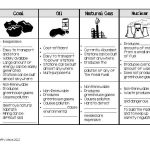
Coal: The Dirtiest Fossil Fuel
Coal, a black sedimentary rock, has been a cornerstone of industrialization but comes at a severe price.
Mining Hazards: Underground coal mining is notoriously dangerous, leading to accidents and chronic respiratory diseases for miners. Surface mining, including mountaintop removal, completely reshapes landscapes, destroys habitats, and pollutes water with heavy metals.
Toxic Emissions: Beyond CO2, burning coal releases significant amounts of sulfur dioxide (contributing to acid rain), nitrogen oxides (smog), mercury (a neurotoxin), and various heavy metals, all of which are highly detrimental to human health and ecosystems.
Petroleum (Oil): Spills and Emissions
Crude oil, a liquid fossil fuel, is critical for transportation and countless products.
Drilling Impacts: Land-based drilling can fragment habitats, while offshore drilling carries the risk of massive oil spills.
Oil Spills: Disasters like the Exxon Valdez or Deepwater Horizon have catastrophic consequences for marine ecosystems, wildlife, and coastal economies, taking decades to even partially recover.
Combustion Emissions: About half of all crude oil is refined into gasoline, which, when burned in vehicles, releases hazardous gases including carbon monoxide, nitrogen oxides, and volatile organic compounds, contributing to urban smog and respiratory problems.
Natural Gas: Cleaner, But Not Clean
Primarily methane, natural gas is often touted as a “cleaner” fossil fuel. While it produces less CO2 per unit of energy than coal or oil when burned, its extraction methods and methane leakage are significant concerns.
Hydraulic Fracturing (Fracking): This method involves injecting high-pressure water, sand, and chemicals into shale rock formations to release gas. Fracking has been linked to potential groundwater contamination, increased seismic activity (mini-earthquakes), and the significant use of freshwater resources.
Methane Leaks: Methane is a potent greenhouse gas—over 80 times more powerful than CO2 over a 20-year period. Leaks from natural gas wells, pipelines, and infrastructure contribute substantially to atmospheric methane concentrations, undermining its “cleaner” claim.
Nuclear Energy: The Double-Edged Sword
Nuclear power generates electricity through nuclear fission, using uranium (U-235).
Uranium Mining: The mining and processing of uranium can be environmentally destructive, consuming significant energy and water, and producing radioactive waste.
Radioactive Waste: As mentioned, the main drawback is the long-lived, highly dangerous radioactive waste that requires secure, long-term disposal solutions that remain contentious and costly.
Accident Risk: Although rare, nuclear accidents like Chernobyl or Fukushima illustrate the potential for widespread, devastating, and long-lasting contamination, making public acceptance a constant challenge.
Charting a Course: Protecting Resources and Transitioning to a Sustainable Future
Understanding why is non renewable energy bad isn’t just about identifying problems; it’s about galvanizing action. Transitioning away from these harmful sources is an imperative, not an option, and it requires a multi-faceted approach.
The Practical Playbook for a Cleaner Future
Implementing a sustainable energy strategy demands effort at every level, from individual choices to global policies.
Prioritize Energy Efficiency:
At Home: Upgrade to energy-efficient appliances (look for ENERGY STAR ratings), seal drafts, improve insulation, and adopt mindful consumption habits (e.g., turning off lights, unplugging electronics).
In Industry: Optimize industrial processes, recover waste heat, and invest in more efficient machinery to reduce overall energy demand.
In Transport: Opt for fuel-efficient vehicles, public transportation, cycling, or walking.
Accelerate Alternative Energy Adoption:
Invest in Renewables: Actively support and implement solar, wind, hydropower, and geothermal energy projects. These sources harness naturally replenishing processes and produce minimal to no greenhouse gas emissions during operation.
Policy Support: Advocate for policies that incentivize renewable energy development, such as tax credits, feed-in tariffs, and streamlined permitting processes.
Champion Conservation:
Reduce Waste: This goes beyond energy; it’s about reducing overall consumption of goods and services that have energy-intensive production cycles.
Research & Development: Fund innovative renewable energy technologies and energy storage solutions that can overcome current limitations.
Environmental Regulations: Enforce strict regulations on pollution, emissions, and waste management from existing non-renewable operations to mitigate their immediate harm.
Develop Robust Energy Storage Solutions:
Battery Technology: Invest in advanced battery storage (e.g., lithium-ion, solid-state) to store intermittent renewable energy (like solar or wind) for use when the sun isn’t shining or the wind isn’t blowing.
Pumped Hydro: Utilize existing or new pumped-hydro storage facilities, which use excess electricity to pump water uphill to a reservoir, releasing it through turbines to generate power when needed.
Implement Carbon Pricing Mechanisms:
Carbon Taxes: Place a direct tax on carbon emissions, making polluting activities more expensive and incentivizing cleaner alternatives.
Cap-and-Trade Systems: Establish a cap on total emissions and allow companies to buy and sell emission allowances, creating a market-based incentive to reduce emissions. These mechanisms internalize the environmental costs of non-renewables, which are currently externalized.
Empower Individual Action:
Reduce Personal Footprint: Drive less, fly less, reduce meat consumption, and support local, sustainable businesses.
Advocate for Change: Engage with policymakers, vote for environmentally conscious leaders, and support organizations working on climate solutions.
Educate Others: Share knowledge about the impacts of non-renewables and the benefits of sustainable practices.
Quick Answers: Common Questions About Non-Renewable Energy
Q: Are non-renewable energy sources always cheaper than renewables?
A: Historically, non-renewables have often appeared cheaper due to established infrastructure and externalized costs (environmental damage, health impacts). However, the cost of renewables (like solar and wind) has fallen dramatically, often outcompeting new fossil fuel plants on a levelized cost of energy basis. When factoring in the true societal costs of pollution, climate change, and geopolitical instability, non-renewables are far from cheap. Q: Isn’t nuclear energy a clean alternative since it doesn’t emit greenhouse gases?
A: While nuclear power plants don’t emit greenhouse gases during operation, their “clean” label is contentious. Uranium mining and processing are energy-intensive and can cause environmental degradation. Most critically, the long-term storage of highly radioactive waste poses an immense and unsolved challenge, with risks of contamination for millennia. Accidents, though rare, can be catastrophic. Q: Can’t we just find more non-renewable resources as current ones deplete?
A: New discoveries and improved extraction technologies (like fracking) can extend reserves, but the fundamental fact remains: these resources are finite. Each new, harder-to-reach reserve typically comes with higher extraction costs, greater environmental impact, and diminishing returns. It’s a temporary deferral, not a solution to resource depletion. Q: What about carbon capture technology? Can that make fossil fuels clean?
A: Carbon capture and storage (CCS) technologies aim to capture CO2 emissions from power plants and industrial facilities and store them underground. While promising in theory, CCS is currently expensive, energy-intensive, and faces challenges with scalability and long-term storage reliability. It’s often viewed as a bridge technology, but not a silver bullet that makes continued heavy reliance on fossil fuels sustainable.
Towards a Resilient Energy Future
The journey from a non-renewable dominant energy system to a sustainable, renewable one is complex, demanding innovative solutions and collective resolve. Understanding why is non renewable energy bad isn’t an indictment of past progress, but a critical roadmap for future prosperity. It compels us to make informed decisions about our energy sources, recognizing that the choices we make today will echo for generations, shaping the health of our planet and the quality of human life on it. By actively embracing efficiency, conservation, and renewable technologies, we can mitigate the damaging impacts of our current energy portfolio and build a more resilient, equitable, and cleaner energy future for all.
I am a writer who loves renewable energy, with a focus on sustainable living, renewable energy, and eco-friendly innovation. With a passion for environmental awareness and a desire to explore the latest trends in green technology, corporate sustainability, and climate action. Through in-depth storytelling