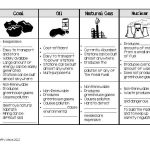
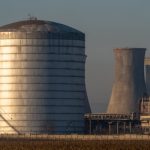
Despite their capacity to deliver reliable, round-the-clock power, the disadvantages of non renewable sources present a stark reality that we, as a global society, can no longer afford to overlook. While fossil fuels and nuclear energy have powered industrial revolutions and modern life, their finite nature and profound environmental impacts demand a critical assessment. It’s a trade-off where immediate convenience often comes at a steep, long-term cost, jeopardizing our planet and future generations.
Finite Resources: Non-renewables are exhaustible, leading to eventual depletion, price volatility, and potential energy crises.
Climate Catastrophe: Burning fossil fuels releases vast amounts of greenhouse gases, directly fueling climate change and extreme weather.
Widespread Pollution: From toxic air and water contamination to massive land degradation, their extraction and use scar our environment.
Health Impacts: Pollutants contribute to severe respiratory and cardiovascular diseases, impacting public health globally.
Geopolitical Instability: Uneven distribution of reserves often ignites international tensions and economic vulnerabilities.
Nuclear Waste Challenge: Nuclear energy leaves behind highly radioactive waste requiring secure, long-term storage for millennia.
Understanding the Finite Reality
Non-renewable energy refers to sources that exist in limited quantities and cannot naturally replenish on a human timescale. Formed over millions of years from ancient organic matter or through geological processes, these resources are fundamentally finite. Once exhausted, they’re gone forever.
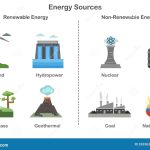
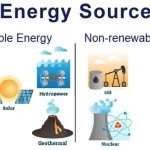
This category primarily includes:
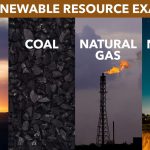
Fossil Fuels: Formed from prehistoric plants and animals.
Coal: Solid fuel, primarily for electricity and industrial heat.
Oil (Petroleum): Liquid fuel, refined into gasoline, diesel, jet fuel, and petrochemicals for transportation and manufacturing.
Natural Gas: Gaseous fuel (mostly methane), used for heating, cooking, and electricity generation.
Nuclear Fuels: Utilized in power plants for electricity.
Uranium & Plutonium: Mined elements that undergo fission to release energy.
While these sources have provided the backbone for our energy infrastructure for centuries, it’s crucial to understand the inherent downsides embedded in their very nature.
The Unavoidable Costs: Primary Disadvantages of Non-Renewable Sources
When we look at the energy landscape, it’s clear that the foundational reliability of non-renewable sources comes with a significant bill. These aren’t just minor inconveniences; they’re systemic challenges that impact our environment, health, and global stability.
A Finite Well: The Depletion Dilemma
The most fundamental disadvantage of non-renewable sources is their finite nature. Unlike solar or wind, these resources are not regenerating. We’re drawing from a fixed reservoir, meaning they will eventually run out.
This scarcity creates a domino effect. As reserves diminish, extraction becomes more complex and expensive, leading to price volatility in global markets. Think about the “peak oil” debates of past decades; while predictions vary, the underlying truth remains: these resources are limited. This looming depletion creates long-term energy insecurity and economic instability for nations heavily reliant on them, driving a constant, underlying tension in global markets.
The Air We Breathe: Climate Change and Pollution
Perhaps the most recognized and devastating of the disadvantages of non renewable sources is their environmental footprint, particularly concerning atmospheric pollution.
Greenhouse Gas Emissions
The combustion of fossil fuels (coal, oil, and natural gas) releases colossal amounts of greenhouse gases into the atmosphere. Carbon dioxide (CO2) is the primary culprit, but methane (CH4) from natural gas leaks and incomplete combustion also plays a significant role. These gases trap heat, leading to global warming, which in turn causes:
Rising global temperatures: Leading to more frequent and intense heatwaves.
Melting ice caps and glaciers: Contributing to rising sea levels.
Extreme weather events: Increased frequency and severity of storms, droughts, and floods.
This isn’t an abstract future threat; its impacts are already evident worldwide, from coastal erosion to agricultural disruptions.
Local Air Quality Degradation
Beyond climate change, burning fossil fuels directly contributes to poor local air quality. Power plants and vehicle exhaust emit particulate matter, sulfur dioxide (SO2), and nitrogen oxides (NOx). These pollutants are responsible for:
Respiratory Diseases: Aggravating asthma, bronchitis, and contributing to lung cancer.
Cardiovascular Problems: Increasing the risk of heart attacks and strokes.
Acid Rain: SO2 and NOx react with water vapor to form acid rain, damaging forests, aquatic ecosystems, and infrastructure.
Consider major industrial cities or regions heavily reliant on coal power; their skies often bear the visible and invisible burden of these emissions, directly impacting the health of millions.
Polluting Our Planet: Water and Land Degradation
The environmental damage extends far beyond the air, deeply scarring our water bodies and land.
Water Contamination
The extraction, processing, and transportation of fossil fuels pose significant risks to water resources. Oil spills, like the infamous Deepwater Horizon incident, can devastate marine ecosystems for decades. Pipeline leaks, though often smaller, are far more frequent and can contaminate soil and groundwater. Furthermore, wastewater from coal mining and hydraulic fracturing (fracking) for oil and gas can introduce heavy metals, salts, and other toxic chemicals into rivers, lakes, and aquifers, harming aquatic life and rendering water unsafe for human consumption.
Land Scars & Habitat Destruction
Mining operations, particularly for coal (e.g., open-pit mining, mountaintop removal), cause large-scale, irreversible disturbances to landscapes. These practices involve removing entire forest ecosystems, displacing wildlife, and destroying natural habitats. The resulting soil erosion can degrade agricultural land and increase sediment runoff into water bodies. The extraction of oil and gas also requires extensive infrastructure, including roads, drilling pads, and pipelines, leading to deforestation and fragmentation of vital ecosystems, contributing to biodiversity loss.
Beyond Environmental: Broader Implications and Risks
The ramifications of relying on non-renewable sources extend beyond ecological damage, touching on human well-being, national security, and long-term societal stability.
Health and Safety: Direct Human Impact
The pollutants released by non-renewable energy sources directly translate into significant health risks for human populations. Beyond the respiratory and cardiovascular issues already mentioned, chronic exposure to airborne toxins from power plants and industrial facilities has been linked to increased incidences of various cancers and neurological disorders.
Moreover, the entire lifecycle of non-renewable energy carries inherent accident risks:
Oil Spills: From offshore rigs to tanker accidents, these can cause immediate environmental catastrophe and long-term health effects for coastal communities.
Pipeline Leaks and Explosions: These can lead to significant property damage, injuries, and fatalities.
Nuclear Meltdowns: While rare, events like Chernobyl and Fukushima demonstrate the catastrophic potential of nuclear accidents, releasing widespread radiation and rendering vast areas uninhabitable for generations.
Resource Wars: Geopolitical Instability
Non-renewable energy reserves, particularly oil and natural gas, are unevenly distributed across the globe. This concentration in specific regions creates a complex web of geopolitical dependencies and vulnerabilities. Nations reliant on imports can become susceptible to supply disruptions, price manipulation, and political leverage by producer states.
Historically, the competition for control over these finite resources has been a major driver of international tensions, conflicts, and proxy wars. Economic vulnerabilities arise when a nation’s energy security is tied to volatile global markets and the political whims of other countries. This dynamic underscores a significant disadvantage: the inherent link between energy policy and foreign policy, often leading to instability rather than cooperation.
For a broader perspective on the energy debate, including how these sources have historically delivered consistent power, you might find it helpful to explore the Non-renewable energy advantages. Understanding both sides of the coin is crucial for informed energy decisions.
The Nuclear Question: Waste and Risk
While nuclear power offers a low-carbon alternative to fossil fuels, it introduces a unique set of disadvantages, primarily concerning its waste products. Nuclear fission creates highly radioactive waste, which remains dangerous for tens of thousands to hundreds of thousands of years.
Managing and disposing of this waste poses immense technical and ethical challenges. Secure, long-term storage facilities are difficult to site and expensive to maintain, raising concerns about environmental contamination and security over millennia. Furthermore, the materials used in nuclear power (uranium, plutonium) carry the risk of nuclear proliferation, meaning they could potentially be diverted for use in nuclear weapons, adding a critical layer of global security concern.
Mitigating the Impact: Strategies for a Transition
Given the profound disadvantages of non renewable sources, proactive strategies are essential to manage their current use and transition towards more sustainable alternatives. This isn’t just about switching energy types; it’s about a holistic approach to energy consumption and production.
Energy Efficiency: The First Line of Defense
One of the most immediate and effective ways to mitigate the impact of non-renewable energy is to simply use less of it. Improving energy efficiency across all sectors reduces demand, thereby decreasing the need for extraction and combustion.
Buildings: Upgrading insulation, using energy-efficient appliances (e.g., LED lighting, smart thermostats), and optimizing HVAC systems can drastically cut energy consumption in homes and commercial properties.
Transportation: Promoting fuel-efficient vehicles, investing in public transportation, and encouraging active travel (walking, cycling) can reduce reliance on gasoline and diesel.
Industry: Adopting advanced manufacturing processes, waste heat recovery systems, and optimizing industrial machinery minimizes energy input for the same output.
Even small behavioral changes, like turning off lights or unplugging chargers, contribute to this collective effort.
Investing in Tomorrow: Renewable Alternatives
The long-term solution lies in a robust transition to renewable energy sources. Investing heavily in technologies like solar, wind, hydro, and geothermal power helps reduce our dependence on finite, polluting alternatives.
This transition requires:
Policy Support: Government incentives, mandates, and supportive regulations to accelerate the deployment of renewables.
Research and Development: Continuous innovation to improve the efficiency, affordability, and storage capabilities of renewable technologies.
Infrastructure Upgrades: Modernizing grids to handle intermittent renewable generation and investing in energy storage solutions.
Consider Germany’s Energiewende or California’s aggressive renewable portfolio standards—these initiatives showcase how sustained investment and policy can drive a significant shift away from non-renewables.
Conservation: Extending Our Lifeline
Conservation is not just about efficiency; it’s about a broader philosophy of responsible resource management. It acknowledges the limited supply of non-renewable sources and aims to prolong their availability while minimizing their ecological consequences.
Waste Reduction & Recycling: Reducing consumption of goods, especially those manufactured with energy-intensive processes, and recycling materials significantly lowers the energy footprint.
Sustainable Consumption: Making conscious choices about products and services, prioritizing those with lower environmental impacts.
Water Conservation: As water is a key resource in many non-renewable energy processes, conserving it indirectly reduces demand for these energy forms.
By consciously conserving resources, we ensure a more stable supply for future generations and buy critical time for the full transition to sustainable energy systems.
Quick Answers: Addressing Common Concerns
Here are some concise answers to frequently asked questions about the disadvantages of non-renewable sources. Q: Are non-renewable sources completely “bad”?
A: Not entirely. They’ve provided reliable, high-density power for centuries, enabling rapid industrialization and maintaining grid stability. However, their significant environmental, health, and geopolitical disadvantages, especially long-term, highlight the urgent need for a transition. Q: How quickly are we depleting these resources?
A: Depletion rates vary significantly by resource and global consumption patterns. While specific “end dates” are debated and can shift with new discoveries or technological advancements, the fundamental truth remains: they are finite and being consumed far faster than they can ever regenerate naturally. Q: What’s the biggest challenge with nuclear waste?
A: The primary challenge is the extreme longevity of its radioactivity. Nuclear waste remains hazardous for tens of thousands to hundreds of thousands of years, requiring incredibly stable, secure, and permanent geological repositories that can withstand natural disasters and human intrusion over vast timescales. Q: Can carbon capture technology solve the fossil fuel problem?
A: Carbon capture and storage (CCS) technologies aim to capture CO2 emissions from power plants and industrial facilities before they enter the atmosphere, then store them underground. While CCS holds promise for specific industries, it’s currently expensive, energy-intensive, and faces challenges regarding storage capacity and long-term integrity. It can be a part of the solution, but it’s not a complete panacea that negates all the other disadvantages of fossil fuels.
Charting a Sustainable Path Forward
Understanding the profound disadvantages of non renewable sources isn’t about condemnation; it’s about informed decision-making for our collective future. From the undeniable reality of depletion to the catastrophic risks of climate change, pollution, and geopolitical instability, the true costs of our current energy reliance are immense. These challenges underscore why a rapid and strategic shift towards renewable energy, coupled with aggressive efficiency and conservation efforts, is not merely an option but an imperative.
Every decision, from individual energy consumption choices to national energy policies, shapes this trajectory. By acknowledging the full spectrum of impacts and actively pursuing sustainable alternatives, we can build a more resilient, healthier, and equitable energy future for generations to come. The path forward is clear: reduce demand, conserve what we have, and invest boldly in the power of tomorrow.
I am a writer who loves renewable energy, with a focus on sustainable living, renewable energy, and eco-friendly innovation. With a passion for environmental awareness and a desire to explore the latest trends in green technology, corporate sustainability, and climate action. Through in-depth storytelling