Making informed decisions about our energy future means truly grasping the advantages and disadvantages of renewable and nonrenewable energy sources. It’s not a simple case of good versus bad, but rather a complex balance of reliability, environmental impact, cost, and long-term sustainability. The choices we make today, from global policy to individual consumption, hinge on understanding these fundamental trade-offs.
Core Distinction: Renewable energy replenishes naturally; nonrenewable is finite or takes eons to form.
Nonrenewable Strengths: Offers reliable, high-density power with established infrastructure, often at lower initial costs.
Nonrenewable Weaknesses: Drives climate change, causes pollution, depletes finite resources, and is vulnerable to market volatility.
Renewable Strengths: Sustainable, produces minimal operational emissions, fosters energy independence, and costs are rapidly decreasing.
Renewable Weaknesses: Intermittent, requires significant initial investment and new infrastructure (including storage), and has lifecycle environmental impacts.
The Path Forward: Demands a balanced, hybrid approach, integrating diverse sources with smart grid technology and robust storage solutions.
Understanding Our Energy Sources: The Fundamental Divide
At its heart, the energy debate revolves around two distinct types of resources. Renewable resources are those that replenish naturally on a human timescale – think solar, wind, and hydropower, continuously renewed by the Earth’s processes. They are sustainable and, if managed responsibly, can be used indefinitely.
Conversely, nonrenewable resources are either finite or replenish over geological timescales far exceeding human lifespans. Once we burn a lump of coal or extract a barrel of oil, it’s essentially gone for good. This fundamental difference in replenishment rate underpins nearly all the advantages and disadvantages we experience. For instance, the sheer reliability and established infrastructure of nonrenewable sources often deliver reliable and affordable power, a key reason they’ve dominated our energy mix for so long. For a deeper dive into these specific benefits, you might want to explore the Advantages of non-renewable power.
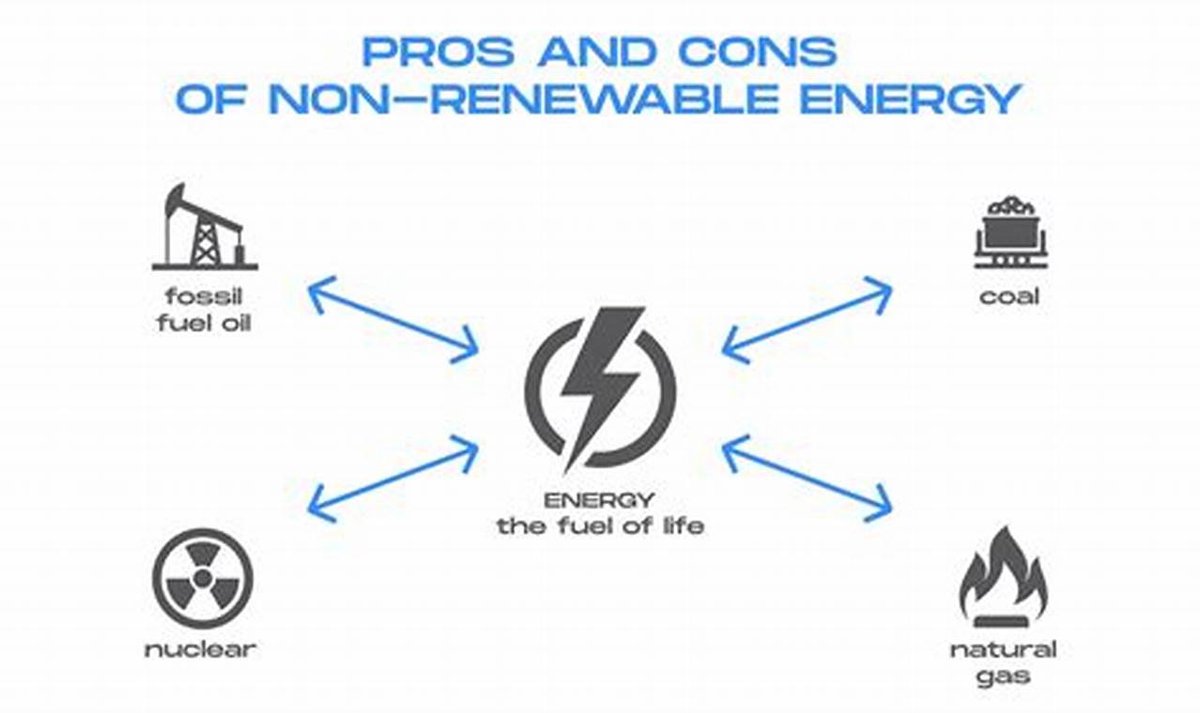
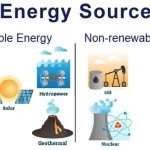
Examples of renewables include solar, wind, hydropower, biomass, geothermal, tidal, and wave energy. Nonrenewables encompass fossil fuels like coal, crude oil, natural gas, and nuclear energy (from uranium fission). Minerals like gold and copper, and even sand and topsoil, also fall into the nonrenewable category due to their slow formation rates or limited supply.
A special case is water: while the hydrological cycle makes it naturally renewable, factors like overuse of groundwater, severe pollution, or prolonged droughts can make local water resources functionally nonrenewable. For example, aquifers in agricultural regions often see extraction rates far exceeding natural recharge, effectively depleting them over time.
The Unwavering Backbone: Advantages of Nonrenewable Energy
Nonrenewable energy sources, particularly fossil fuels, have long been the bedrock of global power grids for compelling reasons. Their inherent characteristics offer distinct advantages that have historically driven industrialization and societal development.
Reliable and Consistent Power Delivery
Perhaps the most significant advantage of nonrenewable sources like coal, natural gas, and nuclear power is their unwavering reliability. These power plants can operate continuously, 24/7, providing what’s known as “baseload” power. This consistent output ensures a stable supply to meet constant energy demands, unlike intermittent renewable sources. For instance, a natural gas plant can quickly ramp up or down to meet fluctuations, offering crucial grid stability. In 2022, coal-fired plants alone generated approximately 36% of global electricity, underscoring their critical role in consistent power provision.
Established Infrastructure and Mature Technology
The infrastructure for nonrenewable energy—extraction sites, pipelines, refineries, power plants, and distribution networks—is incredibly extensive and well-established globally. This means the technology is mature, widely understood, and largely optimized for efficiency. Billions have been invested over decades, creating a system that requires less immediate capital outlay for expansion compared to building entirely new renewable grids. This robust system makes integration of new nonrenewable sources relatively straightforward.
High Energy Density and Scalability
Fossil fuels boast incredibly high energy density. A small amount of coal, oil, or natural gas can release a tremendous amount of energy. This characteristic makes them highly efficient for transportation and large-scale power generation. For example, a single cargo ship running on bunker fuel can transport massive amounts of goods across oceans, something less dense energy sources struggle to achieve economically today. Nuclear energy also exemplifies high energy density, with uranium fuel pellets capable of producing immense power from tiny volumes.
Often Lower Initial Investment
While long-term costs (environmental, health) are significant, the upfront capital investment for building a conventional fossil fuel power plant can often be lower than for large-scale renewable projects, especially when considering the need for extensive grid upgrades and storage solutions for renewables. This can make them an attractive option for countries seeking rapid industrialization or those with limited access to financing for newer technologies.
The Hidden Costs: Disadvantages of Nonrenewable Energy
Despite their advantages, the long-term disadvantages of relying on nonrenewable energy sources are profound and increasingly undeniable. These drawbacks impact our environment, health, global stability, and future prosperity.
Significant Environmental Degradation
The most pressing concern is the environmental impact. Burning fossil fuels releases massive amounts of greenhouse gases, primarily carbon dioxide (CO2), into the atmosphere. This is the leading cause of climate change, contributing to rising global temperatures, extreme weather events, and sea-level rise. Beyond GHGs, fossil fuel combustion also releases pollutants like sulfur dioxide, nitrogen oxides, and particulate matter, leading to smog, acid rain, and respiratory illnesses. Even nuclear power, while low-carbon, produces highly radioactive waste that remains hazardous for thousands of years, posing a significant long-term disposal challenge.
Finite Resources and Geopolitical Vulnerability
By definition, nonrenewable resources are finite. Crude oil, natural gas, and coal reserves, though vast, are depleting. This scarcity drives up prices, creates market volatility, and makes nations dependent on specific resource-rich regions. This dependence often leads to geopolitical instability, conflicts, and economic vulnerability. The price swings in global oil markets, for instance, can have immediate and far-reaching impacts on national economies and consumer costs.
Health Risks and Localized Pollution
Extraction, processing, and burning of fossil fuels pose direct health risks to communities. Coal mining can cause lung diseases, oil spills devastate coastal ecosystems and fisheries, and air pollution from power plants contributes to asthma, heart disease, and premature deaths. Proximity to these operations often creates “sacrifice zones” where residents suffer disproportionately from environmental toxins.
Costly Carbon Capture and Cleanup
While technologies like Carbon Capture and Storage (CCS) exist to mitigate emissions from fossil fuel plants, they are expensive, energy-intensive, and not yet widely deployed or fully proven at scale. The cost of environmental cleanup from spills, abandoned mines, or contaminated sites adds another layer of financial burden, often borne by taxpayers or future generations.
Powering Tomorrow: Advantages of Renewable Energy
Renewable energy sources represent a paradigm shift, offering a path toward a more sustainable and resilient future. Their inherent characteristics address many of the core issues associated with fossil fuels.
Sustainable and Inexhaustible Supply
The fundamental advantage is their inexhaustible nature. The sun will continue to shine, the wind will continue to blow, and rivers will continue to flow. This ensures a perpetual energy supply, free from the worries of resource depletion and the geopolitical tensions that arise from finite resources. This independence is a powerful motivator for nations seeking long-term energy security.
Drastically Reduced Environmental Footprint
During operation, most renewable energy technologies—solar panels, wind turbines, hydropower dams, and geothermal plants—produce little to no greenhouse gas emissions or air pollutants. This makes them crucial in the fight against climate change and for improving air quality. While their manufacturing and installation do have a footprint, lifecycle assessments generally show significantly lower overall environmental impacts compared to fossil fuels.
Fostering Energy Independence and Decentralization
Renewables can be deployed in a distributed manner, from rooftop solar on individual homes to community-owned wind farms. This reduces reliance on centralized power grids and foreign energy imports, enhancing energy independence and resilience against disruptions. It also empowers local communities to generate their own power, often leading to economic benefits and job creation across the value chain.
Declining Costs and Technological Innovation
The cost of renewable energy technologies, particularly solar and wind, has plummeted dramatically over the past decade. Global investment in renewable energy exceeded $1 trillion in 2023, driving further innovation in efficiency, storage solutions, and smart grid integration. Solar PV capacity exceeded 1 terawatt in 2023, while global wind power reached 837 gigawatts in 2022, showcasing rapid growth fueled by these cost reductions and technological advancements. This trend makes renewables increasingly competitive, even against traditional fossil fuels.
Overcoming Obstacles: Disadvantages of Renewable Energy
While the promise of renewable energy is immense, the transition isn’t without its challenges. These often involve technical, economic, and logistical hurdles that require innovative solutions.
Intermittency and Variability
One of the biggest challenges for renewables like solar and wind is their intermittent nature. Solar panels only generate electricity when the sun shines, and wind turbines only spin when the wind blows. This variability makes it difficult to match supply precisely with demand, requiring sophisticated grid management and substantial energy storage solutions (like large-scale batteries) to maintain grid stability. For example, a major city cannot rely solely on solar power at night or during prolonged cloudy periods.
High Initial Capital Investment and Land Use
While operational costs are low, the upfront capital investment for large-scale renewable projects—building wind farms, solar arrays, or hydropower dams—can be substantial. These projects also often require significant land areas, which can lead to concerns about habitat loss, visual impact, and competition for agricultural land. A large solar farm, for instance, might require hundreds of acres, a factor that needs careful planning and public acceptance.
Grid Integration and Storage Requirements
Integrating a high percentage of variable renewable energy into existing electrical grids is complex. It necessitates smart grid technologies, demand-response programs, and robust energy storage infrastructure to balance supply and demand fluctuations effectively. Without adequate storage, excess renewable energy generated during peak production times (e.g., midday solar) can be wasted, or reliance on traditional “peaker plants” (often natural gas) remains necessary to fill gaps.
Lifecycle Environmental Impacts and Resource Use
While cleaner in operation, the manufacturing, transportation, installation, and eventual disposal of renewable energy components aren’t entirely without environmental impact. Producing solar panels requires specific minerals and energy-intensive processes. Wind turbines require large amounts of steel, concrete, and rare earth elements for their generators, and their blades are challenging to recycle. Hydropower, while renewable, can drastically alter river ecosystems, displace communities, and contribute to methane emissions from reservoirs. Even biomass, if not managed sustainably, can lead to deforestation and increased carbon emissions.
Beyond Black and White: Nuances and Hybrid Solutions
The energy transition isn’t about choosing one source over another, but rather about building a resilient, diverse portfolio. A holistic perspective recognizes that even “green” technologies have their own complexities.
When “Green” Isn’t Always Purely Green
Consider biomass energy: if forests are cleared faster than they can regrow to fuel power plants, it exacerbates deforestation and can be a net carbon emitter, contrary to its “renewable” label. Large-scale hydropower dams, while providing clean electricity, can devastate aquatic ecosystems, block fish migration, and alter river flows, sometimes impacting communities downstream. These examples highlight the importance of lifecycle assessments and sustainable management practices for all energy sources, renewable or not.
The Indispensable Role of Energy Storage
To truly unlock the potential of intermittent renewables, advanced energy storage is paramount. Batteries, pumped-hydro storage, and even hydrogen production offer pathways to store excess energy generated during peak renewable output and release it when demand is high or renewable generation is low. Investment in these technologies is critical for a stable, high-renewable grid.
Blending for Resilience: Hybrid Energy Systems
Many experts advocate for a hybrid approach that strategically combines different energy sources. This might involve pairing solar with battery storage, or using natural gas plants to back up wind farms during calm periods. Even geothermal and nuclear power can play roles as reliable baseload sources that complement variable renewables. This diversified approach increases grid stability and reduces reliance on any single energy type.
Your Energy Decisions: A Practical Playbook for the Future
Navigating the energy landscape requires a strategic mindset. Whether you’re a policymaker, a business owner, or an individual consumer, understanding these dynamics can drive smarter decisions.
Assess Local Potential: Identify the most viable renewable resources in your region. Is it windy? Sunny? Do you have geothermal potential or access to sustainable biomass? Tailoring energy solutions to local geography is key.
Look Beyond Upfront Costs: While nonrenewables might seem cheaper initially, factor in the long-term environmental, health, and geopolitical costs. For renewables, consider the rapidly falling operational costs over the lifetime of a project.
Prioritize Energy Efficiency: The “greenest” energy is the energy you don’t use. Investing in energy-efficient appliances, insulation, and smart home technologies reduces overall demand, making the transition to renewables easier and less costly.
Advocate for Smart Grid Investments: Push for policies and investments that modernize electrical grids. A smart grid can better integrate variable renewables, manage demand, and improve overall energy reliability.
Consider a Balanced Portfolio: For larger organizations or utilities, developing an energy mix that combines different sources—including a strategic blend of renewables and possibly transitional nonrenewables with carbon capture—can offer the best path to reliability and sustainability.
Quick Answers: Sorting Through Common Energy Misconceptions
Q: Are renewable energy sources truly “zero emission”? A: While they produce virtually no greenhouse gases or pollutants during operation, the manufacturing, transportation, installation, and eventual disposal of renewable energy components (like solar panels and wind turbines) do have an environmental footprint. Lifecycle assessments are crucial to get a full picture. Q: Can renewables power the entire global grid today? A: Not yet, largely due to intermittency and the need for massive improvements in energy storage and grid infrastructure. While progress is rapid, achieving 100% renewable energy requires significant technological advancements, especially in long-duration storage, and substantial investment to ensure grid stability and reliability. Q: Is nuclear power considered renewable? A: No, not in its current form. Nuclear power relies on the fission of elements like uranium, which is a finite resource mined from the Earth. While nuclear fusion, if perfected, would use more abundant fuels like hydrogen isotopes, current nuclear energy technology is unequivocally nonrenewable. Q: What is the biggest barrier to widespread renewable energy adoption? A: Often, it’s a combination of initial capital costs for new infrastructure (including transmission lines and storage), the intermittency challenge (and the cost of solving it), and the need for significant grid modernization and supportive policy frameworks. Public acceptance regarding land use for large projects also plays a role.
Charting a Sustainable Path Forward
The dialogue around the advantages and disadvantages of renewable and nonrenewable energy sources is not just academic; it shapes our future. While nonrenewable sources have served us reliably, their long-term costs are unsustainable. Renewable sources offer an exciting, necessary pathway forward, but they come with their own set of challenges that demand innovation and strategic planning.
Ultimately, a secure, reliable, and sustainable energy future will be built on a foundation of diverse energy sources, smart grid technology, robust storage solutions, and an unwavering commitment to efficiency and responsible resource management. It means moving beyond simplistic labels to embrace a nuanced, integrated approach that leverages the strengths of each source while mitigating their weaknesses.
I am a writer who loves renewable energy, with a focus on sustainable living, renewable energy, and eco-friendly innovation. With a passion for environmental awareness and a desire to explore the latest trends in green technology, corporate sustainability, and climate action. Through in-depth storytelling