Our reliance on powerful, accessible energy sources has undeniably shaped modern civilization. Yet, beneath the surface of readily available power lies a significant question: how do non renewable resources affect the environment through their entire lifecycle? From the moment we extract them from the earth to their final combustion and disposal, these finite resources leave a complex and often damaging environmental footprint.
This isn’t just about exhaust fumes; it’s about a cascading series of impacts that touch our land, water, air, and even the global climate. Understanding these effects is crucial, not to dismiss the role non-renewable energy has played, but to critically assess its long-term viability and the pressing need for sustainable alternatives.
At a Glance: Understanding the Environmental Cost of Non-Renewables
Extraction Devastation: Non-renewable resource extraction, from mountaintop coal removal to offshore oil drilling, directly leads to land degradation, deforestation, habitat loss, and significant water contamination.
Air and Water Pollution Throughout: Beyond the smokestack, processes like fracking, methane leaks, gas flaring, and industrial refining release potent air pollutants and toxic waste into our ecosystems.
Climate Change Driver: The combustion of fossil fuels is the primary contributor to greenhouse gas emissions, driving global warming, sea-level rise, and extreme weather events.
Public Health Crisis: Pollutants like sulfur dioxide (SO2), nitrogen oxides (NOx), and particulate matter (PM) severely impact respiratory and cardiovascular health, alongside causing acid rain.
Finite Supply & Geopolitical Strain: Their limited nature poses risks of depletion and fuels international tensions over resource control, creating market instability.
Radioactive Legacy: Nuclear energy, while low-emission in operation, leaves a dangerous legacy of high-level radioactive waste requiring millennia of secure storage.
The Hidden Cost of Power: A Lifecycle Perspective
When we talk about how do non renewable resources affect the environment, it’s easy to focus on just the burning of fossil fuels. However, the environmental story of non-renewables is far more intricate, unfolding across every stage of their existence: from initial extraction and refining to transportation, combustion, and waste disposal. Each step introduces its own set of challenges, often with compounding effects.
Extraction’s Heavy Footprint: From Earth to Air and Water
The journey of non-renewable resources begins deep within the earth, and bringing them to the surface is rarely a gentle process. The act of extraction itself can be incredibly disruptive. Land Degradation and Habitat Loss
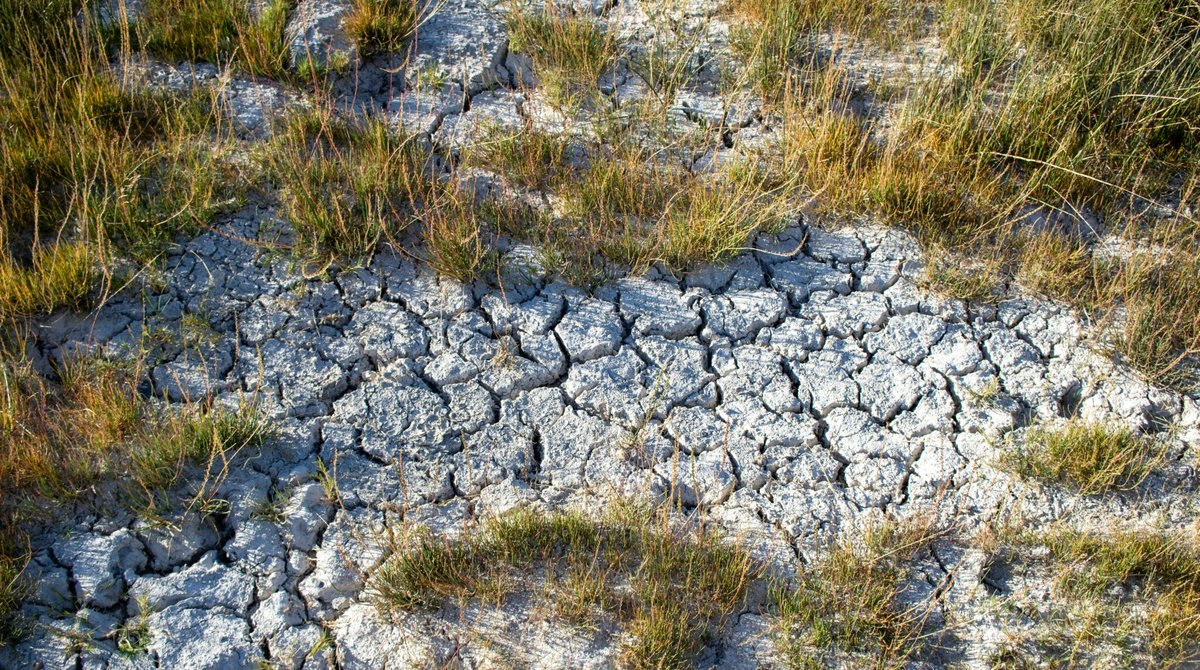
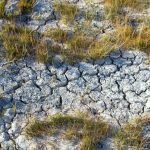
Massive tracts of land are altered or destroyed to access coal, oil, gas, and uranium. Consider “mountaintop removal” mining for coal, a practice that literally obliterates peaks, buries valleys, and displaces entire ecosystems. Similarly, extensive oil and gas drilling operations, whether onshore or offshore, require infrastructure development—roads, pipelines, processing facilities—that fragments habitats, leads to deforestation, and often results in significant biodiversity loss. The topsoil and vegetation are removed, leading to erosion and making future land restoration incredibly challenging. Water Contamination at the Source
Water resources are highly vulnerable during extraction. Acid Mine Drainage (AMD), a common issue in coal mining, occurs when sulfide minerals exposed to air and water create sulfuric acid, which then leaches heavy metals into streams and rivers. This acidic runoff can devastate aquatic life and contaminate drinking water supplies far downstream. Oil spills, whether from offshore drilling accidents or pipeline ruptures, can have catastrophic, long-lasting impacts on marine and coastal environments, harming wildlife and ecosystems for decades. Hydraulic fracturing, or “fracking,” used to extract natural gas, involves injecting chemical-laden water into shale formations, raising concerns about potential groundwater contamination from the fracking fluid itself or from naturally occurring radioactive materials brought to the surface. Air Pollution from the Mines and Wells
Even before combustion, extraction sites contribute to air pollution. Dust from mining operations can carry harmful particulates into nearby communities, impacting respiratory health. Natural gas extraction sites are known sources of methane leaks, a greenhouse gas far more potent than carbon dioxide in the short term. The practice of “flaring” – burning off excess natural gas that cannot be economically captured or transported – releases significant amounts of CO2, nitrogen oxides (NOx), and sulfur dioxide (SO2) directly into the atmosphere, contributing to local air quality issues and regional haze. Nuclear’s Unique Challenge: Uranium Mining and Hazardous Waste
While nuclear power plants boast low operational emissions, the environmental impacts begin with uranium mining. This process can cause land degradation and water contamination, similar to other forms of mining. The most significant concern, however, is the high-level radioactive waste generated during reactor operation. This waste remains dangerously radioactive for tens to hundreds of thousands of years, requiring extremely secure, long-term storage solutions that pose a complex challenge for future generations.
The Unseen Burden of Processing and Transport
Once extracted, these raw resources are rarely ready for immediate use. They must be processed, refined, and transported, each stage adding another layer to their environmental footprint. Energy-Intensive Operations and Emissions
Refining crude oil into gasoline, diesel, or other petroleum products, or processing raw coal, is an incredibly energy-intensive endeavor. These industrial processes typically rely on burning more fossil fuels, releasing additional greenhouse gases (GHGs) and other air pollutants like SO2 and NOx. For example, a single oil refinery can be a major point source for local air pollution, impacting surrounding communities with a cocktail of volatile organic compounds and fine particulate matter. Logistical Risks: Spills and Atmospheric Releases
Transporting vast quantities of non-renewable resources across continents—via pipelines, cargo ships, trains, and trucks—carries inherent risks. Large-scale oil spills from tankers or pipelines, like the infamous Exxon Valdez spill, cause immediate and widespread ecological devastation, often taking decades for affected areas to recover. Beyond dramatic spills, the regular operation of transport networks contributes to air pollution. Exhaust from diesel locomotives and heavy trucks, as well as emissions from ships, releases NOx, PM, and other smog-forming pollutants that contribute to regional air quality problems and acid rain. Industrial Waste Generation: Tailings and Sludge
Processing non-renewable resources generates substantial amounts of waste. Mining operations produce enormous piles of “tailings”—finely ground rock and other waste materials that can contain toxic heavy metals and radioactive elements. These tailings often require large impoundments that, if they fail, can unleash an environmental catastrophe. Oil refineries produce various forms of sludge and wastewater contaminated with hydrocarbons and other chemicals, which must be carefully managed to prevent environmental release.
Combustion’s Global Fallout: Climate Change and Health Hazards
The ultimate purpose of most non-renewable energy resources, particularly fossil fuels, is combustion to release energy. This final stage is arguably the most impactful in terms of global environmental consequences. The Climate Crisis Driver: Carbon Dioxide and Global Warming
Burning coal, oil, and natural gas releases massive quantities of stored carbon into the atmosphere, primarily in the form of carbon dioxide (CO2). CO2 is a potent greenhouse gas that traps heat, leading to a phenomenon known as global warming. This warming drives a cascade of environmental changes: rising global temperatures, melting glaciers and ice caps, increasing sea levels threatening coastal communities, and more frequent and intense heat waves, droughts, and extreme weather events. The scale of this impact is unparalleled, posing an existential threat to ecosystems and human societies worldwide. Air Quality and Public Health: A Breathless Battle
Beyond CO2, combustion also releases a suite of harmful air pollutants. Sulfur dioxide (SO2) and nitrogen oxides (NOx) are key contributors to acid rain, which damages forests, acidifies lakes, and corrodes infrastructure. These gases, along with fine particulate matter (PM2.5), exacerbate respiratory illnesses like asthma and bronchitis, contribute to cardiovascular diseases, and can even lead to premature death. Power plants, industrial facilities, and vehicle exhaust are major sources of these pollutants, directly impacting public health, especially in urban and industrial areas.
Beyond Pollution: Resource Depletion and Geopolitical Strain
Beyond the immediate environmental degradation, how do non renewable resources affect the environment also involves their inherent scarcity and the geopolitical implications of that scarcity.
The Finite Nature of Our Fuel
The defining characteristic of non-renewable resources is their finite supply. They were formed over millions of years and cannot be replenished on a human timescale. For instance, data from 2015 suggested remaining global oil reserves could last approximately 51 years, coal reserves about 114 years, and natural gas about 53 years. Some projections even predicted oil could be exhausted by 2052. This finite nature means that continued reliance on these resources is inherently unsustainable, setting a clear expiration date for our current energy paradigm. As resources become scarcer, extraction becomes more challenging, more environmentally destructive, and more expensive.
Geopolitical Ripples: Energy Security and International Tensions
The uneven distribution of non-renewable resources across the globe creates significant geopolitical challenges. Many of the largest reserves are located in politically unstable regions, leading to market volatility, supply chain disruptions, and international tensions. Nations reliant on imported fossil fuels often face energy insecurity, making them vulnerable to price spikes or supply cut-offs. This dynamic has historically fueled conflicts and shaped international relations, underscoring that the impacts of non-renewables extend beyond the purely environmental to affect global stability.
While non-renewable energy sources have undeniably powered industrial growth and offer significant advantages like reliable and affordable power, as detailed in our guide on the Advantages of non-renewable energy, understanding their profound environmental costs is critical for making informed decisions about our energy future.
Navigating the Transition: Practical Steps to Mitigate Impact
Addressing the environmental impact of non-renewable resources requires a multi-pronged approach, focusing on reducing demand, transitioning to cleaner alternatives, and mitigating the damage where non-renewables are still in use.
Boosting Energy Efficiency
The simplest way to reduce the environmental footprint of non-renewables is to use less energy overall. This isn’t about sacrifice; it’s about smart design and technology.
Upgrade Appliances and Systems: Swapping old, inefficient refrigerators, HVAC systems, or industrial machinery for ENERGY STAR-rated models significantly cuts electricity consumption. For instance, upgrading an old furnace can reduce natural gas usage by 20-30%.
Improve Building Insulation: Properly insulating homes and commercial buildings minimizes heating and cooling needs, directly reducing the demand for electricity generated by fossil fuels.
Optimize Industrial Processes: Implementing energy management systems and lean manufacturing techniques in industries can dramatically cut power usage without compromising output.
Embracing Renewable Alternatives
The long-term solution lies in a wholesale transition to renewable energy sources like solar, wind, hydropower, and geothermal. These sources harness naturally replenishing flows of energy and produce little to no greenhouse gas emissions during operation.
Invest in Grid-Scale Renewables: Supporting the development of large solar farms and wind turbine arrays is crucial for decarbonizing electricity grids.
Decentralized Solar: Encouraging rooftop solar installations on homes and businesses can empower communities and reduce reliance on centralized fossil fuel power.
Explore Geothermal and Hydropower: Where geographically viable, these sources offer continuous, reliable baseload power with minimal emissions.
Conservation and Responsible Consumption
Beyond efficiency and renewables, fundamental shifts in how we consume resources can make a big difference.
Reduce, Reuse, Recycle: This classic mantra directly applies. Reducing overall consumption of goods minimizes the energy and raw materials needed for production (often derived from non-renewables). Recycling petroleum-based plastics, for instance, reduces the demand for new oil extraction.
Sustainable Transportation: Prioritizing public transport, cycling, walking, and electric vehicles (powered by renewable electricity) dramatically cuts fossil fuel consumption and air pollution from the transportation sector.
Support Eco-Friendly Products: Choosing products made with recycled materials, sustainable components, or bioplastics (derived from corn starch or sugarcane, reducing petroleum dependence) sends a market signal for more responsible manufacturing.
Innovating for a Cleaner Future
Technological advancements, while not a silver bullet, can play a role in mitigating the impacts of existing non-renewable infrastructure.
Carbon Capture and Storage (CCS): This technology aims to capture CO2 emissions directly from industrial sources and power plants before they enter the atmosphere and store them deep underground. While expensive and not yet proven at the scale needed, it represents a potential, albeit controversial, tool for managing emissions from hard-to-decarbonize sectors.
Alternative Material Development: Research into new materials, like advanced bioplastics or sustainably sourced alternatives to mined metals, can reduce the environmental toll of extraction and processing associated with non-renewable minerals.
The environmental impacts of non-renewable resources often disproportionately affect marginalized communities, who frequently live near extraction sites, refineries, or power plants.
Fair Policy Implementation: Ensuring that environmental regulations are strictly enforced in all communities, regardless of socioeconomic status, is vital.
Community Engagement: Involving affected communities in decision-making processes regarding new projects or remediation efforts can help ensure equitable outcomes.
Just Transition: Supporting workers and communities currently dependent on the non-renewable energy sector as they transition to new, greener economies is essential for social equity.
Quick Answers: Unpacking Common Concerns About Non-Renewables
We’ve covered the breadth of how do non renewable resources affect the environment, but a few key questions often arise. Q: Are all non-renewable resources equally harmful to the environment?
A: No, their impacts differ significantly. Fossil fuels (coal, oil, natural gas) are the primary drivers of climate change due to their high CO2 emissions when burned. Nuclear energy, while having low operational emissions, generates highly dangerous radioactive waste and has impacts from uranium mining. Metals and minerals, while non-combustible, cause significant land degradation, water pollution, and habitat destruction during extraction and processing. Q: Can technology completely solve the environmental problems associated with non-renewables?
A: Technology can mitigate some impacts, but it cannot eliminate them entirely. For example, carbon capture technologies aim to reduce CO2 emissions, and advanced filters can cut down on other air pollutants. However, these solutions are costly, imperfect, and don’t address resource depletion, the inherent dangers of radioactive waste, or the land degradation from extraction. They are tools for managing a transition, not permanent solutions for a fundamentally finite and polluting system. Q: What is the single biggest environmental impact of non-renewable resources?
A: The single biggest environmental impact, in terms of global scale and long-term consequences, is climate change driven by the combustion of fossil fuels. The release of vast amounts of carbon dioxide and other greenhouse gases is causing unprecedented global warming, sea-level rise, and extreme weather, threatening ecosystems and human societies worldwide. Q: How do non-renewable resources affect the environment in terms of specific human health issues?
A: The release of pollutants like sulfur dioxide (SO2), nitrogen oxides (NOx), and particulate matter (PM2.5) from fossil fuel combustion significantly impacts human health. These airborne contaminants are linked to respiratory problems (asthma, bronchitis), cardiovascular diseases, strokes, and even premature death. Water contamination from extraction (e.g., heavy metals from Acid Mine Drainage, chemicals from fracking) can also pose risks to drinking water supplies and food chains.
Your Role in a Sustainable Energy Future
Understanding how do non renewable resources affect the environment isn’t just an academic exercise; it’s a call to action. While non-renewables have provided immense benefits, their environmental costs are becoming increasingly undeniable. As individuals and as a society, our decisions today about energy efficiency, resource conservation, and the adoption of renewable alternatives will determine the health of our planet and the stability of our future. Embrace efficiency, advocate for cleaner energy policies, and make conscious choices about consumption—every action contributes to mitigating these profound impacts.
I am a writer who loves renewable energy, with a focus on sustainable living, renewable energy, and eco-friendly innovation. With a passion for environmental awareness and a desire to explore the latest trends in green technology, corporate sustainability, and climate action. Through in-depth storytelling