The global appetite for energy is immense, and for generations, we’ve relied heavily on a finite supply: non-renewable resources. While these sources have fueled industrial growth and powered our daily lives, a deeper look reveals critical dangers. Understanding why non-renewable resources are bad isn’t just an academic exercise; it’s essential for safeguarding our planet and ensuring a viable future for generations to come. From scarred landscapes to a changing climate, their true cost extends far beyond the price per barrel or ton.
At a Glance: Why Non-Renewable Resources Pose a Major Threat
- Finite Supply: We’re consuming them far faster than nature can replenish them, leading to inevitable depletion.
- Environmental Devastation: Extraction and combustion cause extensive air and water pollution, land degradation, and generate hazardous waste.
- Climate Change Catalyst: Burning fossil fuels is the primary driver of global warming and its cascading effects.
- Geopolitical Instability: Dependence on these resources sparks international tensions and economic volatility.
- Long-Term Hazards: Nuclear power’s radioactive waste presents a storage challenge lasting millennia.
- Unsustainable Future: Continuing our current reliance locks us into a path with irreversible consequences.
The Looming Crisis of Depletion
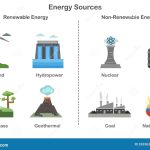
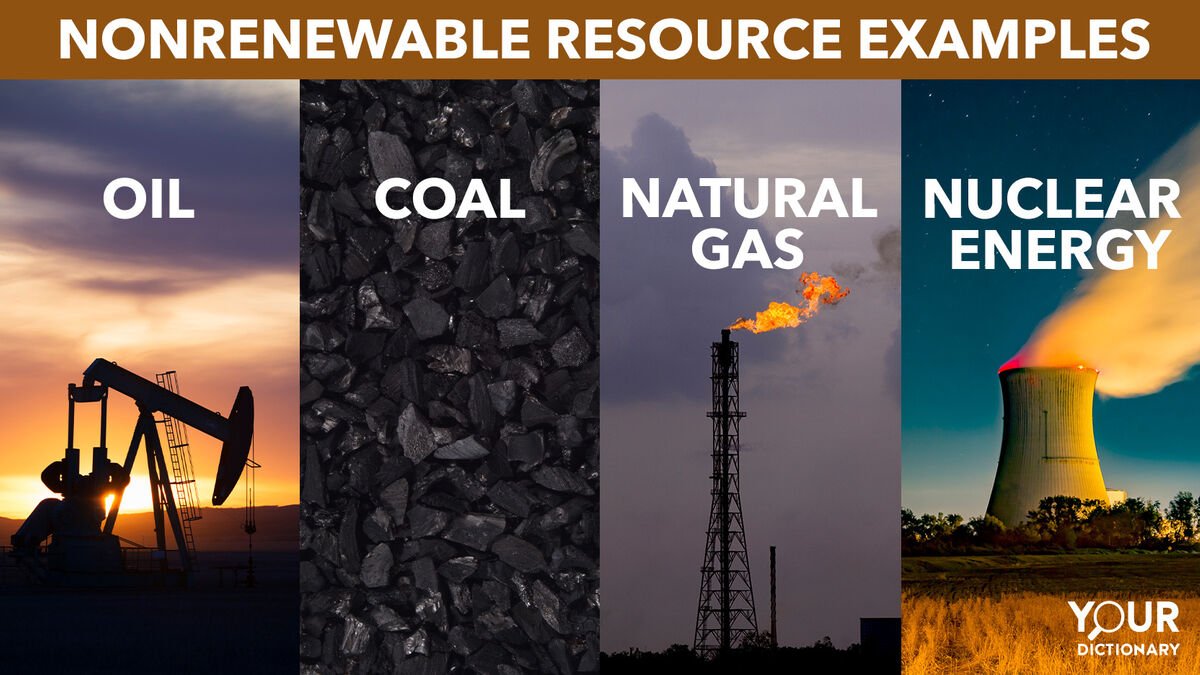
Non-renewable resources, including fossil fuels like coal, oil, and natural gas, along with nuclear fuels such as uranium, are fundamentally unsustainable. These energy sources took millions of years to form deep within the Earth’s crust. Our modern consumption rates, however, are astronomically faster than their natural replenishment. We’re essentially draining a tank that takes geological epochs to refill.
Consider the scale: non-renewables currently meet roughly 80% of global energy demand. This pace means we are rapidly approaching a point where easily accessible reserves dwindle, pushing extraction into more difficult and environmentally damaging territories. This isn’t just about running out of fuel; it’s about the increasing cost and complexity of obtaining what’s left, amplifying all other associated problems. While these energy sources have offered significant advantages in reliability and affordability, which you can explore further by understanding the Non-renewable energy advantages, it’s paramount to also grasp the profound downsides that necessitate a strategic shift.
Environmental Scars: Pollution Across Air, Water, and Land
The lifecycle of non-renewable resources, from extraction to processing and combustion, leaves a heavy environmental footprint. This damage isn’t localized; it affects ecosystems and human health globally.
Choking Our Skies: The Air Pollution Burden
Burning fossil fuels is a major contributor to air pollution. When coal, oil, or natural gas ignite, they release a cocktail of harmful substances into the atmosphere. These include sulfur dioxide, which contributes to acid rain; nitrogen oxides, a component of smog and respiratory irritants; particulate matter that can penetrate deep into lungs; and carbon monoxide, a poisonous gas. Beyond immediate health impacts like respiratory illnesses, these pollutants also damage ecosystems and infrastructure.
More critically, fossil fuels are the leading source of anthropogenic greenhouse gas (GHG) emissions. They account for over 75% of global GHGs and a staggering 90% of carbon dioxide (CO2) emissions. Key culprits are CO2, methane (CH4), and nitrous oxide (N2O). These gases trap heat in the atmosphere, fundamentally altering our planet’s climate system.
Poisoning Our Waters: From Spills to Seepage
Our reliance on non-renewable resources also threatens precious water systems. Oil spills are a stark example, contaminating vast stretches of ocean and coastlines, devastating marine life and coastal communities. In the U.S. alone, an average of 76,000 barrels of oil are released annually from pipelines, showcasing a continuous, often unseen, threat.
Beyond catastrophic spills, resource extraction methods like hydraulic fracturing, or “fracking,” inject high-pressure fluids deep into shale rock to release natural gas. While unlocking new energy sources, fracking operations are notorious for potentially polluting groundwater, consuming significant quantities of water, and even contributing to localized air pollution and induced seismicity (minor earthquakes). The long-term effects on water tables and ecosystems are still being fully understood, but the risks are undeniable.
Scarring the Earth: Land Degradation and Habitat Loss
The physical process of extracting non-renewable resources literally reshapes landscapes. Mining for coal and uranium, for instance, involves vast open-pit operations or destructive practices like mountaintop removal, which obliterates entire peaks and buries valleys, destroying ecosystems and permanently altering watersheds. These operations often leave behind toxic waste rock and disturbed soil that can take decades, if not centuries, to recover.
Furthermore, the infrastructure supporting fossil fuel transport adds to land degradation. As of 2020, there were 3.5 million kilometers of active oil and gas pipelines globally. While necessary for distribution, these networks clear land, fragment habitats, and pose continuous risks of leaks and spills that further degrade environments.
The Climate Change Catastrophe: An Existential Threat
Perhaps the most devastating impact of non-renewable resources is their role in accelerating climate change. The burning of fossil fuels is unequivocally the leading cause, unleashing massive quantities of greenhouse gases into the atmosphere. Since 1970, these emissions have surged by 50%, pushing atmospheric CO2 levels higher than they’ve been in human history, far exceeding pre-Industrial Revolution concentrations.
This unprecedented rise in greenhouse gases drives a cascade of critical changes:
- Rising Global Temperatures: The planet is warming at an alarming rate, leading to more frequent and intense heatwaves.
- Altered Weather Patterns: We’re seeing significant shifts in precipitation, with some regions experiencing prolonged droughts and others facing increased heavy rainfall and flooding.
- Sea Level Rise: Melting glaciers and ice sheets, combined with thermal expansion of ocean water, are causing sea levels to rise, threatening coastal communities worldwide.
- Ocean Acidification: The oceans absorb excess CO2, becoming more acidic and endangering marine life, particularly organisms with shells.
- Extreme Weather Events: Hurricanes, typhoons, and other storms are becoming more frequent and intense, inflicting massive economic damage and human suffering. Between 1980 and 2022, weather and climate-related losses in the European Union alone exceeded EUR 650 billion (USD 704 billion).
The human toll is immense and disproportionately affects marginalized communities, who often lack the resources to adapt. In 2022, climate change contributed to 98 million more people facing moderate or severe food insecurity compared to the 1981-2010 average. The impact on human lives, livelihoods, and global stability is profound and growing.
The Nuclear Dilemma: Unresolved Waste and Unacceptable Risks
While nuclear power is often presented as a “clean” energy source because it doesn’t emit greenhouse gases during operation, it comes with its own set of severe, long-term problems. The most pressing issue is the generation of highly radioactive waste. This waste remains hazardous for thousands of years, requiring secure, long-term storage solutions that we, as a global society, have yet to permanently establish. The current strategy often involves temporary storage, essentially deferring a monumental problem to future generations.
Furthermore, the specter of nuclear accidents looms large. Events like Chernobyl in 1986 and Fukushima in 2011 demonstrated the catastrophic potential for widespread contamination, long-term health problems for populations, and the permanent evacuation of vast areas. The risks associated with nuclear power, while statistically rare, are so severe that they represent an unacceptable gamble for many.
Geopolitical Tensions and Economic Volatility
The finite nature of non-renewable resources also fuels geopolitical instability and economic uncertainty. As reserves dwindle and extraction becomes more challenging, the cost of these resources naturally increases. This scarcity can lead to fierce competition, increasing geopolitical tensions, and even triggering resource wars as nations vie for control over remaining supplies.
Countries heavily dependent on fossil fuel imports are particularly vulnerable. Their economies and national security can be held hostage by supply disruptions, political instability in producer regions, or deliberate manipulation of prices by producing nations. This vulnerability fosters a cycle of dependence and conflict.
Economically, the prices of fossil fuels are notoriously volatile. They are subject to rapid swings due to geopolitical events (like conflicts in oil-producing regions), market speculation, and unexpected supply disruptions (such as natural disasters affecting infrastructure). This instability creates significant economic uncertainty for businesses and consumers alike, making long-term planning difficult and often leading to costly environmental cleanup efforts after incidents.
Towards a Sustainable Future: A Call to Action
Addressing the multifaceted problems associated with non-renewable resources is not optional; it’s imperative. This transition demands a comprehensive shift towards a sustainable energy system built on renewable sources like solar, wind, hydro, and geothermal power. The good news is that the pathways and technologies already exist.
A Global Imperative for Change
Globally, 198 countries have committed to transitioning away from fossil fuels and tripling renewable energy capacity by 2030. However, the world is currently off-track to meet the Paris Climate Agreement’s net-zero by 2050 target. The scale of the challenge is immense: the International Energy Agency (IEA) projects a need for a 20-fold increase in solar PV capacity and an 11-fold increase in wind energy, necessitating a tripling of annual renewable energy investment by 2030. This isn’t just a recommendation; it’s a blueprint for planetary survival.
Key Actionable Steps for Systemic Change:
- Invest and Scale Up Renewables: Governments and private sectors must dramatically increase investment in, and deployment of, renewable energy technologies. This means streamlining permitting processes, offering incentives, and building out the necessary grid infrastructure.
- Improve Energy Efficiency: Conserving energy is often the cheapest “new” energy. Implementing stringent energy efficiency standards across buildings, transportation, and industrial processes can significantly reduce overall demand.
- Develop Robust Energy Storage Solutions: The intermittency of some renewables (e.g., sun doesn’t always shine, wind doesn’t always blow) requires advanced energy storage solutions, such as batteries, pumped hydro storage, and even hydrogen technologies.
- Implement Carbon Pricing Mechanisms: Policies like carbon taxes and cap-and-trade systems create economic incentives for businesses to reduce their emissions, making polluting more expensive and cleaner alternatives more competitive.
- Policy Shifts: Governments must implement policies that actively facilitate renewable energy investment while creating disincentives for fossil fuels. This includes removing harmful fossil fuel subsidies and implementing effective carbon taxes.
- Global Cooperation: Expediting low-carbon energy innovation and standardizing transparency and comparability of energy projects across borders will accelerate progress.
- Developed World Support: Wealthier nations must significantly increase financial aid and technology-sharing mechanisms to support developing nations in their own renewable energy transitions, ensuring a just and equitable shift.
Quick Answers: Common Questions About Non-Renewable Resource Impacts
Q: Are all non-renewable resources equally bad for the environment?
A: No, their impacts vary. Coal, for example, is generally considered the most polluting fossil fuel due to its high carbon content and sulfur emissions. Natural gas is cleaner-burning than coal or oil but still releases significant methane, a potent greenhouse gas, and has its own issues with fracking. Nuclear power doesn’t emit GHGs but generates hazardous radioactive waste. Each has distinct environmental and health challenges.
Q: If non-renewable resources are so bad, why do we still use them so much?
A: Historically, they have been abundant, relatively cheap to extract (initially), and offered high energy density, making them easy to transport and store. Existing infrastructure is also heavily built around them. The transition to renewables requires significant investment, technological advancement, and political will, which takes time, despite the clear long-term benefits.
Q: Can carbon capture technology solve the fossil fuel problem?
A: While carbon capture, utilization, and storage (CCUS) technologies show promise, they are currently expensive, energy-intensive, and haven’t been deployed at a scale large enough to significantly offset global emissions. They might play a niche role in hard-to-decarbonize industries, but they are not a silver bullet to continue widespread fossil fuel use without consequences. The most effective solution remains reducing emissions at the source.
Q: How do non-renewable resources affect global health, not just the environment?
A: The impact on global health is profound. Air pollution from burning fossil fuels causes millions of premature deaths annually due to respiratory diseases, heart conditions, and strokes. Climate change itself leads to heat-related illnesses, spread of vector-borne diseases (e.g., malaria, dengue), food insecurity due to crop failures, and mental health impacts from climate-related disasters and displacement.
Charting a Course Forward
The inherent unsustainability and profound environmental, social, and economic costs of non-renewable resources present an undeniable imperative for change. We are facing a planetary crisis driven by our past and current energy choices. The question is no longer if we need to transition, but how quickly and how effectively we can pivot to a truly sustainable energy future.
As individuals, our actions, however small, contribute to this larger shift. Consider reducing your energy consumption, utilizing public transportation or cycling where possible, investing in energy-efficient appliances, and advocating for policies that promote renewable energy and disincentivize fossil fuels. Every decision, from personal choices to national policies, shapes the trajectory of our future. The path away from non-renewable dependency is clear, challenging, and absolutely essential.