The world runs on energy, and for centuries, non-renewable sources have been the workhorses of progress, delivering power that transformed economies and lives. Yet, beneath the veneer of reliability and affordability lies a complex web of disadvantages of non renewable energy—true costs that ripple through our environment, health, and geopolitical stability. Understanding these profound drawbacks isn’t just an academic exercise; it’s essential for anyone navigating the future of our energy landscape.
Finite Resources: Non-renewable energy sources are limited, meaning they will eventually deplete, leading to supply shortages and price volatility.
Climate Change Driver: Burning fossil fuels releases vast amounts of greenhouse gases, directly contributing to global warming and its cascading environmental effects.
Pervasive Pollution: Extraction, combustion, and waste disposal cause widespread air and water pollution, posing significant health risks and ecosystem damage.
Environmental Destruction: Mining and drilling activities lead to land degradation, deforestation, and the destruction of vital habitats and biodiversity.
Geopolitical Instability: The uneven distribution of these resources fuels international tensions and leaves economies vulnerable to supply disruptions and price shocks.
Accident Risks: Operations carry inherent risks of severe accidents like oil spills or nuclear meltdowns, with devastating, long-lasting consequences.
Understanding Non-Renewable Energy: A Quick Primer
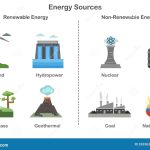
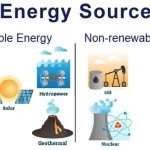
Non-renewable energy sources are, by definition, finite. Formed over millions of years from natural processes, they cannot be replenished within a human timescale. Historically, these resources—primarily fossil fuels like coal, oil, and natural gas, alongside nuclear fuels like uranium—have been the engine of modern industrialization. They currently account for a staggering 95 percent of the world’s electricity needs, with projections from the U.S. Department of Energy indicating a 35 percent increase in their use by 2030. This heavy reliance, while providing immediate benefits, also means we’re deeply invested in their inherent disadvantages.
The Unseen Burden: Core Disadvantages of Non-Renewable Energy
The widespread use of fossil and nuclear fuels comes with significant long-term costs. These aren’t just abstract environmental concerns; they represent tangible challenges to global health, economic stability, and the very habitability of our planet.
A Finite Well: The Inevitable Depletion of Resources
Perhaps the most fundamental disadvantage is the simple truth that non-renewable sources are limited. Unlike solar or wind power, fossil fuels and uranium exist in finite quantities beneath the Earth’s surface. Extracting them faster than they were formed inevitably leads to their eventual depletion.
This finitude introduces significant risks. As reserves dwindle, the remaining resources become harder and more expensive to extract, leading to potential energy shortages and increased price volatility on the global market. Think back to historical oil crises; these events underscore how dependence on a finite, unevenly distributed resource can trigger economic instability and geopolitical tensions.
The Climate Imperative: Greenhouse Gas Emissions and Global Warming
The most widely recognized, and arguably most critical, disadvantage of fossil fuels is their contribution to climate change. Burning coal, oil, and natural gas releases massive amounts of carbon dioxide (CO2), methane (CH4), and other greenhouse gases into the atmosphere. These gases trap heat, leading to a phenomenon known as the greenhouse effect, which is driving global warming.
The consequences are far-reaching: rising global temperatures, melting polar ice caps and glaciers, sea-level rise, more frequent and intense extreme weather events (such as heatwaves, droughts, floods, and storms), and ocean acidification. Given that non-renewable sources currently power 95 percent of our electricity and are projected to increase, the scale of this emission problem is immense and urgent.
Breathing Hard: Air Pollution’s Direct Health Toll
Beyond greenhouse gases, the combustion of fossil fuels also emits a cocktail of harmful air pollutants. Sulfur dioxide (SO2), nitrogen oxides (NOx), and particulate matter (PM2.5) are major culprits that directly impact human health and natural ecosystems.
Exposure to these pollutants can cause severe respiratory diseases like asthma and bronchitis, cardiovascular problems, and even lung cancer. Urban areas, often situated near power plants or major transportation hubs, frequently experience smog, reducing visibility and triggering health alerts. Environmentally, SO2 and NOx react in the atmosphere to form acid rain, which damages forests, acidifies lakes and rivers, and corrodes infrastructure.
Water Woes: Contamination from Extraction to Waste
The extraction and processing of non-renewable energy sources are incredibly water-intensive and often lead to severe water pollution. Oil spills, such as the catastrophic Deepwater Horizon event in 2010, can devastate marine ecosystems, harming wildlife and livelihoods for decades. Pipeline leaks, though often smaller, contribute to chronic contamination of soil and groundwater.
Coal mining wastewater and “fracking” fluids from natural gas extraction can introduce heavy metals, chemicals, and radioactive materials into local water bodies. These pollutants render water unsafe for human consumption, agriculture, and harm aquatic life. The sheer volume of water consumed in these processes, from cooling nuclear reactors to hydraulic fracturing, also puts significant strain on freshwater resources in many regions. While non-renewable energy delivers reliable power, the hidden cost to our most vital resource—water—is often overlooked. For a deeper look into how these sources have historically delivered Advantages of non-renewable power, it’s crucial to weigh those benefits against these significant environmental tradeoffs.
Scarring the Earth: Land Degradation and Habitat Loss
The physical footprint of non-renewable energy is substantial and destructive. Mining for coal, particularly through methods like open-pit or mountaintop removal, transforms entire landscapes. These operations strip away topsoil, clear forests, and permanently alter geological formations, leading to widespread deforestation, soil erosion, and significant changes in hydrology.
The result is irreversible land degradation and the destruction of critical wildlife habitats, leading to biodiversity loss. This isn’t confined to mining; oil and gas exploration, pipeline construction, and the development of associated infrastructure also fragment natural landscapes, disrupting ecosystems and displacing species.
The Shadow of Risk: Accidents and Their Far-Reaching Consequences
Operating non-renewable energy facilities comes with inherent risks of catastrophic accidents. Oil drilling platforms can explode, leading to massive spills that decimate marine life and pollute coastlines. Coal mines are prone to collapses, fires, and explosions, endangering workers and local communities.
Nuclear power, while offering vast energy without greenhouse gas emissions during operation, carries the unique risk of meltdowns, as seen with Chernobyl in 1986 and Fukushima in 2011. These events release radioactive materials, rendering vast areas uninhabitable for generations and posing severe long-term health risks to exposed populations. The management of highly radioactive nuclear waste also remains a complex, unresolved challenge.
Geopolitics and Price Swings: Economic Vulnerabilities
The uneven global distribution of fossil fuel reserves creates significant geopolitical tensions and economic vulnerabilities. Nations dependent on imported oil and gas are susceptible to supply disruptions caused by political instability, conflicts, or cartel decisions in producing regions. This dependence can lead to volatile energy prices, impacting everything from consumer costs to national budgets.
For instance, sudden spikes in oil prices can trigger economic recessions, highlighting how deeply intertwined energy security is with global financial stability. The pursuit and protection of these resources have historically been, and continue to be, drivers of international diplomacy and conflict.
Navigating the Transition: Practical Steps to Mitigate Disadvantages
While the disadvantages are profound, humanity is not without agency. A concerted effort toward sustainable practices and technological innovation can significantly mitigate these drawbacks and chart a more resilient energy future.
Prioritizing Energy Efficiency: Smarter Consumption
One of the most immediate and impactful steps is to simply use less energy. Improving energy efficiency across all sectors—residential, commercial, industrial, and transportation—reduces the demand for non-renewable sources.
Building Upgrades: Insulating homes and businesses, upgrading to energy-efficient windows, and installing smart thermostats can dramatically cut heating and cooling demands.
Technological Adoption: Switching to LED lighting, using energy-efficient appliances (look for ENERGY STAR ratings), and optimizing industrial processes with modern machinery can yield substantial savings.
Behavioral Changes: Simple acts like turning off lights, unplugging unused electronics, and consolidating errands for fuel-efficient driving habits all contribute to reduced energy consumption. These individual and collective efforts can significantly lower the environmental footprint associated with non-renewable energy.
Investing in Sustainable Alternatives: The Renewable Shift
The most effective long-term strategy is a decisive transition towards renewable energy sources. Solar, wind, hydropower, geothermal, and biomass energy offer distinct advantages: they are inexhaustible, emit minimal or no greenhouse gases, and reduce dependence on volatile fossil fuel markets.
Governments, industries, and individuals must invest in the research, development, and deployment of these technologies. This includes funding new renewable projects, upgrading grid infrastructure to handle distributed generation, and implementing policies that incentivize the adoption of clean energy solutions. This shift not only addresses the environmental disadvantages but also enhances energy security by diversifying supply.
For the non-renewable resources we continue to use, responsible management is paramount. This means minimizing waste, optimizing extraction processes, and investing in technologies that mitigate environmental impact.
Cleaner Production: Implementing best practices in mining and drilling to reduce land disturbance, prevent spills, and manage wastewater effectively.
Carbon Capture and Storage (CCS): While still evolving, CCS technologies aim to capture CO2 emissions from power plants and industrial facilities before they enter the atmosphere, then store them underground. This could reduce the climate impact of fossil fuel use, though its long-term viability and scalability are still being assessed.
Policy and Regulation: Governments play a crucial role in establishing strict environmental regulations, enforcement mechanisms, and promoting research and innovation into cleaner non-renewable energy technologies and conservation practices.
Quick Answers: Addressing Common Concerns
Are all non-renewable energy sources equally bad for the environment?
No, their impacts vary. Coal, particularly, is the most carbon-intensive fossil fuel and a major source of air pollutants. Natural gas is cleaner-burning than coal and oil, but methane leaks (a potent greenhouse gas) during its extraction and transport present significant environmental challenges. Nuclear power generates no greenhouse gas emissions during operation but carries the unique risk of radioactive waste and accidents. Each has a distinct set of environmental and safety concerns.
Can carbon capture technology solve the fossil fuel problem?
Carbon capture and storage (CCS) technology has the potential to significantly reduce CO2 emissions from large point sources like power plants. However, it’s not a complete solution. CCS is expensive, energy-intensive, and faces challenges with long-term storage capacity and public acceptance. It also doesn’t address other pollutants or the finite nature of fossil fuels. It’s often viewed as a bridge technology rather than a permanent fix.
What happens if we run out of fossil fuels?
Running out of fossil fuels won’t happen overnight; it will be a gradual process of increasing scarcity and cost. As easily accessible reserves deplete, extraction will become more difficult and expensive, driving up energy prices and creating economic instability. It would force a rapid, potentially chaotic, transition to alternative energy sources. This scenario underscores the urgency of proactively diversifying our energy portfolio now.
Is nuclear power truly non-renewable?
Yes, nuclear power is considered non-renewable because it relies on uranium, a finite resource found in the Earth’s crust. While uranium supplies are more abundant than once thought and nuclear fuel can be reprocessed, it is still a mineral that cannot be naturally regenerated within a human timescale. Its sustainability is also complicated by the long-term management of radioactive waste.
Charting a Sustainable Energy Future
The disadvantages of non renewable energy are profound, ranging from their finite nature and devastating environmental impacts to their role in geopolitical instability and health crises. While these sources have undeniably fueled our modern world, their true costs demand our immediate and sustained attention. Moving forward, the path to a resilient and sustainable energy future requires a multi-pronged approach: prioritizing energy efficiency, making aggressive investments in renewable alternatives, and implementing responsible management strategies for the non-renewable resources we still utilize. This isn’t just about preserving the planet; it’s about securing a stable, healthy, and prosperous future for generations to come.
I am a writer who loves renewable energy, with a focus on sustainable living, renewable energy, and eco-friendly innovation. With a passion for environmental awareness and a desire to explore the latest trends in green technology, corporate sustainability, and climate action. Through in-depth storytelling