For generations, our world has relied heavily on an energy backbone: non-renewable sources. Yet, as global energy demands surge and environmental concerns mount, a clear understanding of the pros and cons of non renewable energy isn’t just academic—it’s critical for informed decision-making about our future. While these sources have fueled unparalleled growth and stability, their inherent limitations and environmental costs present an increasingly complex dilemma.
We’re at a crossroads where the established benefits of consistent, affordable power clash with the urgent need for sustainable practices. Delving into this duality reveals not just the power generation methods themselves, but the intricate web of economic, environmental, and geopolitical impacts that shape our planet.
Immediate Needs vs. Future Sustainability: Non-renewables offer immediate reliability but pose long-term depletion and environmental risks.
Established Infrastructure is a Double-Edged Sword: It ensures current power but locks in reliance and delays renewable transition.
Severe Environmental & Health Consequences: Burning fossil fuels and managing nuclear waste create significant pollution and health hazards.
Geopolitical Vulnerabilities: Dependence on finite resources can lead to international tensions and supply disruptions.
The Unavoidable Trade-Offs: Policymakers and industries constantly weigh economic benefits against ecological and social costs.
Transition is Complex: Moving away from non-renewables requires massive investment, innovation, and global cooperation.
Understanding the Non-Renewable Landscape
Before we weigh the benefits and drawbacks, it’s essential to clarify what non-renewable energy sources truly are. Simply put, these are energy reserves that cannot replenish quickly enough to keep pace with human consumption. They will deplete over time, making them inherently unsustainable for the long haul.
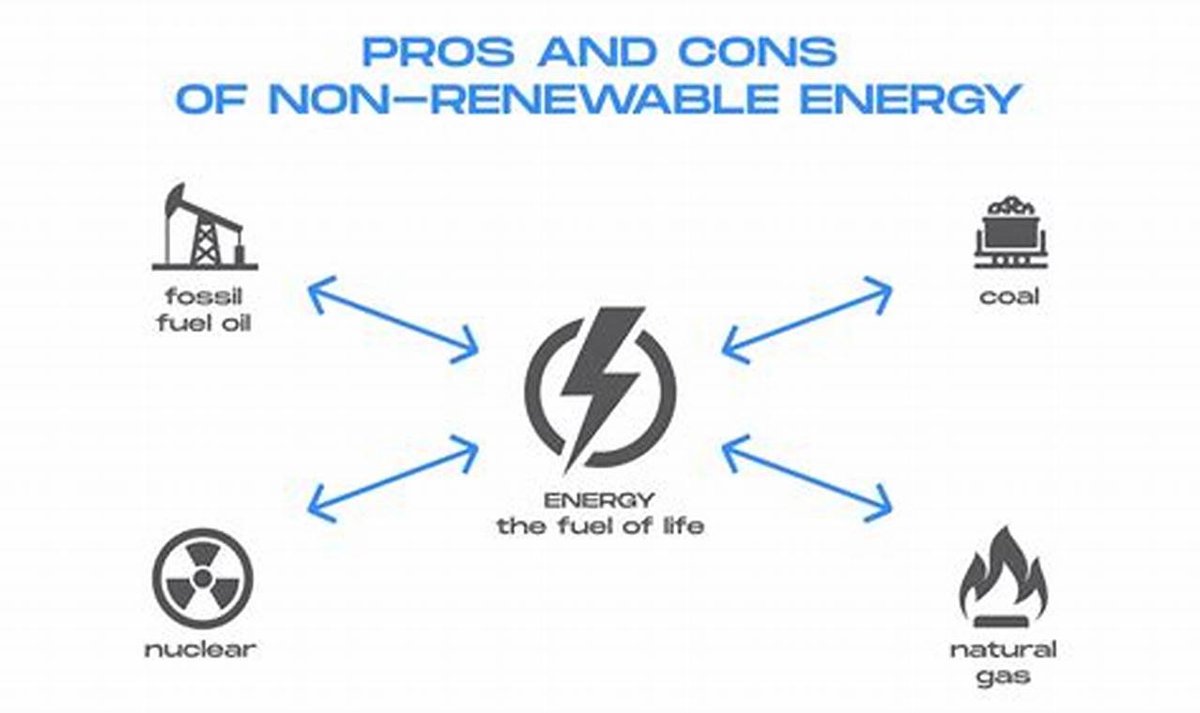
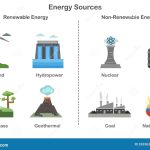
The vast majority of our non-renewable energy comes from a few key categories:
Fossil Fuels: Formed over 300-360 million years ago during the Carboniferous Period, these are the decayed remains of plants, animals, planktons, and algae, transformed by intense heat and pressure underground.
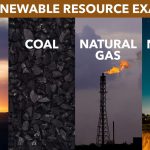
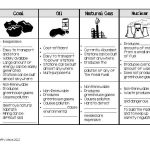
Coal: A solid rock, mined and burned for electricity. Its types range from Peat (lowest rank) to Anthracite (highest rank), depending on carbonization.
Petroleum (Crude Oil): A liquid fossil fuel, drilled from underground formations and refined into a vast array of products, from gasoline to plastics.
Natural Gas: Primarily methane, found in underground reservoirs. It’s cleaner-burning than coal or oil and used for heating, cooking, and power generation, sometimes liquefied into LNG for transport.
Nuclear Energy: Generated by splitting atoms (fission), typically using Uranium-235. While the process itself is powerful, Uranium is a rare and finite material, categorizing nuclear energy as non-renewable.
Biomass Energy (Conditional): Though often renewable, biomass can become non-renewable if the plant matter (like wood or crops) is harvested and consumed faster than it can be replanted.
This foundational understanding sets the stage for appreciating both the historical reliance on these sources and the growing imperative to consider their long-term viability.
The Immediate Upside: Why We’ve Relied So Heavily on Non-Renewables
For centuries, non-renewable energy sources have been the workhorses of global development, offering undeniable advantages that shaped modern civilization. Their prevalence isn’t accidental; it’s a testament to their established benefits.
Unmatched Consistency and Reliability
Perhaps the most compelling “pro” is the sheer dependability of non-renewable power. Unlike intermittent renewable sources like solar or wind, fossil fuel and nuclear plants can operate continuously, delivering a stable power supply around the clock, regardless of weather conditions. This “baseload” power is crucial for maintaining grid stability and meeting peak demands, ensuring hospitals, industries, and homes always have electricity.
Cost-Effectiveness and Established Infrastructure
The global infrastructure built around fossil fuels is colossal—from extraction sites and refineries to pipelines, storage facilities, and power plants. This maturity makes non-renewables, especially fossil fuels, traditionally cheaper to produce and distribute due to amortized investments and optimized processes. Fossil fuels alone account for 66% of the world’s electricity and satisfy 95% of overall energy needs, underscoring the depth of this established system. For a deeper dive into how these sources reliably power our world, explore the Advantages of non-renewable energy.
High Energy Density and Scalability
Non-renewable fuels pack a significant punch. A small amount of coal, oil, or uranium contains a vast amount of energy, allowing for efficient power generation in relatively compact facilities. This high energy density also means they can be rapidly scaled up to meet sudden surges in energy demand, offering flexibility that’s hard to match with many renewable counterparts. Modern natural gas plants, for instance, can achieve efficiencies up to 60%.
Economic Contribution and Energy Independence
The non-renewable energy sector is a colossal economic engine, supporting millions of jobs globally in exploration, extraction, refining, and distribution. Revenue generated from these resources can stimulate entire economies, particularly in resource-rich nations, and even fund transitions to renewable energy. Furthermore, countries with abundant domestic reserves can achieve greater energy independence, reducing reliance on volatile international markets.
Versatility Across Diverse Needs
Beyond electricity, non-renewable energy offers incredible versatility. Petroleum, for instance, isn’t just gasoline; it’s the base for plastics, fertilizers, pharmaceuticals, and countless industrial products. Natural gas heats homes and powers industrial processes, while coal is essential for steel production. This broad applicability makes them deeply embedded in various facets of modern life.
The Steep Downside: Unpacking the Long-Term Costs and Risks
While the benefits of non-renewable energy have been instrumental in building our world, the drawbacks are equally profound and increasingly urgent. These sources carry significant environmental, economic, and social costs that demand a shift in our energy strategies.
Severe Environmental Impact and Pollution
This is arguably the most critical “con.” The processes involved in extracting, processing, and burning non-renewable fuels have far-reaching and often devastating environmental consequences.
Climate Change: The burning of fossil fuels is the single largest source of carbon dioxide (CO2) emissions. This greenhouse gas traps heat in the atmosphere, driving global warming, contributing to rising sea levels, and leading to more frequent and extreme weather events worldwide.
Air Pollution: Beyond CO2, fossil fuel combustion releases a cocktail of harmful pollutants: sulfur dioxide (SO2), nitrogen oxides (NOx), particulate matter, and volatile organic compounds (VOCs). These contribute to smog, acid rain, and severe public health issues, including respiratory diseases, cardiovascular problems, and various cancers.
Ecological Degradation: The extraction processes themselves are destructive. Mining for coal devastates landscapes, causes ground caving, and can lead to long-burning underground fires. Oil and gas drilling can destroy habitats, contaminate soil and water, and result in catastrophic oil spills that harm marine life and ecosystems for decades. Natural gas extraction, particularly through fracking, has been linked to mini-earthquakes and groundwater contamination.
Radioactive Waste: Nuclear energy, while not emitting greenhouse gases during operation, produces highly toxic radioactive waste. This waste remains dangerous for thousands of years, posing immense long-term disposal challenges and significant health risks like burns, cancer, and bone decay if not managed perfectly.
Finite and Unsustainable Resources
The very definition of non-renewable implies an expiration date. These resources took millions of years to form, and at current consumption rates, they will eventually deplete. This finiteness creates long-term energy security risks, leads to higher costs as resources become scarcer and harder to extract, and ensures eventual supply shortages if viable alternatives aren’t adopted. Our current rate of consumption is simply unsustainable.
Prone to Accidents with Catastrophic Potential
The complex systems involved in handling non-renewable energy carry inherent risks. Fossil fuels are susceptible to pipeline ruptures, tanker crashes, and fires, leading to significant environmental damage and economic losses. Nuclear energy, while rigorously regulated, carries the risk of catastrophic accidents, as tragically demonstrated by events like Fukushima or Chernobyl, which can render vast areas uninhabitable and cause long-term health and environmental devastation.
Geopolitical and Security Risks
Global reliance on geographically concentrated fossil fuel reserves creates significant geopolitical vulnerabilities. Nations dependent on imported oil and gas are susceptible to supply disruptions, price volatility, and the political whims of producing countries. This can fuel international tensions and even conflicts over resource control. Furthermore, nuclear technology raises concerns about the proliferation of weaponizable materials and the potential for misuse. Resource exploitation can also lead to social and political conflicts within nations, often involving land rights and human rights issues.
Non-Degradable Residual Products and Infrastructure Lifespan
Many byproducts of non-renewable energy, particularly ash from coal burning and radioactive waste from nuclear plants, are non-degradable and persist in the environment for extended periods, adding to the pollution burden. Moreover, the vast existing infrastructure for non-renewables—power plants, pipelines, refineries—has a limited lifespan. Maintaining and eventually replacing this aging infrastructure adds costs and can exacerbate environmental risks if not managed responsibly.
Delayed Renewable Transition
Continued heavy investment in non-renewable energy infrastructure and technologies can inadvertently divert resources, political will, and innovation away from the essential transition to more sustainable, renewable energy solutions. This delay prolongs dependence on polluting sources and postpones the development of a resilient, clean energy future.
Navigating the Energy Crossroads: A Practical Perspective
Understanding the pros and cons of non renewable energy isn’t just about listing facts; it’s about grappling with the intricate trade-offs faced by nations, industries, and individuals daily. Policymakers, for example, must balance immediate energy needs and economic stability with long-term environmental sustainability and resource security.
Consider a rapidly developing nation like India, which relies heavily on coal to power its industrial growth and lift millions out of poverty. The “pros” of coal—affordability, established infrastructure, and abundance—are immediate and tangible, directly supporting economic development. However, the “cons”—severe air pollution in its major cities, significant carbon emissions, and the health impacts on its population—are pressing and growing. The practical challenge is not simply to “stop using coal” but to find viable, scalable, and affordable renewable alternatives that can meet an equivalent energy demand without stifling economic progress.
The Role of Efficiency and Mitigation
Even while transitioning, improving the efficiency of non-renewable energy use is a critical interim step. Modern natural gas plants are significantly more efficient than older coal plants, for instance. Technologies like carbon capture and storage (CCS) for fossil fuel plants aim to mitigate emissions, though their widespread economic viability and effectiveness are still debated. Investing in cleaner forms of existing non-renewables, such as liquefied natural gas (LNG), can also provide a temporary bridge towards lower-carbon futures.
Decision-Making in a Complex Landscape
For businesses, the long-term investment calculus is changing. While the consistency and reliability of non-renewables remain attractive, the increasing costs associated with carbon emissions, regulatory pressures, and reputational risks are making renewable investments more appealing. Utilities, in particular, face the challenge of modernizing aging non-renewable infrastructure while simultaneously building out new renewable capacity and smart grids.
The practical reality is that our energy future won’t be a sudden switch, but a complex, phased transition. This involves maximizing the benefits of non-renewables where absolutely necessary, while aggressively minimizing their drawbacks and accelerating the deployment of sustainable alternatives.
Your Quick Answers to Non-Renewable Energy Questions
Navigating the energy conversation often brings up common questions and misconceptions. Here are some quick answers to clarify key points: Are all fossil fuels equally bad for the environment?
No, there’s a spectrum. Coal is generally considered the “dirtiest” due to higher carbon emissions and particulate matter. Petroleum (oil) is next, and natural gas is typically seen as the “cleanest” fossil fuel because it produces less CO2 and fewer pollutants per unit of energy when burned. However, all fossil fuels contribute to greenhouse gas emissions. Can nuclear energy ever be truly “green” or sustainable?
While nuclear power plants produce minimal greenhouse gas emissions during operation, which is a “green” aspect, the “non-renewable” label comes from its fuel source, Uranium-235, which is finite. Moreover, the issue of highly toxic radioactive waste disposal, which remains dangerous for millennia, presents a significant long-term sustainability challenge that is still being fully addressed. How long until non-renewable resources run out?
Estimates vary widely based on consumption rates, new discoveries, and extraction technologies. For example, proven global coal reserves could last over a century at current consumption, while oil and natural gas might be closer to 50-70 years. However, these are dynamic figures, and “running out” typically means becoming economically unfeasible to extract, rather than physically disappearing. The key takeaway is they are finite and not replenishing. What’s the biggest challenge in moving away from non-renewables?
The biggest challenge is achieving the massive scale, reliability, and affordability currently provided by non-renewables, particularly for baseload power and industrial applications, using renewable sources. This requires immense investment in new infrastructure, energy storage solutions, grid modernization, and addressing the intermittency of sources like solar and wind, all while maintaining energy security and affordability.
Moving Beyond the Immediate Horizon
The journey through the pros and cons of non renewable energy makes one thing abundantly clear: there is no simple solution to our global energy needs. These sources have been the bedrock of modern society, providing reliable, high-density power that enabled unprecedented growth and technological advancement. Yet, the long-term costs—environmental degradation, climate change, resource depletion, and geopolitical instability—are becoming increasingly unsustainable and undeniable.
As specialists, our role is to critically assess this intricate balance. The path forward demands a strategic, phased transition that leverages innovation to maximize energy efficiency, rapidly scales renewable alternatives, and invests in smart grid technologies. This isn’t about abandoning non-renewables overnight, but about making informed, deliberate choices that prioritize a resilient, clean, and equitable energy future for generations to come. The era of cheap, easy energy is waning; the era of smart, sustainable energy must emerge.
I am a writer who loves renewable energy, with a focus on sustainable living, renewable energy, and eco-friendly innovation. With a passion for environmental awareness and a desire to explore the latest trends in green technology, corporate sustainability, and climate action. Through in-depth storytelling