For all the visionary progress in renewable energy, a clear-eyed look at our global power landscape reveals an undeniable truth: the benefits non renewable energy offers remain profoundly essential for our modern world. Far from being a relic of the past, these robust energy sources continue to deliver the reliability, affordability, and sheer scale of power that underpin our global economy and daily lives. Understanding these core advantages isn’t about choosing sides in the energy debate; it’s about making informed decisions for a stable, prosperous future.
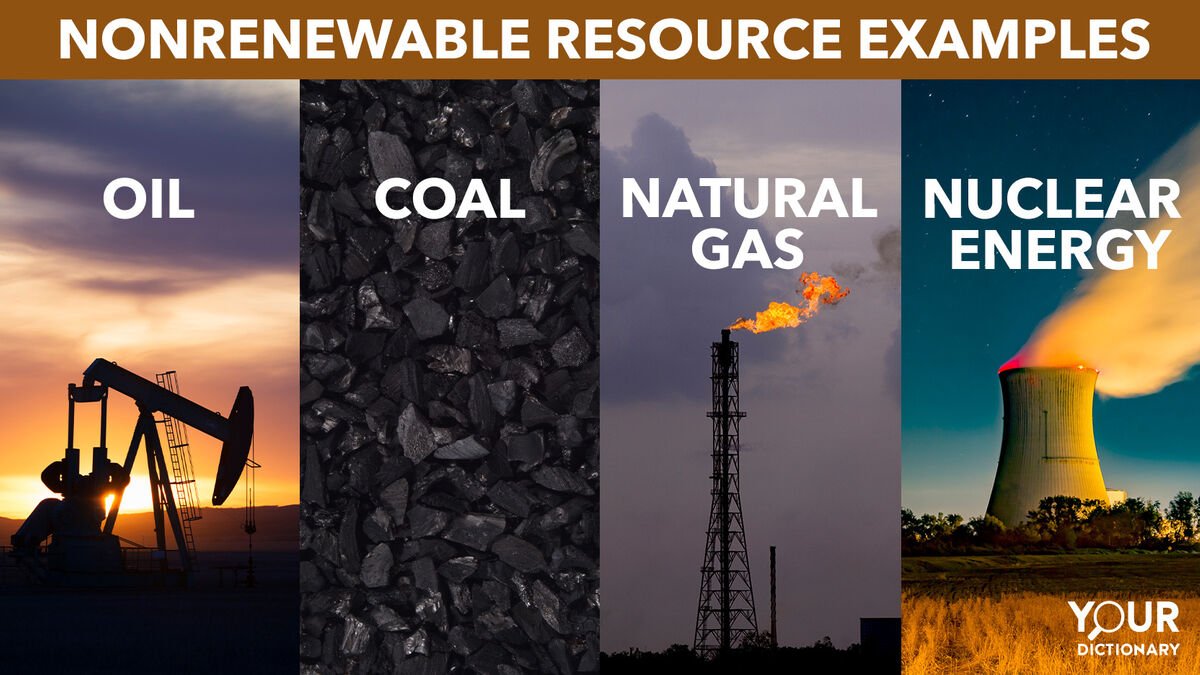
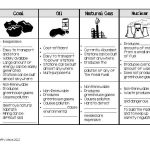
In 2023, non-renewable sources like fossil fuels (coal, oil, natural gas) and nuclear energy (uranium) supplied a staggering 505 exajoules of the 620 exajoules consumed globally. That’s roughly 81% of our total energy appetite, a testament to their foundational role. Even as we transition, grasping why these sources continue to be indispensable is key to navigating the complexities of energy policy, investment, and grid stability.
When we talk about the benefits non renewable energy brings, reliability often tops the list. These sources provide a constant, stable, and predictable energy output, day and night, rain or shine, entirely independent of fluctuating weather patterns. This consistent output is what we call “baseload” power – the minimum amount of electricity constantly required by the grid to prevent blackouts and keep essential services running.
Natural gas power plants, for instance, offer not just consistency but also rapid responsiveness. They can start up and reach full power within 10-15 minutes, making them invaluable for quickly compensating for sudden drops in renewable output, such as when clouds obscure a major solar farm or winds die down across a wind farm. This firm, dispatchable power ensures that our homes stay lit, hospitals remain operational, and industries maintain continuous production cycles without interruption.
Economic Advantage: Powering Growth Affordably
Another significant benefit is the sheer cost-effectiveness and affordability that non-renewable energy sources offer. Their established supply chains and economies of scale translate to competitive energy prices, which are vital for both consumers and businesses. Consider the Levelized Cost of Electricity (LCOE) for coal, ranging from $60-150 per MWh, and natural gas, at $45-80 per MWh – these figures are highly competitive, especially when factoring in the grid stability they provide.
The world already boasts a multi-trillion-dollar global infrastructure dedicated to non-renewable energy, encompassing power plants, refineries, pipelines, and extensive distribution networks. This pre-existing framework, developed over decades, significantly reduces the initial capital investment compared to building entirely new energy systems from scratch. Leveraging this established infrastructure minimizes financial risk and ensures efficient energy delivery globally. To delve deeper into the overarching economic and operational strengths of these vital resources, exploring the full Advantages of non-renewable energy can provide a comprehensive perspective on their role in global power systems. This cost advantage enables industrial development, particularly in developing nations, attracting investment and fostering economic stability.
High Energy Density: Efficiency in Every Drop and Pellet
One of the most compelling benefits non renewable energy offers is its incredibly high energy density. This means these sources pack significantly more energy per unit volume or mass than most alternatives. A single gallon of gasoline, for instance, contains approximately 33.6-33.7 kWh of energy, while uranium boasts an astonishing 80 million MJ/kg – magnitudes beyond what even advanced lithium-ion batteries can store (0.36-0.875 MJ/kg).
This concentrated power allows for efficient, large-scale power generation with a remarkably minimal physical footprint. A 1,000 MW coal plant might occupy just 1-3 square kilometers, whereas an equivalent solar farm could require 20-50 square kilometers. Such high energy density is not just about power generation; it’s also crucial for sectors like transportation, especially aviation, shipping, and heavy-duty trucking, where the weight and volume of fuel are critical constraints. Imagine the challenge of powering a transatlantic flight or a massive cargo ship with lower-density fuels – the practicalities quickly become daunting.
Mature Technology & Innovation: Decades of Refinement
Non-renewable energy technologies are not static; they represent decades of continuous development and innovation. This technological maturity has led to highly efficient and reliable extraction methods, such as hydraulic fracturing and horizontal drilling for oil and natural gas, maximizing resource recovery. In power generation, innovations like combined-cycle gas plants can achieve efficiencies over 60%, while advanced coal plants operate at 45-50%, constantly improving output from finite resources. Nuclear power also leverages sophisticated engineering for safety and efficiency, typically operating at 33-35% efficiency for electricity generation.
Furthermore, advancements are continuously being made to mitigate environmental impacts, with carbon capture and storage (CCS) technologies holding significant promise for reducing emissions from fossil fuel plants. The substantial revenues generated by this mature sector also play a crucial role in funding ongoing research and development, not just for cleaner non-renewable solutions but often for emerging renewable energy technologies as well.
Strategic Storage & Global Accessibility
The ability to store non-renewable fuels for extended periods without significant energy loss is another critical advantage, bolstering energy security. Coal can be stockpiled for months, oil for years, and natural gas stored in vast underground caverns or transported as liquefied natural gas (LNG). Many nations maintain strategic reserves of oil and natural gas specifically to hedge against supply disruptions or geopolitical instability, providing a vital buffer for national security.
Alongside storage, extensive global transportation networks – pipelines, oil tankers, LNG carriers, and rail – facilitate international energy trade, making these resources accessible to countries without domestic reserves. This widespread availability of fossil fuels allows diverse nations to tap into energy markets, fostering a degree of energy independence and strengthening global energy security by reducing sole reliance on localized or intermittent sources.
Versatility Beyond Electricity: Fueling Industry and Life
The benefits non renewable energy delivers extend far beyond merely generating electricity. These sources are incredibly versatile, serving as fundamental inputs for a vast array of industrial and domestic applications. They power transportation, provide heat for homes and businesses, and, crucially, act as indispensable feedstocks for petrochemicals, plastics, fertilizers, and even steel production.
Many industries require specific high-temperature heat processes that are currently difficult or uneconomical to electrify. Cement, steel, and glass manufacturing, for example, rely heavily on fossil fuels to achieve the extreme temperatures necessary for their operations. Without natural gas or coal, these foundational industries would face immense challenges, directly impacting global supply chains for everything from construction materials to consumer goods.
Bridging to a Renewable Future: A Necessary Transition Partner
While the long-term goal for many is a future dominated by renewable energy, non-renewable sources serve as an indispensable transitional bridge. They provide the necessary stability and backup power for the energy grid during the evolution of renewable technologies and infrastructure. Natural gas power plants, in particular, are flexible enough to ramp up and down quickly, perfectly complementing the intermittent nature of wind and solar power.
Consider a scenario where a sudden drop in solar output occurs during a heatwave. Rapid-response gas plants can swiftly come online to prevent blackouts, ensuring the grid remains stable as renewable capacity grows. This symbiotic relationship allows for a more secure and controlled transition, giving time for battery storage technologies and enhanced grid infrastructure to mature and scale to meet future demands.
Your Energy Decisions: A Path Forward
The enduring benefits non renewable energy offers are not just theoretical; they are tangible advantages that directly impact our daily lives, economic stability, and industrial capacity. From ensuring unwavering power supply to fueling critical manufacturing and providing a stable platform for renewable integration, these sources remain fundamental.
As we navigate the complexities of our global energy future, a balanced perspective is crucial. It means acknowledging the indispensable role non-renewables play today, investing in cleaner technologies for their continued use, and strategically managing their phase-out in concert with the scaling of reliable, affordable renewable alternatives. Understanding these practical benefits empowers better decision-making for a robust and resilient energy landscape.
I am a writer who loves renewable energy, with a focus on sustainable living, renewable energy, and eco-friendly innovation. With a passion for environmental awareness and a desire to explore the latest trends in green technology, corporate sustainability, and climate action. Through in-depth storytelling