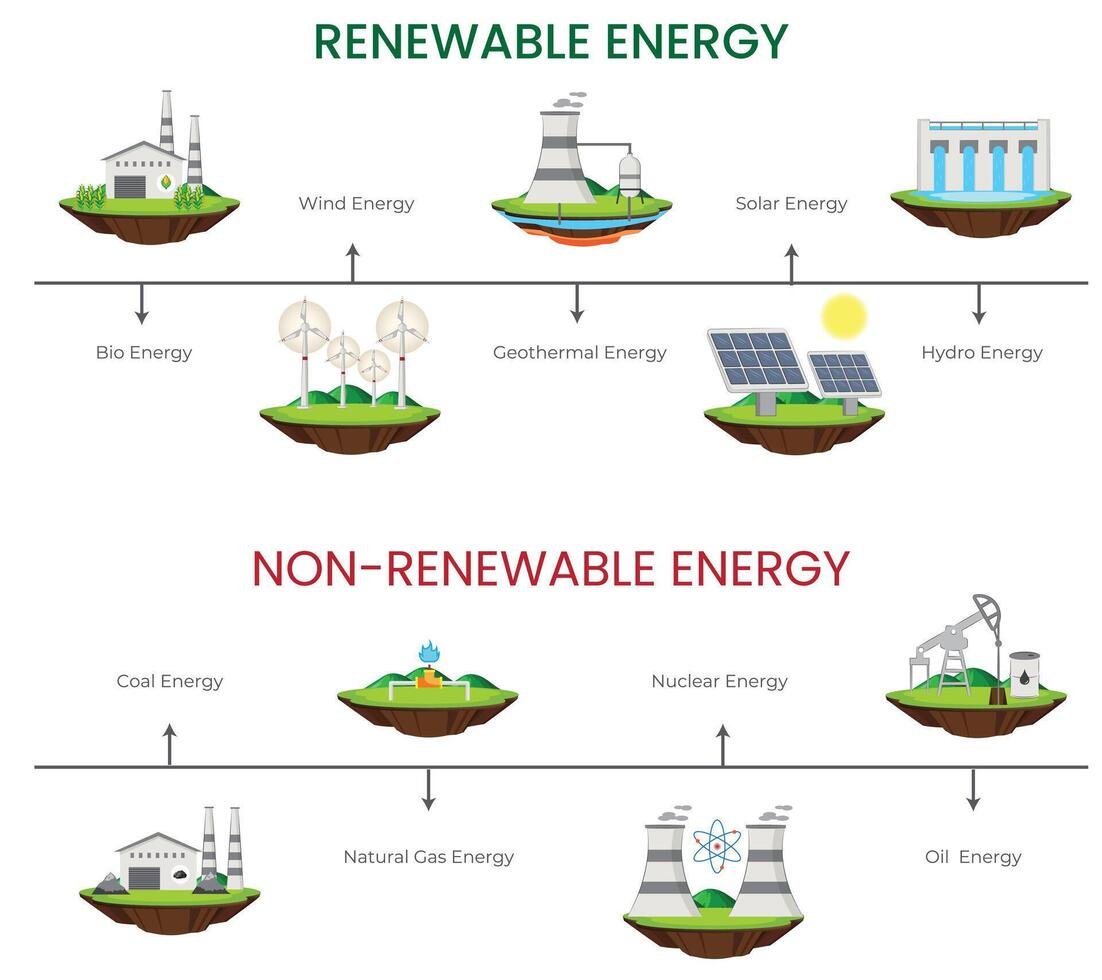
Navigating the complexities of energy supply in a rapidly evolving world requires a clear-eyed look at all available options. While renewable sources capture significant attention, understanding the enduring non-renewable resources benefits is crucial for ensuring the stability and affordability that underpin our modern industrial and domestic life. These traditional energy pillars—primarily fossil fuels like coal, oil, and natural gas—continue to deliver critical advantages that are often overlooked in the broader energy discourse.
At a Glance: Key Non-Renewable Resources Benefits You’ll Uncover
Robust Economic Engines: How non-renewables drive job growth, industrial development, and global trade.
Unwavering Reliability: The critical role of base load power for grid stability and continuous supply.
Established Infrastructure & Innovation: Leveraging existing systems and cutting-edge advancements in extraction and efficiency.
Flexible & Far-Reaching: Their versatility across sectors and widespread global accessibility.
Bridging the Energy Gap: Why they remain essential for meeting current demand and supporting the transition to renewables.
The Economic Bedrock: Powering Growth and Prosperity
When we talk about the practical advantages of non-renewable resources, their economic impact is impossible to ignore. These sources aren’t just fuel; they’re fundamental drivers of national and global economies. From direct job creation to fostering vast industrial ecosystems, the financial ripple effects are profound and widespread.
Fueling Job Markets and Industrial Might
The non-renewable energy sector is a massive employer, providing millions of jobs across a diverse spectrum of roles—from geologists and engineers in extraction to technicians in refineries and logistics specialists in distribution. These aren’t just entry-level positions; they often involve specialized skills and offer competitive wages, supporting families and communities. For instance, in 2021, the non-renewable energy sector accounted for approximately 7.2 million jobs in the U.S. alone, demonstrating its substantial contribution to the labor force.
Beyond direct employment, this sector provides the reliable, affordable energy that is the lifeblood of large-scale manufacturing and industrial development. Imagine steel mills, chemical plants, or automotive factories—their operations demand consistent, high-volume energy that non-renewables are uniquely positioned to provide economically. This affordability allows industries to remain competitive, fostering domestic production and supporting a robust manufacturing base.
Driving Global Trade and Strategic Diplomacy
The trade in oil, natural gas, and coal forms a substantial segment of global commerce, fostering economic interdependence and diplomatic relationships between nations. Countries rich in these resources gain significant revenue streams, which they can then invest in infrastructure, education, and technological advancement, including funding for renewable energy research. For developing nations, access to affordable non-renewable energy can be a critical stepping stone to industrialization and improved living standards. This global exchange creates complex supply chains, but also robust economic ties that encourage stability.
Unwavering Power: Reliability and Efficiency at Scale
Perhaps the most compelling of the non renewable resources benefits is their unparalleled reliability. In a world that demands continuous power, these sources deliver a consistency that is difficult to match, forming the backbone of our energy grids.
The Foundation of Grid Stability: Base Load Power
Non-renewable power plants are engineered to provide “base load” energy—a continuous, minimum level of electricity supply required to meet demand around the clock. Unlike intermittent renewables like solar or wind, which depend on weather conditions, fossil fuel plants can operate steadily, ensuring continuous 24/7 power. This constant availability is essential for maintaining grid stability, preventing blackouts, and meeting peak demand, even when renewable contributions fluctuate. The ability to “dispatch” power on command offers unparalleled grid management flexibility.
High Energy Density: Maximum Output from Minimal Input
These resources possess an exceptionally high energy density. This means a relatively small volume of fuel can produce an enormous amount of energy. Consider one gallon of gasoline, which contains approximately 33.6 kilowatt-hours of energy—enough to power an average U.S. home for over a day. This characteristic makes them incredibly efficient for large-scale power generation, heavy industrial processes, and especially transportation, where fuel compactness and powerful output are critical. The high energy yield per unit of volume or weight simplifies storage and transport, enhancing their practicality. For a broader perspective on how these factors contribute to a stable energy supply, exploring the Advantages of non-renewable energy can offer deeper insights.
Established Infrastructure and Ongoing Innovation
Decades of investment have resulted in a sophisticated global infrastructure for non-renewable energy, ensuring effective delivery and management. This mature system is continually enhanced by technological advancements, driving efficiency and mitigating environmental impacts.
Robust Systems for Seamless Delivery
The existing network of power plants, refineries, pipelines, transmission lines, and distribution systems represents an enormous, well-maintained asset. This established infrastructure ensures that energy can be produced, processed, and delivered efficiently to consumers and industries worldwide. Its maturity also translates into streamlined operational protocols, familiar regulations, and a deep pool of skilled labor, simplifying energy management and ensuring quick responses to demand fluctuations or emergencies. Building such an extensive infrastructure from scratch for alternative sources would require immense capital and time.
Cutting-Edge Advancements in Extraction and Efficiency
The non-renewable energy sector isn’t static; it’s a hotbed of continuous innovation. Enhanced drilling techniques, such as hydraulic fracturing and horizontal drilling, have revolutionized access to previously inaccessible reserves, significantly increasing supply and lowering costs. Beyond extraction, advancements in carbon capture and storage (CCS) technologies aim to reduce the environmental footprint of fossil fuel combustion by trapping CO2 emissions. Furthermore, continuous improvements in turbine designs and combustion technologies are constantly boosting the energy conversion efficiency of power plants, meaning more electricity is generated from less fuel.
Versatility and Global Accessibility: Powering Every Sector
The diverse applications and widespread availability of non-renewable resources underscore their immense practical value. They power virtually every aspect of modern life and offer energy independence to many nations.
Multi-Faceted Energy Solutions
From powering massive electricity grids to fueling global transportation networks, driving industrial manufacturing, and heating homes, non-renewable sources are incredibly versatile. They are not limited to a single application but provide tailored energy solutions across the economy. This adaptability makes them indispensable, ensuring that diverse energy needs—whether for heavy machinery, light vehicles, or residential heating—can be met effectively and affordably.
Widespread Distribution for Energy Security
Unlike some renewable sources which are geographically limited, non-renewable resources, particularly fossil fuels, are distributed across many regions globally. This widespread availability allows numerous countries to tap into local reserves, bolstering their energy independence and security. The ability to source energy domestically or from a diverse range of international partners reduces vulnerability to geopolitical shifts and supply chain disruptions. Furthermore, the ease of transportation via pipelines, tankers, and trucks ensures that these energy sources can reach even remote locations, making energy widely accessible.
The Transitional Bridge: Meeting Today’s Needs, Supporting Tomorrow’s Goals
While the global energy landscape is undeniably shifting towards cleaner sources, non-renewable energy currently bears the lion’s share of the world’s energy burden. It plays a critical “transitional” role, ensuring stability while future energy systems mature.
Meeting Soaring Global Demand
The world’s energy demand continues to rise, driven by population growth, urbanization, and economic development, particularly in emerging economies. Non-renewable energy sources currently meet a significant portion of this escalating demand. Without their substantial and reliable contribution, it would be extremely challenging to sustain current levels of economic activity and improve living standards globally, especially as renewable infrastructure continues to expand.
A Reliable Partner for Intermittent Renewables
As the world transitions to cleaner energy, non-renewable sources serve as a crucial “transitional bridge.” They complement intermittent renewables like wind and solar power by providing essential backup power when the sun isn’t shining or the wind isn’t blowing. This capacity to quickly ramp up or down helps maintain a balanced energy grid, preventing costly and disruptive outages. Until energy storage technologies become universally scalable and affordable, this stopgap role for non-renewables is indispensable for a stable and orderly shift towards a fully decarbonized energy future.
Navigating the Energy Landscape: Key Takeaways
Understanding the critical non-renewable resources benefits isn’t about ignoring environmental concerns; it’s about making informed decisions for a stable energy future. Their economic impact, reliability, established infrastructure, versatility, and current necessity are undeniable.
Strategic Considerations for Energy Policy
For policymakers and industry leaders, the practical application of these insights involves:
Optimizing Existing Assets: Maximizing the efficiency and environmental performance of current non-renewable infrastructure through advanced technologies like CCS and improved turbine designs.
Maintaining Grid Stability: Acknowledging and leveraging the base load capabilities of non-renewables to ensure continuous power supply, especially as intermittent renewables grow.
Investing in Transition: While utilizing non-renewables, simultaneously investing heavily in renewable energy research, infrastructure, and storage solutions to facilitate a smoother, more rapid transition.
Ensuring Energy Security: Diversifying energy portfolios to include local non-renewable reserves where feasible, reducing over-reliance on single energy types or foreign sources.
Quick Answers to Common Questions
Aren’t non-renewable resources bad for the environment?
While non-renewable resources, particularly fossil fuels, do have environmental impacts like greenhouse gas emissions, ongoing technological advancements are addressing these concerns. Innovations in carbon capture and storage (CCS) aim to significantly reduce emissions, and enhanced extraction techniques are designed to minimize local environmental disturbance. The discussion around their use often involves balancing environmental stewardship with the immediate needs for reliable and affordable energy.
Can’t renewable energy replace non-renewable energy entirely right now?
Currently, no. Renewable energy sources are growing rapidly, but they face challenges with intermittency (wind and solar don’t produce power 24/7) and require massive investments in infrastructure and storage technology to fully replace the base load power provided by non-renewables. Non-renewable sources serve as a crucial transitional bridge, ensuring grid stability and meeting continuous demand while renewable technologies mature and become more widely deployed.
How do non-renewable resources contribute to energy independence?
Many countries have local reserves of fossil fuels. Tapping into these domestic sources reduces a nation’s reliance on foreign energy imports, thereby strengthening its energy security and independence. This localized availability helps buffer against global price volatility and geopolitical instability, providing a reliable domestic energy supply.
A Balanced Energy Perspective
The conversation around energy often simplifies complex choices into “good” or “bad.” However, a pragmatic approach recognizes that non-renewable resources offer significant, tangible benefits that continue to serve as the bedrock of our global energy system. These include robust economic contributions, unwavering reliability, mature infrastructure, incredible versatility, and a vital role in meeting current demand and bridging the transition to a cleaner future. Understanding these advantages allows us to approach energy policy and investment with a more balanced and informed perspective, ensuring a stable, affordable, and eventually, sustainable energy future for all.
I am a writer who loves renewable energy, with a focus on sustainable living, renewable energy, and eco-friendly innovation. With a passion for environmental awareness and a desire to explore the latest trends in green technology, corporate sustainability, and climate action. Through in-depth storytelling